Published: 28 July 2026 | The English Chronicle Desk | The English Chronicle Online
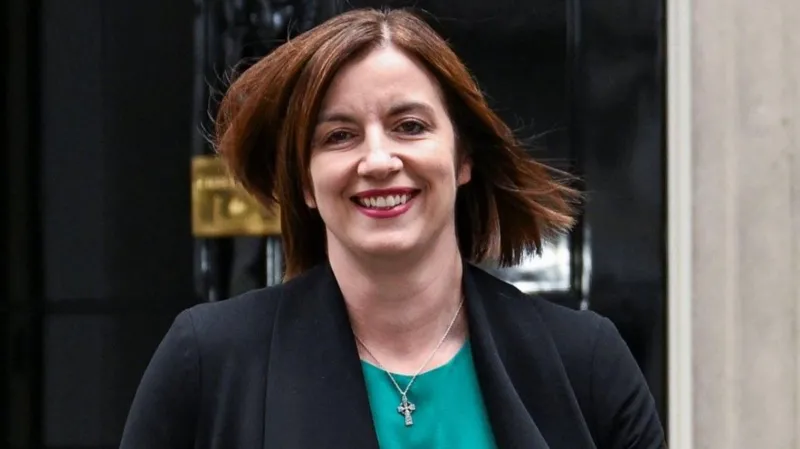
Prime Minister Andy Burnham has appointed Bridget Phillipson as the new Chair of the Labour Party, making one of the most significant changes to the party’s senior leadership since taking office. The appointment is being viewed as part of a broader effort to strengthen Labour’s organisation, improve coordination between government and the party, and prepare for future electoral challenges.
Phillipson, who has served in several prominent ministerial roles and is regarded as one of Labour’s most experienced figures, assumes responsibility for overseeing the party’s political operations, membership engagement, campaigning strategy and organisational management. Her appointment comes at a time when Labour is seeking to maintain public support while implementing an ambitious domestic policy agenda.
The move has been welcomed by many Labour MPs, who describe Phillipson as an experienced parliamentarian with a strong understanding of both government and party organisation. Political observers believe Burnham’s decision reflects his intention to place trusted senior figures in key positions as Labour enters the next phase of its administration.

Announcing the appointment, Burnham praised Phillipson’s record in public service and her contribution to Labour’s policy development over many years.
He said the party required experienced leadership capable of connecting government priorities with grassroots campaigning while strengthening Labour’s presence across every part of the United Kingdom.
Burnham also emphasised the importance of maintaining close relationships with local party organisations, trade unions, community groups and elected representatives.
He said Labour’s long-term success would depend not only on delivering government policies but also on maintaining public confidence through effective communication and organisation.
Phillipson is widely recognised within Labour as one of the party’s leading policy thinkers.
Since entering Parliament, she has held a number of senior frontbench positions and developed a reputation for focusing on education, opportunity and social mobility.
Supporters say her experience in both policy development and parliamentary politics makes her well suited to one of the party’s most influential organisational roles.
As Labour Party Chair, Phillipson will oversee many of the party’s internal functions, including election planning, candidate support, campaign coordination and engagement with regional party structures.
She is also expected to work closely with ministers and party officials to ensure government achievements are effectively communicated to voters.
The position carries considerable political importance because it serves as a bridge between the government and Labour’s wider membership.
Party chairs often play central roles in preparing election campaigns, managing internal organisation and responding to political challenges.
Political analysts say the appointment comes during a period when Labour is attempting to balance governing responsibilities with preparations for future electoral contests.
Although general elections may still be some time away, parties routinely begin campaign planning years in advance.
Strengthening party infrastructure has become increasingly important as political campaigning relies more heavily on digital communication, data analysis and local grassroots mobilisation.
Phillipson is expected to oversee efforts aimed at modernising campaign operations while ensuring Labour remains connected to local communities.
One of her priorities is likely to involve increasing member participation and supporting constituency organisations across England, Scotland, Wales and Northern Ireland.
Labour officials have repeatedly stated that strong local campaigning remains essential despite the growing influence of social media and national political messaging.
The appointment also reflects Burnham’s broader leadership style since becoming prime minister.
Observers note that he has sought to combine experienced ministers with organisational reforms intended to improve coordination across government and the party.
Senior Labour figures have argued that effective governance depends upon maintaining close communication between ministers, MPs, councillors and local activists.
Phillipson’s experience across several areas of public policy is expected to support that objective.
Within Westminster, reactions to the appointment have largely followed party lines.
Labour MPs described Phillipson as a capable administrator with a detailed understanding of public policy and party organisation.
Several colleagues praised her collaborative leadership style, suggesting it would help strengthen unity within Labour.
Opposition politicians, meanwhile, said the appointment would ultimately be judged by Labour’s performance in government rather than internal organisational changes.
They argued that voters are likely to focus on issues such as the economy, public services, taxation and living standards rather than party appointments.
Political experts note that changes to party leadership structures rarely dominate public attention on their own but can significantly influence long-term electoral strategy.
An effective party chair can improve fundraising, volunteer engagement, campaign coordination and policy communication, all of which contribute to election performance.
Modern political parties increasingly operate as complex national organisations requiring professional management alongside traditional political leadership.
Phillipson’s appointment therefore represents both a political and organisational decision.
Her responsibilities will extend beyond media appearances to overseeing thousands of volunteers, local party officials and campaign staff working across the country.
Labour’s membership remains one of its greatest organisational strengths, with local activists playing a central role during election campaigns.
Maintaining enthusiasm among members while supporting government priorities will be one of the challenges facing the new chair.
Political commentators also suggest Phillipson may play an important role in shaping Labour’s messaging ahead of future elections.
As governments progress through their terms in office, maintaining public confidence often requires clear communication about achievements, future plans and responses to emerging challenges.
The appointment comes as Labour continues advancing policies relating to economic growth, healthcare, education, housing, climate change and public sector reform.
Ensuring those policies are understood by voters is expected to become a central aspect of the party’s strategy.
Phillipson’s background in education policy may also influence Labour’s broader political narrative.
She has consistently argued that expanding opportunity through education, skills development and investment in young people should remain central to the party’s long-term vision.
Supporters believe her experience will strengthen Labour’s ability to communicate those priorities to both traditional supporters and undecided voters.
Beyond election planning, the role also requires managing relationships across different sections of the party.
Like all major political organisations, Labour represents a broad coalition of views and interests.
Maintaining unity while encouraging healthy debate is regarded as one of the most important responsibilities of the party chair.
Political historians note that effective party organisation has often played a decisive role in British elections.
Successful governments frequently invest significant effort in maintaining strong local networks while preparing for future political contests well before campaigns formally begin.

Burnham’s decision to appoint Phillipson is therefore seen as an investment in Labour’s organisational future as much as a routine personnel announcement.
As she begins her new responsibilities, attention will focus on how Labour strengthens its campaigning operation, supports local members and communicates its governing agenda to the wider public.
For Burnham, the appointment signals a desire to combine experienced leadership with renewed organisational energy as Labour seeks to consolidate its position in government.
Whether those changes translate into long-term political success will depend not only on internal party management but also on the government’s ability to deliver policies that address the priorities of voters across the United Kingdom.
Related News:
 Kezia Dugdale Warns of Possible Reversal of Equal Rights Gains
 NHS Safety Fears as Nurses Cover Doctor Gaps
 Reform UK funding: mystery billionaire revealed
 John Terry Faces Backlash Over Political Posts
 UK may ban protests amid rising antisemitism fears
 Labour Members Turn Against Starmer Leadership
 Farage and Reform UK Reshape British Politics
 Starmer Leadership Under Pressure After Setbacks
 UK Nations Brace for Potential Breakup Amid Reform Surge
 Three-Quarters of England’s Riverbanks Still Off Limits
 Technical Subjects to Be Expanded for Pupils Aged 14
 Reform UK Reports Polanski to Police Over T-Shirt Post
 Green Party Surges Past Labour in Latest UK Poll
 Trump’s UK Ambassador Urges North Sea Drilling to Strengthen US Ties
 French Taxi Driver Cleared in David Lammy Theft Case After Fare Dispute
 Millionaires group urge Reeves to introduce wealth tax to ‘lift kids out of poverty’
 Starmer Faces Growing Dissent as Labour MPs Weigh Leadership Challenge
 Reeves rejects £1bn plea for NHS redundancy payouts
 PM Condemns Leaks, Vows Loyalty to Ministers and Stability
 Major Rent Reform Ends No-Fault Evictions in England
 Most Tories Expect to Support a Farage-Led Government
 Starmer Says Labour’s Economic Plan Needs Years to Deliver
 Right Must Unite After Jenrick Defection, Urges Rees-Mogg
 UK Ministers Drop Foreign Student Targets for Global Education Push
 No Gas Boiler Ban as UK Warm Homes Plan Backs Heat Pumps
 Shinzo Abe’s killer receives life sentence in Japan
 Police response times face strict new national limits
 Labour policing overhaul sparks fears over growing central control
 Starmer warns of toxic division politics in Reform challenge
 Palantir contracts face UK halt calls over transparency
 Farage to Name Jenrick as Reform Chancellor Pick
 Civil Service Pay: Union Urges Ministers to End ‘Barking Mad’ Limits
 Antonia Romeo appointment sparks criticism
 Farage Chagos Islands Row Sparks Fury
 Reform UK targets workers’ rights repeal
 Russian Trade Routed Through British Islands Exposed
 Mandelson Arrest: Met Apologises to Hoyle
 BBC Charter Reform Sparks Independence Battle
 Thousands Protest Iran Strikes Outside US Embassy London
 US Bombers Arrive at RAF Base Amid Rising Iran Tensions
 UK Oil and Gas Supplies Reassured Amid Middle East Concerns
 Yvette Cooper: UK Must Follow Principles, Not US Pressure
 Iran’s Failed Strike on Diego Garcia Sparks UK Security Concerns
 Wes Streeting Backs Starmer Amid Speculation of Leadership
 US Lawmaker Demands Testimony Over Sarah Ferguson’s ‘Close Epstein Ties’
 The Last of the Lords: Two Hereditary Peers to Retain Ceremonial Roles Amid Historic Ousting
 ‘Eye in the Sky’ Blinded: Photos Reveal Destroyed US Radar Jet at Saudi Base
 The Lasting Shadow: How Austerity Redefined UK Childhood
 Is Britain Ready? Experts Warn of ‘Bizarre’ Military Delay
 Foreign Office Chief Resigns Amid Mandelson Vetting Row
 “Jobs Will Go”: Rishi Sunak Warns AI is Already Eroding Entry-Level Opportunities
 Reform UK Vetting Scrutiny Amid Candidate Scandal
 Crackdown Backfires on UK Climate Protesters
 Reality Check on Reform: Minister Says Outright Abolition of Leasehold “Impossible”
 The “Dry” Life: Teens Trialing Social Media Bans Call Initial Disconnection “Boring” and “Dry”
 “Invisible Agony”: 98-Year-Old Woman Left in “Severe Pain” for Days Amidst Care Backlog
 Major test for Labour as polls open in Great Britain
 Farage Faces New Questions Over Private Helicopter Use
 NHS Drug Deal Faces Legal Threat Over US Trade Agreement
 Green Party Makerfield Candidate Resigns Over Posts
 Secret Role of UK Security Services in Troubles Amnesty Law
 Labour Faces Growing Pressure Over Living Wage Delay
 Makerfield Voters Demand Real Change as Election Looms
 The Hidden Crisis Eroding Trust in British Communities
 Digital Scrutiny Under the Spotlight in Makerfield
 Modernising the Military: Carns Demands Urgent Procurement Reform
 Prince George Set to Begin Studies at Eton This September
 Starmer Set to Announce Exit Plan as Burnham Eyes No 10
 Burnham Promises Relief on Cost of Living Crisis
 Starmer Predicts Labour Election Win Under Burnham
 Buckingham Palace Confirms Harry Will Not Stay There
 Farage Rivals Rule Out Clacton By-Election Fight
 Dover Faces Travel Crisis as EU Border System Stalls
 Labour MPs Push for Stricter Political Funding Reforms
 Reform Divided: Manchester vs. Clacton Strategy Shift
 Treasury Reform Urged After Tragic Loss
 Le Pen’s Popularity Holds Despite Conviction
 London Tube Heat Reaches Dangerous Levels
 Covid PPE Scandal: Inquiry Reveals Vast Public Waste
 Jewish Students Describe Rising Antisemitism on UK Campuses