Published: 23 May 2026. The English Chronicle Desk. The English Chronicle Online
Across the United Kingdom, the condition of everyday roads has become a growing source of frustration for drivers, cyclists, and public transport operators alike. From busy city centres to quiet residential streets, the spread of potholes has turned routine journeys into uneven and sometimes hazardous experiences. In places like Bristol, the problem is no longer isolated but part of a broader national challenge that experts describe as a structural failure of road maintenance policy and funding.
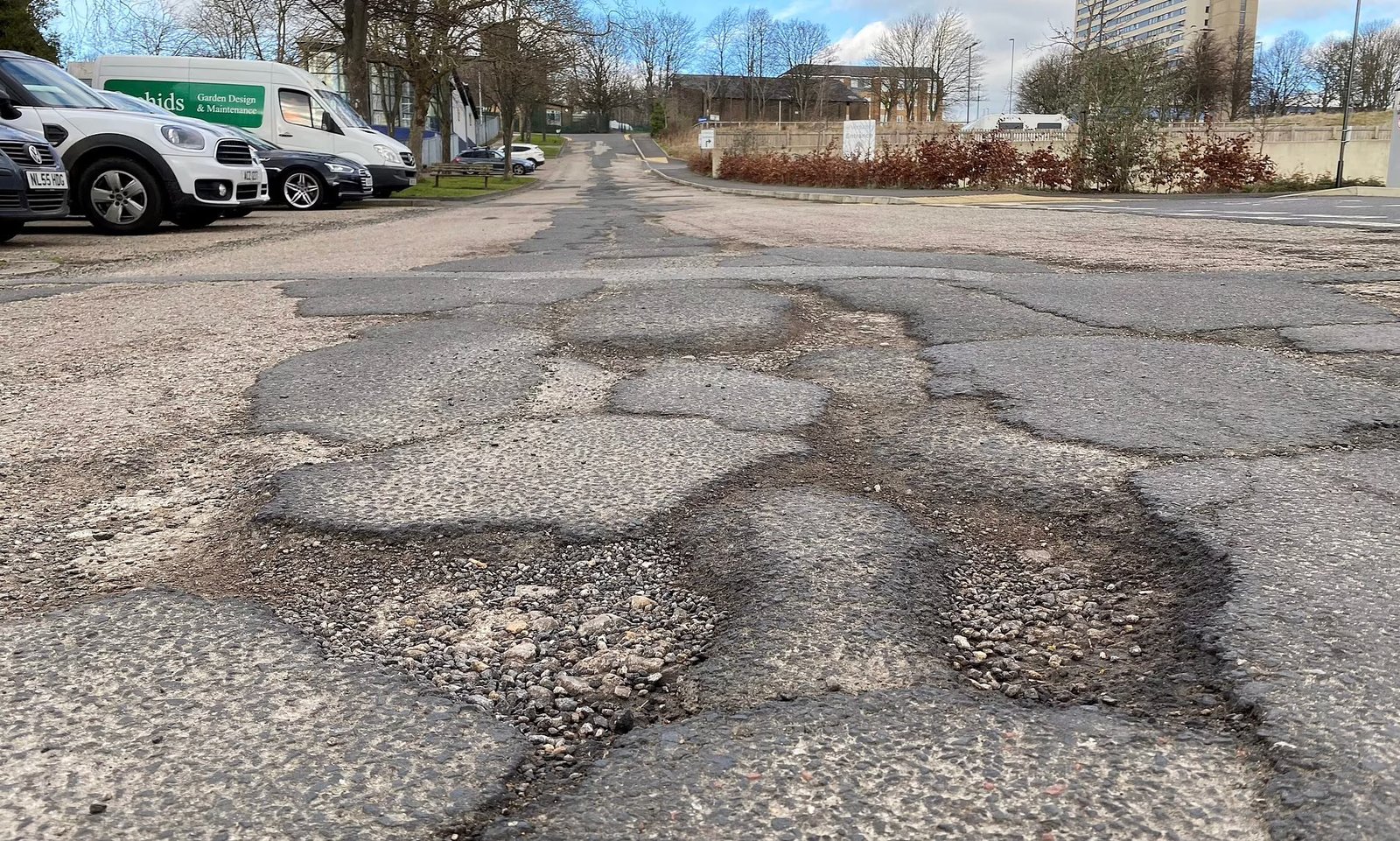
On Marsh Street in central Bristol, the issue is immediately visible. The short stretch of road is heavily worn, its surface marked by cracks, patches, and deep depressions where layers of tarmac have eroded over time. Bus drivers navigating the route describe it as physically punishing, while cyclists often weave carefully between damaged sections to avoid accidents. For many locals, it has become a symbol of how Britain’s everyday infrastructure is slowly deteriorating.
Across the country, the scale of the problem is significant. According to estimates from the RAC, there may be around a million potholes across UK roads, with drivers increasingly reporting vehicle damage linked directly to poor road surfaces. Breakdown services have recorded a sharp rise in suspension and tyre failures, while compensation claims against local authorities have surged in recent years.

Public concern has also grown rapidly. Polling conducted by YouGov suggests that potholes and road maintenance rank among the most pressing local issues for voters, often above concerns such as healthcare, cost of living, or public transport reliability. For many communities, deteriorating roads have become a visible indicator of wider public service strain.
At the heart of the issue is a complex funding structure. In England, most local roads are managed by councils rather than central government, meaning responsibility for maintenance is fragmented and heavily dependent on local budgets. While the Department for Transport provides financial support, councils argue that funding levels remain insufficient to address both the backlog of repairs and ongoing damage caused by weather and traffic.
In Bristol, officials estimate that significantly more investment is required to move beyond reactive repairs and toward long-term road resurfacing. Local transport teams say that while potholes are regularly filled, these short-term fixes do not address the underlying deterioration of road foundations. As a result, the same locations often reappear on repair lists within months.
Experts in transport economics say the situation reflects a deeper structural imbalance. Professor analysts working in infrastructure policy, including researchers associated with institutions such as the Institute for Government, argue that councils are trapped in a cycle of limited funding, where resources are only sufficient for emergency repairs rather than preventive maintenance. This leads to what some describe as a “react-and-repair” model rather than a sustainable maintenance strategy.
Climate conditions are also playing an increasing role. Warmer winters followed by heavy rainfall create conditions where water penetrates road surfaces, weakens the base layers, and expands when temperatures fluctuate. This cycle accelerates surface breakdown and increases the frequency of pothole formation. Combined with heavier traffic loads and increased delivery vehicles, the pressure on ageing infrastructure continues to rise.
Local authorities argue that funding mechanisms often make long-term planning difficult. Many budgets are allocated on short cycles, which limits the ability of councils to schedule large-scale resurfacing projects that require multi-year investment. Transport officials in cities like Bristol say they frequently face a trade-off between filling immediate safety hazards and investing in preventative reconstruction.
Despite these challenges, government officials maintain that new funding strategies are beginning to show results. They argue that multi-year investment programmes are designed to help councils shift away from temporary patching toward more durable road repairs. However, local engineers caution that progress will be gradual and uneven, particularly in areas where decades of underinvestment have already weakened road networks.
The impact of potholes extends beyond inconvenience. Damage to vehicles results in increased insurance claims, higher repair costs, and financial pressure on households already facing rising living expenses. Bus operators also report delays and increased maintenance costs, while cyclists face heightened safety risks, particularly on narrow urban roads where avoiding damage is difficult.
In cities like Bristol, transport authorities have begun prioritising key routes for full resurfacing rather than repeated patch repairs. Officials say this approach is more expensive initially but delivers longer-term savings by reducing recurring maintenance needs. Some roads are being completely rebuilt with improved drainage systems designed to prevent water damage, one of the primary causes of pothole formation.

However, experts warn that without sustained investment, the broader road network may continue to deteriorate. The combination of ageing infrastructure, climate stress, and funding constraints creates what some describe as a “slow decline” scenario, where roads gradually worsen faster than they can be repaired.
For residents and road users, the issue remains deeply practical. Daily commutes are disrupted, vehicle damage is increasingly common, and confidence in local infrastructure is eroding. While potholes may seem like a small-scale problem, their cumulative effect has made them one of the most visible infrastructure challenges facing modern Britain.
As councils continue their efforts to balance limited budgets with growing demand, the question remains whether the country can move from short-term fixes to a fully sustainable road maintenance strategy—or whether potholes will remain a persistent feature of everyday travel.
Related News:
 Escobar’s Hippos May Be Moved to India Zoo
 Three-Quarters of England’s Riverbanks Still Off Limits
 ‘Extinct’ Antelope Returns to Sahara, Bringing Hope
 Eden Project Founder Celebrates 25 Years of Nature’s Hope
 Dog Food Emissions: 1% of UK Greenhouse Gas Revealed
 Dutch Nationwide Fireworks Ban Expected to Transform New Year Traditions
 Wildlife Targets at Risk in England and Northern Ireland
 Polycrisis Anxiety Leaves Many Feeling Trapped in the Present
 Kent Residents Continue Facing Water Supply Disruptions
 Antarctic Penguins Shift Breeding Season Amid Climate Change
 Judi Dench Champions Fight to Save London’s Green Spaces
 Half the World’s Largest Cities Face Rising Water Stress
 How Sandhill Ashes Rebuilt a Bushfire-Hit Rural Community
 Storm Chandra flooding leaves England on high alert
 Chikungunya Spread in Europe Climbs as Climate Warms
 Scotland’s Emissions Plans Face Criticism for Over-Reliance on Technology
 Ocean Warming Drives Massive Marine Life Loss, Study Warns
 Greenpeace $345m Ruling Sparks Appeal Battle
 Wood burner legal threats spark council row
 Yorkshire Water Funding Sparks Debate Amid Fines and Pay Row
 Welsh Water Faces £44.7m Enforcement Over Sewage Breaches
 The Truth Behind Rising Energy Costs and Fossil Fuel Myths
 ‘Drinking from a Fetid Pond’: Superbug Genes in Lough Neagh
 New £10bn rescue plan offered for Thames Water
 UK Banks Maintain £100 Contactless Limit Despite FCA Rule Change
 Rising Costs Force Families to Rethink Days Out
 Extreme Weather: Europe Shivers as Cyclone Narelle Hits
 Middle East Deluge: Freak Storms Bangle Desert Nations
 Trump to Deploy “God Squad” Over Gulf Wildlife Protections
 RNLI Beach Rescues Surge as Coastal Popularity Hits New High
 M&S Demands Urgent Action on Rising Violent Retail Crime
 Cyclone Maila Intensifies to Category Five Strength
 RSPB Urges Summer Bird Feeder Removal to Curb Disease
 Melania Trump Epstein remarks spark survivor backlash
 Exhibition Revisits Life of 18th-Century Black Court Figure
 15 Million Oysters Set to Revive UK Marine Ecosystems
 Medellín’s Green Revolution: A Global Climate Blueprint
 Kezia Dugdale Warns of Possible Reversal of Equal Rights Gains
 Synagogue Arson Attempt Sparks Security Fears
 Broken Promises: Murray-Darling River Crisis Deepens
 Renewable Energy as a Strategic Shield for UK Security
 Urban Flood Crisis: A Growing Threat to English Homes
 Ukraine Urges UK to Seize Russian Oil Tankers
 Capitalism ‘Suicidal’, Warns Petro at Climate Summit
 Greens Face Internal Row Over Antisemitism Claims
 China Fireworks Factory Blast Kills 21 in Hunan
 EU Deal May Force UK Ban on Cancer-Linked Weedkiller
 Florida Surgeon ‘Devastated’ Over Fatal Surgery Error
 Barrister Criticises Trial After Suicide Case Verdict
 Immigration Judges Fear Pressure in Trump Era
 Britain’s Quest to Crown Its Ultimate Butterfly Superstar
 UK Faces Mass Water Shortages by 2055, Lords Warn
 Pope Meets Families in Italy Toxic Waste Zone
 Man killed in shark attack on Great Barrier Reef
 Hope for mountain bongos returns to Kenya
 Saving Our Lost Rainforests: The Battle for Dartmoor
 Starmer Leadership Under Pressure After Setbacks
 Thailand Tightens Visa Rules to Curb Tourist Misbehavior
 Whitehall Steps In: The Battle Over Thames Water Deepens
 US Courts Back Trump on Park Signage Removals
 Deadly H5 Bird Flu Reaches Australia’s East Coast
 Trump’s Mount Rushmore Speech: A Divisive Anniversary
 UK Nations Brace for Potential Breakup Amid Reform Surge
 UK Heatwaves Ignite Crisis of Sleep and Public Safety
 Britain’s Mini Fan Craze Sparks Major Waste Crisis
 Global Climate Progress: Europe Leads as US Lags Behind
 The Carbon Capture Con: Wasted Billions for Taxpayers
 US Chemical Accidents Rise as Protections Are Rolled Back
 Swift Nesting Crisis Sparks Outrage in South Tyneside
 Le Pen’s Popularity Holds Despite Conviction
 Bryne Backs Haaland Before England World Cup Clash
 UK Schools Struggle as Classrooms Top 40C
 London Tube Heat Reaches Dangerous Levels
 Italy’s Beach Lunch Ban Sparks Holiday Backlash
 Japan Bear Hunt: Serial Fridge Raider Sparks Panic
 Thames Water Future Remains Uncertain Amid Funding Crunch
 Westminster Council Threatens Charing Cross Soup Kitchen
 BBC Warned About Missing Clothes of Murder Victim
 Weight-Loss Drugs Offer Food Savings Mainly to High Earners
 Gen Z turns to BirdTok for a gentler digital escape