Published: 24 May 2026. The English Chronicle Desk. The English Chronicle Online.
Signs of growing frustration inside Russia’s political and business elite are emerging as President Vladimir Putin faces mounting pressure from a prolonged war in Ukraine, economic instability, and increasing public dissatisfaction, according to sources close to the Kremlin and international intelligence officials.
While speculation surrounding an imminent coup or collapse of the Russian leadership remains highly uncertain, interviews with insiders and analysts suggest that the atmosphere around the Kremlin has become significantly more tense during 2026. Concerns are reportedly deepening over the direction of the war, the deteriorating economy, and the growing isolation of the Russian president.
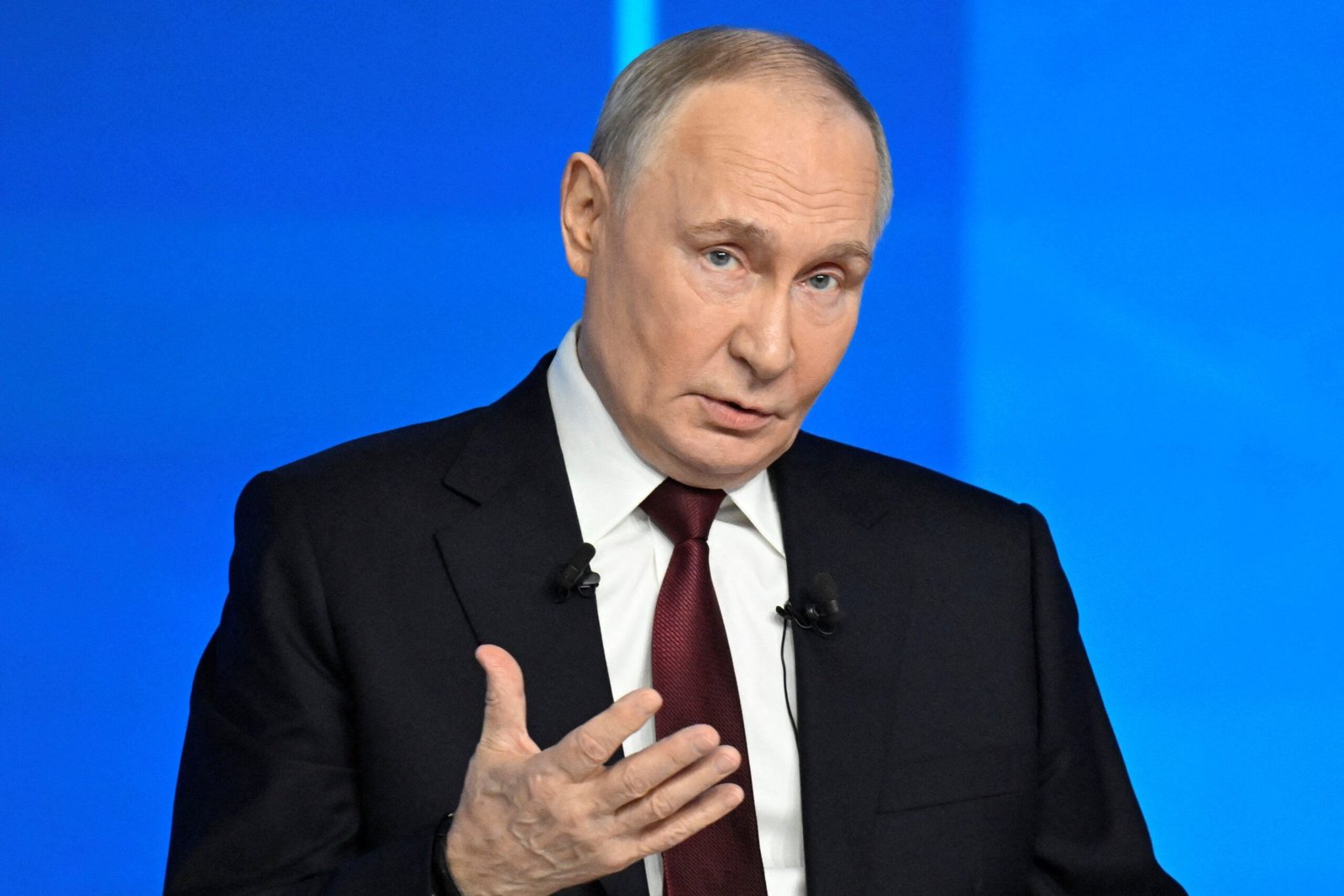
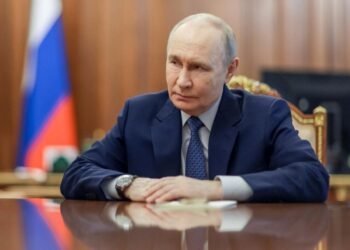
Recent public appearances by Putin have appeared carefully designed to project confidence and normality. In one widely broadcast moment earlier this month, the Russian leader was shown driving through central Moscow and meeting his former schoolteacher in what observers viewed as an attempt to counter narratives portraying him as increasingly isolated or fearful for his security.

Despite such efforts, analysts say the political climate inside Russia is becoming more fragile. Business figures and individuals with links to the Russian establishment reportedly describe a growing sense of uncertainty among elites who once strongly supported the Kremlin. Some insiders claim confidence in long-term stability is weakening as economic and military pressures continue to intensify.
According to sources familiar with Kremlin discussions, Putin remains determined to continue military operations in Ukraine and believes Russian forces can secure further territorial gains in the Donbas region before the end of the year. Officials close to the Russian leadership suggest the president continues to view the conflict primarily through military objectives rather than diplomatic compromise.
Western and Ukrainian intelligence assessments, however, question whether those expectations are realistic. Military analysts argue that battlefield progress remains slower than Russian leadership projections suggest, raising concerns that overly optimistic information may be reaching the Kremlin through senior military channels.
Some intelligence officials believe the Russian system encourages officials to present favourable reports upward through the chain of command, limiting the accuracy of information reaching the president. Analysts say this dynamic has become increasingly pronounced during the war, where political pressure and internal loyalty often discourage negative assessments.
At the same time, the Russian economy is showing signs of sustained strain. Rising inflation, higher taxation, and disruptions linked to wartime controls have reportedly affected businesses and households across the country. Economic uncertainty has become more visible in urban areas, where complaints about rising living costs and declining services are increasingly circulating online.
One particularly controversial issue has been the expansion of internet restrictions and communication controls inside Russia. Authorities have reportedly increased temporary internet shutdowns and tightened oversight of messaging platforms, leading to criticism from both businesses and ordinary citizens. Some observers say the restrictions have damaged commercial activity and heightened frustration among younger and urban populations.
Prominent Russian public figures and commentators have also begun speaking more openly about dissatisfaction with aspects of domestic policy. Although direct criticism of the Kremlin remains highly risky, analysts note that frustration over censorship, economic difficulties and prolonged mobilisation pressures is becoming more visible on Russian social media platforms.
The war in Ukraine has also altered the unwritten political understanding that many Russians accepted during earlier years of Putin’s leadership — namely that citizens could remain largely detached from politics in exchange for relative economic stability. Experts say the combination of conflict-related pressures and declining living conditions is now challenging that balance.
Despite these pressures, most analysts do not believe Putin’s hold on power faces an immediate existential threat. Russia’s security apparatus remains extensive, and the president continues to maintain control over key institutions, including the military, intelligence services and internal security structures.
Speculation about potential challenges from figures inside the Russian establishment has circulated periodically, particularly around former defence officials and powerful security elites. However, most experts consider the possibility of an organised coup highly unlikely in the near term, arguing that fear, surveillance and political dependency continue to discourage open dissent.
Business elites also appear reluctant to publicly challenge the Kremlin, despite growing economic concerns. Many influential figures have remained silent or distanced themselves privately from the war while avoiding direct confrontation with authorities. Analysts say recent investigations, arrests and state interventions targeting major companies have further reinforced caution among Russia’s wealthiest circles.

At the international level, Moscow’s relationship with the United States and Europe continues to evolve as diplomatic efforts to end the war remain stalled. Russian officials reportedly no longer believe that external political developments alone will deliver a favourable settlement, reinforcing the Kremlin’s focus on achieving military objectives on the ground.
Observers say this combination of strategic determination abroad and rising unease at home places Putin in one of the most difficult phases of his long rule. While the Russian state remains firmly under his control, economic pressures, battlefield uncertainty and growing elite dissatisfaction are increasingly shaping the political atmosphere surrounding the Kremlin.
For now, analysts believe Russia’s leadership is focused less on immediate political survival and more on managing gradual deterioration across multiple fronts. Whether that pressure eventually leads to meaningful political change remains uncertain, but many agree that the mood inside Russia has become noticeably more anxious and unpredictable than at any point since the full-scale invasion of Ukraine began.
Related News:
 Trump orders US troop pullout from Germany
 Trump likens US Navy actions to ‘pirates’
 Australia pushes Pacific security pact amid China tension
 Middle East Crisis Escalates as Oil Routes Shake Markets
 Putin Declares Russia Victory at Scaled Victory Day Parade
 Zelenskyy warns over Oreshnik threat as Kyiv hit
 Houthis Strike Saudi Arabia as Middle East Tensions Rise
 Taliban global ties grow as rights fears mount
 Seoul proposes historic peace talks to replace Korean War armistice
 Shock US Raid: Maduro Pleads Not Guilty in Manhattan Court
 Machado Trump medal gesture reshapes Venezuela power struggle
 Trump Receives Machado’s Nobel Medal in White House Meeting
 Iran unrest slows under brutal crackdown and global tensions
 US Considers Asylum for British Jews Amid Rising Antisemitism
 Russia Strikes Kyiv and Kharkiv as Peace Talks Enter Day Two
 Thousands Protest ICE Operations in Nationwide US Day of Action
 Epstein Files Reveal Trump Officials’ Emails with Financier
 Thousands Protest ICE in New York Against Trump Deportation Campaign
 Nine Killed in Karachi Consulate Protest
 UK Prepares Aircraft Carrier for Middle East Crisis
 North Korea Fires Missiles Amid US-South Korea Drills
 Yvette Cooper: UK Must Follow Principles, Not US Pressure
 Trump Faces Crisis as Iran Reopens Hormuz Tensions
 Iran Reimposes Strait of Hormuz Restrictions Amid Tension
 RAF Typhoons scrambled amid Russian drone threat near Nato
 Southeast Asia Turns to Russia Amid Energy Crisis
 US Calls Australia Media Law “Foreign Extortion”
 USS Gerald R Ford Ends Record Naval Deployment
 Oil Prices Surge Above $120 Amid Iran Blockade Fears
 Activists allege abuse after Gaza flotilla seizure
 Ukraine strikes Tuapse as oil disaster worsens
 Global order shifts amid Trump-era turmoil
 Ohio’s Battle for Trust: Democrats Vying to Flip the Buckeye State
 BJP Sweeps West Bengal in Historic Breakthrough
 Indiana Republicans Defy Trump in Key Vote Test
 Tensions Emerge in Netanyahu-Trump Alliance
 US Awaits Iran Reply on New Ceasefire Proposal
 One Nation Stuns Australia With Historic Farrer Win
 Hormuz Talks Near Critical Stage
 UK Pushes for New EU Goods Trade Deal
 Reeves Fights to Keep Treasury Role Amid Labour Turmoil
 Former ICC prosecutor condemns US sanctions
 Trump Claims Iran Peace Deal Near Completion
 Trump’s Iran Legacy Hangs on Tehran Deal
 Millions Gather for Khamenei’s Six-Day State Funeral
 Labour MPs Urge Burnham to Revive UK Aid Target
 Venezuela Quake Death Toll Surpasses 4,000
 Israeli Strike in Southern Lebanon Kills Seven
 Five Years of Taliban Rule Leave Afghanistan in Crisis
 Trump dismisses concerns over 250-day carrier deployment
 BBC to Apologise Over Edited Trump Speech Amid Backlash
 Britain deploys RAF specialists to assist Belgium with drone threats
 Greene Pushes Epstein Files Amid Trump Fallout
 December Run-Off in Chile as Election Produces No Winner
 Shadow Fleet at Sea: Europe’s Battle Against Illicit Oil Shipping
 Georgians Defy Government Crackdown After Year of Protests
 Spoof “Make America Go Away” Caps Rally Denmark Over Greenland
 Pentagon Signals Reduced Role in Deterring North Korea
 UK and US Drop in Global Corruption Index Rankings
 Canberra Poster Seizure Sparks Free Speech Row
 Evo Morales Returns After Mysterious Absence
 Jacinda Ardern Moves To Australia Following Her US Fellowships
 Jacinda Ardern Move Sparks Kiwi Reflection
 Nick Greiner Warns Over Election Review Fallout
 New Zealand Covid Response Praised Despite Lingering Scars
 Injured Mojtaba Khamenei Elevated as Iran Leader
 Gordon Brown urges court for crimes against children
 Pakistan Targets Militant Hideouts in Afghanistan
 Air Canada CEO Faces Outcry Over Recent Language Misstep
 Relationship with Trump may be beyond repair, Starmer warned
 Reform UK Pledges To Halt Visas Over Reparations Demands
 Trump Signals Hope for New Iran Talks as Ceasefire Fades
 Trump Brokers Landmark Lebanon Ceasefire Amid Regional Hopes
 Investigation Into Anti-Trump Motives After Gala Shooting
 Trump Announces 3-Day Russia–Ukraine Ceasefire Deal
 Fear and Betrayal: The Chilling Case of Kouri Richins
 Maldives Cave Diving Tragedy Raises Safety Alarm
 Aukus Deal Facing Fierce Backing and Historic Criticism
 Trump’s Mount Rushmore Speech: A Divisive Anniversary
 Trump Swaps Planes Amid Iran Tensions