
Published: 25 May 2026. The English Chronicle Desk. The English Chronicle Online.
Millions of households across Great Britain are facing an unsettling period of financial anxiety as energy costs threaten to surge once again. Ministers are encountering intense pressure from across the political spectrum to intervene before summer price hikes hit struggling families. Fresh projections indicate that the typical domestic dual-fuel bill could soon spiral toward the painful threshold of nineteen hundred pounds. This looming escalation represents a significant blow to communities already grappling with the prolonged cost of living crisis. Financial experts warn that the impending increases will severely strain ordinary household budgets during the upcoming months. Activists argue that immediate government intervention is absolutely vital to protect the most vulnerable citizens.
The anticipated spike in utility costs is driven primarily by an impending change to the official energy price cap. Analysts project that the regulatory ceiling will climb by nearly thirteen percent during the summer trading period. This adjustment will effectively add over two hundred pounds to the annual bills of average consumers. Such a substantial increase is particularly damaging because it coincides with sustained inflation across other essential sectors. Families are already paying significantly more for their weekly groceries and standard monthly housing costs. The sudden addition of inflated energy bills will undoubtedly stretch household finances to a breaking point. Market observers fear that this shift will trigger a fresh wave of domestic fuel poverty.
The root cause of this domestic economic turbulence lies far beyond the borders of the United Kingdom. Geopolitical instability in the Middle East has severely disrupted international fuel markets over recent months. Specifically, the outbreak of the Iran war caused wholesale gas prices to double earlier this year. This dramatic market shock has rapidly filtered down through the complex supply chains of British utilities. Energy consultancy firms have been tracking these international developments with a growing sense of alarm. They note that global resource competition remains fierce as nations scramble to secure reliable supplies. Consequently, British consumers are directly bearing the financial brunt of these volatile international conflicts.
Market experts at Cornwall Insight have provided detailed analysis of these worrying domestic trends. The consultancy warned that the quarterly price cap will likely remain elevated for some time. Even if current geopolitical tensions ease, market prices are expected to stay above pre-crisis levels. This means that households will remain exposed to high costs well into the winter. The timing is particularly unfortunate as heating demand naturally rises during the colder months. Consumers will have very little opportunity to rebuild their financial reserves before winter arrives. Experts suggest that the era of relatively cheap domestic energy has firmly come to an end.
Craig Lowrey serves as the principal consultant at this respected market analysis firm. He publicly emphasized that the government must prepare for a worst-case economic scenario. Lowrey stated that ministers must think seriously about implementing targeted support very soon. Without a significant drop in autumn prices, vulnerable families will require direct financial aid. He believes that passive reliance on market corrections is an incredibly risky strategy. The consultant urged policymakers to design robust safety nets before the cold weather returns. His warnings reflect a growing consensus among industrial analysts regarding the severity of the situation.
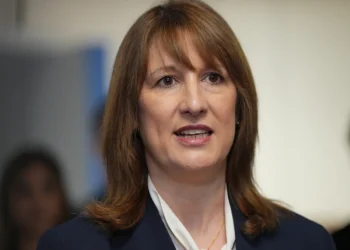
Chancellor Rachel Reeves recently addressed these mounting economic pressures in a public statement. Last week she announced a fresh package of measures designed to ease national living costs. However, this initial policy response noticeably lacked any direct support for domestic energy bills. Reeves informed members of parliament that Treasury officials are currently drafting various contingency plans. These specialized schemes are being designed to mitigate the worst effects of the coming winter. Yet the chancellor explicitly maintained that any future support would be strictly targeted and temporary. This cautious fiscal approach has done little to reassure anxious consumer advocacy groups.
Instead of direct energy subsidies, the Treasury has introduced an alternative financial relief scheme. Officials are calling this new initiative the Great British summer savings campaign. The policy focuses on reducing value added tax for popular family holiday activities. Specifically, parents will pay less for attraction tickets and restaurant children’s meals. This tax relief is scheduled to take effect just before the energy prices rise. Ministers hope these savings will offset the broader financial pressures facing British families. However, critics argue that cheaper entertainment does not solve the fundamental problem of utility affordability.
Campaigners expressed immediate and profound disappointment regarding the chancellor’s recent policy announcement. Many had hoped that predicted price rises would spur the government into bolder action. Simon Francis helps lead the influential Fuel Poverty Action Campaign across the country. He stated that ministers missed a crucial opportunity to demonstrate real leadership on bills. Francis believes the government should move much faster to bring down domestic utility rates. The current political hesitation is causing widespread confusion and distress among ordinary working people. Campaigners are calling for a fundamental overhaul of how domestic energy is subsidized.
The ongoing delay in announcing concrete support is already impacting consumer financial behavior. Francis noted that households paying by direct debit face immediate psychological and practical challenges. Energy suppliers often increase monthly payments in anticipation of higher future winter costs. Therefore, consumers might see their bills rise long before they turn their heating on. This proactive charging method creates immediate cash flow problems for millions of families. The lack of regulatory clarity makes it impossible for citizens to plan their finances. Anxiety is quietly spreading as bill payers await their next monthly bank statements.
The Treasury has strongly defended its current decision to withhold immediate energy market intervention. Officials insist that taking definitive action right now would be premature and fiscally irresponsible. The true scale of winter price increases remains highly uncertain at this current stage. Future market directions depend heavily on complex international diplomatic efforts in the Middle East. Specifically, a potential peace deal between the United States and Iran remains critical. Reopening the vital Strait of Hormuz would instantly stabilize global oil and gas shipments. Until that happens, British officials prefer to maintain a watchful and cautious policy stance.
Exact figures from Cornwall Insight illustrate the precise scale of the upcoming price changes. The unit price of domestic electricity is forecast to reach twenty-six pence per kilowatt hour. Meanwhile, the standard rate for gas will rise to over seven pence per kilowatt hour. These specific metrics mean that actual household bills will vary based on individual consumption. Large families living in poorly insulated homes will inevitably face the highest financial penalties. Conservation alone will not be sufficient to shield consumers from these higher unit rates. The data highlights the structural inequalities built into the current domestic pricing system.
The independent energy regulator, Ofgem, is currently evaluating how it calculates these average caps. Officials are considering reducing the official assumptions regarding typical household energy consumption. If they alter these metrics, the new headline cap might appear deceptively stable. The total figure could look similar to current levels when officially announced this Thursday. However, the underlying unit rates will still be significantly higher for every consumer. Consumer groups worry that this statistical adjustment will mask the true severity of the crisis. It could create a false impression of stability while households continue to suffer financially.
A government spokesperson recently issued an official response regarding these widespread public concerns. The administration acknowledged that families are genuinely worried about international conflict affecting their bills. They reiterated that tackling the overall affordability crisis remains the absolute top political priority. However, the spokesperson emphasized that the ultimate solution lies in permanent structural change. The current crisis proves that the United Kingdom must escape volatile international fossil fuel markets. Ministers remain committed to investing heavily in clean, homegrown power that the nation can control. Until that transition is complete, British citizens remain at the mercy of global events.
Related News:
 Reeves Faces Setback as Labour May Miss Homes Target
 Virgin Trains Moves Closer to Challenging Eurostar Monopoly
 Trump’s UK Ambassador Urges North Sea Drilling to Strengthen US Ties
 Ryanair Chief UK Economy ‘Doomed’ Under Labour
 M&S Profits More Than Halve After Cyber-Attack
 Earl of Yarmouth Faces £1.3m Legal Bill Over Family Estate
 Millionaires group urge Reeves to introduce wealth tax to ‘lift kids out of poverty’
 From Lego to Pokémon: How Adults Are Driving UK Toy Market Growth
 New laws to bolster UK’s defences against cyber attacks on NHS, transport and energy
 Canada Passes Carney’s First Budget in Tight Parliamentary Vote
 Starmer Says Labour’s Economic Plan Needs Years to Deliver
 Virgin Media Fined £23.8m Over Telecare Safety Failures
 Starmer Faces Parliamentary Battles Over UK-EU ‘Reset’ Plan
 Reeves Pub Business Rates U-Turn Calms Labour Revolt
 ScottishPower Tops List of Worst UK Energy Suppliers
 Markets Slide As Gold Rally Signals Risk From Trump Greenland Tariff Plan
 UK Eyes Global Investment with Visa Fee Refunds
 City & Guilds pay surge sparks backlash amid £22m cuts
 UK Inflation Hits 3.4% in December, Ending Five-Month Decline
 Trump Fed bid heads to Supreme Court
 India-EU Free Trade Deal Marks Historic Economic Shift
 Telstra AI jobs cuts as automation drive expands
 BT Names New Openreach Chief Amid Major Fibre Expansion
 UK Banks Plot Payment Backup Amid Trump Fears
 UK Unemployment Rate Climbs to 5.2% Peak
 UK shelves £110m border project amid trade strain
 Aston Martin Cuts 20% Jobs Amid £363m Loss
 Switching Energy Deal Can Save £200 as Price Cap Falls
 Rachel Reeves Faces Middle East Conflict Test
 Grocery Inflation Rises Amid War Fears
 BrewDog sold Highland estate for knockdown price after abandoning reforestation plans
 UK Energy Reform Could Cut Bills by £200
 Rising Costs Force Families to Rethink Days Out
 Oil Slides, Stocks Jump on Trump Peace Signals
 UK inflation held at 3% before global energy price hit
 Ticketmaster Fees Rise Despite Recent US Junk Fee Crackdown
 M&S Demands Urgent Action on Rising Violent Retail Crime
 New Era for Sick Pay as Millions Gain Critical Rights
 Oil Prices Surge as Trump Issues New Deadline to Iran
 US and Iran Agree to Two-Week Provisional Ceasefire
 Stefano Gabbana Resigns as Chair of Italian Luxury Giant
 Rolls-Royce SMR Secures £600m Boost for Nuclear Future
 Aegon Sells Historic UK Arm to Standard Life for £2bn
 Central Bank Chiefs Hold Crisis Simulation in Washington
 UK Staycations Rise as Travel Fears Grow
 Former Brexit Chief Calls for Rejoining the EU
 Albanese Rejects Gas Export Tax Push
 Oil Prices Surge Above $120 Amid Iran Blockade Fears
 Silent Tracks: Rail Line Without Passengers
 Trump approval plunges amid Iran war fears
 Tough Fiscal Realities Await Next Scottish Government
 DeepMind Staff Vote to Unionize Over US Military Contract
 Global Conflict Hits Home As Bullock Warns Of Economic Pain
 STV Election Coverage Disrupted Amid Bitter Pay Dispute
 Aramco Surges as East-West Pipeline Counters Gulf Tensions
 High Stakes in Beijing as Trump and Xi Meet Amid Global Turmoil
 Lotus Boss Pledges Future to Norfolk and Seeks State Support
 Trump and Xi Convene in Beijing for Historic High-Stakes Summit
 High Street Crisis: Fears Grow Over Post Office Closures
 UK Firms Freeze Spending as Iran Conflict Bites
 Rubles and Resilience: How Russia-China Border Towns Thrive
 UK Eases Russian Oil Sanctions as Fuel Costs Soar
 Reeves to Fast-Track Clean Energy Amid Iran Crisis
 Oil Markets Face ‘Red Zone’ Threat Amid Iran Crisis
 Belfast Approves Pilot Extension of Sunday Trading Hours
 Kevin Warsh sworn in as Fed chair amid economic backlash
 Tube Strike Brings Capital to a Standstill Over Shift Disputes
 BP Stands Firm on Amanda Blanc Amid Boardroom Storm
 UK House Prices Drop For Third Month Due To War Fears
 Top Chefs Back Andy Burnham to Save UK Hospitality Sector
 GSK Secures Landmark $10.6bn Deal for Nuvalent
 UK Economy Suffers a Sharp Downturn as Iran Conflict Bites
 AI Scams Push UK Investment Fraud Past £220m
 Rethinking the Blueprint for Youth Employment in Britain
 Sainsbury’s Boss Optimistic As Grocery Inflation Eases
 UK Households Suffer Squeeze As Disposable Incomes Drop
 Record £28m Fine for Virgin Media Over Cancellation Woes
 Ukraine Creates Long-Range Strike Command
 BBC Faces Real Jeopardy as Licence Fee Income Declines
 Thames Water Future Remains Uncertain Amid Funding Crunch