Published: 5 June 2026
The English Chronicle Desk
The English Chronicle Online
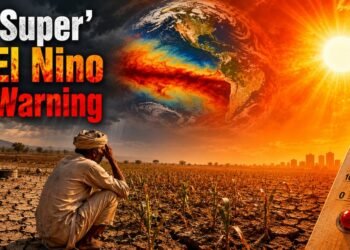
Countries across Asia are preparing for potentially severe impacts from an approaching El Niño weather pattern, with scientists warning of increasingly “unpredictable and extreme” climate conditions.

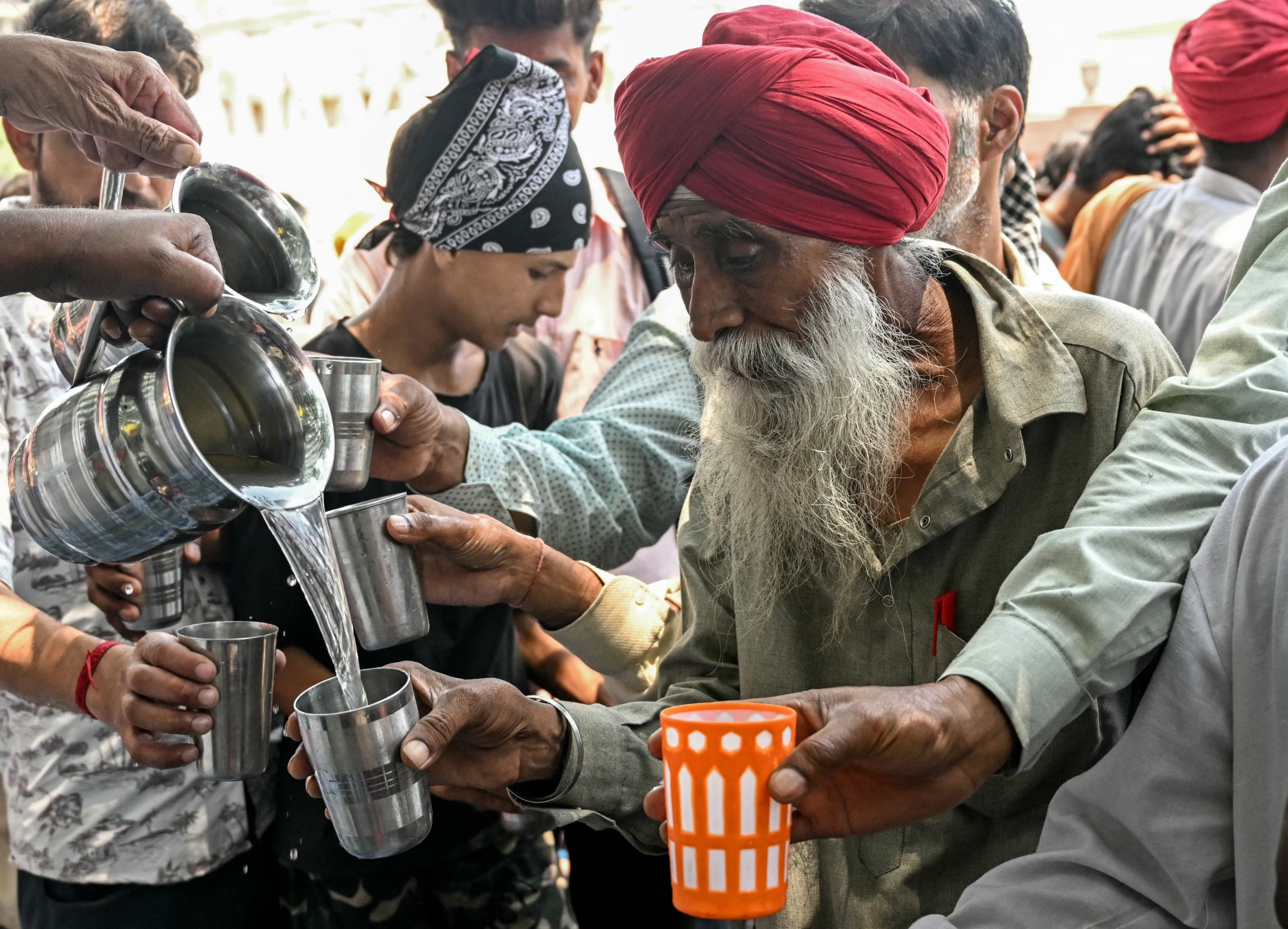
Meteorologists say El Niño can disrupt global weather systems by warming parts of the Pacific Ocean, often triggering droughts, heatwaves, flooding and agricultural instability across large regions of Asia.
Governments and emergency agencies are already strengthening disaster preparedness plans amid fears of water shortages, crop failures and rising energy demand linked to extreme temperatures.
Climate experts warn that the effects of El Niño may become more intense due to broader global warming trends, increasing uncertainty for farmers, businesses and public health systems.
Several Asian countries remain particularly vulnerable because of dependence on seasonal rainfall for agriculture, hydroelectric power and drinking water supplies.
Agricultural analysts say prolonged drought conditions could reduce rice production and threaten food security in parts of South and Southeast Asia.
At the same time, some regions may experience severe storms and flooding as shifting weather patterns create unstable climate conditions.
Health authorities are also monitoring risks associated with heat-related illness, disease outbreaks and worsening air pollution during extended periods of extreme weather.
Economists warn that major climate disruptions could affect food prices, supply chains and economic growth across the region.
El Niño events have historically caused billions of dollars in damage globally through impacts on farming, fisheries, transport and infrastructure.
Environmental researchers stress that improving climate forecasting and early-warning systems will be essential to reducing risks and protecting vulnerable communities.

Governments across Asia are increasingly investing in water management, disaster response and climate adaptation measures as extreme weather events become more frequent.
The latest warnings have renewed international concern about how climate change may intensify natural weather cycles and increase pressure on already vulnerable populations.
Check Out Our Latest News At>>
Related News:
 Global Chicken Consumption Soars, UN Reports
 Japan Braces as Takaichi Begins New Term with Huge Mandate for Low‑Tax, Ultra‑Conservative Agenda
 US and Indonesia Finalise Deal to Cut Tariffs to 19%
 Why Asian Firms Are Not Cheering Trump Tariff Ruling
 Why Asian Firms Are Not Cheering Trump Tariff Ruling
 The Little Town Making Nearly All of China’s Lanterns
 Gulf Oil Shock Sends Global Economic Ripples
 The Situation Is Dire: War on Iran Squeezes India’s Cooking‑Gas Supplies
 Millions Left Without Power as Grid Fails
 ‘No Gas, No Food’: LPG Shortage Triggers Reverse Migration in Indian Metros
 Southeast Asia Turns to Russia Amid Energy Crisis
 Capitalism ‘Suicidal’, Warns Petro at Climate Summit
 Norway Doubles Down on Oil and Gas for Europe Energy Security
 US Awaits Iran Reply on New Ceasefire Proposal
 “A Severe Disconnect”: Starbucks Korea Sacks CEO After ‘Nasty’ Tank Day Promotion Sparks National Outrage
 “The Body Under Siege”: Understanding the Physiological Impact of Extreme Heat
 “The Climate Multiplier”: Assessing the Dual Threat of Disease-Bearing Mosquitoes and Heat-Related Mortality
 Hormuz Talks Near Critical Stage
 China mine blast death toll rises to 90
 Maldives Cave Diving Tragedy Raises Safety Alarm
 Pope Meets Families in Italy Toxic Waste Zone
 Israeli Strikes Kill 11 in Gaza City
 Everest Climber Recalls Guide’s Six-Day Survival
 Xi Jinping to Make Rare North Korea Visit
 Albania Protests Erupt Over Luxury Resort Plan
 Fuel and Supply Crisis Pushes Gaza Toward Collapse
 China’s crackdown on civil servant perks sparks economic concerns
 Costa Blanca Holiday Horror as Food Poisoning Outbreak Hits Four-Star Hotel
 Shein UK Faces Allegations of Shifting Majority of Profits to Singapore to Reduce UK Tax
 Canada Passes Carney’s First Budget in Tight Parliamentary Vote
 UK New Car Discounts Near £6,000 as Prices Are Slashed
 After the Landslide: Can India Reset Ties with BNP Bangladesh?
 Japan’s Lost “Tigers” Were Actually Lions, Study Reveals
 How Do You Modernise Mango Farming? India’s Growers Urged to Innovate as Climate Change Hits
 Live Nation Sees Strong Ticket Sales as Monopoly Lawsuit Looms
 Drugs, Denial, Stigma: Fiji’s HIV Crisis Hits Children
 ‘I Wanted to Save Her Life’ — The Moment Twin Sisters Learned They Were Identical
 Bill Gates ‘Took Responsibility’ Over Epstein Ties in Staff Meeting, Foundation Says
 Limited Flights Leave UAE But Disruption Continues Amid Iran Strikes
 Nepal Holds First General Election Since Gen Z Protests Toppled Government
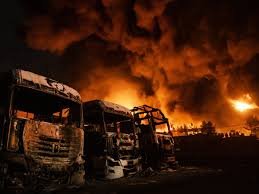 Oil Prices Surge Above $100 Amid Iran War
 Oil Price Jumps Despite Deal to Release Record Amount of Reserves
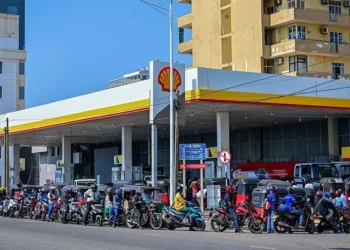 Sri Lanka Sets Weekly Shutdown to Save Fuel
 Charity Watchdog Takes Control of Learning Disability Care Home
 ‘I’m So Ready’: Céline Dion Announces 10-Night Paris Comeback Residency
 Russia: The Unforeseen Winner of the Iran Conflict
 Oil and Diplomacy: Russian Refineries Burn as Zelenskyy Secures Middle East Shield
 Electric Shock: Australians Buy Record Number of New EVs as Fuel Crisis Bites
 War, Windfalls, and the Carbon Trap: The Iran Conflict’s Brutal Energy Math
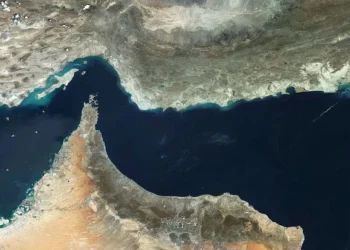 The Great Chokehold: Why the Strait of Hormuz is the Epicenter of the 2026 Crisis
 Moldova River Crisis Exposes War’s Hidden Cost
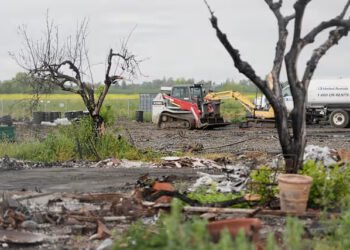 California fireworks blast: murder charges filed in case
 The Waiting Ward: ‘Month of Worry’ as Doctor Strikes Trigger Seismic Surgery Delays
 Policy Stand-Off: Streeting Denies Any ‘System Update’ to Resident Doctor Pay Deal
 Diplomatic Deadlock: Lebanon Enters High-Stakes Border Talks with ‘No Cards to Play’
 Blockbuster Resurrection: Avengers Reassemble and Top Gun Returns as Studios Tease 2026 Slate
 “I was fighting two wars”: Ukraine soldiers’ addiction crisis
 The Fog of War and the Ticker Tape: Suspicious Trades Rile Washington
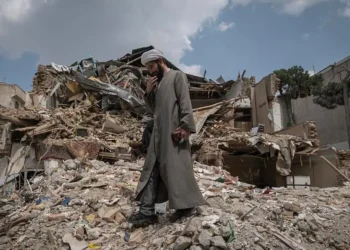 Brinkmanship in Islamabad: Tehran Vows ‘New Battlefield Cards’ as Ceasefire Wanes
 ‘The £100,000 Hammer’: War in Iran Forces UK Businesses to Absorb Historic Fuel Hikes
 ‘A Fragile Calm’: Oil Prices Dip as Trump Extends Iran Ceasefire, But Blockade Holds Firm
 “Industrial-Scale Extraction”: White House Memo Accuses China of Mass AI Theft
 Beyond the Swoosh: Anta Sports Overtakes Rivals to Become Global Top Three
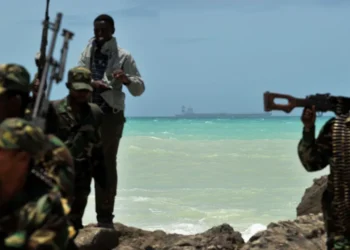 Return of the “Skiffs”: Threat Level Raised as Somali Pirates Seize Second Vessel in a Week
 The “Cancer Commute”: Patient Warns of Breaking Point Over 40-Mile Treatment Trek
 Ukraine Urges UK to Seize Russian Oil Tankers
 The Silent Scythe: How the Iran War is “Starving” Asian Paddy Fields Before the Harvest
 US to Escort Trapped Ships Through the Strait of Hormuz
 Trump Threatens UN Budget Cuts as US Pushes ‘Trade Over Aid’ Agenda
 US Court Restores Abortion Pill Access Temporarily
 “The Swap Shop”: Dr Chris van Tulleken Backs Southampton Teens’ Fight Against ‘The Matrix’ of Ultra-Processed Food
 The Pathogen Protocol”: Third British National Monitored for ‘Nasty’ Suspected Hantavirus
 Crisis in the Canary Islands as Cruise Ship Evacuated
 High Street Crisis: Fears Grow Over Post Office Closures
 “The Invisible Shadow”: Fear Grips Eastern DR Congo as Deadly Bundibugyo Ebola Strain Spreads
 “The Critical Intervention”: Essential Steps for Identifying and Treating Heat-Related Emergencies
 Oil Markets Face ‘Red Zone’ Threat Amid Iran Crisis
 Discontent grows around Putin amid war strain
 UN Issues Urgent Warning: Imminent Return of El Niño
 Trump Approves $700m Coal Industry Investment