
Published: 8 June 2026
The English Chronicle Desk
The English Chronicle Online
A subsidised public transport service has been withdrawn after local authorities failed to secure a successful operator through the tender process, raising concerns over connectivity and access for affected communities.
Officials said no suitable bids were received during the procurement stage, leaving the council unable to continue the service under existing financial and operational conditions.

The route had been supported through public funding to maintain transport links for residents in areas where commercial services were considered financially unviable.
Passengers who relied on the service warned that its removal could create difficulties for commuting, medical appointments, education and access to local businesses.
Transport campaigners said rural and low-demand routes are increasingly vulnerable as operators face rising fuel costs, staff shortages and economic pressure.
Local authorities acknowledged the impact on residents but stated that budget limitations and lack of commercial interest left few alternatives.
Procurement experts note that failed tenders can occur when operating costs exceed available subsidies or when transport companies judge routes to be financially unsustainable.
Community groups have urged councils to explore alternative solutions, including community-run transport schemes and flexible demand-responsive services.
Opposition councillors criticised the situation, arguing that transport accessibility should remain a priority despite financial challenges.
Public transport analysts warned that reductions in subsidised routes risk increasing social isolation, particularly among elderly residents and people without access to private vehicles.
The cancellation reflects wider pressures facing local transport networks across the UK as councils attempt to balance spending constraints with service demand.

Authorities said discussions remain ongoing regarding possible future replacement services or revised transport arrangements.
Residents affected by the change have called for clearer long-term planning to avoid sudden disruptions to essential travel links.
Check Out Our Latest News At>>
Related News:
 Royal Mail Blames Poor Weather and Sickness for Delayed Deliveries
 Fury as Jobless-Migrant Households Receive Benefits Worth £10bn – ‘We Need to End This’
 Courier Firm Bust After 14 Years as Evri Deliveries Face ‘Temporary Disruption’
 Fuel Costs Are Rising — Drivers on the Frontline of the Price Surge
 ‘The Flyover Returns’: A40 Westway Reopens Overnight Following Month-Long Gridlock
 ‘The Tap is Turning’: Stormont Eyes £3bn Windfall Through Water Charges and Rate Hikes
 “Jobs Will Go”: Rishi Sunak Warns AI is Already Eroding Entry-Level Opportunities
 Reform UK funding: mystery billionaire revealed
 “We Are Shielding Them”: UK Families Face £11 Billion Hit as Iran War Bills Surge
 “A Pint-Sized Crisis”: Publicans Warn of Industry ‘Carnage’ as Energy and Tax Hikes Loom
 Reality Check on Reform: Minister Says Outright Abolition of Leasehold “Impossible”
 From “Rockets” to “Feathers”: Why UK Pump Prices Are Stuck in High Gear This May
 The £3,000 License: Learners “Held Hostage” by Cancelled Tests and Shifting Goalposts
 Two Major Torridge Projects Approved
 Chancellor Rachel Reeves Pushes for Sweeping Changes to Environmental Protections to Accelerate Development
 Senior Tories Condemn Badenoch’s Vow to Repeal Climate Change Act as Catastrophic
 Kemi Badenoch Unveils ‘Golden Rule’ to Halve Spending Cuts for Deficit Reduction at Tory Conference
 Trump’s UK Ambassador Urges North Sea Drilling to Strengthen US Ties
 Millionaires group urge Reeves to introduce wealth tax to ‘lift kids out of poverty’
 PM Highlights UK Business at G20 in South Africa
 Starmer Says Labour’s Economic Plan Needs Years to Deliver
 MPs warn AI financial risks threaten UK stability
 MPs warn AI financial risks threaten UK stability
 Could Manchester Lead the UK’s Economic Revival?
 Last‑ditch Call to Save Police Front Counters in London
 Jenrick: I’ll Back OBR but There’ll Be No More Cosy Consensus
 Store at Famous Shopping Village to Close After 18 Years Due to Rising Costs
 Reeves Must Back Defence Plan or Face Dismissal, Says Unite Chief
 Labour’s Employment Shake‑Up ‘Makes Britain Worse Than France’
 Labour Faces Backlash Over Conscription Warning
 Sarah Ferguson Loses Another £1.5m Amid Financial Struggles
 SNP Health Secretary Criticised Over NHS Failures Locally
 UK Fuel Tax Hike Plan to Be Kept Under Review Over Iran Conflict
 Travel Chaos on M8 and M74 Amid 70 mph Gales as Trains Also Cancelled
 ‘Heating Oil Suppliers Are Holding Us to Ransom’ as Prices and Cancellations Surge
 ‘Teenage Me Could Not Have Imagined This’ Says First Female Archbishop
 US Lawmaker Demands Testimony Over Sarah Ferguson’s ‘Close Epstein Ties’
 The Last of the Lords: Two Hereditary Peers to Retain Ceremonial Roles Amid Historic Ousting
 ‘My Daughter is Under the Rubble’: The Human Cost of the Tehran Strikes
 ‘Eye in the Sky’ Blinded: Photos Reveal Destroyed US Radar Jet at Saudi Base
 ‘Full and Immediate Access’: Netanyahu Reverses Palm Sunday Ban on Latin Patriarch
 Starmer Launches Labour Local Election Campaign Under Shadow of ‘Bloodbath’ Predictions
 How the King Became the Jewish Community’s Greatest Ally
 The 8 Million Dilemma: Why Britain’s Disability Safety Net is Facing a ‘2026 Reckoning’
 The ‘Peterborough Windfall’: Council Calculator Finds £84,800 in Unclaimed Support
 British Businesses Braced as National Living Wage Hits £12.71 Published: 1 April 2026
 Debt Relief or Drop in the Ocean? UK Caps Student Loan Interest at 6%
 The $100 Billion Peace: Trump’s ‘Grand Bargain’ Ends Iran Conflict at a Staggering Cost
 The Pre-School Lottery: Families Left in ‘Holding Pattern’ as Local Places Vanish
 Relief at the Pump: Irish PM Unveils €505m Package to Stem Fuel Crisis
 The Price of Help: Fuel Surge Threatens Charitable ‘Power Plant’
 The Waiting Ward: ‘Month of Worry’ as Doctor Strikes Trigger Seismic Surgery Delays
 Policy Stand-Off: Streeting Denies Any ‘System Update’ to Resident Doctor Pay Deal
 Harry and Meghan’s Australia Visit Sparks Debate
 MoD Has Lost Track of Veteran Recall List, Says Adviser
 The 190p Barrier: Why UK Diesel Prices Are Shattering Records (Again)
 ‘The Triple-Shift Generation’: The 20-Somethings Juggling Three Jobs to Stay Afloat
 ‘The £100,000 Hammer’: War in Iran Forces UK Businesses to Absorb Historic Fuel Hikes
 ‘Economic Sandbags’: UK Retailers Activate Price Rise Contingency Plans as Supply Chain Strains Mount
 Human Capital for AI Infrastructure: Meta Cuts 8,000 Staff to Fuel $135bn Bet
 NHS Safety Fears as Nurses Cover Doctor Gaps
 The “Cancer Commute”: Patient Warns of Breaking Point Over 40-Mile Treatment Trek
 Breaking the “Glass Turnstile”: Bradford City Leads Charge for Greater Gender Diversity
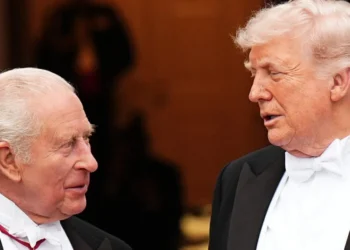 The “Charles Charm” Offensive: Did the Royals Find Their Mojo in D.C.?
 A “Breaking Point” for Britain: Terror Adviser Warns Antisemitism is Now a National Security Emergency
 End of the “Beefeater” Era: Whitbread to Cut 3,800 Jobs in Radical Strategic Reset
 “Adult Trends” for Children: Mum’s Viral Horror at “Sexualised” Swimwear in Major UK Retailer
 The “Dry” Life: Teens Trialing Social Media Bans Call Initial Disconnection “Boring” and “Dry”
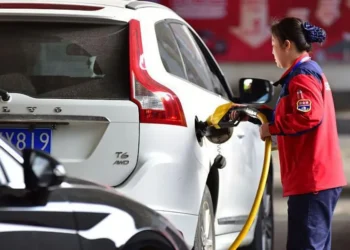 The $126 Spike: Oil Hits Four-Year High as Trump Weighs “Powerful” New Iran Strikes
 “Invisible Agony”: 98-Year-Old Woman Left in “Severe Pain” for Days Amidst Care Backlog
 The “Time Tax” of Memory: Why Dementia Care is the Ultimate Test of UK Resilience
 The “Final Fence”: A Guide to Navigating the 2026 Badminton Horse Trials
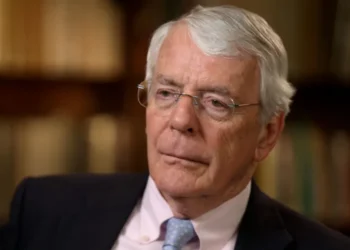 “Not a Game Show”: Sir John Major Slams the “Projected Career” Culture of Modern No. 10
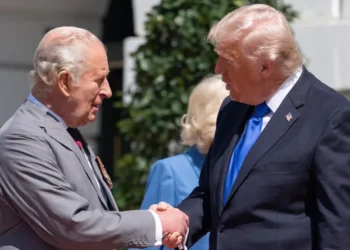 “A Royal Dram”: Trump Scraps Whisky Tariffs in Historic Gesture to Departing King
 BBC News Faces Deep Cuts in 2,000 Job Plan
 Labour Members Turn Against Starmer Leadership
 UK Inflation and Global Conflict Drive Up April Borrowing
 Farage and Reform UK Reshape British Politics
 Starmer Leadership Under Pressure After Setbacks
 Widow Distressed by Nine-Month Delay to Husband’s Pension Payment