Published: 12 June 2026. The English Chronicle Desk. The English Chronicle Online.
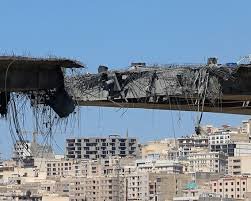
Military strikes that recently damaged two vital water storage facilities in southern Iran may constitute a serious war crime. Military and legal experts reached this conclusion after carefully reviewing media reports and visual evidence of the attack. The strike occurred on 10 June in Bemani, which is a small district located near the strategic Strait of Hormuz.
It remains unclear if the air strikes deliberately targeted the water tanks of the vulnerable coastal district. The alternative explanation is that the operation unintentionally destroyed a key reservoir serving about twenty thousand local residents. If the tanks were the explicit target, then the legal question becomes critical for the international community. Former State Department lawyer Brian Finucane noted that an object is either military or purely civilian in nature. Attacking a military objective is lawful, whereas intentionally attacking a civilian object constitutes a clear war crime.
Iran’s state broadcaster quickly stated that Wednesday’s strikes were carried out directly by the United States military. Independent journalists could not immediately verify if that was indeed the case on the ground. A spokesperson for United States Central Command stated they are aware of reports and are looking into it. Central Command acts as the operating authority for all American military operations across the Middle East region.
The strikes on Bemani may represent an escalating effort to force Iran into a new diplomatic deal. This pressure tactic appears designed to make Tehran accept terms dictated entirely by the American administration. The action effectively breaches a tenuous ceasefire agreement that had been in place since this past April. It also compounds explicit American threats to capture Iranian infrastructure and take control of its oil industry. Donald Trump has warned that Iran will pay the price for stalling these high-stakes negotiations. The American president boasted on Wednesday that his forces hit them hard and would do so again.
Conflicting reports emerged on Thursday about whether the nations involved had reached a final diplomatic deal. Trump stated he was calling off planned strikes in advance of an agreement reached in principle. The president has claimed dozens of times to be close to an agreement ending the war. These claims often surface when Iranian leadership has not actually agreed to any such proposed terms.
The destruction of the Bemani water tanks occurred shortly after an official military announcement on social media. Central Command announced strikes on Iranian air defense and ground control stations near the Strait of Hormuz. The mission was carried out by United States Air Force and Navy fighter jets this week. The White House declined to comment on the matter and referred all questions to Central Command.
This devastating attack on water infrastructure comes amid intense summer heat and a historic regional drought. Iran’s current water crisis has left the country with virtually no margin for error right now. Expert Ali Vaez from the International Crisis Group warned that further disruptions could prove catastrophic. He noted that Tehran would likely endure a deepening thirst rather than satisfy Trump’s political ambitions.
American lawmakers have also raised serious questions about the president’s continued use of military force. They cited the immense risks of an expanded campaign that targets crucial civilian water infrastructure. Senator Tim Kaine of Virginia emphasized that Iran is currently one of the most water-challenged countries. He stated that damages to civilian water access during summer will have the most acute consequences. Whether the strike was a mistake or intentional, the senator stressed this is not a minor matter.
Iran’s semi-official news agency posted photographs of the destroyed water tanks and various munition fragments. Former United States Army technician Trevor Ball identified these fragments as pieces of a specific guided bomb. The GBU-39 is a precision-guided munition produced in America and sold often to Middle Eastern allies. Ball described the damaged water facility as remote and doubted that two buildings were accidentally hit. He argued it was very unlikely both structures were struck if they were not the targets.
Several military analysts and regional experts noted this was the first reported attack on Iranian water infrastructure. Earlier this year, an American strike hit a girls’ school in Minab, killing dozens of students. The children killed in that devastating elementary school attack were aged between seven and twelve years old. The United States military has still not commented on its role in that school tragedy.
Multiple former officials with deep experience in military targeting provided context on standard protocols. They stated that if the military intentionally targeted a water facility, it would be entirely unprecedented. Wes Bryant, who advised the military on force in Iraq and Syria, shared his perspective. He stated that hitting water infrastructure was never on the table in any previous campaign. He previously would have assumed this was a case of misidentification but now feels uncertain.
Brian Finucane, who consulted on use of force issues for multiple American administrations, agreed completely. He stated he does not recall ever seeing the military conduct a deliberate strike this way. It remains unclear to him whether a deliberate strike is truly what took place in Bemani. Before conducting any operation, commanders must evaluate the legality against two very strict and key criteria.
First, military commanders must determine if the potential target is a lawful and valid military objective. Second, the military must determine that the expected harm to civilians would not be excessive overall. This harm is weighed directly against the anticipated military advantage gained from the specific strike. Checking that first box regarding whether it was a lawful military objective remains absolutely critical. If it is not a military objective, the attack is on a civilian object, which is illegal.
Congress voted to constrain American action in Iran on 3 June after intense political debate. The resolution secured four crucial Republican votes to rein in the president’s power to continue conflict. Senator Kaine planned to bring a formal war powers resolution to the Senate very soon. He also intends to demand immediate and clear answers from officials working at the Pentagon.
If the strike on Bemani’s facilities turns out to be intentional, it will affect political support. Kaine stated that such a revelation would absolutely damage Republican backing for this ongoing war effort. The senator noted that the president cares deeply about his own popularity and public standing. A combination of rising gas prices and losing Republican votes would alter the president’s strategic calculations.
While the exact origins of the Bemani strike remain unclear, advanced technology is causing concern. Senator Kaine raised serious questions about the use of artificial intelligence in selecting military targets. He warned that artificial intelligence without appropriate human oversight could lead to truly egregious targeting mistakes. Lawmakers are deeply concerned about the role automated systems played in the prior Minab school strike. They will now raise the same urgent questions regarding this latest water facility strike.
Related News:
 Saudi Officials Report Zubaidi Flee Before Yemen Peace Talks
 UK Targets in New York Bomb Threat Hoax: Man Jailed
 Gambia Supreme Court Hears Case to Overturn FGM Ban
 Trump targets Iran trade with 25% tariff warning
 US Senate rejects resolution limiting Trump military powers
 Gulf states warn Trump Iran strikes risk wider Middle East war
 Machado Trump medal gesture reshapes Venezuela power struggle
 Geopolitical football: Iran, Trump and the World Cup clash
 Canada-China trade gains momentum in new strategic partnership
 Syria President Declares Victory as Ceasefire Reached with SDF
 Shinzo Abe’s killer receives life sentence in Japan
 China General Under Investigation Amid Leadership Purge
 Philippines ferry disaster leaves 15 dead, dozens missing
 Cambridge Faces Scrutiny Over Arms Investment Transparency
 Concerns rise for Canberra boy amid Iran detention fears
 Ukraine Sends Drone Experts to Defend US Bases in Jordan
 Abramovich Chelsea Sale Cash Faces Jersey Probe
 Yvette Cooper: UK Must Follow Principles, Not US Pressure
 Jury Rules Meta and YouTube Liable for Addictive Design
 The Woman Guarding Earth From the Threat of Asteroids
 Exiled Tycoon Warns of New Russian Attacks on UK Soil
 LA 2028: Millions of Affordable Olympic Tickets Announced
 Trump Slams Europe as Transatlantic Tensions Boil Over
 Inside the Deceptive Machine: A Former Producer Speaks Out
 Spain Faces Backlash Over Xenophobic Chants in Egypt Draw
 A Global Voice For Justice: Stephen Lewis Dies At Age 88
 Hope and Fear as Iranians Flee Across the Turkish Border
 Reform UK Pledges To Halt Visas Over Reparations Demands
 US and Iran Agree to Two-Week Provisional Ceasefire
 Starmer visits Gulf as US and Iran agree ceasefire
 Pakistan Brokers Historic Peace Deal Amid Rising Tensions
 UK Holds Firm on Strait of Hormuz Amid Trump Pressure
 Trump Signals Hope for New Iran Talks as Ceasefire Fades
 Reeves Slams Trump Over Iran War Lack Of Exit Plan
 US and Iran Pursue Extension of Ceasefire via Pakistan
 Trump’s Islamabad Gamble: The High Stakes of a New Iran Deal
 The General’s Gambit: Pakistan’s New Role in Global Peace
 Mexico, Spain and Brazil call for Cuba dialogue amid crisis
 Pakistan’s Ambitious Bid for Middle East Peace
 Israeli Soldiers Jailed Over Vandalism of Lebanese Statue
 Trump Weighs Sending Afghan Allies to the Congo
 Trump Threatens UK With Big Tariff Over Tech Tax
 Prominent Voices Challenge Palestine Action Ban
 Security Scrutiny After Washington Shooting Incident
 Merz Criticises US Approach in Iran Conflict
 UK Envoy Sparks Controversy Over Special Relationship Claims
 Ukraine Urges UK to Seize Russian Oil Tankers
 US Calls Australia Media Law “Foreign Extortion”
 The Billionaire’s Secretary and the £1m Fraud
 Ukraine strikes Tuapse as oil disaster worsens
 Brewing Tension: Taiwan Baristas Rebrand for World Stage
 Tensions Emerge in Netanyahu-Trump Alliance
 Mission to the World’s Edge: A Heroic Rescue in Tristan
 US and Mexico Face Heatwave as Floods Batter South Africa
 Mexico’s Missing: State Complicity in a Growing Crisis
 French Patient Told Hantavirus Was Just Anxiety
 The Long Way Home: Australia’s High-Stakes Virus Mission
 Putin Signals War End as Russian Momentum Stalls
 Romania’s Judicial Crisis: A System Under Siege
 Lee Lai Makes History with Landmark Stella Prize Victory
 Philippine Senator Flees After Days Under Senate Siege
 Alberta Separatist Bid Blocked by Canadian Court
 Big Tobacco Under Fire Over Controversial New Ad Campaign
 Bolsonaro Son Tape Scandal Sparks Massive Brazil Backlash
 Court Upholds Landmark Win for Transgender Rights
 Liberal Senator Criticises Immigration Rhetoric
 Senate Moves to Restrict Trump’s War Powers on Iran
 ICC Arrest Warrant Threat Sparks West Bank Retaliation
 Taliban Codifies Strict New Marriage and Divorce Legislation
 Tony Abbott Returns as New Liberal Party President
 Tulsi Gabbard exits after turbulent intelligence tenure
 Discontent grows around Putin amid war strain
 Trump Diplomacy Faces Hurdles from Tehran to Tbilisi
 Trump Faces Legal Blow Over Global Tariffs
 Washington Brokerage Sparking Hope Amid Regional Firestorms
 New York Consumer Watchdog Tackles Corporate Lawbreaking
 Global Tech Giants Face Off Against Australia Over Media Levies
 ANU Reputation Crumbles Under Leadership Woes and Huge Losses
 Ukraine Turning the Tide: Zelenskyy Reclaims the Initiative Against Isolated Russia
 Millions in British Charity Funds Linked to Illegal Settlements