Published: 15 June 2026. The English Chronicle Desk. The English Chronicle Online.
A unexpected diplomatic breakthrough has suddenly altered the geopolitical landscape of the Middle East. Donald Trump and senior officials in Tehran have loudly hailed an immediate end to the war. The American president confidently claimed that oil will soon flow on both ends for the world. This dramatic declaration has sparked a mixture of intense global optimism and deep skepticism.
However, the hours following the announcement have raised more questions than they have answered. The official text of the memorandum of understanding remains entirely unpublished to the public. Critical details about key regional issues are still remarkably scant and heavily debated. Observers are searching for clarity regarding the ultimate fate of several complex theater operations.
The initial euphoria of a peace deal is already meeting harsh diplomatic realities. Donald Trump later gave an exclusive interview to reporters from the New York Times. He explicitly warned that military attacks would swiftly restart under specific conditions. Tehran must reach a comprehensive nuclear agreement during broader negotiations starting this coming Friday.
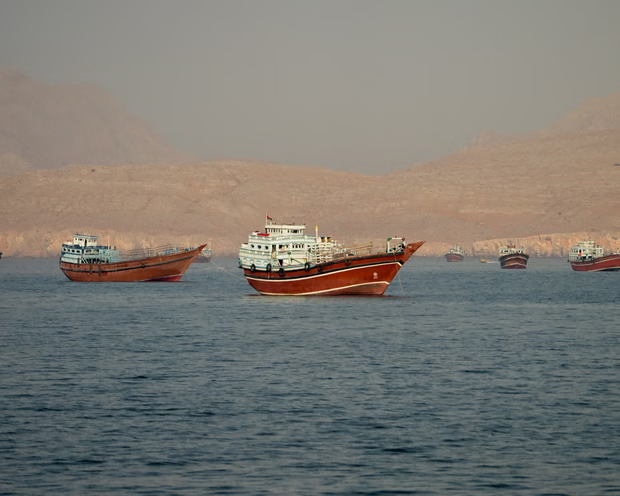
The true substance of this sudden accord remains frustratingly elusive for global leaders. Analysts are closely examining the three most volatile pillars of this fragile truce. The actual status of the vital Strait of Hormuz is currently causing major confusion. Initial statements from Washington suggested a completely unconditional opening of the strategic waterway.
The American president appeared entirely unequivocal during his first social media posts on Sunday. He authorized the immediate removal of the United States naval blockade with grand rhetoric. He urged global shipping companies to start their engines and move the oil. This declaration sent waves of excitement through international energy markets and corporate boardrooms.
Yet the official narrative shifted dramatically within the space of a single hour. The president then clarified that the opening was contingent upon a formal signing ceremony. This event is scheduled for Friday and focuses primarily on complex mine removal operations. Meanwhile, the official mediator of the deal chose a notably different rhetorical approach.
Pakistani Prime Minister Shehbaz Sharif made no mention of the waterway during his speech. State media in Iran reported that the agreement allows thirty days for reopening. Crucially, Tehran expects this process to unfold strictly under its own specific naval arrangements. This condition directly challenges long-standing American policies regarding freedom of international navigation.
Washington has consistently maintained that any tolling arrangements on shipping are entirely unacceptable. The United States previously rejected proposals regarding joint control with neighboring regional powers. The administration insists that nobody is going to control this vital global transit route. European leaders have also rushed to reinforce this strict legal stance on navigation.
The leaders of Britain, France, Germany, and Italy issued a strong joint statement. This European grouping emphasized that the reopening must be unconditional for all global vessels. They demand unrestricted freedom of movement through the passage without any Iranian interference. Despite these deep political contradictions, global oil markets reacted with immediate and dramatic force.
Crude prices tumbled to their lowest levels seen since the early spring months. This sharp decline occurred despite explicit warnings from energy experts regarding infrastructure damage. Restoring full energy production in the Gulf could easily take many months or years. Multiple oil and gas facilities have suffered severe damage from relentless drone strikes.
Furthermore, international maritime insurance companies remain deeply hesitant about the current security situation. Shipping firms must feel completely confident that the passage is safe from hostile actions. The inclusion of Lebanon in the peace deal represents another major diplomatic hurdle. Early ceasefire negotiations almost collapsed over the specific geographic scope of the truce.
Iranian Deputy Foreign Minister Kazem Gharibabadi was very clear about the current agreement. He stated that a permanent end to the war applies to all active fronts. This definition explicitly encompasses the ongoing military operations currently taking place across southern Lebanon. The Pakistani mediator also supported this comprehensive view in his official social media messages.
Sharif confirmed that both nations agreed to a permanent termination of hostilities in Lebanon. In stark contrast, Donald Trump completely ignored Lebanon during his initial public announcements. The American leader focused his public commentary almost exclusively on global energy transport routes. This glaring omission could make the agreement impossible to accept for regional allies.
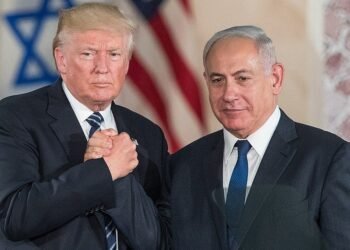
Israel has been entirely excluded from these direct negotiations between Washington and Tehran. The government in Jerusalem did not issue an immediate response to the peace news. Prime Minister Benjamin Netanyahu faces complex domestic political pressures to continue fighting regional proxies. Further unilateral military action by Israel could easily destroy the new Washington accord.
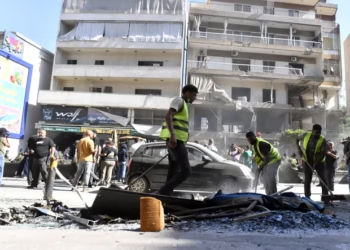
Indeed, the scheduled weekend announcement was severely delayed by a sudden strike on Beirut. An Israeli bombardment destroyed a prominent building in the suburbs of the capital. This specific attack killed three individuals and left six others with serious injuries. Trump confirmed to reporters that the strike delayed the diplomatic signing by several hours.
The American president and Netanyahu have repeatedly clashed over these ongoing military operations. These localized conflicts have regularly ignored previous ceasefire arrangements established by international diplomats. Trump reportedly expressed intense frustration with the Israeli leader during recent private phone calls. He questioned the strategic judgment of his counterpart following the latest round of bombings.
The unresolved nature of Iran’s nuclear program remains the most dangerous threat to peace. The total elimination of this program was the primary justification for the original war. The American president repeated his absolute promise that Tehran will never possess nuclear weapons. However, Pakistani officials suggest that nuclear talks will actually require another sixty days.
The threat of renewed military action hangs heavily over these upcoming diplomatic sessions. The Western coalition has stated a willingness to lift heavy economic sanctions eventually. This relief depends entirely on verifiable steps taken by Iran regarding its reactors. Tehran continues to maintain that its atomic research is intended purely for peaceful energy.
The Iranian government has not committed to surrendering its existing stocks of uranium. Much of this material is buried deep beneath facilities damaged by American airstrikes. Trump faces immense domestic political pressure to deliver a highly restrictive nuclear deal now. He previously withdrew the United States from the historic multilateral agreement signed in fifteen.
That original pact lifted sanctions in exchange for strict caps on atomic development. Iran responded to the American withdrawal by rapidly accelerating its enrichment of raw uranium. The country has now produced a significant amount of highly purified atomic material. The ultimate fate of this stockpile will dominate the broader negotiations this Friday.
Domestic critics are already preparing to scrutinize every detail of the final document. Prominent American senators have promised to watch the upcoming negotiations with extreme vigilance. The success of the deal depends on resolving these deep historical animosities very quickly. The world now watches to see if diplomacy can truly replace dynamic military conflict.
Related News:
 Saudi Officials Report Zubaidi Flee Before Yemen Peace Talks
 UK Targets in New York Bomb Threat Hoax: Man Jailed
 Gambia Supreme Court Hears Case to Overturn FGM Ban
 Trump targets Iran trade with 25% tariff warning
 US Senate rejects resolution limiting Trump military powers
 Gulf states warn Trump Iran strikes risk wider Middle East war
 Machado Trump medal gesture reshapes Venezuela power struggle
 Geopolitical football: Iran, Trump and the World Cup clash
 Canada-China trade gains momentum in new strategic partnership
 Syria President Declares Victory as Ceasefire Reached with SDF
 Shinzo Abe’s killer receives life sentence in Japan
 China General Under Investigation Amid Leadership Purge
 Philippines ferry disaster leaves 15 dead, dozens missing
 Cambridge Faces Scrutiny Over Arms Investment Transparency
 Concerns rise for Canberra boy amid Iran detention fears
 Ukraine Sends Drone Experts to Defend US Bases in Jordan
 Abramovich Chelsea Sale Cash Faces Jersey Probe
 Yvette Cooper: UK Must Follow Principles, Not US Pressure
 Jury Rules Meta and YouTube Liable for Addictive Design
 The Woman Guarding Earth From the Threat of Asteroids
 Exiled Tycoon Warns of New Russian Attacks on UK Soil
 LA 2028: Millions of Affordable Olympic Tickets Announced
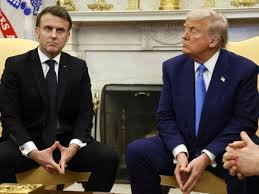 Trump Slams Europe as Transatlantic Tensions Boil Over
 Inside the Deceptive Machine: A Former Producer Speaks Out
 Spain Faces Backlash Over Xenophobic Chants in Egypt Draw
 A Global Voice For Justice: Stephen Lewis Dies At Age 88
 Hope and Fear as Iranians Flee Across the Turkish Border
 Reform UK Pledges To Halt Visas Over Reparations Demands
 US and Iran Agree to Two-Week Provisional Ceasefire
 Starmer visits Gulf as US and Iran agree ceasefire
 Pakistan Brokers Historic Peace Deal Amid Rising Tensions
 Trump Signals Hope for New Iran Talks as Ceasefire Fades
 US and Iran Pursue Extension of Ceasefire via Pakistan
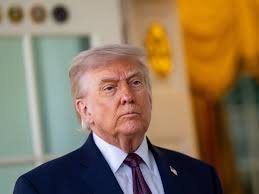 Trump’s Islamabad Gamble: The High Stakes of a New Iran Deal
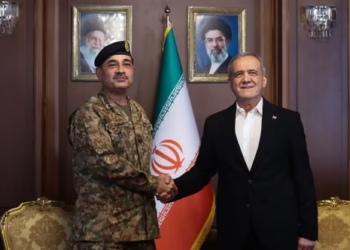 The General’s Gambit: Pakistan’s New Role in Global Peace
 Mexico, Spain and Brazil call for Cuba dialogue amid crisis
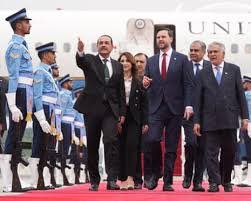 Pakistan’s Ambitious Bid for Middle East Peace
 Israeli Soldiers Jailed Over Vandalism of Lebanese Statue
 Trump Weighs Sending Afghan Allies to the Congo
 Trump Threatens UK With Big Tariff Over Tech Tax
 Prominent Voices Challenge Palestine Action Ban
 Security Scrutiny After Washington Shooting Incident
 Merz Criticises US Approach in Iran Conflict
 UK Envoy Sparks Controversy Over Special Relationship Claims
 Ukraine Urges UK to Seize Russian Oil Tankers
 US Calls Australia Media Law “Foreign Extortion”
 The Billionaire’s Secretary and the £1m Fraud
 Ukraine strikes Tuapse as oil disaster worsens
 Brewing Tension: Taiwan Baristas Rebrand for World Stage
 Tensions Emerge in Netanyahu-Trump Alliance
 Mission to the World’s Edge: A Heroic Rescue in Tristan
 US and Mexico Face Heatwave as Floods Batter South Africa
 Mexico’s Missing: State Complicity in a Growing Crisis
 French Patient Told Hantavirus Was Just Anxiety
 The Long Way Home: Australia’s High-Stakes Virus Mission
 Putin Signals War End as Russian Momentum Stalls
 Romania’s Judicial Crisis: A System Under Siege
 Lee Lai Makes History with Landmark Stella Prize Victory
 Philippine Senator Flees After Days Under Senate Siege
 Alberta Separatist Bid Blocked by Canadian Court
 Big Tobacco Under Fire Over Controversial New Ad Campaign
 Bolsonaro Son Tape Scandal Sparks Massive Brazil Backlash
 Court Upholds Landmark Win for Transgender Rights
 Liberal Senator Criticises Immigration Rhetoric
 Senate Moves to Restrict Trump’s War Powers on Iran
 ICC Arrest Warrant Threat Sparks West Bank Retaliation
 Taliban Codifies Strict New Marriage and Divorce Legislation
 Tony Abbott Returns as New Liberal Party President
 Tulsi Gabbard exits after turbulent intelligence tenure
 Discontent grows around Putin amid war strain
 Trump Diplomacy Faces Hurdles from Tehran to Tbilisi
 Trump Faces Legal Blow Over Global Tariffs
 Washington Brokerage Sparking Hope Amid Regional Firestorms
 New York Consumer Watchdog Tackles Corporate Lawbreaking
 Global Tech Giants Face Off Against Australia Over Media Levies
 ANU Reputation Crumbles Under Leadership Woes and Huge Losses
 Ukraine Turning the Tide: Zelenskyy Reclaims the Initiative Against Isolated Russia
 Millions in British Charity Funds Linked to Illegal Settlements
 Firearm Fine for Missing Boy’s Grandmother
 Historic Peace Deal Reached Between United States and Iran