Published: 7 July 2026 | The English Chronicle Desk | The English Chronicle Online
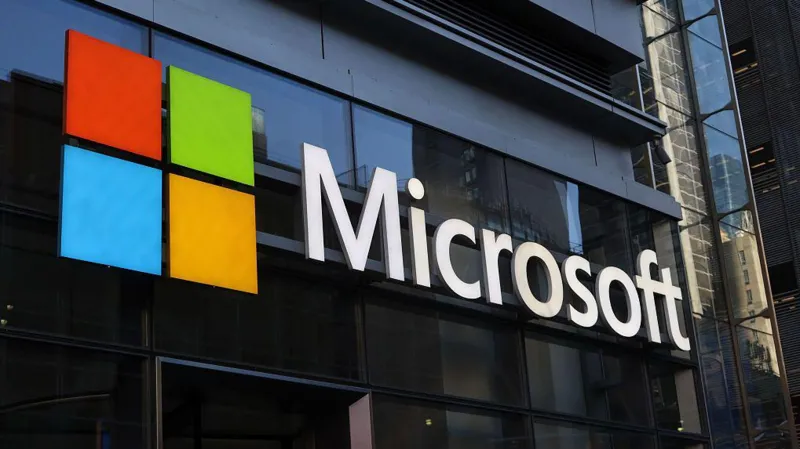
Microsoft has announced a major restructuring programme that will eliminate around 4,800 jobs across the company and lead to significant changes within its Xbox gaming division, marking one of the largest workforce reductions in the technology giant’s recent history.
The cuts are part of a broader effort by Microsoft to reorganise its operations, reduce costs and adjust its gaming strategy following years of rapid expansion. The company said the restructuring would allow it to focus resources on areas with the strongest long-term growth potential, while acknowledging the impact on employees affected by the decision.
The announcement has attracted particular attention because of the changes planned for Xbox, one of the world’s most recognised gaming brands. Microsoft said the division would undergo a “significant restructure” as it adapts to changing conditions in the global gaming industry, including shifting consumer behaviour, rising development costs and increasing competition.
The job reductions will affect employees across multiple parts of Microsoft, although the gaming division is expected to experience some of the most visible changes. The company has not disclosed a complete breakdown of where all affected roles are located, but confirmed that the restructuring would involve teams across different regions and departments.

Microsoft said affected employees would receive support during the transition, including severance packages, assistance finding new roles and other forms of career support where applicable.
The announcement reflects a wider trend across the technology sector, where major companies have been reducing staff after a period of aggressive hiring during the pandemic years.
During the global shift towards remote work and increased digital services, many technology firms expanded rapidly to meet rising demand. However, as market conditions changed, companies began reassessing spending levels and prioritising efficiency.
Microsoft has carried out several rounds of job cuts in recent years, with previous reductions affecting thousands of workers across different divisions. The latest restructuring demonstrates that even one of the world’s most valuable technology companies continues to adjust its operations in response to economic pressures and changing business priorities.
The Xbox changes are particularly significant because Microsoft has invested heavily in gaming over the past decade.
The company has attempted to transform Xbox from a traditional console business into a broader gaming ecosystem that includes consoles, personal computers, cloud gaming services and subscription platforms.
One of its biggest strategic moves was the expansion of Xbox Game Pass, a subscription service that provides access to a large library of games for a monthly fee.
Microsoft has promoted the service as a key part of the future of gaming, allowing players to access games across multiple devices rather than relying solely on individual purchases.
However, the gaming industry has undergone major changes in recent years.
While video games remain one of the world’s largest entertainment markets, companies have faced rising production costs, longer development cycles and increasingly demanding consumer expectations.
Large-budget games can now require hundreds of developers and years of work, creating significant financial risks for publishers.
At the same time, competition has intensified.
Sony’s PlayStation division, Nintendo and major online gaming companies continue to compete for players’ attention, while mobile gaming and free-to-play titles have changed how audiences consume games.
Microsoft’s decision to restructure Xbox reflects an attempt to balance investment with profitability in a highly competitive environment.
The company has made several major acquisitions in the gaming industry, including the purchase of Activision Blizzard, one of the largest deals ever completed in the sector.
The acquisition brought major franchises under Microsoft’s ownership and was intended to strengthen Xbox’s position in global gaming.
However, integrating large companies and managing extensive gaming portfolios also creates challenges.
Microsoft has faced pressure to demonstrate that its gaming investments can deliver sustainable growth while maintaining profitability.
The restructuring suggests the company is seeking a more focused approach.
Industry analysts say Microsoft may be placing greater emphasis on efficiency, digital distribution and expanding access to games across platforms rather than relying only on traditional console sales.
This strategy represents a significant change from the historic console rivalry between Xbox and PlayStation.
Instead of competing solely through hardware sales, Microsoft has increasingly positioned Xbox as a service and platform available across multiple devices.
The company has already released some Xbox titles on competing platforms, signalling a willingness to move beyond traditional boundaries in the gaming market.
The restructuring may accelerate that approach as Microsoft evaluates how best to reach the largest possible audience.
Despite the cuts, Microsoft has insisted that gaming remains a core part of its business strategy.
The company has continued investing in major game releases, cloud technology and artificial intelligence tools designed to improve development processes and player experiences.
Microsoft executives have previously described gaming as a key entertainment market with significant long-term potential.
However, the latest workforce reduction highlights the difficult decisions involved in maintaining growth within a rapidly changing industry.
For employees affected by the cuts, the announcement represents a significant personal and professional challenge.
Gaming development teams often include highly specialised workers such as programmers, artists, designers, producers and engineers whose roles require years of experience.
Industry groups have expressed concern about the impact of repeated layoffs on creative workers and the broader gaming workforce.
Some developers have warned that frequent restructuring can create uncertainty and affect morale within studios.
Others argue that adjustments are unavoidable as companies respond to market realities and changing consumer demand.
Microsoft has not indicated that the restructuring will result in the cancellation of all major gaming projects, but the changes are expected to influence how teams are organised and how future titles are developed.
The company will likely prioritise projects with strong commercial potential while reviewing spending on less profitable areas.
The move comes at a time when artificial intelligence is also reshaping the technology and gaming sectors.
Microsoft has invested heavily in AI through partnerships and internal development, with the company exploring how AI tools could support software development, gaming experiences and productivity services.
Like many technology firms, Microsoft is attempting to position itself at the forefront of emerging technologies while managing costs in existing businesses.

The restructuring of Xbox demonstrates the challenge facing major gaming companies: maintaining innovation while controlling expenses.
As the industry matures, success increasingly depends not only on creating popular games but also on building sustainable business models.
For Microsoft, the latest changes represent a significant adjustment in its gaming ambitions.
The company remains committed to Xbox, but the future direction appears focused on efficiency, wider accessibility and carefully targeted investment.
The coming years will reveal whether the restructuring helps Microsoft strengthen its position in gaming or signals a deeper transformation of one of the world’s most influential entertainment brands.
Related News:
 Jack Dorsey’s Block Cuts Thousands of Jobs as It Embraces AI
 India’s $300bn Outsourcing Industry Faces AI Test
 China’s Tech Giants Race to Hong Kong as Global “Staging Post”
 China’s AI ‘Lobster’ Craze Signals Bigger Ambitions
 China and the US: The Divergent Fronts of the Global AI Superpower Race
 The Silicon Emerald: How Irish Engineers are Cashing In on the AI Boom
 Reform UK funding: mystery billionaire revealed
 UK firms accused of ‘AI washing’ boom
 AI May Soon Start Conversations on Dating Apps
 Zuckerberg Veteran Speaks on AI and Future Jobs
 Majority of New US AI Data Centres Planned for Drought-Prone Regions, Report Warns
 How to Exit Your Broadband Contract Without Paying Exit Fees
 Ed Davey Urges Government to Block Elon Musk’s Tesla from Supplying UK Home Energy
 Merck Abandons £1bn London Research Hub and Cuts 125 Jobs in Blow to UK Life Sciences
 UK and US Forge Landmark Deals to Build Modular Nuclear Reactors Across Britain
 Big Pharma Investment Freeze Puts UK Life Sciences Sector Under Strain
 UK Could Generate Nearly £2bn Annually by Taxing SUVs, New Study Reveals
 Jaguar Land Rover Extends Production Halt Following Cyber-Attack
 British AI Startup Outshines Human Forecasters in Global Prediction Contest
 Royal Mail Owner Acquires Stake in Collect+ and Launches High Street Rebrand
 Virgin Trains Moves Closer to Challenging Eurostar Monopoly
 New laws to bolster UK’s defences against cyber attacks on NHS, transport and energy
 UK Taskforce Unveils Plan to Streamline Nuclear Reactor Rules
 MPs warn AI financial risks threaten UK stability
 MPs warn AI financial risks threaten UK stability
 Amazon mistakenly signals new global layoffs to employees
 UK New Car Discounts Near £6,000 as Prices Are Slashed
 BT Names New Openreach Chief Amid Major Fibre Expansion
 AI fears hit UK wealth and comparison sites
 The Chinese AI App Sending Hollywood Into a Panic
 AI Coding Firm’s ‘Pride’ at Business Award Win
 Anthropic Boss Rejects Pentagon Demand to Drop AI Safeguards
 Burger King Rolls Out AI Headsets to Track Employee ‘Friendliness’
 Boy George Says He’s Using ChatGPT to Help Write New Songs
 Revealed: UK AI Push Faces Phantom Investment Claims
 Tesla Enters British Energy Market Following Ofgem Approval
 UK Pushes NHS and MoD to Buy British Tech
 UK Watchdog Probes Five Firms Over Fake Review Failings
 Councils Pressed to Use Universal Parking App to Cut ‘Unfair’ Fines
 One Ant for $220: The New Frontier of Wildlife Trafficking
 Jim Ratcliffe’s £3.5bn Chemical Plant Delayed with Parts Stranded in the Gulf
 The “Trap” Is Closing: New Global Laws Target Subscription Loops
 The $11k Ticket: High Stakes and Dynamic Pricing in FIFA’s First Open Sale
 New Gmail Feature Ends Era of Embarrassing Email Names
 Apple at 50: Three Products That Changed How We Live
 Electric Shock: Australians Buy Record Number of New EVs as Fuel Crisis Bites
 War, Windfalls, and the Carbon Trap: The Iran Conflict’s Brutal Energy Math
 The Great Chokehold: Why the Strait of Hormuz is the Epicenter of the 2026 Crisis
 The Silent Lifeline: Why the 2026 Digital Switchover has Millions Saying, ‘I Didn’t Realise How Much I Needed My Landline’
 Heavier SUVs Accelerate Britain’s Pothole Crisis
 The Outback Squeeze: ‘Out of Control’ Diesel Prices Threaten Australia’s Freight Arteries
 The Pouch Peril: Dental Experts Probe the ‘Seismic’ Impact of Nicotine Pouches on Oral Health
 ‘The End of the Quiet Era’: Japan Relaxes Arms Export Rules in Historic Pivot From Pacifism
 Rations and Rides: Global Responses to the 2026 Fuel Crisis
 ‘Maritime Drones and Steel’: £50m Defence Deals Set to Spark Job Boom in Plymouth and South Yorkshire
 The Next Chapter: Apple’s Future Under the Stewardship of John Ternus
 Human Capital for AI Infrastructure: Meta Cuts 8,000 Staff to Fuel $135bn Bet
 The $111 Billion Handshake: Warner Bros. Shareholders Greenlight Paramount Merger
 Beyond the Swoosh: Anta Sports Overtakes Rivals to Become Global Top Three
 Disneyland Adds Facial Recognition at Entrances
 Inside the World of AI Jailbreakers
 “Grounded”: Beijing Implements Total Ban on Drone Sales Citing Capital Security
 Vodafone Seeks Full Control of UK Mobile in £4.3bn Deal
 “Precision Over Personnel”: Robots Move In as Waste Firms Battle 40% Staff Turnover
 “Taxing the Silicon”: Tech CEO Proposes ‘Minimum Wage for Robots’ to Combat AI Displacement
 “The Oakland Showdown”: OpenAI President Testifies Musk Physically Threatened Him in 2017
 A Massive Legal Triumph Reshapes the Future of AI
 AI-Designed Vaccine Marks Global Breakthrough
 Spielberg Says Humans May Find Aliens Soon
 Can Ordinary Investors Buy SpaceX Shares?
 “I Applied for Hundreds of Jobs” — The Advice That Finally Worked
 Gamers Push Back Against Industry Over Shutdown of Online Games
 Airline Leaders Warn 2050 Net Zero Target May No Longer Be Achievable
 Silicon Valley Shifts Politically Rightward, Says Nick Clegg
 Rise of Military AI Sparks Questions Over Future Use of Humanoid Robots in Combat
 SpaceX Market “Blast-Off” Could Mark Elon Musk’s Biggest Financial Gamble Yet
 World’s Largest Chipmaker Signals Possible Price Increases Amid Rising Costs
 SpaceX Prepares for Historic Valuation Launch
 Silicon Valley Shifts South as AI Boom Transforms City Housing
 Trump Faces Backlash Over $2bn Earnings Since Return