Published: 09 July 2026. The English Chronicle Desk. The English Chronicle Online.
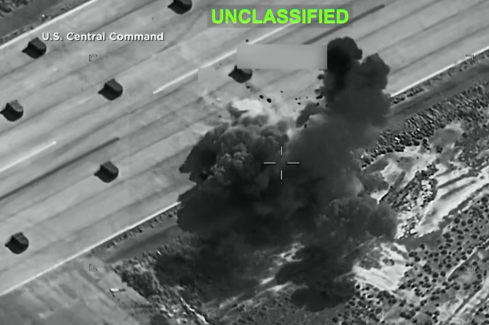
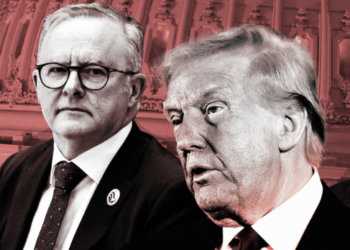
The drums of war are sounding once more in the Middle East today. Following a brief ceasefire, Donald Trump has plunged into a new phase of intense bombing in Iran. The United States military claims to have struck over 170 separate Iranian targets during the last 48 hours. This aggressive military surge comes as no surprise to those monitoring the escalating regional tensions this week. Speaking at the Nato summit held in Ankara, Donald Trump declared the US-Iran memorandum of understanding effectively dead. He characterized Iranian leaders as evil and sick, while threatening further military action or a blockade of ports. Despite this bellicose rhetoric, the President left the door open for potential future negotiations with the regime.
These harsh remarks followed fresh US strikes launched on southern Iran after Tehran targeted commercial vessels in the Hormuz Strait. The Iranian attacks occurred outside the specific shipping corridor designated by the international community for safe passage. Late on Wednesday, new explosions were reported across three additional locations within Iranian borders as the conflict intensifies. Conflict will undoubtedly escalate from here as both nations engage in this dangerous game of direct military retaliation. On the platform Truth Social, the US president confirmed this was retribution for the recent Iranian maritime aggression. He warned that if such attacks happen again, the consequences for Iran will be significantly worse than today.
The collapse of this memorandum did not begin this week but has been unravelling since the very beginning. The central problem haunting US-Iran diplomacy for decades remains the total lack of a credible basis for mutual trust. Tehran had little reason to believe Washington would ever deliver durable sanctions relief or abandon its long-term strategy of coercion. They feared a return to the same policies of regime change once Iran had surrendered its principal sources of geopolitical leverage. This is precisely why the struggle over the Strait of Hormuz has become the defining issue of the entire failed memorandum. On paper, the agreement once offered a clear and logical pathway toward de-escalation for both of these bitter rivals.
Its logic was sequential, suggesting that shipping through the strait would resume under agreed Iranian arrangements, while the US would lift its blockade. Tehran was expected to receive oil waivers and access to portions of its frozen assets in exchange for ending regional threats. These steps were meant to create a minimum basis of confidence after the war, eventually opening the door to nuclear negotiations. But that entire logic depended on a fragile assumption that both Washington and Tehran would treat partial implementation as a bridge. Instead, each side viewed the process as an opportunity to preserve leverage while testing the resolve of the other party. In practice, neither side came to believe that the other was actually honouring the commitments that mattered most to them.
From the perspective of Tehran, Washington began violating key provisions of the deal almost immediately after it was signed. The memorandum’s first clause called for an end to the war in Lebanon, which was never truly fulfilled by the Americans. Israeli forces continued operations and maintained a significant presence in parts of the country, further inflaming the regional tensions. The United States also reportedly resisted releasing the frozen assets on the scale that Tehran had initially expected to receive. Trump continued issuing military threats, including publicly threatening to kidnap Iranian negotiators during the first round of sensitive talks in Switzerland.
Then, on 7 July, the US revoked Iran’s oil export waiver as Tehran was trying to consolidate control over shipping through the Hormuz route. They were not attempting to permanently close the strait, but rather force vessels to transit through their own designated northern path instead. Each side concluded that the other was pocketing concessions while withholding its own, leading to a complete breakdown of diplomatic channels. Yet this mutual distrust is not simply a product of recent events but reflects decades of failed diplomacy between these two powers. Iranian policymakers have seen sanctions repeatedly imposed, partially lifted, and then reimposed across many successive US administrations over the long term.
From Tehran’s perspective, the central question is whether any US president can offer sanctions relief and make that relief actually durable. Much of the US sanctions architecture is embedded in congressional legislation, leaving presidents to rely on renewable waivers that can be revoked easily. Businesses and investors understand that reality, which is why even after the 2015 nuclear deal, sanctions relief failed to produce needed economic stability. The larger consequence is that Washington has steadily eroded the credibility of sanctions relief itself as a tool for change. If economic relief is viewed as temporary and reversible, it loses much of its value as an incentive for lasting policy shifts.
Tehran has drawn a stark conclusion: promises of future sanctions relief are simply too fragile to build the country’s long-term economic development upon. That leverage is arguably even more consequential today than it was before the war broke out across the region last year. US strategic petroleum reserves remain substantially depleted, while global oil inventories remain tight as shipping through the strait continues to hover below prewar levels. The result is far less of a cushion to absorb a prolonged disruption of the strait, increasing the risk of a much larger global energy shock. Unlike trading away its nuclear programme for temporary relief, the strait offers Tehran something fundamentally different: a guarantee that rests entirely in its own hands.
By routing commercial traffic through its designated corridor and potentially establishing a joint administration with maritime neighbours, Iran would tie its own prosperity to the global economy. Future US presidents could still abandon diplomacy, and Congress could still tighten sanctions, but doing so would no longer be economically cost-free for the West. This reflects a broader evolution in the strategic thinking of the leadership in Tehran regarding how they maintain power. Iran today possesses three principal forms of leverage against the US and Israel, which they utilize in this ongoing regional struggle. The first is its military capabilities and regional alliance network, including its vast missile and drone forces and many various armed proxy groups.
These can impose significant military costs, but even battlefield successes are unlikely to fundamentally alter the balance against the combined power of the US and Israel. The second is its nuclear programme, long Tehran’s principal bargaining chip with Washington, which still leaves Iran with important options should it decide to dash for the bomb. Increasingly, however, it is the third source of leverage, control over strategic energy chokepoints, that has become the most indispensable factor for their survival. That shift carries an important lesson for Washington that cannot be ignored if they wish to resolve this conflict without further war. The question is not simply whether Iran is prepared to negotiate, but whether the US can offer an arrangement that Tehran believes will actually endure.
The memorandum never answered that critical question, as it rested on assurances that Iranian leaders regarded as completely reversible. It asked them to dilute one of the few forms of leverage they considered durable for their national security and future existence. That does not make diplomacy impossible, but it does mean that agreements built mainly on promises of future sanctions relief are unlikely to survive. If Washington fails to grasp how profoundly the war has reshaped the strategic calculus of Tehran, it will keep negotiating against assumptions that no longer exist. They will continue producing agreements that neither side truly believes the other will honour, leading only to further cycles of violence and regional instability.
Related News:
 Saudi Officials Report Zubaidi Flee Before Yemen Peace Talks
 UK Targets in New York Bomb Threat Hoax: Man Jailed
 Gambia Supreme Court Hears Case to Overturn FGM Ban
 Trump targets Iran trade with 25% tariff warning
 US Senate rejects resolution limiting Trump military powers
 Gulf states warn Trump Iran strikes risk wider Middle East war
 Machado Trump medal gesture reshapes Venezuela power struggle
 Geopolitical football: Iran, Trump and the World Cup clash
 Shinzo Abe’s killer receives life sentence in Japan
 China General Under Investigation Amid Leadership Purge
 Philippines ferry disaster leaves 15 dead, dozens missing
 Cambridge Faces Scrutiny Over Arms Investment Transparency
 Concerns rise for Canberra boy amid Iran detention fears
 Ukraine Sends Drone Experts to Defend US Bases in Jordan
 Abramovich Chelsea Sale Cash Faces Jersey Probe
 Yvette Cooper: UK Must Follow Principles, Not US Pressure
 Jury Rules Meta and YouTube Liable for Addictive Design
 The Woman Guarding Earth From the Threat of Asteroids
 Exiled Tycoon Warns of New Russian Attacks on UK Soil
 LA 2028: Millions of Affordable Olympic Tickets Announced
 Trump Slams Europe as Transatlantic Tensions Boil Over
 Inside the Deceptive Machine: A Former Producer Speaks Out
 Spain Faces Backlash Over Xenophobic Chants in Egypt Draw
 A Global Voice For Justice: Stephen Lewis Dies At Age 88
 Hope and Fear as Iranians Flee Across the Turkish Border
 Reform UK Pledges To Halt Visas Over Reparations Demands
 US and Iran Agree to Two-Week Provisional Ceasefire
 Starmer visits Gulf as US and Iran agree ceasefire
 Pakistan Brokers Historic Peace Deal Amid Rising Tensions
 Trump Signals Hope for New Iran Talks as Ceasefire Fades
 US and Iran Pursue Extension of Ceasefire via Pakistan
 The General’s Gambit: Pakistan’s New Role in Global Peace
 Mexico, Spain and Brazil call for Cuba dialogue amid crisis
 Pakistan’s Ambitious Bid for Middle East Peace
 Israeli Soldiers Jailed Over Vandalism of Lebanese Statue
 Trump Weighs Sending Afghan Allies to the Congo
 Prominent Voices Challenge Palestine Action Ban
 Merz Criticises US Approach in Iran Conflict
 UK Envoy Sparks Controversy Over Special Relationship Claims
 Ukraine Urges UK to Seize Russian Oil Tankers
 The Billionaire’s Secretary and the £1m Fraud
 Ukraine strikes Tuapse as oil disaster worsens
 Mission to the World’s Edge: A Heroic Rescue in Tristan
 US and Mexico Face Heatwave as Floods Batter South Africa
 French Patient Told Hantavirus Was Just Anxiety
 Putin Signals War End as Russian Momentum Stalls
 Romania’s Judicial Crisis: A System Under Siege
 Philippine Senator Flees After Days Under Senate Siege
 Alberta Separatist Bid Blocked by Canadian Court
 Big Tobacco Under Fire Over Controversial New Ad Campaign
 Court Upholds Landmark Win for Transgender Rights
 Liberal Senator Criticises Immigration Rhetoric
 Senate Moves to Restrict Trump’s War Powers on Iran
 ICC Arrest Warrant Threat Sparks West Bank Retaliation
 Tony Abbott Returns as New Liberal Party President
 Discontent grows around Putin amid war strain
 Trump Diplomacy Faces Hurdles from Tehran to Tbilisi
 Trump Faces Legal Blow Over Global Tariffs
 Washington Brokerage Sparking Hope Amid Regional Firestorms
 New York Consumer Watchdog Tackles Corporate Lawbreaking
 Global Tech Giants Face Off Against Australia Over Media Levies
 Ukraine Turning the Tide: Zelenskyy Reclaims the Initiative Against Isolated Russia
 Millions in British Charity Funds Linked to Illegal Settlements
 Firearm Fine for Missing Boy’s Grandmother
 Historic Peace Deal Reached Between United States and Iran
 A New Era of Diplomacy Sparks Confusion on the World Stage
 AI to Help Botanists Win the Critical Race Against Extinction
 Battle for Washington: Mayoral Race Braces for Trump
 Tuchel’s England Mission Goes Beyond Football Success
 Historic Victory for Canada as They Defeat Nine-Man Qatar
 Trump’s Iran Legacy Hangs on Tehran Deal
 What Burnham in Number 10 Means for the Future of Britain
 Canada Secure Historic Last 16 Spot with Late Goal
 White House Moves to Limit Public Voice on Fossil Fuels
 Paraguay Shock Germany in Historic Penalty Shootout
 Haaland Heroics Send Norway Into Historic Last 16 Knockout
 Iran Prepares for Massive Funeral for Supreme Leader
 China’s Pacific Missile Test Sparks Regional Alarm
 Belgium Thrashes USA After Red Card Controversy
 UK Charity Funds Illegal Hebron Settlement Expansion