Published: 10 July 2026. The English Chronicle Desk. The English Chronicle Online.
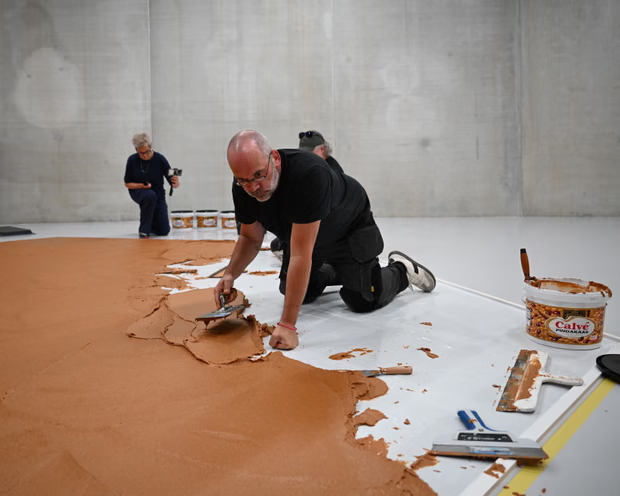
A museum in Rotterdam has paid tribute to the character of a late artist. This unique tribute involves spreading eight hundred pounds of peanut butter across a floor. The gallery space is now transformed into a massive, sticky, and beige landscape. This unusual installation is called the Pindakaasvloer, or the legendary peanut butter floor. It serves as a recreation of a work created by Wim T Schippers. The visionary artist first conceived this specific idea back in the year 1962. It was originally exhibited to the curious public for the first time in 1969. The piece is now displayed with detailed instructions left behind by the artist. Schippers sadly passed away just last month at the age of eighty-three years. His specific instructions remain very clear for the curators to follow at all times. They must apply exactly fifteen kilograms of smooth peanut butter per square metre. The spread must be applied as smoothly and monotonously as possible for visitors. The instructions also note that no one should stand or lie upon it. The piece should not be approached with any specific or heavy educational purpose.
Sandra Kisters serves as the acting director of the Museum Boijmans van Beuningen. She noted that this floor installation still raises many questions for the public. People often wonder if this is actually art or just a strange prank. She asks if visitors are allowed to enjoy such a bizarre artistic statement. It is this specific sense of bewilderment that makes the piece so special. The museum regards it as a great honour to present this unique artwork. They are presenting it now in his memory to all who visit them. Willem Theodoor Schippers was born in the northern Dutch city of Groningen long ago. He became a unique figure in the cultural life of the Netherlands overall. His dadaist mischief and deep love of the absurd were quite widely felt. His influence proved significant far beyond the refined world of traditional art galleries.
During the early 1960s, he co-founded the famous A-dynamische group art collective. This group railed against commercialisation, excessive seriousness, and boredom within the art world. Their stunts were legendary and included shaving cactuses for a very strange display. They also filled various gallery rooms with sharp shards of glass or salt. Food became a very popular medium for his weird and wonderful creative expressions. As well as spreading peanut butter, he upholstered a chair with canned noodles. He also famously covered a small table in thousands of dried green peas. From the late sixties, he branched out into the world of television broadcasting. His music show titled Hoepla was discontinued after a very controversial episode. It featured the first completely naked woman on live Dutch national television broadcast. He later conceived of the famous cult comedy character called Sjef van Oekel. This character was a Belgian frites salesman who always wore a stiff tuxedo. The role was played by the comedian and opera singer named Dolf Brouwers.
To most Dutch people, Schippers is known as the voice of television characters. He provided the iconic voices for Ernie, Kermit the Frog, and Count von Count. These were characters on the Netherlands version of the famous Sesame Street show. Many experts compare his status and influence to the famous British Monty Python. Kisters remarked that he believed life and art were always entirely serious matters. At the same time, he believed they were also entirely non-serious in nature. He continued to make conceptual art until his final days this past June. For his gravity-defying 1999 work, he used magnets for a strange display. He made a large heavy stone float above a pedestal using strong electromagnets.
The Media Park in Hilversum continues to showcase his four-metre high sculpture now. This represents a large pile of excrement and is entitled Unauthorised Parking. It was first unveiled to the public eye back in the year 2011. In April of this year, he told the media about his final project. He was working on his last artwork which would be titled Wim is Gone. He said he kept putting it off because he feared he would die. The peanut butter floor has been installed many times in Dutch art museums. When it was showcased at the Centraal Museum, it was vandalised by children. They covered it with chocolate sprinkles and slices of bread for a snack. They were recreating a very popular Dutch childhood treat in that museum space. Schippers was reportedly not dissatisfied with the chaotic result of that strange event.
When the floor was last in place in 2011, it faced some damage. An inattentive visitor walked over the surface and slipped on the sticky installation. Visitors then submitted over six hundred questions about the work to the artist. He personally answered every single one of those questions in his own writing. The work will be shown at the museum until the sixth of September. The museum restaurant will have a peanut butter sandwich on its menu daily. There are optional additions of cheese and a spicy sambal relish available. Kisters said the museum shop would also sell jars of smooth peanut butter. This is so that visitors can make their own art at home easily. The museum continues to celebrate a man who changed the Dutch landscape forever. His work remains a testament to the power of the absurd in life. Everyone is invited to experience the sticky legacy he left for the world.
Related News:
 The Burning Lens: An Iranian Artist’s Visual Resistance
 Lee Lai Makes History with Landmark Stella Prize Victory
 Cannes filmmakers split over AI’s role in cinema
 Saudi Officials Report Zubaidi Flee Before Yemen Peace Talks
 UK Targets in New York Bomb Threat Hoax: Man Jailed
 Gambia Supreme Court Hears Case to Overturn FGM Ban
 Trump targets Iran trade with 25% tariff warning
 US Senate rejects resolution limiting Trump military powers
 Gulf states warn Trump Iran strikes risk wider Middle East war
 Machado Trump medal gesture reshapes Venezuela power struggle
 Geopolitical football: Iran, Trump and the World Cup clash
 Shinzo Abe’s killer receives life sentence in Japan
 China General Under Investigation Amid Leadership Purge
 Philippines ferry disaster leaves 15 dead, dozens missing
 Cambridge Faces Scrutiny Over Arms Investment Transparency
 Concerns rise for Canberra boy amid Iran detention fears
 Ukraine Sends Drone Experts to Defend US Bases in Jordan
 Abramovich Chelsea Sale Cash Faces Jersey Probe
 Yvette Cooper: UK Must Follow Principles, Not US Pressure
 Trump Slams Europe as Transatlantic Tensions Boil Over
 Spain Faces Backlash Over Xenophobic Chants in Egypt Draw
 A Global Voice For Justice: Stephen Lewis Dies At Age 88
 Hope and Fear as Iranians Flee Across the Turkish Border
 Reform UK Pledges To Halt Visas Over Reparations Demands
 US and Iran Agree to Two-Week Provisional Ceasefire
 Starmer visits Gulf as US and Iran agree ceasefire
 Pakistan Brokers Historic Peace Deal Amid Rising Tensions
 Trump Signals Hope for New Iran Talks as Ceasefire Fades
 US and Iran Pursue Extension of Ceasefire via Pakistan
 The General’s Gambit: Pakistan’s New Role in Global Peace
 Mexico, Spain and Brazil call for Cuba dialogue amid crisis
 Pakistan’s Ambitious Bid for Middle East Peace
 Israeli Soldiers Jailed Over Vandalism of Lebanese Statue
 Trump Weighs Sending Afghan Allies to the Congo
 Prominent Voices Challenge Palestine Action Ban
 Merz Criticises US Approach in Iran Conflict
 UK Envoy Sparks Controversy Over Special Relationship Claims
 Ukraine Urges UK to Seize Russian Oil Tankers
 The Billionaire’s Secretary and the £1m Fraud
 Ukraine strikes Tuapse as oil disaster worsens
 Mission to the World’s Edge: A Heroic Rescue in Tristan
 US and Mexico Face Heatwave as Floods Batter South Africa
 Mexico’s Missing: State Complicity in a Growing Crisis
 French Patient Told Hantavirus Was Just Anxiety
 Putin Signals War End as Russian Momentum Stalls
 Romania’s Judicial Crisis: A System Under Siege
 Philippine Senator Flees After Days Under Senate Siege
 Alberta Separatist Bid Blocked by Canadian Court
 Big Tobacco Under Fire Over Controversial New Ad Campaign
 Court Upholds Landmark Win for Transgender Rights
 Liberal Senator Criticises Immigration Rhetoric
 Senate Moves to Restrict Trump’s War Powers on Iran
 ICC Arrest Warrant Threat Sparks West Bank Retaliation
 Taliban Codifies Strict New Marriage and Divorce Legislation
 Tony Abbott Returns as New Liberal Party President
 Discontent grows around Putin amid war strain
 Trump Diplomacy Faces Hurdles from Tehran to Tbilisi
 Trump Faces Legal Blow Over Global Tariffs
 Washington Brokerage Sparking Hope Amid Regional Firestorms
 New York Consumer Watchdog Tackles Corporate Lawbreaking
 Global Tech Giants Face Off Against Australia Over Media Levies
 Ukraine Turning the Tide: Zelenskyy Reclaims the Initiative Against Isolated Russia
 Millions in British Charity Funds Linked to Illegal Settlements
 Firearm Fine for Missing Boy’s Grandmother
 Historic Peace Deal Reached Between United States and Iran
 A New Era of Diplomacy Sparks Confusion on the World Stage
 AI to Help Botanists Win the Critical Race Against Extinction
 Battle for Washington: Mayoral Race Braces for Trump
 Tuchel’s England Mission Goes Beyond Football Success
 Historic Victory for Canada as They Defeat Nine-Man Qatar
 Trump’s Iran Legacy Hangs on Tehran Deal
 What Burnham in Number 10 Means for the Future of Britain
 Canada Secure Historic Last 16 Spot with Late Goal
 White House Moves to Limit Public Voice on Fossil Fuels
 Paraguay Shock Germany in Historic Penalty Shootout
 Haaland Heroics Send Norway Into Historic Last 16 Knockout
 China’s Pacific Missile Test Sparks Regional Alarm
 Belgium Thrashes USA After Red Card Controversy
 UK Charity Funds Illegal Hebron Settlement Expansion
 France’s Evolution Continues Past Morocco