Published: 14 July 2026. The English Chronicle Desk. The English Chronicle Online.
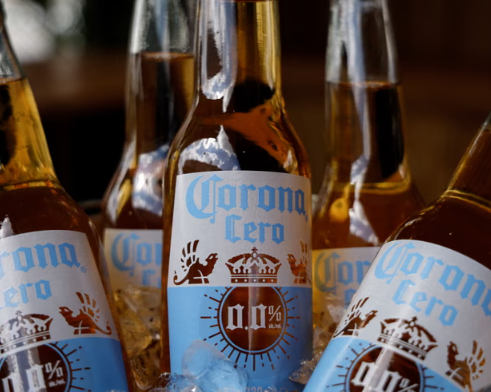
The British landscape regarding social drinking is currently undergoing a significant and very noticeable transformation. Across the country, pubs and breweries are witnessing a remarkable surge in the popularity of alcohol-free alternatives. People are increasingly choosing these refreshing options during the height of the busy summer season. The British Beer and Pub Association recently highlighted this impressive shift in modern drinking habits nationwide. Industry experts anticipate that more than sixty-four million pints will be sold throughout this summer. This figure represents an increase of eight million compared to the same period in twenty-twenty-five. These statistics clearly indicate that the category is certainly not just a passing trend among consumers.
Younger generations are actively driving this change by embracing a lifestyle that prioritizes lower alcohol consumption. Many individuals are choosing moderation for health reasons or simply to remain clear-headed during social events. Furthermore, the persistent heatwaves gripping the United Kingdom have encouraged drinkers to seek lighter, cooler refreshments. The demand for high-quality, alcohol-free beverages has never been higher in the history of British hospitality. Despite this massive enthusiasm, a significant regulatory barrier is currently hindering the full potential of this market. Trade bodies are now sounding the alarm regarding how outdated definitions might stifle this impressive economic growth.
The primary issue lies in the specific legal definition of what constitutes an official alcohol-free beer. Currently, the United Kingdom mandates that beverages must contain 0.05% alcohol by volume or less to qualify. This restrictive threshold creates major challenges for brewers who strive to maintain the authentic taste of beer. In contrast, many international markets allow a much more flexible threshold of 0.5% for similar products. This discrepancy puts domestic producers at a distinct disadvantage compared to their global counterparts in the industry. Experts argue that the current rules fail to reflect the technical realities of modern brewing processes today.
Crafting a perfect beer without alcohol while preserving its signature flavour and aroma is remarkably difficult. Brewers typically begin by producing a standard beer before initiating a complex process of removing the alcohol. Various techniques are currently employed to achieve this goal, including the use of pressure or heat. However, these delicate methods often come with significant disadvantages that impact the quality of the product. Many techniques are known to remove essential flavour compounds, which inevitably results in a less satisfying drink. Additionally, these sophisticated processes can significantly increase production costs, making the final pint more expensive for consumers.
Despite these considerable technical hurdles, the sector has demonstrated truly extraordinary resilience and consistent long-term growth. Historic sales figures reveal that the no- and low-alcohol category is the fastest-growing segment across the nation. Since twenty-thirteen, the industry has seen an incredible volume growth of eight hundred and seventy percent overall. This growth trajectory highlights the sheer scale of the opportunity that exists for British pubs and breweries. Nevertheless, industry leaders warn that the current legal framework is actively constraining much-needed future investment now. Many companies are hesitant to expand their portfolios while the regulatory environment remains so strictly defined.
The frustration among brewers is palpable as they navigate the balance between innovation and strict compliance. Luke Boase, the founder of the popular brand Lucky Saint, recently spoke about the changing market landscape. He noted that people genuinely want to enjoy the summer sunshine and major sporting events responsibly. Alcohol-free beer perfectly matches these occasions by providing a social experience without the negative effects of alcohol. He believes that updating the definition to 0.5% would encourage far more people to participate. This simple change would help integrate alcohol-free options into the mainstream culture of drinking across Britain.
The potential benefits of such a regulatory shift are far-reaching for both businesses and the general public. Supporters argue that a higher threshold would lead to greater investment in new brewing technologies and techniques. It would also place the United Kingdom on par with successful international markets that have already modernized. Providing more diverse options for those choosing to moderate their intake is widely seen as positive. Everyone wins when consumers are offered high-quality alternatives that taste great and fit their modern lifestyle. The momentum behind the nolo movement is strong, but it requires the government to act decisively.
Emma McClarkin, the chief executive of the British Beer and Pub Association, is leading the call for change. She emphasizes that the government must keep this positive momentum going by updating the current legal standards. Adjusting the alcohol-free definition to 0.5% would be a pragmatic and highly beneficial step for everyone. It would remove unnecessary burdens from brewers while providing consumers with the variety they are actively seeking. Such a move would undoubtedly strengthen the position of the British brewing industry on the global stage. The industry is ready and eager to embrace a future where moderation is both accessible and delicious.
As the summer progresses, the focus remains on whether policymakers will listen to these urgent industry warnings. The thirst for change is undeniable among both the brewers who create these drinks and the customers. A simple adjustment to the rules could unlock immense potential for the hospitality sector in the future. The success of the nolo category represents a unique opportunity to promote a more balanced approach to drinking. By removing outdated barriers, the government could help sustain this remarkable growth for years to come. The British public is clearly thirsty for more choices, and the industry is ready to deliver quality. Embracing this evolution will ensure that pubs remain at the heart of our vibrant and changing society.
Related News:
 Reeves Faces Setback as Labour May Miss Homes Target
 Virgin Trains Moves Closer to Challenging Eurostar Monopoly
 Trump’s UK Ambassador Urges North Sea Drilling to Strengthen US Ties
 Ryanair Chief UK Economy ‘Doomed’ Under Labour
 M&S Profits More Than Halve After Cyber-Attack
 Earl of Yarmouth Faces £1.3m Legal Bill Over Family Estate
 Millionaires group urge Reeves to introduce wealth tax to ‘lift kids out of poverty’
 From Lego to Pokémon: How Adults Are Driving UK Toy Market Growth
 New laws to bolster UK’s defences against cyber attacks on NHS, transport and energy
 Canada Passes Carney’s First Budget in Tight Parliamentary Vote
 Starmer Says Labour’s Economic Plan Needs Years to Deliver
 Virgin Media Fined £23.8m Over Telecare Safety Failures
 Starmer Faces Parliamentary Battles Over UK-EU ‘Reset’ Plan
 ScottishPower Tops List of Worst UK Energy Suppliers
 Markets Slide As Gold Rally Signals Risk From Trump Greenland Tariff Plan
 City & Guilds pay surge sparks backlash amid £22m cuts
 UK Inflation Hits 3.4% in December, Ending Five-Month Decline
 Trump Fed bid heads to Supreme Court
 India-EU Free Trade Deal Marks Historic Economic Shift
 Telstra AI jobs cuts as automation drive expands
 BT Names New Openreach Chief Amid Major Fibre Expansion
 UK Banks Plot Payment Backup Amid Trump Fears
 UK Unemployment Rate Climbs to 5.2% Peak
 UK shelves £110m border project amid trade strain
 Aston Martin Cuts 20% Jobs Amid £363m Loss
 Switching Energy Deal Can Save £200 as Price Cap Falls
 Rachel Reeves Faces Middle East Conflict Test
 Grocery Inflation Rises Amid War Fears
 BrewDog sold Highland estate for knockdown price after abandoning reforestation plans
 UK Energy Reform Could Cut Bills by £200
 Rising Costs Force Families to Rethink Days Out
 Oil Slides, Stocks Jump on Trump Peace Signals
 UK inflation held at 3% before global energy price hit
 Ticketmaster Fees Rise Despite Recent US Junk Fee Crackdown
 M&S Demands Urgent Action on Rising Violent Retail Crime
 New Era for Sick Pay as Millions Gain Critical Rights
 Oil Prices Surge as Trump Issues New Deadline to Iran
 US and Iran Agree to Two-Week Provisional Ceasefire
 Stefano Gabbana Resigns as Chair of Italian Luxury Giant
 Rolls-Royce SMR Secures £600m Boost for Nuclear Future
 Aegon Sells Historic UK Arm to Standard Life for £2bn
 Central Bank Chiefs Hold Crisis Simulation in Washington
 UK Staycations Rise as Travel Fears Grow
 Former Brexit Chief Calls for Rejoining the EU
 Albanese Rejects Gas Export Tax Push
 Oil Prices Surge Above $120 Amid Iran Blockade Fears
 Silent Tracks: Rail Line Without Passengers
 Trump approval plunges amid Iran war fears
 Tough Fiscal Realities Await Next Scottish Government
 DeepMind Staff Vote to Unionize Over US Military Contract
 Global Conflict Hits Home As Bullock Warns Of Economic Pain
 STV Election Coverage Disrupted Amid Bitter Pay Dispute
 Aramco Surges as East-West Pipeline Counters Gulf Tensions
 High Stakes in Beijing as Trump and Xi Meet Amid Global Turmoil
 Lotus Boss Pledges Future to Norfolk and Seeks State Support
 Trump and Xi Convene in Beijing for Historic High-Stakes Summit
 High Street Crisis: Fears Grow Over Post Office Closures
 UK Firms Freeze Spending as Iran Conflict Bites
 Rubles and Resilience: How Russia-China Border Towns Thrive
 UK Eases Russian Oil Sanctions as Fuel Costs Soar
 Reeves to Fast-Track Clean Energy Amid Iran Crisis
 Oil Markets Face ‘Red Zone’ Threat Amid Iran Crisis
 Belfast Approves Pilot Extension of Sunday Trading Hours
 Kevin Warsh sworn in as Fed chair amid economic backlash
 Mid-Year Surge to Push Average Annual Bills Beyond £1,900
 Tube Strike Brings Capital to a Standstill Over Shift Disputes
 Tube Strike Brings Capital to a Standstill Over Shift Disputes
 BP Stands Firm on Amanda Blanc Amid Boardroom Storm
 UK House Prices Drop For Third Month Due To War Fears
 No Brutal EV Price War For British Motorists
 Gas Prices Fall Below $4 Following US-Iran Peace Deal
 Is JD Vance the Ultimate Fall Guy for Trump’s Shaky Iran Deal?
 EU Slashes Steel Quotas But Grants UK Favourable Rates
 Sainsbury’s Boss Optimistic As Grocery Inflation Eases
 Trump Faces Backlash Over $2bn Earnings Since Return
 Starling Bank Trims Jobs for AI Future
 Accessible Travel Could Unlock £176bn for UK Economy
 Apollo Launches £5.7bn Bid for Aviation Giant easyJet
 BBC Faces Real Jeopardy as Licence Fee Income Declines
 Thames Water Future Remains Uncertain Amid Funding Crunch