Published: 15 July 2026. The English Chronicle Desk. The English Chronicle Online.
The halls of the United States Congress are currently echoing with a significant debate. Top House Democrats are visibly split regarding a controversial proposal to halt military aid. Representative Thomas Massie has introduced an amendment to block billions in vital funding. This specific legislative effort targets over three billion dollars earmarked for Israeli military assistance. The House of Representatives is expected to vote on this fiscal measure this week. This intense situation highlights deep internal friction within the Democratic Party regarding foreign policy. Many voters are increasingly frustrated with the party’s long-standing support for the Middle Eastern nation. This dissatisfaction has already impacted the outcomes of several recent and highly contested primary elections.
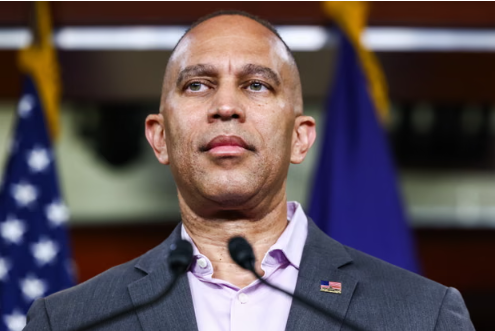
House minority leader Hakeem Jeffries has officially stated his firm opposition to this particular amendment. He circulated a letter among his colleagues explaining why he intends to vote against it. Jeffries argued that the current Republican proposal is far too broad in its legal scope. He expressed concern that such a cut could harm essential humanitarian programs across the region. The minority leader also suggested that the measure could hinder efforts against specific militant groups. Beyond these functional concerns, he accused Republican leaders of engaging in nakedly partisan political theater. Jeffries stated that these lawmakers are weaponizing an amendment they do not actually intend to pass. Despite his firm stance, he will not formally pressure his caucus to vote his way. He recognized that his colleagues hold strongly diverse views on this complex and highly sensitive matter.
The third-highest-ranking House Democrat, Pete Aguilar, has also voiced his firm opposition to the proposed cuts. During a recent press conference, he discussed the current behavior of the administration led by Benjamin Netanyahu. Aguilar remarked that the Israeli government has unfortunately taken actions that serve to isolate its own nation. He emphasized the urgent need for the United States to build more friends within the region. Maintaining a strong network of allies remains a core priority for his approach to Middle Eastern diplomacy. He argued that reducing overall influence in the area would be a strategic error for the country. His comments reflect a broader concern about how the current Israeli leadership manages its complex foreign relations.
However, a different perspective is gaining momentum among the progressive wing of the Democratic Party caucus. Greg Casar, the chair of the progressive caucus, has announced his intention to support the amendment. He shared his position in a letter sent to his fellow progressive members earlier this week. Casar argued that many American citizens are demanding an end to tax dollars subsidizing foreign military actions. He explicitly called for a fundamental shift in the party’s overall approach to the Israeli-Palestinian conflict. The progressive leader hopes that his colleagues will join him in this vote to signal change. His stance reflects the growing influence of grassroots activists who are demanding new priorities for the party.
The political landscape has been significantly altered by the results of several recent primary election contests. Three Democratic incumbents have already lost their seats to challengers who took hard lines on Israel. These new candidates successfully campaigned on the need for a more critical stance toward the Netanyahu administration. The issue of foreign military support has become a defining topic for many voters in these races. Former congresswoman Cori Bush remains a vocal figure in this ongoing debate within the Missouri primary contests. In Michigan, the conversation about international relations continues to shape the race to replace Senator Gary Peters. These electoral outcomes serve as a powerful signal that the party’s base is shifting its collective perspective.
Both Jeffries and Aguilar have acknowledged the clear need to rethink the current relationship with Israel. They recognize that the political environment regarding this historic partnership is changing in a permanent way. Jeffries recently called for a major reset in the diplomatic relations between the two long-term national allies. His proposed vision rests upon two fundamental principles that guide his approach to this complex foreign policy. The first is a continued commitment to the right of the state of Israel to exist safely. The second is the essential creation of a sovereign and secure Palestinian state for the local population. These dual goals form the foundation of how he believes the nation should proceed moving forward.
The existing ten-year memorandum of understanding signed under President Barack Obama will expire in the near future. Jeffries suggested that any future agreements must strictly adhere to American human rights laws and values. He also noted that Israel now possesses the domestic economic capacity to afford its own defensive weapons. This shift in economic reality should inform how the United States structures its future military support packages. The minority leader believes that a more mature relationship is required to meet the challenges of the future. His emphasis on values and fiscal responsibility highlights his desire for a more balanced diplomatic path ahead.
Representative Aguilar spoke to reporters about the evolving nature of the relationship with the Israeli government today. He admitted that significant changes will be necessary as the two nations navigate these very difficult times. However, he downplayed the influence of electoral politics on his current legislative strategy for the coming months. Aguilar insisted that the party is not focused on the future rhetoric of incoming members of Congress. He maintained that his primary focus remains on the immediate legislative responsibilities facing the House this week. The debate continues to unfold as members weigh the competing pressures of policy goals and electoral success. This moment remains a critical test for the unity and direction of the Democratic Party’s foreign policy agenda. The outcome of the upcoming vote will likely set a tone for many future debates in Washington.
Related News:
 Trump Receives Machado’s Nobel Medal in White House Meeting
 Thousands Protest ICE Operations in Nationwide US Day of Action
 Epstein Files Reveal Trump Officials’ Emails with Financier
 Thousands Protest ICE in New York Against Trump Deportation Campaign
 Michigan Battleground: Middle East Crisis Stirs US Senate Race
 Trump Signals Hope for New Iran Talks as Ceasefire Fades
 GOP Senator Criticizes Trump’s Feud With Pope Leo XIV
 Investigation Into Anti-Trump Motives After Gala Shooting
 USS Gerald R Ford Ends Record Naval Deployment
 Trump orders US troop pullout from Germany
 Indiana Republicans Defy Trump in Key Vote Test
 Tensions Emerge in Netanyahu-Trump Alliance
 US judge dismisses Kilmar Abrego Garcia indictment
 Tulsi Gabbard exits after turbulent intelligence tenure
 Former ICC prosecutor condemns US sanctions
 Trump Weighs Retreat from Controversial $1.8bn Slush Fund
 Trump’s Mount Rushmore Speech: A Divisive Anniversary
 Houthis Strike Saudi Arabia as Middle East Tensions Rise
 US National Guard Member Killed in DC Shooting
 Mandelson apologises over Epstein ties after public scrutiny
 Government Unveils Northern Powerhouse Rail Plans
 Trump Calls Greenland Critical for US Security After Denmark Talks
 Trump press secretary attacks reporter over ICE question
 Kyrsten Sinema Faces High-Profile Lawsuit Over Marriage Interference
 Iran unrest slows under brutal crackdown and global tensions
 Trump Allies Pursue $200m European Gas Pipeline Deal
 Starmer Challenges US Over Controversial Greenland Deal
 Spoof “Make America Go Away” Caps Rally Denmark Over Greenland
 Trump Fed bid heads to Supreme Court
 Starmer Resists Matching Trump Amid Greenland Tensions
 Snow Threatens Japan Election Turnout Amid Extreme Cold
 Partial US Government Shutdown Hits Homeland Security Funding
 Sinema payment row deepens after $9,000 transfer claim
 US-Cuba Negotiations Shift as Oil Blockade Looms
 Epstein UAE Emails Shake British Royal Andrew’s Legacy
 Nurses’ families fear breakup under UK immigration crackdown
 Ukraine, Russia Meet in Geneva Ahead of War Anniversary
 California Democrats Vow Trump Reckoning
 Trump’s Surgeon General Pick Evades Vaccine Questions
 Tommy Robinson Meets Trump Officials at US State Department
 Adelaide University Faces Backlash Over Event Cancellation
 Ukraine war briefing: Zelenskyy offers help to Saudi Crown prince on combatting Iranian drones
 New Zealand Covid Response Praised Despite Lingering Scars
 Starmer Praised for Stance on Trump and Iran Conflict
 UK Ministers Signal Strategic Independence From Trump Demands
 Big Tech Faces Investigation Over Australia’s Social Media Ban
 Farage Shuns Truss as US Right-Wing Roadshow Hits London
 Reform UK Pledges To Halt Visas Over Reparations Demands
 Melania Trump Epstein remarks spark survivor backlash
 Trump’s Presidency: A House of Cards Collapsing?
 US Catholics Caught Between President and the Pope
 Global Oil Prices Surge Amid Renewed Gulf Tensions
 Trump Starts $166bn Tariff Refund Process
 UK Stands Firm on Falklands Amid US Rift
 Trump Defiant After Washington Hotel Shooting
 Identity Revealed: Suspected Washington Gunman Named
 Security Scrutiny After Washington Shooting Incident
 UK Envoy Sparks Controversy Over Special Relationship Claims
 Oil Prices Surge Above $120 Amid Iran Blockade Fears
 Judge halts deportation of Yemeni refugees in US
 White House Security Case Sparks Political Firestorm
 Trump approval plunges amid Iran war fears
 Ohio’s Battle for Trust: Democrats Vying to Flip the Buckeye State
 US ‘Narco Boat’ Strikes Draw Global Outcry
 Afghan Families Left in Limbo Face Risk of Deportation
 One Nation Candidate’s Surprising Ties to Independents
 US Awaits Iran Reply on New Ceasefire Proposal
 Immigration Judges Fear Pressure in Trump Era
 Fear and Betrayal: The Chilling Case of Kouri Richins
 Tony Abbott Returns as New Liberal Party President
 Kevin Warsh sworn in as Fed chair amid economic backlash
 US green card applicants must apply from abroad, DHS says
 Discontent grows around Putin amid war strain
 DeSantis’s ‘Alligator Alcatraz’ Faces Final Shutdown
 House Curbs Trump’s War Powers in Rare Rebellion
 Trump Urged to Condemn UFC Fighter Over Obama Slurs
 US Military Pacific Boat Strike Kills Three People
 AOC Backs El-Sayed in Tight Michigan Senate Primary
 US Courts Back Trump on Park Signage Removals
 Trump Swaps Planes Amid Iran Tensions