Published: 20 July 2026 | The English Chronicle Desk | The English Chronicle Online
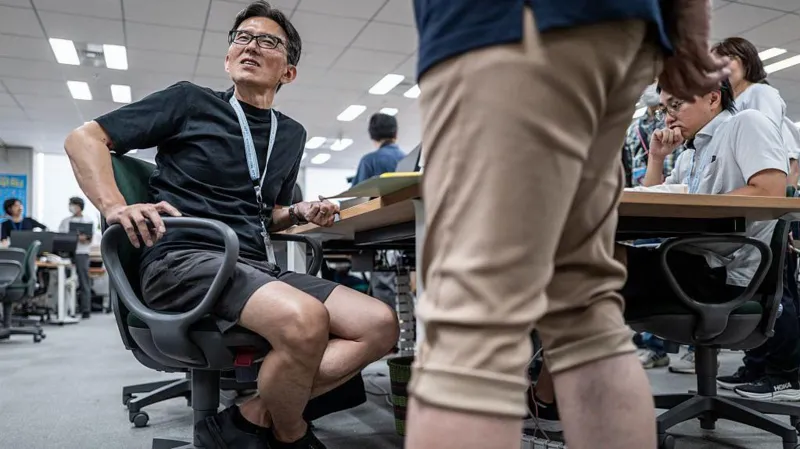
A campaign encouraging workers in Tokyo to wear shorts during Japan’s increasingly intense summer heat has sparked an unexpected debate over workplace expectations, with some women arguing that the initiative has highlighted unequal beauty standards and what they describe as “leg hair harassment.”
The campaign, introduced as part of broader efforts to improve comfort during soaring temperatures and reduce reliance on air conditioning, encourages lighter and more practical office attire during the hottest months of the year.
While many employees have welcomed the relaxed dress code, others say the conversation has exposed longstanding gender expectations about appearance in professional workplaces.
Japan has experienced increasingly severe summer heat in recent years, with record-breaking temperatures becoming more frequent.
Officials and employers have sought ways to help workers remain comfortable while also reducing energy consumption.

Encouraging lighter clothing, including shorts for office workers, forms part of wider initiatives promoting heat safety and environmental sustainability.
Supporters argue that practical clothing can improve employee wellbeing, productivity and health during prolonged heatwaves.
Traditionally, Japanese workplaces have maintained conservative dress codes, with business suits remaining common even during extremely hot weather.
However, attitudes have gradually begun to change.
Many companies now permit polo shirts, short-sleeved clothing and less formal office wear during summer months.
The latest encouragement to wear shorts represents another step in modernising workplace dress expectations.
Several businesses have reported positive responses from male employees who appreciate the increased comfort.
Despite the campaign’s intentions, some women say the discussion has highlighted unequal standards surrounding appearance.
They argue that while men can comfortably wear shorts without attracting attention, women often feel pressure to remove leg hair before exposing their legs in professional environments.
Some employees describe this expectation as another example of workplace beauty standards that place additional burdens on women.
The phrase “leg hair harassment” has gained attention online as people discuss whether professional environments should challenge or reinforce traditional grooming expectations.
The issue has generated widespread discussion across Japanese social media platforms.
Some users argue that everyone should be free to choose clothing based on comfort without concern about body hair or appearance.
Others maintain that professional grooming standards apply equally to all employees regardless of gender.
The debate has expanded beyond clothing to broader questions about workplace equality and personal choice.
Many contributors say employers should focus on performance rather than physical appearance.
Sociologists say the discussion reflects changing attitudes toward workplace expectations in Japan.
Traditional corporate culture has often placed significant emphasis on presentation and conformity.
However, younger generations increasingly prioritise individuality, comfort and work-life balance.
Researchers note that conversations surrounding appearance, dress codes and gender expectations are becoming more common across many developed economies.
Climate change is also influencing employment practices around the world.
As extreme temperatures become more frequent, employers are introducing measures to protect workers from heat-related illness.
These include flexible clothing policies, adjusted working hours, additional hydration breaks and improvements to office ventilation.
Public health specialists argue that adapting workplaces to hotter climates will become increasingly important in coming decades.
Many Japanese companies say relaxed summer dress codes are intended solely to improve employee comfort.
Human resources professionals note that allowing lighter clothing can reduce dependence on air conditioning while helping staff remain productive during periods of extreme heat.
Some organisations are reviewing dress code policies to ensure they apply fairly to all employees.
Business leaders acknowledge that balancing professionalism with personal comfort requires careful consideration.
Women’s rights advocates argue that discussions surrounding office attire should also address broader issues of workplace equality.
They say employees should not feel compelled to meet unnecessary appearance standards simply because of clothing choices.
Campaigners believe employers should encourage inclusive dress policies that allow individuals to make personal decisions about grooming and appearance.

Many argue that true equality requires eliminating expectations that differ according to gender.
Tokyo’s campaign encouraging workers to wear shorts highlights how climate adaptation is reshaping workplace culture.
While the initiative has been praised for promoting comfort during increasingly hot summers, it has also opened wider conversations about gender expectations, professional appearance and personal freedom.
As employers continue adapting to a warming climate, organisations may increasingly find themselves balancing practical workplace policies with evolving social attitudes about equality, inclusion and individual choice.
The debate suggests that what people wear to work is no longer simply a question of fashion—it has become part of a broader discussion about modern working life and changing cultural expectations.
Related News:
 Mangrove Forests Recover After Years of Damage
 South Africa’s Garden Route Gem Faces Looming Water Crisis
 ‘The New Tobacco’: Cities Ban Fossil Fuel Adverts
 UK Winter Nowhere Near a Record Breaker Despite Floods and Storms
 UK Records Warmest Day of the Year as Temperatures Exceed 18 °C
 Conservation Budgets Hit by Increased Fly‑Tipping Costs
 ‘Holiday From Hell’ Leaves UK Couple Stranded in Thailand
 Community farm appeal to cover thousands in repairs
 Sycamore Gap tree sapling takes root in Manchester
 Bodies of Two Chinese Backpackers Found in Floodwaters
 Nepal to swear in ex-rapper as new prime minister
 Screen Time for Under-Fives Should Be Limited
 Rescued Sea Turtle Shows ‘Fighting Spirit’ After Vital CT Scan
 Victory or Compromise? Tehran’s Streets Erupt in Mixed Emotion Following Ceasefire
 ‘No Gas, No Food’: LPG Shortage Triggers Reverse Migration in Indian Metros
 Moldova River Crisis Exposes War’s Hidden Cost
 Cyclone Vaianu Forces Mass Evacuations in New Zealand
 Philippines Accuses Chinese Fishermen of Cyanide Dumping
 Chornobyl Still at Risk 40 Years After Disaster
 Escobar’s Hippos May Be Moved to India Zoo
 Older Than Dinosaurs: Secrets of Mayfly Dance Revealed
 China Fireworks Factory Blast Kills 21 in Hunan
 Tractor Breakdown Tests Lincolnshire Farmers
 Britons Build Emergency Supplies Amid Rising Fears
 Sycamore Gap Artwork Chosen After Public Vote
 Pope Meets Families in Italy Toxic Waste Zone
 Thailand Tightens Visa Rules to Curb Tourist Misbehavior
 Everest Climber Recalls Guide’s Six-Day Survival
 China Targets Viral Micro Drama Content
 Bear Escapes Factory Through Open Window
 Ancient Method Turns Food Waste Into Meals
 Family Says Heatwave Drownings Reopen Grief
 Asia Prepares for Severe El Niño Threat
 Japanese Bear That Injured Four Still Missing
 Families Grieve Beyond Air India Crash Victims
 Deadly Earthquake Hits Philippines
 Keeping a 125-Year-Old Pier Alive
 At Least 19 Killed After Powerful Earthquake Hits Southern Philippines
 “What If All Cockroaches Came Together?” Youth Movement Gains Momentum in Indian Politics
 Parents Fundraise to Cool Overheated School Classrooms
 UK Schools Struggle as Classrooms Top 40C
 London Tube Heat Reaches Dangerous Levels
 Venezuela Quake Death Toll Surpasses 4,000
 Draft Severe Weather Plan Following Storm Flooding
 Motorists Could Face ‘Mandatory’ Driving Ban for Road Offences Under Tougher Laws
 Epstein Eyed Record Label Investment to Access Women, Files Suggest
 How Do You Modernise Mango Farming? India’s Growers Urged to Innovate as Climate Change Hits
 ‘It’s Joy in a Pot’: Why Houseplants Could Make You Happier
 Calls Grow to Remove Billboard Following Lyra McKee Graffiti
 ‘Every Day Feels Like a Month’: Iranians Describe Life Under ‘Constant’ US‑Israeli Strikes
 Father Dies by Suicide Weeks After Wedding in Clitheroe
 Teen Wins Payout After TRNSMT Crush Horror
 Scotland World Cup Party in Boston Gets Green Light After Security Breakthrough
 ‘Heating Oil Suppliers Are Holding Us to Ransom’ as Prices and Cancellations Surge
 Sri Lanka Sets Weekly Shutdown to Save Fuel
 US Lawmaker Demands Testimony Over Sarah Ferguson’s ‘Close Epstein Ties’
 Woman Deported from China Over Manx Passport Mix-Up
 ‘My Hatred of Dogs is Ruining My Love Life’
 ‘The Cost of Living’: Asia’s Migrant Workers Debate if Gulf Jobs are Worth the Risk of War
 National Treasure: Raja Ravi Varma Masterpiece Smashes Indian Art Record with $17.9m Sale
 The Suffocating Silhouette: Why Metal’s Mask Trend is Turning Deadly
 The Fallen Icon: Ben Roberts-Smith Charged with Five War-Crime Murders
 The Waiting Ward: ‘Month of Worry’ as Doctor Strikes Trigger Seismic Surgery Delays
 ‘The Last of the Greatest’: UK’s Oldest WWII Veteran Passes Away Aged 109
 “Three-Wheeled Triumph”: Mayor of Erewash Completes 2,000-Mile European Charity Run
 Tragedy in the Red Centre: Outback Search Ends in Discovery of Missing Girl’s Body
 The “Dry” Life: Teens Trialing Social Media Bans Call Initial Disconnection “Boring” and “Dry”
 US Awaits Iran Reply on New Ceasefire Proposal
 “The Price Persistence”: Navigating the UK’s Evolving Cost-of-Living Landscape
 Discontent grows around Putin amid war strain
 UN Issues Urgent Warning: Imminent Return of El Niño
 Trump Approves $700m Coal Industry Investment
 Fans Bring Flags and Fire to World Cup Scenes
 Fans Invited to Share Scotland World Cup Stories
 Widow Distressed by Nine-Month Delay to Husband’s Pension Payment
 Prince George Set to Begin Studies at Eton This September
 Net Zero School Remains Cool and Open as Heatwave Tests Britain’s Buildings
 Former Employee Alleges Sexual Assault by Business Founder as Investigation Draws Attention
 Trump’s Major Recruitment Drive Targets Border Patrol Growth
 Europe Scorched as Record Heatwaves Grip the Continent