Published: 30 July 2026 | The English Chronicle Desk | The English Chronicle Online
Reform UK has announced a press conference after the Metropolitan Police confirmed it would not launch a criminal investigation into comments made by Green Party deputy leader Zack Polanski concerning Reform UK leader Nigel Farage.
The decision has intensified political debate, with Reform UK accusing the authorities of applying inconsistent standards, while the Metropolitan Police said it had assessed the available information and concluded that no criminal investigation would be pursued.
The dispute comes amid an increasingly heated political environment, where social media posts by senior politicians are frequently scrutinised and questions over freedom of expression, political rhetoric and public safety continue to dominate national discussion.
The Metropolitan Police said it had reviewed complaints relating to Polanski’s social media activity and concluded that the available evidence did not meet the threshold for a criminal investigation.
Police stressed that officers assess every report based on the available evidence and relevant legislation before deciding whether further action is necessary.

The force did not provide detailed legal reasoning behind its decision but indicated that the matter would not proceed as a criminal case.
The announcement followed calls from Reform UK supporters for police involvement after the online comments attracted widespread political attention.
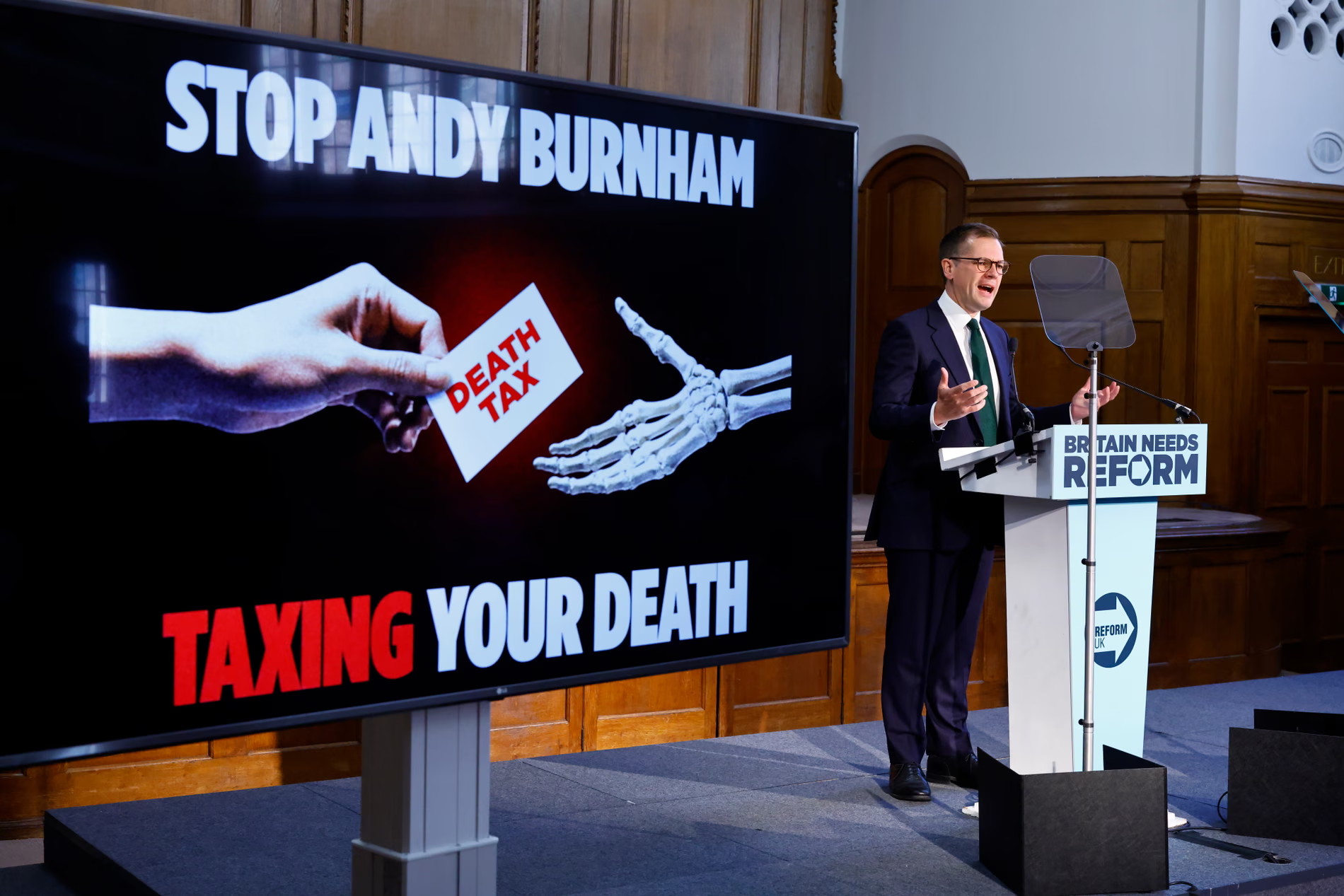
In response to the police decision, Reform UK confirmed it would hold a press conference to outline its position and respond publicly.
Party officials said they were disappointed by the Metropolitan Police’s conclusion and argued that political figures should be held to consistent standards regardless of party affiliation.
Reform UK representatives have suggested that inflammatory political language should be taken seriously, particularly when directed at elected politicians.
The party is expected to use the press conference to criticise what it describes as unequal treatment in the handling of complaints involving public figures.
The controversy centres on online comments made by Zack Polanski that criticised Nigel Farage.
The posts prompted complaints from political opponents, who argued that the language used was unacceptable and warranted police consideration.
Supporters of Polanski, however, argued that his comments fell within the boundaries of political speech and democratic debate.
The disagreement quickly spread across social media, where supporters of different political parties offered sharply contrasting interpretations of the remarks.
The incident has reignited wider discussions about the limits of political expression in Britain.
Politicians regularly use strong language to criticise opponents, particularly during election campaigns and periods of heightened political tension.
Legal experts note that not all offensive or controversial comments constitute criminal offences.
Police must distinguish between speech protected under freedom of expression and statements that may breach criminal law.
The threshold for criminal investigation generally requires consideration of context, intent and potential harm.
Civil liberties organisations have long argued that robust political debate is an essential part of democratic society.
At the same time, campaign groups have called on politicians to exercise restraint and avoid language that could contribute to hostility or intimidation.
The balance between protecting free expression and preventing harmful conduct remains one of the most debated issues in modern politics.
Experts say social media has complicated this balance by allowing political messages to spread rapidly to millions of people.
The Metropolitan Police’s decision has prompted mixed reactions across the political spectrum.
Supporters of Reform UK argue that public confidence requires consistent enforcement regardless of political affiliation.
Others welcomed the decision, saying police resources should remain focused on matters that clearly meet the legal threshold for criminal investigation.
Some commentators have warned against involving law enforcement in political disputes unless there is clear evidence of criminal behaviour.
They argue that democratic disagreements should primarily be resolved through political debate rather than criminal proceedings.
The controversy highlights the increasingly important role social media plays in British politics.
Platforms such as X, Facebook, Instagram and TikTok have become central tools for political communication.
However, they have also created new challenges concerning online abuse, misinformation and public accountability.
Political leaders are under growing pressure to ensure that online messaging remains responsible while preserving freedom of expression.
Experts say disputes over social media posts are likely to become increasingly common as digital campaigning continues to expand.
The Metropolitan Police regularly receives complaints relating to online communications involving politicians, public figures and members of the public.
Each case is assessed individually based on available evidence and relevant legislation.
Police have consistently stated that decisions to investigate are made independently and without political influence.
Legal analysts note that declining to investigate does not necessarily represent approval of the language used but rather reflects an assessment that criminal thresholds have not been met.
The planned press conference is expected to allow Reform UK to present its concerns directly to the public.
Party leaders are likely to argue for greater consistency in the treatment of complaints involving political speech and public figures.
They may also call for clearer guidance regarding how authorities assess reports involving online communications.
Political analysts suggest the event could become part of Reform UK’s broader campaign messaging ahead of future elections.
The dispute comes at a time when political discourse in the UK has become increasingly polarised.
Questions surrounding acceptable language, public accountability and the role of law enforcement continue to generate debate across Westminster.

Observers say incidents involving high-profile politicians often become symbolic of larger discussions about democratic values, freedom of expression and public trust in institutions.
While the Metropolitan Police has closed the matter from a criminal perspective, the political debate is likely to continue.
Reform UK’s press conference is expected to attract significant media attention as party leaders respond to the Metropolitan Police’s decision.
Whether the issue remains a short-lived political dispute or develops into a broader discussion about standards in public life may depend on the reactions of other political parties and the wider public.
For now, the case serves as another example of how political disagreements increasingly extend beyond Parliament and into social media, legal debate and questions about the appropriate role of policing in democratic society.
Related News:
 US National Guard Member Killed in DC Shooting
 Russia losses Ukraine war peace talks intensify amid rising deaths
 Trump Escalates Minnesota Immigration Surge Amid Rising Tensions
 Homeland security agents deployed amid Minneapolis protests
 Trump Threatens Strong Action If Iran Executes Protesters
 Trump Receives Machado’s Nobel Medal in White House Meeting
 European Leaders Condemn Trump Tariff Threat Over Greenland
 EU Says US Ties Have Suffered ‘Big Blow’ After Greenland Crisis
 Trump Praises ‘Terrific’ Petro After White House Talks
 Starmer to Release Mandelson Files
 Fears of New Arms Race as US-Russia Nuclear Weapons Treaty Expires
 Nurses’ families fear breakup under UK immigration crackdown
 ‘Trump Will Be Gone in Three Years,’ Top Democrats Tell Europe
 Hillary Clinton Accuses Trump of Epstein Files ‘Cover-Up’ in BBC Interview
 US Civil Rights Leader Jesse Jackson Dies Aged 84
 Stephen Colbert Says CBS Spiked Interview With Democrat Over FCC Fears
 Sanders Condemns Billionaire ‘Greed’ in California Tax Debate
 Trump Directs US Govt to Prepare Release of Files on Aliens and UFOs
 Trump Vows UFO File Release After Obama Interview
 Who is Abigail Spanberger, the Democrat set to give State of the Union response
 Trump hails economic ‘turnaround’ and threatens Iran in longest ever State of the Union
 American Citizen Killed in Cuba Boat Shooting, U.S. Officials Say
 Hillary Clinton Tells House Panel She Had No Idea of Epstein’s Crimes
 Hopes and Fears as US Iranians Take to Streets After Toppling of Supreme Leader
 Iran, the US, and a World Cup That Starts in Three Months
 Trump Faces Questions Over Iran Conflict Plan
 Texas Senate seat fight heads to runoff as votes split
 Cooper and Whatley Win Primaries for North Carolina Senate
 US Senate Backs Trump War Powers Amid Iran Missile Barrage
 US Senate Vote Fails to Rein in Trump War Powers on Iran
 Thousands Protest Iran Strikes Outside US Embassy London
 US Bombers Arrive at RAF Base Amid Rising Iran Tensions
 UK Prepares Aircraft Carrier for Middle East Crisis
 Pete Hegseth Iran War Remarks Spark Alarm
 Iran War Puts Trump at Political Risk Amid Rising Prices
 Trump’s Confidence Undimmed — But Every Iran Option Carries Risk
 Can Congress Stop US Sports Teams From Moving Cities?
 Democracy Under Guard: Police Surge Support as Threats Against MPs Hit Record Highs
 The “Protective Shield”: Who is Todd Blanche, the New Acting U.S. Attorney General?
 Can King Charles Calm Trump on Key US Visit?
 The Bench Strikes Back: Lower Court Judges Emerging as Main Obstacle to Trump’s Executive Pivot
 The Moral Crisis Looming Within the American Chain of Command
 The Changing Face of Georgia: Trump-Backed Clay Fuller Wins Election
 Capitol Hill Showdown: Bill Gates to Testify in Expanding Epstein Inquiry
 Trump Signals Hope for New Iran Talks as Ceasefire Fades
 Harmeet Dhillon Faces Scrutiny in DOJ Role Debate
 Trump at Press Dinner Sparks Tension
 Identity Revealed: Suspected Washington Gunman Named
 US Court Weighs Fate of TPS for Migrants
 Florida Redistricting Map Sparks Major US Political Battle
 US states redraw maps after voting rights ruling
 Trump Threatens UN Budget Cuts as US Pushes ‘Trade Over Aid’ Agenda
 US Court Restores Abortion Pill Access Temporarily
 Tensions Emerge in Netanyahu-Trump Alliance
 US Awaits Iran Reply on New Ceasefire Proposal
 Immigration Judges Fear Pressure in Trump Era
 US green card applicants must apply from abroad, DHS says
 Tulsi Gabbard exits after turbulent intelligence tenure
 Hormuz Talks Near Critical Stage
 DeSantis’s ‘Alligator Alcatraz’ Faces Final Shutdown
 Prosecutor Proposes Law to Combat Election Deceit
 Trump-Netanyahu Call Fuels Iran Talk Crisis
 Zelensky Invites Putin to Direct Peace Talks
 Trump Approves $700m Coal Industry Investment
 Israel Strikes Iran After Missile Attack
 US Courts Back Trump on Park Signage Removals
 Trump Helps Clear Balogun for Belgium World Cup Clash
 Trump Helps Clear Balogun for Belgium World Cup Clash
 Why Some African Nations Are Rejecting Trump Aid
 Trump’s Major Recruitment Drive Targets Border Patrol Growth
 Trump’s New Vision for 250 Years of US Expansion
 Democrats Urge Maine Senate Candidate to Leave Race
 Trump Refuses to Sign Housing Bill, But Law Takes Effect
 Trump’s Hormuz U-Turn Raises Doubts Over Iran Strategy
 Trump Alleges “Shocking Vulnerabilities” in US Election Security Ahead of Midterms
 ICE Arrests Human Rights Lawyer Who Fled Chinese Crackdown
 US Unveils Fresh Tariffs on Global Trading Partners
 US Eyes Frozen Iran Funds for Shipping Damage
 Trump Orders Signs Criticising Smithsonian Museum
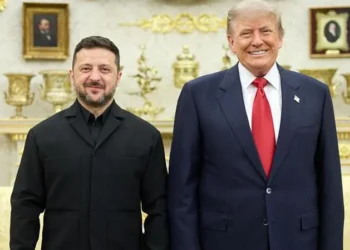 Trump Hosts Zelensky and Netanyahu as Ukraine and Iran Conflicts Shape Global Agenda