Published: 03 August 2026 | The English Chronicle Desk | The English Chronicle Online
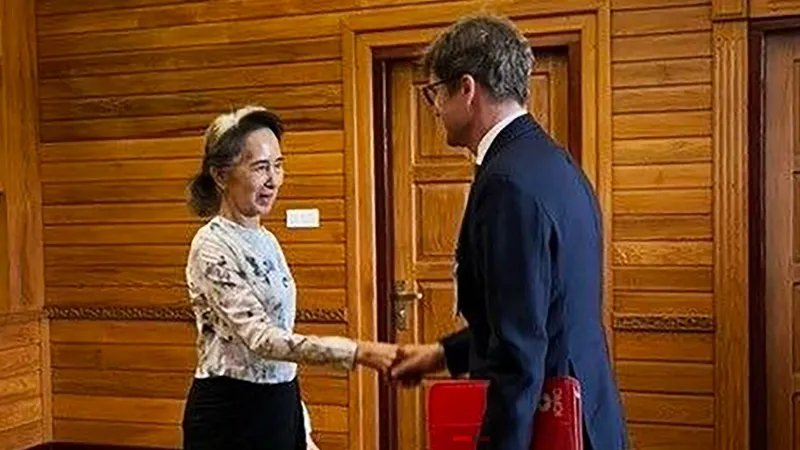
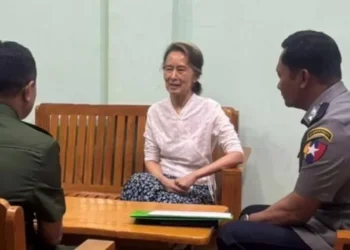
Myanmar’s detained former leader Aung San Suu Kyi has appeared to be in good health during her first confirmed contact with the outside world in more than two and a half years, according to reports, offering rare insight into the condition of the Nobel Peace Prize laureate who has remained largely isolated since her imprisonment.
The brief contact marks the first publicly confirmed indication of Suu Kyi’s wellbeing since she was moved out of public view following her detention by Myanmar’s military authorities. Her prolonged absence has fuelled widespread concern among supporters, international observers and human rights organisations, many of whom have repeatedly called for greater transparency about her condition and treatment.
The development comes as Myanmar continues to face deep political instability, armed conflict and international pressure following the military takeover that removed Suu Kyi’s elected government from power.
For years, information about Aung San Suu Kyi’s health and living conditions has been extremely limited.
The 81-year-old former civilian leader has been held under strict restrictions since the military coup in February 2021, when the armed forces seized power after disputing the results of a general election won by her party, the National League for Democracy (NLD).

Since then, military authorities have controlled access to her and limited communication with the outside world.
The latest report that she appeared healthy during a confirmed contact has provided the first significant update on her condition in approximately two and a half years.
However, details surrounding the meeting, including who made contact with her and the circumstances in which it occurred, remain limited.
Suu Kyi has spent much of her political life at the centre of Myanmar’s struggle for democracy.
She became an international symbol of peaceful resistance during decades of military rule, spending many years under house arrest before leading Myanmar’s transition toward partial civilian government.
Her political career changed dramatically after the military coup, which ended a decade-long period of democratic reforms.
Following her arrest, she faced a series of legal cases brought by the military government. Courts later convicted her on multiple charges, including offences relating to corruption and breaches of state regulations.
Her supporters have described the cases as politically motivated, while military authorities have rejected those accusations and insisted that the legal proceedings were conducted according to Myanmar’s laws.
The lack of reliable information about Suu Kyi’s situation has been a major concern for international governments and human rights groups.
The United Nations and several foreign governments have repeatedly called for her release and urged Myanmar’s military leadership to allow independent access to political prisoners.
Human rights organisations have argued that prolonged isolation raises concerns about detainees’ physical and mental wellbeing.
They have also called for greater transparency regarding the treatment of thousands of people detained since the military takeover.
The latest confirmed contact is therefore viewed as significant because it provides rare evidence that Suu Kyi remains alive and appears to be in stable condition.
The update comes as Myanmar remains locked in a complex political and security crisis.
Since the coup, widespread opposition to military rule has developed into a nationwide conflict involving armed resistance groups, ethnic minority forces and the military.
The country has experienced major displacement, economic disruption and humanitarian challenges.
Millions of people have been affected by fighting, with communities facing shortages of food, healthcare and essential services.
The military government has struggled to maintain control over large parts of the country as resistance forces have gained influence in several regions.
Despite her detention, Aung San Suu Kyi remains a powerful and influential figure among many supporters of Myanmar’s democracy movement.
Her party, the National League for Democracy, won a decisive victory in the 2020 election before the military intervened.
For decades, Suu Kyi represented the hope of democratic change in Myanmar.
However, her international reputation became more complicated after she defended the military during proceedings at the International Court of Justice in 2019 over allegations of genocide against the Rohingya Muslim minority.
While some former supporters criticised her response, many within Myanmar continued to view her as a central political figure.
Following news of her confirmed contact, supporters have renewed calls for Suu Kyi’s release.
International observers argue that allowing her greater communication with the outside world would be an important step toward improving transparency.
Some governments have also urged Myanmar authorities to engage in political dialogue with opposition groups and seek a peaceful resolution to the ongoing crisis.
However, there has been little indication that the military leadership intends to make major political concessions.
Myanmar’s military rulers continue to face significant domestic and international pressure.
Economic sanctions imposed by several countries have targeted military-linked businesses and officials.
Diplomatic efforts through regional organisations, including the Association of Southeast Asian Nations (ASEAN), have attempted to encourage dialogue and reduce violence.
Despite these efforts, progress has been limited, with fighting continuing in many areas.
The continued detention of prominent political figures, including Suu Kyi, remains one of the most contentious issues in negotiations over Myanmar’s future.
While the report of Suu Kyi appearing healthy has provided reassurance to some, human rights groups say more information is still needed.
They argue that all political detainees should have access to appropriate medical care, legal representation and communication with their families.
Organisations monitoring Myanmar’s situation have repeatedly highlighted concerns about conditions faced by prisoners since the coup.
They say independent monitoring would help ensure detainees’ rights are protected.
Suu Kyi’s condition and future remain closely connected to Myanmar’s wider political developments.
Although she is no longer in power, her name continues to carry significant influence among supporters of democratic reform.
Any future political settlement is likely to involve questions about the role of detained leaders and whether opposition figures can participate in Myanmar’s political process.

Analysts say her continued popularity among parts of the population means she remains an important figure in discussions about the country’s future.
Aung San Suu Kyi’s first confirmed contact with the outside world in more than two and a half years has provided a rare update on the health of Myanmar’s most internationally recognised political figure.
While reports that she appeared healthy have offered some reassurance, her continued detention remains a major point of concern for supporters, human rights organisations and governments around the world.
As Myanmar’s political and military crisis continues, Suu Kyi’s future remains closely watched, with many seeing her situation as a reflection of the broader struggle over democracy, governance and human rights in the country.
Related News:
 China Moves to Enshrine ‘Ethnic Unity’ Law
 Anti-Regime Iranians Turn Anger Toward Trump
 ‘I Am Still Alive’: Indian Activist on 26-Day Hunger Strike Loses 11kg
 Britain Demands Israel Reverse Ban on Aid Groups
 Iran Leader Blames Protesters, Says They Serve Trump
 Emails Show Epstein Funded Mandelson’s Husband After Jail
 Thousands Protest ICE in New York Against Trump Deportation Campaign
 After the Landslide: Can India Reset Ties with BNP Bangladesh?
 China Strikes at Japan’s Core — Will PM Takaichi Back Down?
 The Martin Luther King Protégé Who Helped Reshape America
 Japan Braces as Takaichi Begins New Term with Huge Mandate for Low‑Tax, Ultra‑Conservative Agenda
 South Korea’s Ex-President Faces Death Penalty in Insurrection Trial
 Kim Jong Un Reappointed as Ruling Party Chief
 ‘Anyone who runs is shot’: Russian soldiers describe killings of troops who refuse orders
 Japan to Deploy Missiles on Island Near Taiwan by 2031
 Nine Killed in Karachi Consulate Protest
 Could Kim’s Teen Daughter Become North Korea’s Next Leader?
 Rap Star May Beat Ex‑PM — What This Says About Nepal’s Gen Z
 Nepal Holds First General Election Since Gen Z Protests Toppled Government
 Nepal Election 2026: When Will We Get the Results?
 Iran Drones Hit Azerbaijan Airport as War Widens
 Sri Lanka Takes Control of Second Iranian Vessel a Day After US Sub Attack
 Nepal election 2026: Rapper Balendra Shah on track to be next PM as his party heads for landslide
 Australia Urged to Shield Iranian Team After Anthem Protest
 Istanbul Mayor Faces Corruption Trial Amid Political Storm
 Gulf Oil Shock Sends Global Economic Ripples
 Nepal Election 2026: Balendra Shah’s Party Nears Historic Supermajority
 Iranian Footballers Escape Team Hotel to Seek Asylum
 Iran Women Footballers Seek Asylum After Anthem Protest
 Middle East crisis live: Supreme leader ‘safe’, Iran and Israel escalate conflict
 China’s Biggest Political Meeting Ends — Key Takeaways
 Point-Blank Gunshot Misses Indian Politician
 China Approves ‘Ethnic Unity’ Law Requiring Minorities to Learn Mandarin
 Pakistan Denies Air Strike on Afghanistan Hospital That ‘Killed 400 People’
 Zelensky Visits Saudi Arabia After Offering Drone Expertise
 Min Aung Hlaing Poised for Presidency Amid Engineered Transition
 “Humanitarian Gesture”: Cuba Pardons 2,010 Prisoners as Trump’s “Maximum Pressure” Peaks
 Nepal Gen Z Protests Succeed, Bangladesh Struggles
 A Bridge to Peace? Taiwan’s Opposition Leader Lands in China
 The ‘Pakistan Protocol’: How Islamabad Pulled the World Back from the Brink
 Victory or Compromise? Tehran’s Streets Erupt in Mixed Emotion Following Ceasefire
 Southeast Asia Turns to Russia Amid Energy Crisis
 “Humanitarian Concern” or Political Shield? Aung San Suu Kyi Moved to House Arrest Amidst Civil War
 “An Endurance Test for the Mind”: British Couple Sentenced to 10 Years in Tehran
 Judge halts deportation of Yemeni refugees in US
 Australia pushes Pacific security pact amid China tension
 BJP Sweeps West Bengal in Historic Breakthrough
 Afghan Families Left in Limbo Face Risk of Deportation
 Trump Announces 3-Day Russia–Ukraine Ceasefire Deal
 US Awaits Iran Reply on New Ceasefire Proposal
 One Nation Stuns Australia With Historic Farrer Win
 Hormuz Talks Near Critical Stage
 China mine blast death toll rises to 90
 Discontent grows around Putin amid war strain
 Former ICC prosecutor condemns US sanctions
 Trump-Netanyahu Call Fuels Iran Talk Crisis
 Israeli Strikes Kill 11 in Gaza City
 Xi Jinping to Make Rare North Korea Visit
 Xi Arrives in North Korea for Rare Summit
 Why Xi’s North Korea Visit Matters Now
 “No Electricity, No Gas, No Sleep” — Cubans Struggle Amid Prolonged Power Outages
 Millions Gather for Khamenei’s Six-Day State Funeral
 China Missile Test Raises Pacific Security Concerns
 Bangladesh Balances China Ties as India Relations Improve
 Punjab’s Anti-Sacrilege Law Triggers Political Debate
 Dreyfus Statue Finally Gets Permanent Paris Home
 Venezuela Quake Death Toll Surpasses 4,000
 US-Iran Exchange Fire as Hormuz Tensions Escalate
 China Detains US Scientist Linked to North Korea Nuclear Research
 Indian Police Crack Down on ‘Cockroach’ Protesters as Young Activists Respond With Memes
 Blocked by Censors, China’s Animal Lovers Take Fight Against Abuse Offline and Overseas
 India’s Youth Revolt Challenges Modi Government
 India’s ‘Cockroach’ Protesters Begin Talks With Government
 Why Violence Has Surged Before Kashmir Election
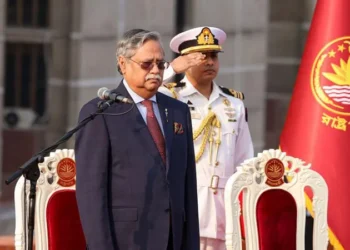 Bangladesh President to Step Down After Political Shift
 Houthis Strike Saudi Arabia as Middle East Tensions Rise
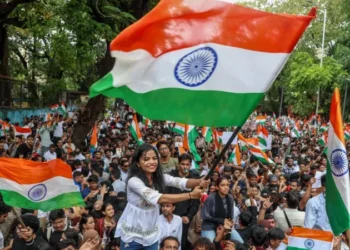 India’s Gen Z Protest Movement Enters a New Phase
 US and Iran Pause Strikes as Diplomatic Talks Loom
 US-Iran War Pause Raises Questions Over Weapons Supply
 Palestinian Village Faces Weekly Attacks as Residents Describe Fear and Uncertainty