Published: 15 August 2026. The English Chronicle Desk. The English Chronicle Online.
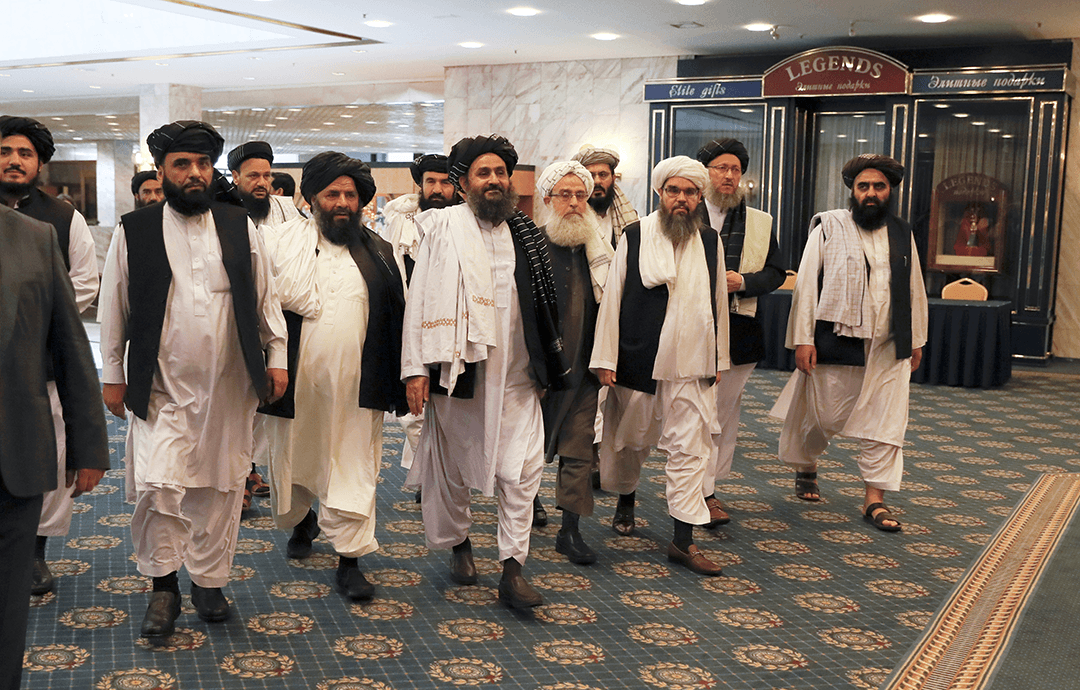
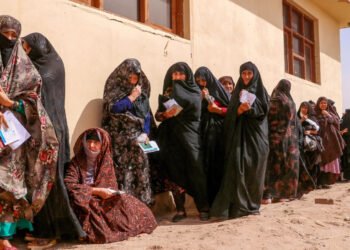
The Taliban in Afghanistan have launched an intensive diplomatic campaign to end their international isolation, as major regional powers and international entities display an increasing readiness to engage with the repressive regime. Five years after the hardline Islamist movement seized control of Kabul following two decades of turbulent insurgent warfare, a growing number of governments are actively renewing formal ties and scaling up diplomatic contacts. This shift has triggered profound anxiety among human rights campaigners, who fear that individual, fragmented state engagements risk undermining coherent and consistent demands for essential improvements in human rights conditions in exchange for diplomatic concessions.
The United Nations has continually highlighted a severe deterioration in basic freedoms, pointing to a recent cascade of restrictive edicts and laws implemented by the administration. These measures have effectively banned women from pursuing higher education at universities, barred them from most forms of employment, denied teenage girls access to secondary schooling, and imposed exceptionally stringent public dress codes. Furthermore, vulnerable minority populations face systemic persecution, while independent activists and journalists endure severe repression, prompting international bodies to characterize the nation as a severe graveyard for fundamental rights.

Despite these grave concerns, various nations including India, Qatar, China, Iran, and multiple Central Asian states have recently welcomed senior Taliban officials or established new formal communication channels. Russia officially recognized the administration in Kabul over a year ago and subsequently signed a bilateral military cooperation agreement. Meanwhile, the European Union held direct talks with delegation members in Brussels regarding the return of failed asylum-seekers, and several individual European capitals have similarly deepened localized contacts. Analysts note that the current administration views any form of international interaction as a major diplomatic victory, successfully leveraging these meetings to project regime legitimacy both domestically and abroad.
The erosion of the strict isolation policy originally imposed in 2021 stems from a complex mix of regional security imperatives, mounting political pressure within western nations to curb illegal immigration, and a pragmatic realization that the ruling authorities are firmly entrenched. Although humanitarian organizations emphasize the absolute necessity of continued engagement to mitigate an ongoing humanitarian catastrophe, they caution that the ultimate geopolitical goals of these diplomatic overtures remain dangerously opaque. Critics argue that public statements condemning severe abuses ring hollow when simultaneous discussions on practical administrative matters grant the regime the international acceptance it desperately craves.
Central Asian neighbors such as Tajikistan, Turkmenistan, Kyrgyzstan, Uzbekistan, and Kazakhstan have actively dispatched officials to Afghan cities to negotiate critical cross-border trade routes and pipeline infrastructure deals that promise landlocked economies vital access to maritime ports. Simultaneously, India has worked to mend bilateral relationships that were strained following the abrupt transition of power in 2021, securing crucial sanctions waivers to facilitate high-level ministerial visits and suggesting a formal review of outdated international sanctions regimes. Concurrently, Beijing has engaged closely to safeguard its south-western borders from potential militant threats, while Moscow views broader regional involvement through a calculated geopolitical lens aimed at expanding strategic influence.

Internally, the administration remains heavily influenced by conservative factions under the supreme authority of reclusive leadership, showing little inclination to enact meaningful moderation on domestic policies. As overseas governments continue to prioritize pragmatic economic, security, and migration interests over sustained pressure, the prospects for a unified international front demanding comprehensive human rights reforms appear increasingly distant, leaving vulnerable populations to navigate an increasingly complex and isolated reality.
Related News:
 Activists allege abuse after Gaza flotilla seizure
 Houthis Strike Saudi Arabia as Middle East Tensions Rise
 Israeli Strike in Southern Lebanon Kills Seven
 Thousands Protest ICE in New York Against Trump Deportation Campaign
 Anti-Regime Iranians Turn Anger Toward Trump
 Australia pushes Pacific security pact amid China tension
 Middle East Crisis Escalates as Oil Routes Shake Markets
 Trump Announces 3-Day Russia–Ukraine Ceasefire Deal
 Putin Declares Russia Victory at Scaled Victory Day Parade
 Discontent grows around Putin amid war strain
 Former ICC prosecutor condemns US sanctions
 Millions Gather for Khamenei’s Six-Day State Funeral
 Seoul proposes historic peace talks to replace Korean War armistice
 Five Years of Taliban Rule Leave Afghanistan in Crisis
 Shock US Raid: Maduro Pleads Not Guilty in Manhattan Court
 Iran Leader Blames Protesters, Says They Serve Trump
 Machado Trump medal gesture reshapes Venezuela power struggle
 Trump Receives Machado’s Nobel Medal in White House Meeting
 Iran unrest slows under brutal crackdown and global tensions
 US Considers Asylum for British Jews Amid Rising Antisemitism
 Russia Strikes Kyiv and Kharkiv as Peace Talks Enter Day Two
 Files Link Andrew to Epstein Dinner After Prison Release
 Emails Show Epstein Funded Mandelson’s Husband After Jail
 Thousands Protest ICE Operations in Nationwide US Day of Action
 Epstein Files Reveal Trump Officials’ Emails with Financier
 Brazilian Politician Brothers Sentenced for Marielle Murder
 Nine Killed in Karachi Consulate Protest
 UK Prepares Aircraft Carrier for Middle East Crisis
 Yvette Cooper: UK Must Follow Principles, Not US Pressure
 Slovenia Election: A Nation at a Crossroads
 A Global Voice For Justice: Stephen Lewis Dies At Age 88
 Death, displacement and military duties: children plunged into crisis
 Bondi Nanny Adriana Rivas to Face Extradition to Chile
 Southeast Asia Turns to Russia Amid Energy Crisis
 Ukraine Urges UK to Seize Russian Oil Tankers
 US Calls Australia Media Law “Foreign Extortion”
 Aid Crisis Grows as Hormuz War Disrupts Supply
 Oil Prices Surge Above $120 Amid Iran Blockade Fears
 Trump orders US troop pullout from Germany
 Judge halts deportation of Yemeni refugees in US
 Global order shifts amid Trump-era turmoil
 BJP Sweeps West Bengal in Historic Breakthrough
 Ceasefire Standoff Deepens in Ukraine War
 Indiana Republicans Defy Trump in Key Vote Test
 Afghan Families Left in Limbo Face Risk of Deportation
 Tensions Emerge in Netanyahu-Trump Alliance
 US Awaits Iran Reply on New Ceasefire Proposal
 One Nation Stuns Australia With Historic Farrer Win
 Israeli Strikes in Lebanon Kill 10 Amid Ceasefire Strain
 US judge dismisses Kilmar Abrego Garcia indictment
 Hormuz Talks Near Critical Stage
 China mine blast death toll rises to 90
 Zelenskyy warns over Oreshnik threat as Kyiv hit
 Hunger increasingly weaponised in global conflicts
 Trump’s Iran Legacy Hangs on Tehran Deal
 Ukraine Creates Long-Range Strike Command
 Dreyfus Statue Finally Gets Permanent Paris Home
 Venezuela Quake Death Toll Surpasses 4,000
 Trump dismisses concerns over 250-day carrier deployment
 BBC to Apologise Over Edited Trump Speech Amid Backlash
 Britain deploys RAF specialists to assist Belgium with drone threats
 Greene Pushes Epstein Files Amid Trump Fallout
 December Run-Off in Chile as Election Produces No Winner
 Shadow Fleet at Sea: Europe’s Battle Against Illicit Oil Shipping
 Georgians Defy Government Crackdown After Year of Protests
 UK and US Drop in Global Corruption Index Rankings
 Canberra Poster Seizure Sparks Free Speech Row
 Jacinda Ardern Move Sparks Kiwi Reflection
 New Zealand Covid Response Praised Despite Lingering Scars
 Injured Mojtaba Khamenei Elevated as Iran Leader
 Air Canada CEO Faces Outcry Over Recent Language Misstep
 Relationship with Trump may be beyond repair, Starmer warned
 Reform UK Pledges To Halt Visas Over Reparations Demands
 Trump Signals Hope for New Iran Talks as Ceasefire Fades
 Trump Brokers Landmark Lebanon Ceasefire Amid Regional Hopes
 Investigation Into Anti-Trump Motives After Gala Shooting
 Fear and Betrayal: The Chilling Case of Kouri Richins
 Maldives Cave Diving Tragedy Raises Safety Alarm
 Grief and Devotion Amidst the Rubble of Nabatieh
 Canada Secure Historic Last 16 Spot with Late Goal