Published: 16 September 2026. The English Chronicle Desk. The English Chronicle Online
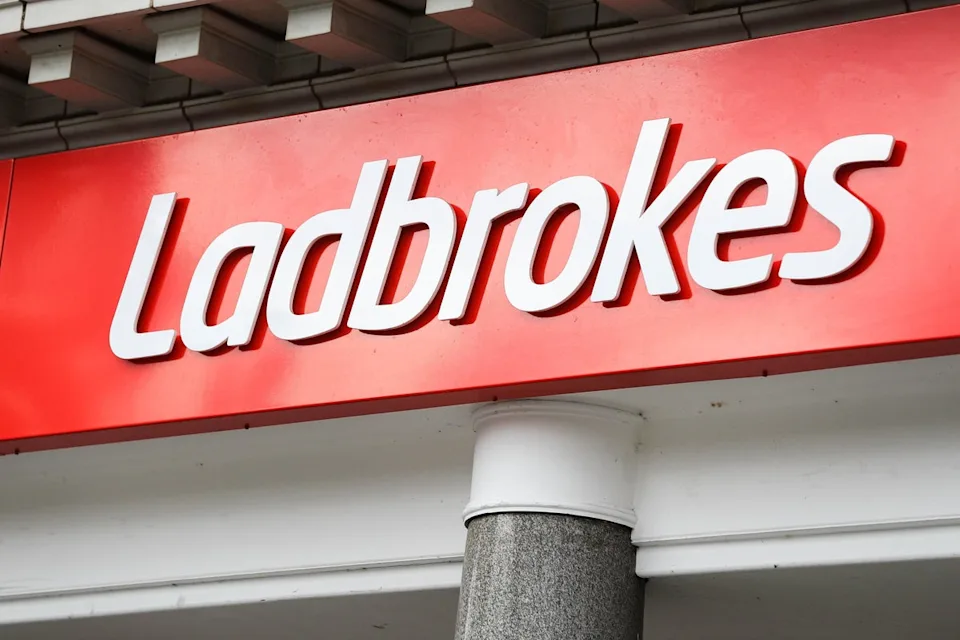
Entain, the owner of Ladbrokes, Coral and BetMGM, is preparing to cut around 400 customer-care jobs in the UK, just weeks after the gambling group reported stronger-than-expected financial performance for the first half of 2026.
The company has begun a consultation process that could affect roughly one in five of its 2,000 customer-care positions. The proposed reductions come as Entain faces higher operating costs in the UK and further uncertainty over the future taxation of gambling businesses.
Entain said the proposed changes were intended to keep the business competitive and financially resilient as the sector faces what it described as an increasingly difficult operating environment. Chief executive Stella David said the company understood the potential impact on employees and that supporting affected staff was an immediate priority.
The planned job reductions have drawn attention because they follow the publication of Entain’s first-half results, which showed the company continuing to generate substantial earnings despite pressures from higher UK gambling taxes.

For the six months ending 30 June 2026, Entain reported underlying EBITDA of £479m, down 2% from £489m in the same period a year earlier but ahead of market expectations. The company said the performance reflected stronger-than-expected revenue, although the benefit was partly offset by the impact of increased UK online gambling taxation.
Entain’s reported revenue for continuing operations reached £2.51bn in the first half, compared with £2.34bn a year earlier. Underlying operating profit was £318.9m, down from £352.4m, while the company reported a loss after tax of £11.4m for continuing operations.
The figures illustrate the distinction between the company’s underlying earnings and its statutory bottom line. While underlying EBITDA remained close to half a billion pounds, Entain’s reported loss after tax reflected other financial items, including separately disclosed costs, financing charges, foreign-exchange movements and taxation.
The company nevertheless declared an interim dividend of 10.3p per share, an increase of 5% compared with the corresponding payment in 2025. Entain said it expected the dividend, worth approximately £65.9m in total, to be paid in September.
The proposed job cuts are concentrated in customer-care operations. Entain has previously said its global Customer Protection team includes hundreds of employees responsible for communicating with customers where concerns or potential problems have been identified. Its wider customer-care operation is larger, reflecting the scale of its international business.
The company operates across numerous markets and owns a portfolio of betting and gaming brands, including Ladbrokes and Coral in the UK and its 50% interest in BetMGM, its US-focused joint venture with MGM Resorts.
Entain’s management has been pursuing a broader restructuring strategy alongside efforts to improve financial performance. In its August results announcement, the company said it was pursuing a phased exit from its central and eastern European business, Entain CEE, with an initial 20% divestment agreed for €425m. The transaction implied a total enterprise value of approximately €2.1bn for the business.
The company said proceeds from a full exit from Entain CEE would be used partly to reduce leverage, with excess capital potentially returned to shareholders.
At the same time, the UK operation is facing a changing tax environment.
The government has already increased the Remote Gaming Duty rate from 21% to 40% from 1 April 2026. The change applies to profits from remote gaming and forms part of a wider package of gambling-duty reforms announced at the 2025 Budget.
A further change is scheduled for April 2027, when a new 25% rate of General Betting Duty will apply to most remote betting. Remote betting on UK horseracing and bets made through self-service betting terminals at licensed premises are excluded from that new rate and will remain subject to the existing 15% rate under the government’s legislation.
The government has said the gambling-duty changes are intended to raise more than £1bn a year for public finances while creating what it describes as a fairer and more sustainable tax system.
Entain has argued that taxation is creating additional pressure on its UK business. The company has also warned about the possible effect of any further increase in Machine Games Duty, which applies to certain gaming machines in betting shops and other licensed premises.
Current HM Revenue & Customs rules set Machine Games Duty at 20% for standard machines with a cost to play between 21p and £5, while the higher rate for machines with a cost to play above £5 is 25%.
The possibility of further changes has become an important issue for businesses with significant retail operations. Entain chief executive Stella David has argued that a substantial increase in the standard machine-duty rate could raise costs across the company’s betting-shop estate.
According to the figures cited in the original report, Entain estimates that doubling the standard rate from 20% to 40% could add around £100m to the cost of operating its UK retail business. The company has also argued that such an increase could result in significant numbers of betting-shop closures and associated job losses.
Those figures are company estimates rather than established outcomes. The eventual effect would depend on any tax measures adopted by the government, how businesses responded and how consumers’ behaviour changed.
The broader debate has also focused on the distribution of gambling premises across the UK. Research cited by campaigners and policymakers has raised concerns about the concentration of some forms of gambling activity in economically disadvantaged communities.
For Entain, the combination of taxation, changing consumer behaviour and cost pressures comes alongside a strategy designed to improve efficiency and concentrate investment on areas where management sees stronger growth potential.
Its first-half results showed that online net gaming revenue increased by 7% on a constant-currency basis, while UK and Ireland net gaming revenue increased by 8%. UK and Ireland online revenue rose by 13%, according to the company’s results. Retail revenue also performed comparatively strongly, although its growth was more modest.
Entain said its overall online performance had exceeded expectations and reiterated its forecast for 5% to 7% growth in online net gaming revenue during 2026 on a constant-currency basis.
The company is also targeting underlying EBITDA, excluding parent fees, within a range of £910m to £960m for the full year.
The contrast between these financial targets and the proposed job reductions highlights the pressures facing large companies even when revenue and underlying earnings remain substantial. Businesses can cut costs, reorganise operations and invest in new technology at the same time as reporting profits or positive underlying earnings.
For employees affected by the consultation, however, the immediate issue is the possibility of losing their jobs. Entain has not yet completed the consultation process, meaning the final number of positions removed could differ from the initial proposal.
The company has said the decision was not taken lightly and that it would support colleagues affected by the changes.
Entain’s restructuring also reflects wider changes within the company. Its history shows a business that has evolved from its origins as GVC Holdings into a multinational gambling group with operations and brands across numerous markets. The company has been led by Stella David since she became its permanent chief executive in 2025.
Its financial position remains closely watched by investors. Entain said its net debt stood at £3.599bn at the end of June, with reported leverage at 3.1 times underlying EBITDA. The company also reported approximately £900m of available cash.
The company’s shares have also experienced a difficult year. The original report noted that the stock had fallen by about 36% since the start of 2026, while the London Stock Exchange continues to list Entain under the ticker ENT.
Entain is due to move from the FTSE 100 into the FTSE 250 index from 21 September, reflecting the company’s current market valuation rather than a change in its underlying corporate structure.

The planned customer-care job cuts therefore come at a complicated point for the company. Entain is reporting growth in several parts of its business and maintaining its full-year financial guidance, while simultaneously seeking to reduce costs and adapt to higher taxation and regulatory pressures in the UK.
The consultation will determine how many employees are ultimately affected. Beyond the immediate employment consequences, the decision provides another indication of how major UK gambling companies are responding to a changing tax and regulatory environment.
For policymakers, the competing considerations include public revenue, employment, the viability of high-street businesses and the wider social effects associated with gambling. For Entain, the immediate challenge is to manage those pressures while maintaining the financial performance expected by investors.
The proposed 400 job reductions are therefore not simply an isolated workforce decision. They form part of a wider restructuring of one of Britain’s largest gambling groups as it responds to higher taxes, changing regulation, shifting consumer behaviour and the company’s own efforts to reshape its international portfolio.
Related News:
 Thames Water Revises Oxfordshire Mega-Reservoir Plan
 UK Retailers Accused of Breaking Refund Laws
 Pubs and Hotels Face Business Rates Reform Review
 UK Households Could Save £173 on Fixed Energy Deals
 Spire Healthcare Agrees £1bn Takeover by Toscafund
 UK House Prices Fall as Mortgage Rates Rise
 Oil nears $100 as Saudi attacks shake markets
 John Lewis Losses Widen to £124m as Confidence Falls
 Farage Threatens Union Funding Ban Over Reform Donations
 UK State Pension Set to Rise 3.9% as Triple Lock Holds
 UK Parents Cut School Uniform Costs as Prices Rise
 Fashion Firms Urge UK-Made NHS and Army Uniforms
 UK Pay Growth Slows to 3.9% as Rate Decision Nears
 Bank Urged to Slow Bond Sales as UK Costs Rise
 UK Inflation Hits 3.1% as Household Pressure Grows
 UK Youth Jobs Gap Reveals Deep Regional Divide
 Mayors Could Gain New Powers Over UK Water Firms
 Mayors Could Gain Greater Powers Over Water Firms
 Wealthy Britons Flee Gulf War but Avoid UK Taxes
 UK Wage Growth Slows as Jobs Market Holds Firm
 BBC News Faces Deep Cuts in 2,000 Job Plan
 New UK advice scheme to boost savings and investing
 City & Guilds Faces Governance Crisis Over Sale
 Reeves Fights to Keep Treasury Role Amid Labour Turmoil
 UK rejects EV charging VAT cut amid Treasury clash
 Firms on both sides fear damage from US-Canada trade war
 Burnham Faces Mounting Budget Challenges
 UK Subsidence Claims Surge After Record-Breaking Summer
 Ukraine Moves to Seize Water Company
 UK Cost Squeeze Deepens as Mortgages and Gas Rise
 UK retailers plan 100,000 placements for young people
 Billionaire Chris Rokos poised to leave UK
 Councils spend £125m on illegal children’s care
 JPMorgan Boss Warns Against UK Bank Tax Rise
 Reform UK Receives Record £36m Donation From Crypto Billionaire
 Oil Prices Surge as Saudi Pipeline Closure Deepens Crisis
 Reform Faces Questions Over £72m Donations
 North Sea Firms Urge Early End to Windfall Tax
 JLR Eyes NATO Market With New Defender Military Vehicle
 Slave-Trade Wealth Embedded in Britain’s Financial System
 Horse Hill Oil Site Sold as New Drilling Bid Emerges
 Seoul Restaurant Fined Over Ant-Topped Dessert
 Horse Hill Oil Site Sold for £1m as Drilling Bid Returns
 UK Youth Jobs Gap Exposes Sharp Regional Divide
 Supreme Court Ruling on Car Finance Scandal Poised to Impact Millions of Motorists and Banks
 David Lammy Faces Possible Legal Challenge Over Foreign Office Secondment Scheme
 Lucy Powell urged ministers to reconsider costly legal case for Labour donor’s firm
 Virgin Media Fined £23.8m Over Telecare Safety Failures
 UK Banks Maintain £100 Contactless Limit Despite FCA Rule Change
 UK Doubles Steel Tariffs to 50% to Protect Domestic Plants
 Rising Costs Force Families to Rethink Days Out
 Glasgow Central Set for Full Reopening After Fire
 Student Loan Interest May Rise Despite 6% Cap
 Synagogue Arson Attempt Sparks Security Fears
 City & Guilds Sale Sparks Fees and Pay Uproar
 Ukraine Urges UK to Seize Russian Oil Tankers
 Albanese Rejects Gas Export Tax Push
 Millions Face Food Poverty as Consumer Confidence Hits Record Low
 Greens Face Internal Row Over Antisemitism Claims
 Barrister Criticises Trial After Suicide Case Verdict
 Father’s diaries reveal doubts over Hawking
 UK Pushes for New EU Goods Trade Deal
 Weight-Loss Drugs Transform Fashion Shopping Habits
 Trump Refuses to Sign Housing Bill, But Law Takes Effect
 Westminster Council Threatens Charing Cross Soup Kitchen
 BBC Warned About Missing Clothes of Murder Victim
 Weight-Loss Drugs Offer Food Savings Mainly to High Earners
 Burnham unveils £65m drought aid for farmers
 Unions Warn Labour Over Zero-Hours Contract Reforms
 US CEOs Earn 614 Times More Than Workers
 UK Risks Falling Behind in AI Race
 Europe Faces Winter Gas Supply Anxiety
 Internal Exclusions Surge in England’s Schools
 Reform Faces Fresh Financial Controversy
 Swedish Mining Push Puts Sami Land Rights Under Pressure
 UK plans tougher Israel stance with settlement trade ban
 McLaren to Create 1,000 UK Jobs in £450m Investment
 Nats Boss Summoned as UK Flight Chaos Continues
 Iceland to Open First UK High Street Store in Falklands
 UK Heatwaves Set to Worsen Pothole Damage, RAC Warns