Published: 19 September 2026. The English Chronicle Desk. The English Chronicle Online.
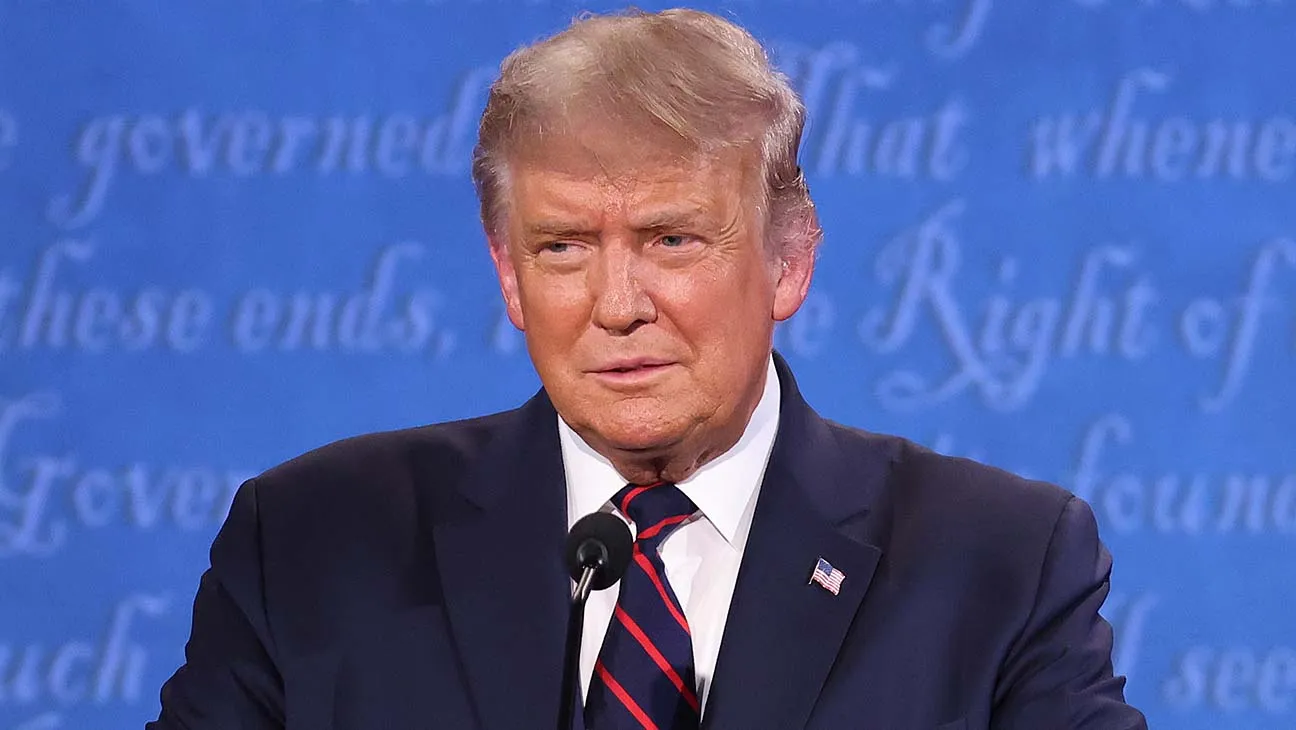
US President Donald Trump’s decision to bar CNN, MS NOW and Politico from the White House has triggered a fresh confrontation over press access, constitutional protections and the relationship between the executive branch and independent news organisations.
Trump announced the restrictions on Friday, accusing the three outlets of repeatedly publishing what he described as false and excessively negative coverage of his administration. He said the ban was effective immediately and suggested that other news organisations could face similar restrictions.
The announcement quickly drew criticism from press freedom organisations, journalists, lawmakers and legal experts, who questioned whether the administration can deny White House access to news organisations because of the content of their reporting. The dispute has also revived memories of earlier legal battles during Trump’s first administration, when attempts to restrict individual journalists were challenged in court.
The White House has not publicly provided detailed rules explaining how the latest restrictions will operate or precisely what forms of access will be affected. Questions remain over whether the decision covers only Oval Office events and formal press activities or extends to the wider White House complex.

Trump has made clear that his dissatisfaction is centred on coverage he considers unfair. During an exchange with reporters at the White House, he repeatedly criticised organisations that he said consistently portrayed his administration negatively. He also pointed to conservative and right-leaning outlets as examples of organisations from which he believed he received more favourable treatment.
The president’s comments have become a central part of the controversy because they appear to connect access to the White House directly with the tone and content of media coverage.
Trump argued that the White House is a public institution but said he did not believe he was required to allow organisations that he considers dishonest to enter the building. When reporters raised the First Amendment and previous court decisions involving press access, he maintained that courts should not permit what he regards as false reporting.
The argument has placed the administration in a difficult constitutional debate. The First Amendment protects freedom of the press and restricts government action that discriminates against speech on the basis of viewpoint. At the same time, the White House has historically exercised authority over the practical organisation of presidential media events and access.
The legal question is therefore not simply whether the president can criticise journalists. Presidents are free to disagree publicly with news organisations and to challenge their reporting. The more significant issue is whether government-controlled access can be withheld as a form of punishment because an organisation has published coverage that the administration dislikes.
Press freedom organisations have strongly objected to the move. They argue that government access to the presidency should not be conditioned on favourable reporting and that journalists covering the executive branch must be able to ask difficult questions without fear that their organisations will lose access.
The White House Correspondents’ Association has also raised concerns about the implications of the decision. The organisation has argued that constitutional press protections do not depend on whether a president approves of a particular news organisation’s coverage, reporting or questions.
CNN has rejected the administration’s justification and said its White House team would continue its work. The network has maintained that journalists have a constitutional right to report on the government without interference based on the content of their journalism.
Politico has similarly said it intends to continue covering the administration and defend its constitutional rights. MS NOW, meanwhile, had not immediately provided a detailed public response when the announcement was made.
The controversy is not occurring in isolation. Trump has had a long and often confrontational relationship with the American news media, dating back to his first presidential campaign. During his first administration, he repeatedly criticised major news organisations and engaged in disputes with individual reporters.
One of the most prominent cases involved CNN correspondent Jim Acosta, whose White House press credentials were revoked in 2018 after a contentious exchange with Trump during a news conference. The decision was challenged in court, and Acosta’s access was subsequently restored.
More recently, the administration has also been involved in a dispute with the Associated Press over access to presidential events. That conflict centred on the administration’s insistence that the Gulf of Mexico be referred to as the “Gulf of America” in government settings. The AP challenged restrictions imposed on its journalists, leading to another legal dispute over the extent of presidential control over press access.
Those earlier conflicts provide important context for the latest confrontation. Legal precedents in press-access disputes have generally distinguished between the government’s ability to organise limited-access events and its ability to exclude journalists because of the viewpoints expressed in their reporting.
The current dispute could therefore result in another court challenge if the administration implements the ban broadly.
Trump has also indicated that CNN, MS NOW and Politico may not be the final organisations targeted. During his comments, he mentioned other major American newspapers as examples of outlets whose reporting he considers unfair, although he did not announce equivalent bans against them.
That possibility has added to concerns among press organisations that the dispute could develop into a broader struggle over the composition of the White House press corps.
The controversy has also highlighted the importance of how presidents manage access to reporters. For decades, journalists representing newspapers, television networks, wire services and other organisations have worked from the White House complex, attending briefings and travelling with presidents under established press arrangements.
Presidential administrations have frequently disagreed with journalists. Reporters have challenged presidents over wars, economic policy, scandals, immigration, elections and other sensitive issues. The traditional expectation, however, has been that disagreement over coverage does not determine whether a particular news organisation is permitted to report from the seat of government.
Trump’s approach has increasingly challenged that tradition. His administration has sought greater influence over which journalists receive access to certain presidential events, while Trump himself has frequently used public appearances to criticise individual reporters and media organisations.
Friday’s confrontation also demonstrated how access can influence the flow of a presidential news conference. Reporters who questioned Trump about the media restrictions faced sharp responses, while journalists from conservative outlets were sometimes given opportunities to move the discussion toward other political subjects.
The dynamic has raised broader questions about whether selective access could influence the type of questions a president receives and, consequently, the information available to the public.
Former President Barack Obama also commented on the controversy during an appearance in New York. Referring to Trump’s decision, Obama recalled the possibility of a president excluding a major conservative news organisation and said such a situation would once have seemed difficult to imagine.
The dispute comes at a politically sensitive time in the United States, with the 2026 midterm elections approaching and early voting already beginning in some areas. The White House is facing intense scrutiny over foreign policy, the economy, immigration and other domestic issues.
The media conflict therefore extends beyond the immediate question of which organisations can enter the White House. It touches on how Americans receive information about government decisions and whether a president can use institutional access to reward favourable coverage or punish critical journalism.
For Trump, the issue is framed around what he considers inaccurate or unfair reporting. His administration has repeatedly argued that major news organisations can distort public understanding through what it describes as partisan or hostile coverage.

Press freedom advocates, however, argue that the solution to inaccurate reporting is public criticism, corrections, competing journalism and, where appropriate, legal remedies—not government control over who is permitted to cover the president.
The ultimate outcome is likely to depend on how the ban is implemented and whether affected organisations pursue legal action. Previous disputes indicate that courts may be asked to examine whether the administration’s restrictions are based on legitimate access considerations or on disagreement with journalistic viewpoints.
For the American press, the episode represents another test of the longstanding relationship between presidential power and independent journalism. For the administration, it is another attempt to confront media organisations that Trump says have treated him unfairly.
What remains unresolved is how far the White House can go in determining which journalists are allowed to observe and question the president. That question is now moving from political argument into a potentially significant constitutional dispute, with implications extending well beyond the three organisations named in Trump’s announcement.
Related News:
 US states redraw maps after voting rights ruling
 Thousands Protest ICE Operations in Nationwide US Day of Action
 US Court Ruling Reshapes Voting Rights Landscape
 Cartel crackdown raises fears of fresh violence
 Judge halts deportation of Yemeni refugees in US
 Trump warns Iran as Middle East tensions surge again
 US ‘Narco Boat’ Strikes Draw Global Outcry
 US Court Restores Abortion Pill Access Temporarily
 Immigration Judges Fear Pressure in Trump Era
 Trump’s Revenge Drive Deepens GOP Divide
 Former ICC prosecutor condemns US sanctions
 Gunman Killed After White House Security Shootout
 Mystery Grows Over Mitch McConnell’s Health
 Is America Ready for an AOC Presidential Run?
 Judge Allows Pentagon Firings at Stars and Stripes
 Trump Calls Iran War ‘Small Potatoes’ Despite US Deaths
 Experts Warn of Growing US Terrorism Risks 25 Years After 9/11
 New Mexico Takes Facebook to Trial Over Data Scandal
 Israel Accused of Undermining Palestinian Life
 China-critical UK academics face ‘extremely heavy’ pressure from Beijing
 US Justice Department Files Lawsuit Against California Over Partisan Voting Maps
 Trump Deploys DHS to Charlotte in Major Arrest Operation
 Texas Governor Faces Lawsuit From CAIR
 US National Guard Member Killed in DC Shooting
 Chinese & Japanese Boats Clash Near Disputed Islands
 Trump Escalates Minnesota Immigration Surge Amid Rising Tensions
 Greenland Faces Pivotal Summit Over Arctic Power Struggle
 Trump officials continue false claims after Alex Pretti shooting
 UK and EU Signal Fresh Push for Defence Cooperation Talks
 Partial US Government Shutdown Hits Homeland Security Funding
 Epstein Files Reveal Trump Officials’ Emails with Financier
 Thousands Protest ICE in New York Against Trump Deportation Campaign
 Clinton Testimony Erupts in Fiery Exchange
 Report Says Pezzullo Acted ‘Recklessly’ in Dealings
 Hungary election: Orbán faces biggest test amid scandal
 Suspected Plot Targets Pipeline Before Hungary Vote
 Iran Crisis Tests Trump’s Global Leadership
 Ben Roberts-Smith Denies War Crime Allegations in First Statement
 Trump Faces Crisis as Iran Reopens Hormuz Tensions
 Charles Faces Trump Test in High-Stakes US Visit
 UK Stands Firm on Falklands Amid US Rift
 Trump at Press Dinner Sparks Tension
 US Court Weighs Fate of TPS for Migrants
 Florida Redistricting Map Sparks Major US Political Battle
 Trump orders US troop pullout from Germany
 White House Security Case Sparks Political Firestorm
 Trump approval plunges amid Iran war fears
 Ohio’s Battle for Trust: Democrats Vying to Flip the Buckeye State
 Trump Threatens UN Budget Cuts as US Pushes ‘Trade Over Aid’ Agenda
 Ohio Primaries Set Stage for Crucial Midterms
 Afghan Families Left in Limbo Face Risk of Deportation
 Florida Surgeon ‘Devastated’ Over Fatal Surgery Error
 Tensions Emerge in Netanyahu-Trump Alliance
 US Awaits Iran Reply on New Ceasefire Proposal
 US green card applicants must apply from abroad, DHS says
 Tulsi Gabbard exits after turbulent intelligence tenure
 Hormuz Talks Near Critical Stage
 Prosecutor Proposes Law to Combat Election Deceit
 House Curbs Trump’s War Powers in Rare Rebellion
 New Footage Revives Peter Falconio Mystery
 Le Pen’s Popularity Holds Despite Conviction
 Trump Refuses to Sign Housing Bill, But Law Takes Effect
 Houthis Strike Saudi Arabia as Middle East Tensions Rise
 Trump Orders Signs Criticising Smithsonian Museum
 Israeli Strike in Southern Lebanon Kills Seven
 Trump Calls Strait of Hormuz ‘American Territory’
 Ukraine Villagers Demand Answers After Deadly Arms Depot Strike
 Trump Hardens Canada Trade Stance as Talks Stall
 UK plans tougher Israel stance with settlement trade ban
 Trump gives $45,000 holiday gifts to White House aides
 Europe’s democracies face a growing far-right threat
 Trump’s Washington Projects Face Architectural Criticism
 Fugitive Developer Rants at NSW Corruption Inquiry
 Texas Charges Seven Noncitizens in Voting Crackdown
 Amnesty Finds Coordinated Abuses in Iran Protest Crackdown
 Turkey LGBTQ Crackdown Expands With New Arrests
 Iran School Strike Raises War Crimes Questions, UN Says
 US Sanctions Open New Battle for Cuba Assets
 Omar Proposes Bill to Redirect ICE Funding
 Saudi Pact Raises Risk of Pakistan Entering War