Published: 03 October 2026. The English Chronicle Desk. The English Chronicle Online
A federal judge has temporarily blocked the Trump administration from carrying out border wall and related infrastructure construction across the Big Bend region of west Texas, putting a halt to work that had generated opposition from environmental groups, local residents, landowners and politicians from both major US parties.
US district judge Kathleen Cardone issued the preliminary injunction after a hearing in El Paso on Friday. Her order prevents US Customs and Border Protection from building border barriers or related infrastructure, or conducting ground-disturbing construction activities in the Big Bend sector, unless the work complies with federal environmental and other laws.
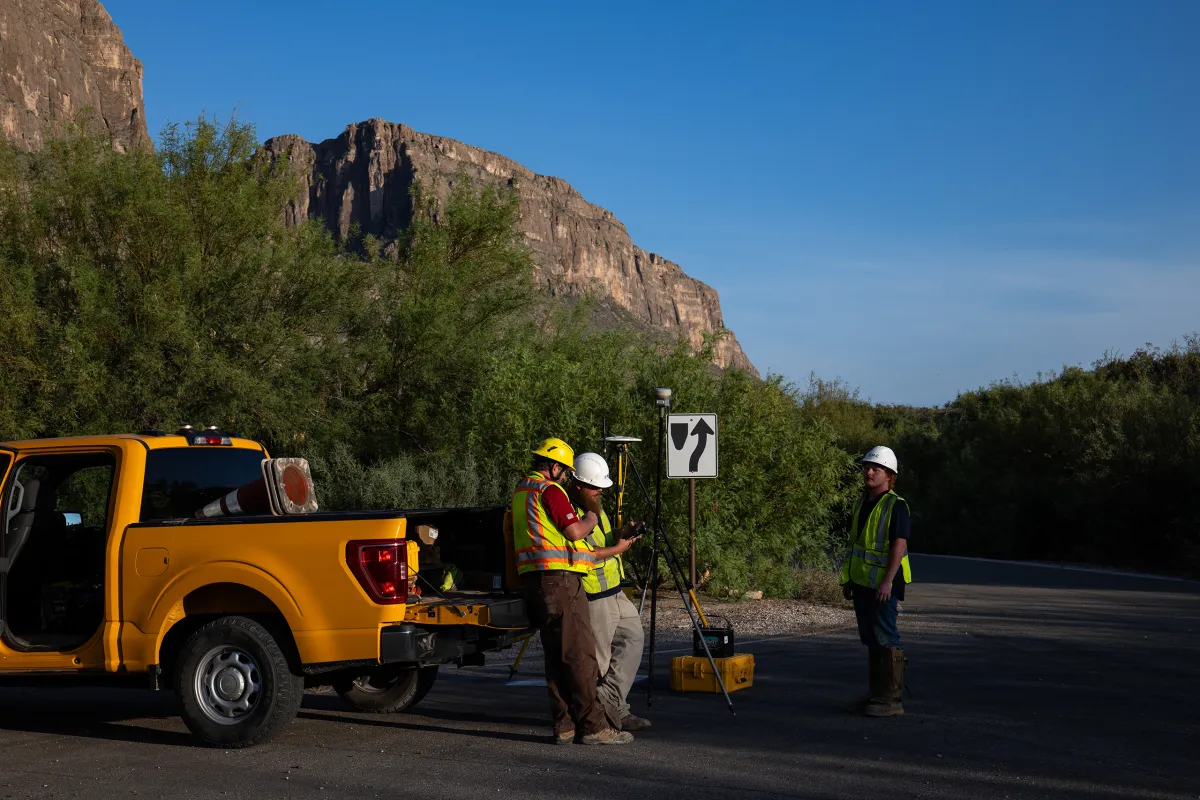
The ruling comes as the administration has been accelerating its broader effort to expand infrastructure along the US-Mexico border. Big Bend has emerged as one of the most contentious areas because the proposed work would affect a remote landscape that includes the internationally recognised Big Bend National Park.

The legal challenge was brought by the Center for Biological Diversity, Friends of the Ruidosa Church and a local river guide and landowner. The plaintiffs challenged waivers issued by the Department of Homeland Security that suspended the application of numerous environmental, historical and other federal protections in order to speed up border infrastructure construction.
Judge Cardone found that the plaintiffs were likely to succeed on at least some of their legal claims and could face serious and irreparable harm if construction continued while the case was being considered.
The order therefore prevents the government from proceeding with construction in the affected area unless it follows the federal laws that the challenged waivers had sought to bypass.
The decision follows months of controversy over plans for Big Bend. Earlier in the year, construction activity drew national attention after bulldozers were seen clearing land in the national park. The images prompted criticism from conservation groups and local residents, as well as concerns from politicians across the political spectrum.
The administration temporarily paused activity in August following the backlash. Construction activity elsewhere in the broader region resumed in September, while the government continued to review what infrastructure could be installed inside the national park.
The plans for Big Bend have evolved during the controversy. Rather than relying solely on the 30-foot steel bollard walls planned for other parts of the southern border, the government has proposed a combination of roads, vehicle barriers, surveillance technology and other security infrastructure in the national park and surrounding areas.
The government has argued that the projects are part of its responsibility to strengthen border security. Customs and Border Protection has defended its legal authority to carry out the work and said it intends to protect the distinctive landscape while improving security.
Following Friday’s ruling, a CBP spokesperson said the agency stood by its assessment and remained confident in its legal authority. The agency said it was working with the Department of Justice to determine the next steps.
The ruling does not end the wider legal dispute. Instead, it prevents construction from proceeding while the court considers the underlying claims concerning the environmental and other legal protections.
Big Bend occupies a particularly unusual position along the US-Mexico border. The region is remote, mountainous and characterised by rugged terrain, including stretches where steep cliffs and difficult landscapes make movement across the border challenging.
Local landowners and officials have argued that these geographical features already make unauthorised crossings difficult in many parts of the region. They have also raised concerns about the consequences of new roads, barriers and other infrastructure for communities and businesses that depend on the area’s landscape and tourism.
The legal dispute is therefore not limited to the national park itself. The judge’s order also covers areas upriver and downriver from the park where federal authorities have proposed additional infrastructure, much of which would require work across privately owned land.
The government has been seeking permission from landowners to survey and construct infrastructure on their property. In some cases, however, officials have indicated that they may refer disputes to the Justice Department, potentially leading to legal proceedings over access to land.
The wider border infrastructure programme is backed by a substantial federal funding allocation. Congress included about $46 billion for border wall construction in a major spending package, providing the administration with significant resources for its plans along the southern border.
CBP has been using those funds for a mixture of steel barriers, vehicle barriers, roads and surveillance technology. The agency has described the combination as part of a broader “smart wall” approach intended to combine physical infrastructure with technological monitoring.
In the Big Bend region, however, the programme has encountered a distinctive set of challenges.
Environmental organisations say construction could affect wildlife habitats, archaeological resources and the landscape of the national park. Advocates for historic sites have also expressed concern about the potential impact of construction on culturally significant areas.
The Center for Biological Diversity welcomed the court’s decision, describing it as a major development in the dispute. Laiken Jordahl, a public-land advocate with the organisation, said the ruling would protect the area while the legal challenge continued.
Supporters of the project, however, maintain that border security remains a federal responsibility and that infrastructure can be designed to limit environmental impacts. CBP has said it is working to balance security requirements with protection of the region’s landscape.
The debate has also drawn attention from Republicans who have raised questions about the project. Texas Senator John Cornyn has urged federal officials to consult with local communities and reconsider aspects of the proposed barriers, pointing to the region’s rugged terrain as an existing obstacle to illegal crossings.
That opposition has added a political dimension to a dispute that also involves environmental protection, property rights and federal authority.
The administration’s wider border policy remains focused on expanding physical and technological infrastructure along the southern border. President Donald Trump has repeatedly made border barriers a central element of his immigration and border-security agenda.
The Big Bend case illustrates the legal and practical difficulties that can arise when such infrastructure projects enter environmentally sensitive areas or require access to privately owned property.
For conservationists and local residents, the court’s decision provides a temporary pause while the underlying legal questions are considered. For federal border officials, it creates another obstacle to a construction programme that the administration has sought to accelerate.
The court will ultimately have to consider whether the government was legally entitled to suspend the environmental and historical protections challenged by the plaintiffs and whether the planned construction can proceed under federal law.
The outcome could have implications beyond the immediate construction sites. Big Bend represents one of the longest stretches of the US-Mexico border without a continuous wall, making it an important part of the administration’s broader infrastructure strategy.

At the same time, the region’s distinctive environment and low-density communities make it different from more urbanised sections of the border.
The temporary injunction therefore leaves the future of the project uncertain. Construction cannot proceed in the affected area unless federal requirements are met, while the administration considers its legal options and the court continues to examine the case.
For residents, conservation groups and government officials, the coming stages of the litigation will determine whether the proposed roads, barriers and surveillance systems can ultimately be built, modified or abandoned.
The immediate effect of Friday’s ruling is clear: major border infrastructure construction in the Big Bend sector has been placed on hold by a federal court while the legal dispute over environmental protections and government authority moves forward.
Related News:
 US National Guard Member Killed in DC Shooting
 Trump to pause migration from ‘third-world countries’
 Franklin Turtle, Sabrina Carpenter Slam US Social Media Use
 Trump officials continue false claims after Alex Pretti shooting
 Partial US Government Shutdown Hits Homeland Security Funding
 Thousands Protest ICE Operations in Nationwide US Day of Action
 Swalwell Faces Pressure to Quit Governor Race
 Harmeet Dhillon Faces Scrutiny in DOJ Role Debate
 Trump at Press Dinner Sparks Tension
 Judge Blocks Trump Bid for Arizona Voter Data
 US Court Weighs Fate of TPS for Migrants
 Florida Redistricting Map Sparks Major US Political Battle
 US Voting Rights Ruling Sparks Celebration and Outcry
 US Court Ruling Reshapes Voting Rights Landscape
 US states redraw maps after voting rights ruling
 Judge halts deportation of Yemeni refugees in US
 White House Security Case Sparks Political Firestorm
 Trump warns Iran as Middle East tensions surge again
 US Supreme Court fast-tracks Voting Rights ruling
 US Court Restores Abortion Pill Access Temporarily
 Immigration Judges Fear Pressure in Trump Era
 FDA Chaos Deepens as Trump Eyes Makary Exit
 US judge dismisses Kilmar Abrego Garcia indictment
 US green card applicants must apply from abroad, DHS says
 Tulsi Gabbard exits after turbulent intelligence tenure
 Trump’s Revenge Drive Deepens GOP Divide
 Former ICC prosecutor condemns US sanctions
 Gunman Killed After White House Security Shootout
 Prosecutor Proposes Law to Combat Election Deceit
 Trump Weighs Retreat from Controversial $1.8bn Slush Fund
 US Courts Back Trump on Park Signage Removals
 Mystery Grows Over Mitch McConnell’s Health
 Trump Refuses to Sign Housing Bill, But Law Takes Effect
 Trump Orders Signs Criticising Smithsonian Museum
 Judge Allows Pentagon Firings at Stars and Stripes
 Armed Suspect Attacks Ohio Governor Candidate
 Trump gives $45,000 holiday gifts to White House aides
 New Mexico Takes Facebook to Trial Over Data Scandal
 UK Urged to Probe US Diplomat Case
 Texas Transfers Raise Fears for Migrant Children
 Memphis Questions National Guard Crime Surge
 Trump Media Ban Triggers First Amendment Clash
 ICE Shooting in Austin Sparks Calls for Transparency
 US Deportation Deals Send Migrants to Unfamiliar Countries
 US Networks Suspend Trump White House Pool Coverage
 Trump and Mamdani Hold Cordial Gracie Mansion Meeting
 Democrat Says ICE Restricted Detention Camp Oversight
 CNN, MS NOW Barred From Xi State Dinner Coverage
 Republican Senator Questions Trump Ad Spending
 Trump Ads Trigger Fight Over Taxpayer Money
 Kristi Noem Files for Divorce After 34 Years
 Trump Immigration Policy Faces New Legal Tests
 French Taxi Driver Cleared in David Lammy Theft Case After Fare Dispute
 Major Rent Reform Ends No-Fault Evictions in England
 Trump Deploys DHS to Charlotte in Major Arrest Operation
 ICC to Rule on Duterte’s Provisional Release
 Australia grants Asio powers to designate hate groups under new laws
 Trump press secretary attacks reporter over ICE question
 Trump Fed bid heads to Supreme Court
 Sinema payment row deepens after $9,000 transfer claim
 Nurses’ families fear breakup under UK immigration crackdown
 California Democrats Vow Trump Reckoning
 Trump’s Surgeon General Pick Evades Vaccine Questions
 Adelaide University Faces Backlash Over Event Cancellation
 Proposed Law Leaves Gap for Children of Convicted Paedophiles
 Trump Signals Hope for New Iran Talks as Ceasefire Fades
 UK Stands Firm on Falklands Amid US Rift
 Investigation Into Anti-Trump Motives After Gala Shooting
 Trump Defiant After Washington Hotel Shooting
 Trump orders US troop pullout from Germany
 Kevin Warsh sworn in as Fed chair amid economic backlash
 AOC Backs El-Sayed in Tight Michigan Senate Primary
 Trump’s Mount Rushmore Speech: A Divisive Anniversary
 Houthis Strike Saudi Arabia as Middle East Tensions Rise
 Unions Warn Labour Over Zero-Hours Contract Reforms
 Trump Calls Iran War ‘Small Potatoes’ Despite US Deaths
 Mahmood Warns Far Right Over Asylum Protests
 US Sends Third Carrier to Middle East
 Badenoch Raises Prospect of 2027 UK Election
 French School Protests Escalate as 400 Schools Close