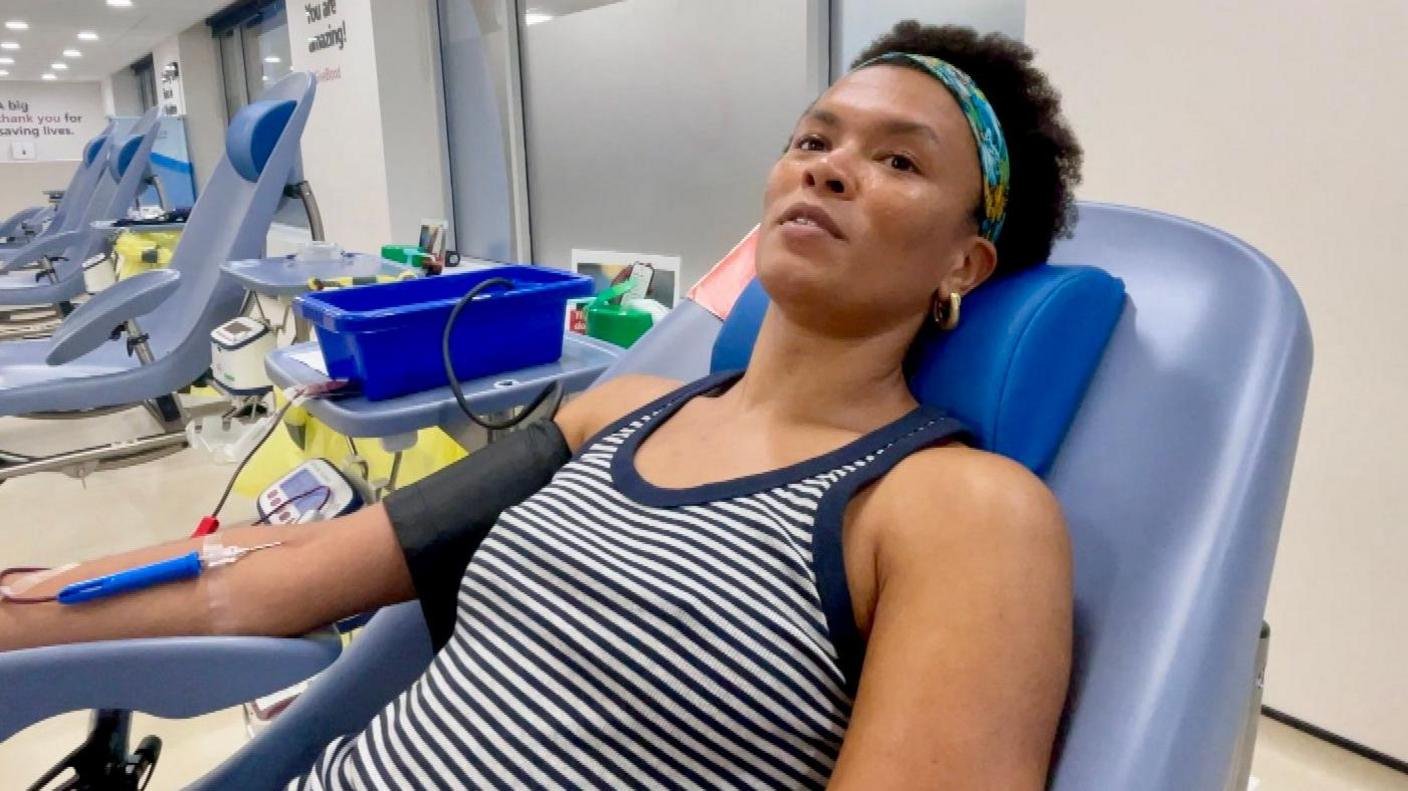
Blood services across the United Kingdom have issued an urgent appeal for 150,000 donations as winter approaches, warning that supplies of several essential blood types have fallen to dangerously low levels. Health officials fear that increasing seasonal illnesses, rising demand for transfusions and difficulties maintaining regular donations could place additional pressure on the National Health Service (NHS) in the coming weeks.
The appeal comes at a critical time for hospitals, which depend on a consistent supply of donated blood, platelets and plasma to treat patients with serious illnesses, support emergency operations and provide life-saving care. Officials have warned that reserves of some blood groups are currently only around half the level considered necessary to meet the country’s requirements.
Among the blood types facing particular shortages are O negative, B negative, O positive and RO blood. These supplies are especially important for maintaining the NHS’s ability to respond to different medical needs, including emergencies and the treatment of patients who require regular transfusions.

The NHS needs approximately 5,000 blood donors every day, including existing donors and new volunteers, from now until the beginning of the new year. Blood service authorities are therefore encouraging people across the country to book donation appointments and help replenish supplies before winter demand increases further.
The immediate target is to fill 150,000 donation appointments over the coming weeks. Health officials believe achieving this goal will provide hospitals with a stronger supply position and help ensure that patients continue receiving essential treatment without unnecessary disruption.
One of the biggest challenges facing blood services is the limited storage life of donated products. Red blood cells can generally be stored for only 35 days, while platelets have an even shorter shelf life of approximately seven days. This means that blood collection organisations cannot rely on large reserves accumulated months in advance. Instead, they must maintain a continuous flow of donations throughout the year.
The situation becomes particularly challenging during winter, when seasonal illnesses can affect both donors and patients. Colds, coughs, influenza and other respiratory infections often prevent otherwise willing volunteers from donating blood. People who are unwell must follow donation eligibility guidance and wait until they have recovered before giving blood.
At the same time, winter illnesses can increase the medical needs of vulnerable patients. Individuals living with long-term health conditions, including sickle cell disease and cancer, may require additional blood or platelet transfusions to manage complications and protect their health.
This combination of reduced donor availability and increased demand creates additional pressure on the national blood supply system. Health authorities are therefore urging the public to recognise that regular donations are essential not only during emergencies but throughout the year.
Gerry Gogarty, director of blood and plasma supply at NHS Blood and Transplant, stressed the urgency of strengthening supplies as the colder months approach. He explained that patients who depend on regular transfusions can be particularly vulnerable during periods when colds and respiratory infections become more widespread.
He emphasised that maintaining adequate supplies of blood, platelets and plasma is essential to ensure that hospitals can provide treatment whenever patients need it. His appeal reflects growing concerns that without sufficient donations, the health service could face difficulties maintaining the level of support required by people with serious and potentially life-threatening conditions.
The shortage has also become a concern in Scotland, where the Scottish National Blood Transfusion Service announced its first amber alert for O blood types earlier this month. The warning followed a significant decline in stocks, which officials described as being at unprecedented low levels.
According to the Scottish service, the shortage resulted from a combination of fewer donations and increased use of O blood over recent months. The alert highlighted the vulnerability of blood supplies when demand rises while the number of available donors falls.
O negative blood is particularly valuable because it can be used in emergency situations when a patient’s blood group is not yet known. This makes maintaining adequate reserves important for hospitals treating accident victims and people requiring urgent medical intervention. O positive is also widely used, making sufficient supplies essential for routine and emergency healthcare.
Another important element of the current appeal is the need to encourage more people from Black communities to become blood donors. Health authorities have specifically highlighted the importance of increasing donations from people of Black heritage to support patients living with sickle cell disease.
Sickle cell disease is an inherited blood disorder that can cause severe pain, anaemia and other serious complications. Some patients require regular blood transfusions as part of their treatment. However, finding appropriately matched blood can be challenging, making donations from a diverse donor population particularly important.
People with similar ancestral backgrounds are more likely to share certain blood characteristics that can improve the chances of finding compatible matches. Consequently, increasing the number of Black blood donors can help improve treatment options for patients who may otherwise face difficulties obtaining suitably matched blood.
The issue demonstrates that blood donation is not simply about maintaining general hospital reserves. It can also make a significant difference to patients whose medical conditions require carefully matched blood products over extended periods.
Alongside blood and platelets, NHS authorities are seeking to increase supplies of plasma. Plasma is the liquid component of blood and contains proteins that are essential for several medical treatments. Donated plasma is also used to manufacture medicines for people with serious immune system conditions.
These treatments can be particularly important for individuals whose immune systems do not function properly and who depend on specialist medicines to manage their health. Winter can make these conditions more difficult to manage because respiratory infections and other illnesses become more common.
Health officials therefore want to strengthen plasma collection alongside the broader campaign for blood and platelet donations. A reliable supply of these products is necessary to support a wide range of treatments and ensure that patients continue to receive medicines when required.
NHS Blood and Transplant has also highlighted the importance of making donation appointments accessible. Larger donation centres in towns and cities generally provide more appointment opportunities, particularly for first-time donors and people with common blood groups.
Gogarty has encouraged potential donors who cannot immediately find a suitable appointment to continue checking the booking system. New appointments may become available when other donors cancel or change their arrangements, creating opportunities for people who are ready to donate.
The process itself generally takes around an hour, including the necessary registration, health checks and donation procedure. Although the time commitment may appear modest, the contribution can have a substantial impact. According to blood service officials, one donation can help save up to three lives.
For patients undergoing major surgery, receiving cancer treatment or experiencing serious injuries, donated blood can be an essential part of medical care. Platelets help patients whose blood cannot clot properly, while plasma provides important components used in treatments for various medical conditions.
The winter appeal is therefore not only an effort to address an immediate shortage but also a reminder of the importance of public participation in maintaining the country’s healthcare system.
As hospitals prepare for the colder months, the availability of blood products will remain a critical factor in their ability to respond to routine medical needs and unexpected emergencies. Even a temporary decline in donations can create difficulties because these products cannot be stored indefinitely.

Health authorities are consequently asking existing donors to maintain their regular appointments and encouraging eligible people who have never donated before to consider becoming volunteers. Greater participation across different communities and blood groups could help make supplies more stable and ensure that patients receive the treatment they need.
With the demand for healthcare expected to increase during winter, the success of the 150,000-donation campaign could play an important role in protecting patients across the United Kingdom. Officials hope that public support will help rebuild depleted reserves before seasonal illnesses place further pressure on the NHS.
Ultimately, the appeal highlights how an individual decision to donate blood can have consequences far beyond a single appointment. For someone waiting for surgery, receiving treatment for cancer or managing a lifelong condition, a timely donation can mean the difference between delayed care and access to potentially life-saving treatment.
Related News:
 NHS Safety Fears as Nurses Cover Doctor Gaps
 Barrister Criticises Trial After Suicide Case Verdict
 UK Schools Struggle as Classrooms Top 40C
 London Tube Heat Reaches Dangerous Levels
 Disabled Travellers Seek Fairer UK Care Rules
 NHS Breast Care Review Finds Serious Patient Harm
 Headteachers Warn New Ofsted System Is Harming Wellbeing
 GP List Policy Risks Cutting Off Vulnerable Patients
 Fayed Survivors Demand Inquiry Into Medical Regulator
 Banned Health Coach Faces UK Events Criticism
 Experts Warn UK Food Security Is at Risk
 The Cockroach Infestation I Still Cannot Forget
 Teenager Receives UK’s First Testicular Tissue Transplant
 Up to 20 English Maternity Units Face Possible Closure
 Support for NHS Founding Principles Declines Across UK
 Yvette Cooper Reverses NHS Patient Watchdog Abolition Plan
 UK Weighs Tougher Firework Rules Over Animal Welfare
 NHS Rolls Out Child Illness Warning System Across England
 Cumbria Mental Health Hub Shows Early Promise
 UK Review Urges Jobs Revolution for Disabled Youth
 Hundreds of English Children Receive Weight-Loss Drugs
 Hospice Cuts Raise Alarm Across England Amid Funding Crisis
 Patients to Test Health at Home to Ease NHS Winter Pressure
 Shouting Works Best to Deter Gulls, UK Study Finds
 Reeves rejects £1bn plea for NHS redundancy payouts
 Stroke Patient Mistaken for Drunk, Care Delayed
 ‘Traumatic Wait’: Northern Ireland Women Face Breast Cancer Delays
 Five-Year-Old Dies After Rare Tonsil Surgery Complication
 Fibromyalgia Patients Struggle as NHS Fails to Provide Care
 More Patients Now Contacting GPs Online, Data Shows
 UK Enforces Junk Food Ad Ban Before 9pm
 Patients Collapsing in NHS Corridors, Watchdog Warns
 Streeting moves on doctor pay to end strike dispute
 UK reports baby formula toxin poisoning cases across the country
 Placenta Accreta Warning as Hunt Urges Action
 NHS Plans to Cut Overseas Workers Labeled Overambitious
 Rising Costs Force Families to Rethink Days Out
 Palantir Boss Defends NHS Deal Amid Government Break Clause
 Unions Raise Concerns Over Doctors’ Pay Dispute
 Crisis in NHS Surgery Scheduling Hits Patients Hard
 New AI Tool To Target Obesity Risk And Transform NHS Care
 Greens Face Internal Row Over Antisemitism Claims
 Pope Meets Families in Italy Toxic Waste Zone
 Farage and Reform UK Reshape British Politics
 Clean Air Initiatives Spark Major Fall in London Hospital Admissions
 Labour MP Revives Blocked Assisted Dying Bill in Commons
 British Teens in EU Face Soaring UK University Fees
 Burnham unveils £65m drought aid for farmers
 Queue row erupts on Wales’ highest mountain
 British Museum Faces Questions Over Peter Thiel’s Private Bayeux Viewing
 UK Retailers Accused of Breaking Refund Laws
 Mahmood Warns Far Right Over Asylum Protests
 UK Rent Gap Puts Low-Income Families Under Pressure
 Frome Community Loses Bid for Major Regeneration Site
 Drones Could Speed Up Defibrillator Delivery
 London Facial Recognition Trial Ends With False Alert
 Pelicot Trial Play Comes to London for One Night
 UK University Strikes Spread as Financial Pressure Grows
 Healey urged to act as UK energy bills rise 4%
 Badenoch Raises Prospect of 2027 UK Election
 Gosport Protesters Clash With Police Over Migrant Rescue
 UK Water Firms Earn Millions From Industrial Wastewater
 Australian Advocates Seek Subsidised Drugs for PMOS
 British Military School Abuse Victims Denied Justice
 Elizabeth Struhs Inquest Examines Child Safety Failures
 UK Shoppers Urged to Avoid Hake and Coley
 Senegal LGBTQ+ Crackdown Drives People Into Hiding
 UK Bill Faces Warning Over Fayed Trafficking Victims
 UK Visa Refusal Threatens Baby’s Family Christmas
 NHS Trusts Reject Palantir’s £330m Patient Data Platform
 Middleton Revitalisation Blueprint for UK Towns
 UK Land Registry Plan Faces Opposition From Landowners
 UK Chancellor Moves to Scrap Gas Standing Charges
 King Charles Faces Reparations Protests at Antigua Summit
 Met Police Chief Urges More Russell Brand Victims to Speak Out
 Early-Release Prisoners Face Rising Risk of Homelessness
 Russell Brand’s Barrister Reports Himself to Legal Watchdog
 Starbucks to Create 7,500 UK Jobs in Major Expansion
 King Charles Praises Elton John During Special Broadcast
 Hackney Mayor Accuses Home Office of Free Speech Assault