Published: 08 June 2026. The English Chronicle Desk. The English Chronicle Online.
The British corporate landscape faces another seismic shift as Tate & Lyle accepts a massive takeover bid. A prominent American competitor has successfully secured a deal to purchase the historic UK ingredients manufacturer. This significant transaction values the venerable London-listed business at a staggering two point seven billion pounds. The agreed acquisition represents a massive premium for current shareholders who have watched the stock struggle. However, the unexpected announcement has also cast a dark shadow over hundreds of industrial workers. Industry experts view the buyout as another devastating blow to the fragile London stock market.
The Chicago-based food ingredients giant Ingredion is the corporate architect behind this aggressive transatlantic acquisition. Under the terms of the formal agreement, Tate & Lyle investors will receive cash. The purchase price has been set at exactly six hundred and fifteen pence per share. This valuation sits roughly sixty percent above the equity price before takeover rumors began circulating. Investors responded immediately to the breaking news by purchasing shares rapidly in early market trading. The stock price surged by as much as twelve percent to reach 552p very quickly. Despite the immediate market excitement, the long-term implications for British industry remain highly uncertain.
The sprawling corporate history of Tate & Lyle stretches back over many successful decades in Britain. The institution was originally famous across the globe for its ubiquitous sweet household sugar products. The company famously sold that iconic legacy sugar division to American Sugar Refining in 2010. That historic divestment generated two hundred and eleven million pounds for the restructuring British business. Management then pivoted the company toward advanced artificial sweeteners and specialized food ingredients categories. They famously solidified this modern strategic direction by purchasing the American firm CP Kelco recently. That massive expansion cost the British company one point eight billion dollars in 2024.
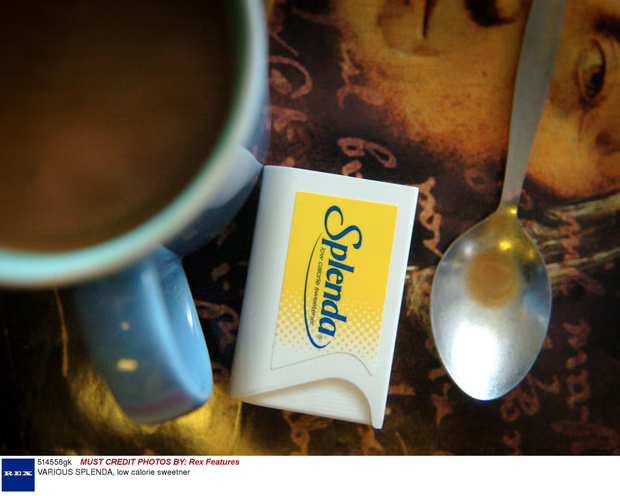
The strategic acquisition of CP Kelco established Tate & Lyle as an industry leader in pectin. The company also became highly proficient in manufacturing specialized structural gums for various global food brands. It cornered a massive share of the sweetening market by producing the famous brand Splenda. Despite these major product innovations, the company struggled significantly to capture the attention of investors. The corporate share price had tragically plummeted by more than half over five difficult years. This long-term downward trend made the business highly vulnerable to foreign corporate raiders looking for value. The current takeover offer exploits this persistent valuation gap to capture a historic British asset.
A combination of shifting global healthcare trends and changing consumer habits severely depressed company earnings. Tate & Lyle faced a tough market environment as global sugar consumption habits shifted downwards. The spectacular rise of modern GLP-1 weight loss drugs also altered human dietary requirements globally. Consumers increasingly prefer natural, unprocessed food choices over synthetic additives and artificial sweetening products. This widespread dietary transition resulted in noticeably weak consumer demand for the company’s signature offerings. Institutional investors lost confidence in the firm’s ability to generate strong organic sales growth independently. These severe headwinds ultimately paved the perfect path for Ingredion to launch its multi-billion-pound bid.
The newly consolidated global ingredients corporation will possess an immense amount of combined financial power. Executives project that the massive new entity will generate annual revenues around ten billion dollars. This impressive combined figure equates to roughly seven point four billion pounds in British currency. The international corporate group expects to deliver adjusted annual profits of one point eight billion dollars. The combined business will possess a highly diverse product portfolio capable of serving many industries. Its vast geographic reach will span multiple continents, from North America across to diverse Asian nations. This massive scale will allow the new organization to dictate terms to major global clients.
While executives celebrate the immense financial scale, the human cost of the transaction remains high. A joint corporate statement confirmed that the integration could trigger a material workforce reduction. The proposed cuts represent roughly three percent of the combined global employee headcount across regions. This corporate restructuring plan puts approximately four hundred and seventy-five actual jobs at serious risk. Management insists that these painful reductions will help combine the unique strengths of both businesses. The announcement has naturally sparked intense anxiety among workers who face a very uncertain future. Labor unions are already demanding urgent clarity regarding where these job cuts will fall.
Tate & Lyle currently employs just under five thousand dedicated individuals across its international operations. The vast majority of its workforce operates outside the UK in various processing plants. Only about two hundred employees are currently based within the United Kingdom’s domestic borders. Most of these British staff members work directly from the corporate headquarters in London. Ingredion operates on a much larger scale, employing eleven thousand people around the world. The American buyer has not yet specified how many British roles will be eliminated entirely. British workers must now wait anxiously for the detailed consultation processes to begin formally.
The high-profile departure of Tate & Lyle marks another dark day for London’s equity markets. The UK capital has suffered a highly concerning series of prominent corporate exits recently. Many domestic companies are choosing to abandon public markets through lucrative take-private transactions this year. The esteemed asset management institution Schroders has recently agreed to a significant private buyout structure. The prominent insurance specialist Beazley has also chosen to leave the public arena behind completely. The respected laboratory testing firm Intertek represents another major loss to the domestic financial ecosystem. This ongoing exodus raises serious questions about the long-term competitiveness of the London exchange.
Domestic financial analysts are openly warning that the London stock market is losing its appeal. British companies are frequently valued much lower than their corporate peers listed in New York. This structural valuation discount makes UK firms incredibly attractive targets for wealthy foreign buyers. The London market is struggling to attract exciting new initial public offerings from tech firms. Many domestic businesses are actively considering moving their primary listings to international stock exchanges overseas. Politicians are facing growing pressure to reform financial regulations and stimulate domestic investment activity. The loss of a FTSE 250 stalwart emphasizes the urgency of these challenges.
Despite the widespread systemic concerns, corporate leadership remains highly optimistic about the strategic combination. The chair of Tate & Lyle, David Hearn, spoke warmly about the impending corporate transition. He stated that the next chapter with Ingredion will create a far stronger business. The combined entity will possess vastly superior scale and significantly increased resources for product innovation. This enhanced capability will allow the firm to support its global customer base more effectively. The board believes that joining forces is the best way to secure future growth. They are strongly advising shareholders to vote in favor of the recommended offer.
The chief executive of Ingredion, Jim Zallie, shared an equally enthusiastic vision for the future. He emphasized that combining the two complementary corporate portfolios creates a true global marketplace leader. The unified business will possess the precise technical expertise required to shape modern food trends. He believes that the geographic reach of the new company will unlock significant new efficiencies. Customers will benefit from a much wider range of texturizing and sweetening ingredient solutions. The transaction represents a major step forward in Ingredion’s long-term strategy of international expansion. The deal now awaits regulatory approvals before it can be finalized later this year.
Related News:
 Reeves Faces Setback as Labour May Miss Homes Target
 Virgin Trains Moves Closer to Challenging Eurostar Monopoly
 Trump’s UK Ambassador Urges North Sea Drilling to Strengthen US Ties
 Ryanair Chief UK Economy ‘Doomed’ Under Labour
 M&S Profits More Than Halve After Cyber-Attack
 Millionaires group urge Reeves to introduce wealth tax to ‘lift kids out of poverty’
 From Lego to Pokémon: How Adults Are Driving UK Toy Market Growth
 Canada Passes Carney’s First Budget in Tight Parliamentary Vote
 Starmer Says Labour’s Economic Plan Needs Years to Deliver
 Virgin Media Fined £23.8m Over Telecare Safety Failures
 Starmer Faces Parliamentary Battles Over UK-EU ‘Reset’ Plan
 Reeves Pub Business Rates U-Turn Calms Labour Revolt
 ScottishPower Tops List of Worst UK Energy Suppliers
 Markets Slide As Gold Rally Signals Risk From Trump Greenland Tariff Plan
 UK Eyes Global Investment with Visa Fee Refunds
 City & Guilds pay surge sparks backlash amid £22m cuts
 UK Inflation Hits 3.4% in December, Ending Five-Month Decline
 Trump Fed bid heads to Supreme Court
 ‘Black Tax’: Burden, Pride and Survival for African Workers
 AI job losses UK: Britain faces sharper employment shock
 India-EU Free Trade Deal Marks Historic Economic Shift
 EU Signals Open Mind on UK Customs Union Talks
 Telstra AI jobs cuts as automation drive expands
 BT Names New Openreach Chief Amid Major Fibre Expansion
 UK Banks Plot Payment Backup Amid Trump Fears
 UK Unemployment Rate Climbs to 5.2% Peak
 UK shelves £110m border project amid trade strain
 Aston Martin Cuts 20% Jobs Amid £363m Loss
 Switching Energy Deal Can Save £200 as Price Cap Falls
 Rachel Reeves Faces Middle East Conflict Test
 Grocery Inflation Rises Amid War Fears
 BrewDog sold Highland estate for knockdown price after abandoning reforestation plans
 UK Energy Reform Could Cut Bills by £200
 Rising Costs Force Families to Rethink Days Out
 Oil Slides, Stocks Jump on Trump Peace Signals
 UK inflation held at 3% before global energy price hit
 Ticketmaster Fees Rise Despite Recent US Junk Fee Crackdown
 M&S Demands Urgent Action on Rising Violent Retail Crime
 New Era for Sick Pay as Millions Gain Critical Rights
 Oil Prices Surge as Trump Issues New Deadline to Iran
 US and Iran Agree to Two-Week Provisional Ceasefire
 Stefano Gabbana Resigns as Chair of Italian Luxury Giant
 Rolls-Royce SMR Secures £600m Boost for Nuclear Future
 Aegon Sells Historic UK Arm to Standard Life for £2bn
 Central Bank Chiefs Hold Crisis Simulation in Washington
 UK Staycations Rise as Travel Fears Grow
 Former Brexit Chief Calls for Rejoining the EU
 Albanese Rejects Gas Export Tax Push
 Oil Prices Surge Above $120 Amid Iran Blockade Fears
 Silent Tracks: Rail Line Without Passengers
 Tough Fiscal Realities Await Next Scottish Government
 DeepMind Staff Vote to Unionize Over US Military Contract
 Global Conflict Hits Home As Bullock Warns Of Economic Pain
 STV Election Coverage Disrupted Amid Bitter Pay Dispute
 Aramco Surges as East-West Pipeline Counters Gulf Tensions
 High Stakes in Beijing as Trump and Xi Meet Amid Global Turmoil
 Lotus Boss Pledges Future to Norfolk and Seeks State Support
 Trump and Xi Convene in Beijing for Historic High-Stakes Summit
 UK Firms Freeze Spending as Iran Conflict Bites
 Rubles and Resilience: How Russia-China Border Towns Thrive
 UK Eases Russian Oil Sanctions as Fuel Costs Soar
 Reeves to Fast-Track Clean Energy Amid Iran Crisis
 Kevin Warsh sworn in as Fed chair amid economic backlash
 Mid-Year Surge to Push Average Annual Bills Beyond £1,900
 Tube Strike Brings Capital to a Standstill Over Shift Disputes
 Tube Strike Brings Capital to a Standstill Over Shift Disputes
 BP Stands Firm on Amanda Blanc Amid Boardroom Storm
 UK House Prices Drop For Third Month Due To War Fears
 GSK Secures Landmark $10.6bn Deal for Nuvalent
 UK Economy Suffers a Sharp Downturn as Iran Conflict Bites
 AI Scams Push UK Investment Fraud Past £220m
 Rethinking the Blueprint for Youth Employment in Britain
 Sainsbury’s Boss Optimistic As Grocery Inflation Eases
 UK Households Suffer Squeeze As Disposable Incomes Drop
 Creditors Eye Thames Water Even Under Nationalisation
 Record £28m Fine for Virgin Media Over Cancellation Woes
 Jet2 Sees Summer Surge Despite Global Tensions
 Ukraine Creates Long-Range Strike Command
 BBC Faces Real Jeopardy as Licence Fee Income Declines
 Thames Water Future Remains Uncertain Amid Funding Crunch