Published: 07 July 2026. The English Chronicle Desk. The English Chronicle Online.
Nato leaders gather in Ankara this Tuesday following a remarkably turbulent six months of global instability. The United States continues to pressure its diverse alliance members to increase their national defence spending substantially. All thirty-one fellow members of the alliance hope to mollify the unpredictable and demanding President Donald Trump. On Monday, Nato’s secretary general Mark Rutte urged all allies to present clear and credible spending plans. President Trump fully expects that all member nations will step up immediately to hit the five percent target. He demands that these critical financial commitments are pursued with extreme urgency and unwavering focus by everyone. Nato members will unveil tens of billions in new arms contracts at an industry forum during the major summit. They attempt to show President Trump that they are successfully delivering on their long-standing and significant defence spending pledges. The two-day summit in the Turkish capital will likely see allies commit a large amount of military aid for Ukraine. This support reflects commitments already made to a country that lacks a clear pathway to joining the Nato military alliance.
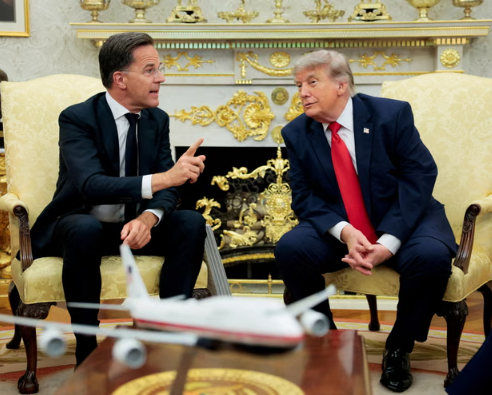
It is certainly not a deal to command Trump’s attention in the way the previous year’s historic agreement did. Then, European members and Canada pledged to lift total defence spending to five percent of their overall gross domestic product. This included three and a half percent directly and one and a half percent on infrastructure to facilitate vital troop movements. It is not about keeping anyone happy, but it is purely about delivering, Rutte said during a recent London visit. And what Donald Trump expects, of course, is nothing short of full delivery from each member of the alliance today. When Rutte met Trump in the Oval Office last month, he brought along large cardboard panels illustrating the spending trends. He showed how much the non-US members had been spending since the president first started to complain about the perceived free-riding. Rutte highlighted a chart referring to the Trump trillion, which is the cumulative amount spent on defence by European members since 2017.
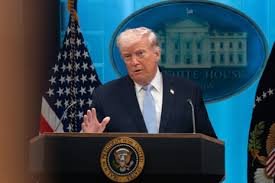
This elementary communication was intended to show that Trump is successful in getting European nations to spend much more money. But with transatlantic relations already at a low point, and the US keen to ensure steps are taken, harmony is not guaranteed. On Friday, Trump posted a graphic on his Truth Social platform showing Nato members’ defence budgets compared to the vast US spending figures. Introducing the graphic, he wrote that it is ridiculous for the USA to continue along this one-sided path when the relationship is not reciprocal. Since the start of this year, when he threatened to take control of Greenland from Denmark, Trump has continued to strain relations with US allies. He failed to consult European leaders before the US and Israel launched their economically disastrous attack on Iran and then complained when they did not allow jets to bomb from their territory. There have been spats with Britain, when Keir Starmer refused to fully participate in the bombing of Iran, and with Italy’s Giorgia Meloni. Relations are also difficult with Canada’s Mark Carney after Trump voiced the extraordinary idea of the US taking over its northern neighbour.
The United States is also planning to cut the number of troops and materiel it assigns to Europe in the event of a war with Russia. They are reducing the number of F-15 and F-16 jets by a full third, which is a major concern for the regional security. Last month, Pete Hegseth, the US defence secretary, said he would hold a further review, looking at US current forces in Europe. He threatened to cut numbers the most in countries that were currently spending the least on their own national defence capabilities at this time. Trump is expected to bring fourteen hundred people with him to Turkey, including those responsible for bringing back his personal toilet waste daily. This is a standard protocol to prevent other countries from analysing the material for intelligence about his actual health condition and personal status. That the US is coming in large numbers is seen as a relief, given that Trump has at times flirted with the idea of leaving the alliance.
Nevertheless, there has been a remarkable effort behind the scenes at Trump-proofing whatever happens during the critical meetings in Ankara this week. Oana Lungescu, a former Nato spokesperson, said she expected the final summit communique, the jointly agreed diplomatic text, to be quite short. It will probably be a one-pager and to restate some of those fundamentals that are the alliance’s primary reasons for being in existence. The final draft text, still subject to approval by the assembled leaders, reaffirms an ironclad commitment to Nato’s all-important Article 5. This article states that an attack on one member state is considered an attack on all members of the entire military organisation today. That its authors have considered it necessary to restate that provision so openly is a reminder of how fraught the year 2026 has been so far.
Gen Alexus Grynkewich, the senior US and Nato commander in Europe, announced last week that European allies had largely filled the gaps left by US reductions. Though substantial, Europe’s effort is not like-for-like, particularly because it has no long-range bombers, though cruise missiles may be an alternative for them. A clue to the leaders’ levels of chemistry can be inferred from Trump’s agenda in Turkey during this important visit to the capital. Aside from sitting through one Nato leaders meeting on Wednesday and a summit dinner at Recep Tayyip Erdoğan’s presidential palace the night before, his meetings are limited. His only other confirmed bilateral meetings are with Syria’s president Ahmed al-Sharaa, a war leader he admires, and Ukraine’s president Volodymyr Zelenskyy. Success in Ankara is unlikely to be defined by diplomatic pledges. When asked what she thought a positive summit would look like, Lungescu suggested no angry outbursts from President Trump, before adding a reaffirmation of alliance unity. She also noted that a lot more money for defence contracts and Ukraine would be seen as a sign of success in the current climate.
Related News:
 Saudi Officials Report Zubaidi Flee Before Yemen Peace Talks
 UK Targets in New York Bomb Threat Hoax: Man Jailed
 Gambia Supreme Court Hears Case to Overturn FGM Ban
 Trump targets Iran trade with 25% tariff warning
 US Senate rejects resolution limiting Trump military powers
 Gulf states warn Trump Iran strikes risk wider Middle East war
 Machado Trump medal gesture reshapes Venezuela power struggle
 Geopolitical football: Iran, Trump and the World Cup clash
 Shinzo Abe’s killer receives life sentence in Japan
 China General Under Investigation Amid Leadership Purge
 Philippines ferry disaster leaves 15 dead, dozens missing
 Cambridge Faces Scrutiny Over Arms Investment Transparency
 Concerns rise for Canberra boy amid Iran detention fears
 Ukraine Sends Drone Experts to Defend US Bases in Jordan
 Abramovich Chelsea Sale Cash Faces Jersey Probe
 Yvette Cooper: UK Must Follow Principles, Not US Pressure
 Jury Rules Meta and YouTube Liable for Addictive Design
 The Woman Guarding Earth From the Threat of Asteroids
 Exiled Tycoon Warns of New Russian Attacks on UK Soil
 LA 2028: Millions of Affordable Olympic Tickets Announced
 Trump Slams Europe as Transatlantic Tensions Boil Over
 Inside the Deceptive Machine: A Former Producer Speaks Out
 Spain Faces Backlash Over Xenophobic Chants in Egypt Draw
 A Global Voice For Justice: Stephen Lewis Dies At Age 88
 Hope and Fear as Iranians Flee Across the Turkish Border
 Reform UK Pledges To Halt Visas Over Reparations Demands
 US and Iran Agree to Two-Week Provisional Ceasefire
 Starmer visits Gulf as US and Iran agree ceasefire
 Pakistan Brokers Historic Peace Deal Amid Rising Tensions
 Trump Signals Hope for New Iran Talks as Ceasefire Fades
 US and Iran Pursue Extension of Ceasefire via Pakistan
 The General’s Gambit: Pakistan’s New Role in Global Peace
 Mexico, Spain and Brazil call for Cuba dialogue amid crisis
 Pakistan’s Ambitious Bid for Middle East Peace
 Israeli Soldiers Jailed Over Vandalism of Lebanese Statue
 Prominent Voices Challenge Palestine Action Ban
 Merz Criticises US Approach in Iran Conflict
 UK Envoy Sparks Controversy Over Special Relationship Claims
 Ukraine Urges UK to Seize Russian Oil Tankers
 The Billionaire’s Secretary and the £1m Fraud
 Ukraine strikes Tuapse as oil disaster worsens
 Mission to the World’s Edge: A Heroic Rescue in Tristan
 US and Mexico Face Heatwave as Floods Batter South Africa
 Mexico’s Missing: State Complicity in a Growing Crisis
 French Patient Told Hantavirus Was Just Anxiety
 Putin Signals War End as Russian Momentum Stalls
 Romania’s Judicial Crisis: A System Under Siege
 Lee Lai Makes History with Landmark Stella Prize Victory
 Philippine Senator Flees After Days Under Senate Siege
 Alberta Separatist Bid Blocked by Canadian Court
 Big Tobacco Under Fire Over Controversial New Ad Campaign
 Court Upholds Landmark Win for Transgender Rights
 Liberal Senator Criticises Immigration Rhetoric
 Senate Moves to Restrict Trump’s War Powers on Iran
 ICC Arrest Warrant Threat Sparks West Bank Retaliation
 Taliban Codifies Strict New Marriage and Divorce Legislation
 Tony Abbott Returns as New Liberal Party President
 Discontent grows around Putin amid war strain
 Trump Diplomacy Faces Hurdles from Tehran to Tbilisi
 Trump Faces Legal Blow Over Global Tariffs
 Washington Brokerage Sparking Hope Amid Regional Firestorms
 New York Consumer Watchdog Tackles Corporate Lawbreaking
 Global Tech Giants Face Off Against Australia Over Media Levies
 Ukraine Turning the Tide: Zelenskyy Reclaims the Initiative Against Isolated Russia
 Millions in British Charity Funds Linked to Illegal Settlements
 Firearm Fine for Missing Boy’s Grandmother
 Historic Peace Deal Reached Between United States and Iran
 A New Era of Diplomacy Sparks Confusion on the World Stage
 AI to Help Botanists Win the Critical Race Against Extinction
 Battle for Washington: Mayoral Race Braces for Trump
 Tuchel’s England Mission Goes Beyond Football Success
 Historic Victory for Canada as They Defeat Nine-Man Qatar
 Trump’s Iran Legacy Hangs on Tehran Deal
 What Burnham in Number 10 Means for the Future of Britain
 Canada Secure Historic Last 16 Spot with Late Goal
 White House Moves to Limit Public Voice on Fossil Fuels
 Paraguay Shock Germany in Historic Penalty Shootout
 Haaland Heroics Send Norway Into Historic Last 16 Knockout
 Iran Prepares for Massive Funeral for Supreme Leader
 China’s Pacific Missile Test Sparks Regional Alarm