Published: 07 July 2026. The English Chronicle Desk. The English Chronicle Online.
Canada has officially selected a German consortium to construct twelve advanced submarines for its naval fleet. This monumental decision marks the largest defence procurement contract in Canadian history to date. Prime Minister Mark Carney announced the winner during a major event at the naval base. The selection concludes a intense period of competition between global shipbuilding industry giants. German manufacturer ThyssenKrupp Marine Systems emerged as the successful bidder for this project. They outperformed the South Korean shipbuilder Hanwha Ocean following months of careful consideration. This new fleet will eventually replace the aging, secondhand vessels currently in service. Canada’s existing Victoria-class submarines have faced persistent maintenance challenges for many years. The government now aims to bolster its maritime security across three vast oceans. These new, high-tech vessels are essential for protecting Canada’s sovereignty in the Arctic. The chosen Type 212CD model is widely recognized for its exceptional stealth capabilities. Its design allows for long surveillance missions in contested areas with minimal detection. These submarines will also enhance interoperability with key NATO allies, including Germany.  The partnership signifies a deepening of strategic ties before an upcoming alliance summit. Prime Minister Carney visited German facilities last year to evaluate the potential technology. Officials also toured South Korean shipyards to assess their competing, sophisticated naval offerings. Ultimately, the German proposal was deemed best suited to Canada’s specific military requirements. The contract will trigger a significant expansion of Canada’s domestic industrial capabilities. It includes comprehensive provisions for local jobs, technology transfer, and long-term maintenance. Experts anticipate that the project will drive substantial economic growth across the country. The total investment reflects Canada’s commitment to modernising its military at great scale. Federal authorities must now enter into final negotiations to solidify the specific terms. This phase could potentially span several months or even a few years to complete. The government remains focused on ensuring that the deal provides maximum value. Canada has faced increased pressure to meet rigorous international defence spending targets. The nation recently hit the two percent GDP mark, a major NATO milestone. Prime Minister Carney has pledged to reach five percent of GDP by 2035. This procurement is a central pillar of that ambitious long-term strategic defence plan. The transition away from older, unreliable hardware is a top priority for Ottawa. Canada is also diversifying its procurement strategy to reduce reliance on American vendors. While still maintaining strong ties, officials are exploring options with various European partners. This shift aims to strengthen Canada’s autonomy and industrial base on the world stage. Several other high-profile projects, such as new fighter jets, remain under active review. The Saab-made Gripen is among the aircraft being considered for the national air force. Such investments reflect a broader trend of rapid transformation within the Canadian military. Global analysts suggest that this, and other contracts, signify a changing landscape. Alliances are currently prioritizing modernization to deter and defend against emerging security threats. The NATO Secretary General recently emphasized the critical need for such modern equipment. He noted that billions in new contracts are being finalized across the alliance.
  Canada’s decision to move forward with the German consortium fits this global narrative. The first four submarines are expected to be delivered by the year 2034. This timeline ensures a smooth transition before the current fleet is finally retired. The project promises to leave a lasting legacy for the Royal Canadian Navy. Canadians can expect enhanced protection of their northern borders and international maritime routes. The agreement serves as a powerful statement of Canada’s renewed focus on security. It also demonstrates a willingness to invest heavily in modern, sovereign defence solutions. By collaborating with trusted allies, Canada is positioning itself for a safer future. This deal represents more than just a purchase of advanced military hardware today. It is a strategic move to secure economic and technological prosperity for decades. The government will now focus on the complex task of successful, timely implementation. All eyes will remain on the progress of these negotiations in the months ahead. This landmark deal will undoubtedly reshape the Canadian defence landscape for generations forward.
Related News:
 Saudi Officials Report Zubaidi Flee Before Yemen Peace Talks
 UK Targets in New York Bomb Threat Hoax: Man Jailed
 Gambia Supreme Court Hears Case to Overturn FGM Ban
 Trump targets Iran trade with 25% tariff warning
 US Senate rejects resolution limiting Trump military powers
 Gulf states warn Trump Iran strikes risk wider Middle East war
 Machado Trump medal gesture reshapes Venezuela power struggle
 Geopolitical football: Iran, Trump and the World Cup clash
 Shinzo Abe’s killer receives life sentence in Japan
 China General Under Investigation Amid Leadership Purge
 Philippines ferry disaster leaves 15 dead, dozens missing
 Cambridge Faces Scrutiny Over Arms Investment Transparency
 Concerns rise for Canberra boy amid Iran detention fears
 Ukraine Sends Drone Experts to Defend US Bases in Jordan
 Abramovich Chelsea Sale Cash Faces Jersey Probe
 Yvette Cooper: UK Must Follow Principles, Not US Pressure
 Jury Rules Meta and YouTube Liable for Addictive Design
 The Woman Guarding Earth From the Threat of Asteroids
 Exiled Tycoon Warns of New Russian Attacks on UK Soil
 LA 2028: Millions of Affordable Olympic Tickets Announced
 Trump Slams Europe as Transatlantic Tensions Boil Over
 Inside the Deceptive Machine: A Former Producer Speaks Out
 Spain Faces Backlash Over Xenophobic Chants in Egypt Draw
 A Global Voice For Justice: Stephen Lewis Dies At Age 88
 Hope and Fear as Iranians Flee Across the Turkish Border
 Reform UK Pledges To Halt Visas Over Reparations Demands
 US and Iran Agree to Two-Week Provisional Ceasefire
 Starmer visits Gulf as US and Iran agree ceasefire
 Pakistan Brokers Historic Peace Deal Amid Rising Tensions
 Trump Signals Hope for New Iran Talks as Ceasefire Fades
 US and Iran Pursue Extension of Ceasefire via Pakistan
 The General’s Gambit: Pakistan’s New Role in Global Peace
 Mexico, Spain and Brazil call for Cuba dialogue amid crisis
 Pakistan’s Ambitious Bid for Middle East Peace
 Israeli Soldiers Jailed Over Vandalism of Lebanese Statue
 Trump Weighs Sending Afghan Allies to the Congo
 Prominent Voices Challenge Palestine Action Ban
 Merz Criticises US Approach in Iran Conflict
 UK Envoy Sparks Controversy Over Special Relationship Claims
 Ukraine Urges UK to Seize Russian Oil Tankers
 The Billionaire’s Secretary and the £1m Fraud
 Ukraine strikes Tuapse as oil disaster worsens
 Mission to the World’s Edge: A Heroic Rescue in Tristan
 US and Mexico Face Heatwave as Floods Batter South Africa
 Mexico’s Missing: State Complicity in a Growing Crisis
 French Patient Told Hantavirus Was Just Anxiety
 Putin Signals War End as Russian Momentum Stalls
 Romania’s Judicial Crisis: A System Under Siege
 Lee Lai Makes History with Landmark Stella Prize Victory
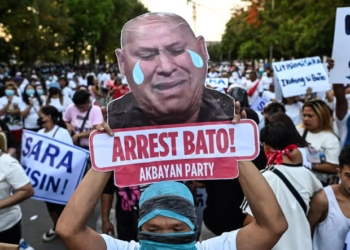 Philippine Senator Flees After Days Under Senate Siege
 Alberta Separatist Bid Blocked by Canadian Court
 Big Tobacco Under Fire Over Controversial New Ad Campaign
 Court Upholds Landmark Win for Transgender Rights
 Liberal Senator Criticises Immigration Rhetoric
 Senate Moves to Restrict Trump’s War Powers on Iran
 ICC Arrest Warrant Threat Sparks West Bank Retaliation
 Tony Abbott Returns as New Liberal Party President
 Discontent grows around Putin amid war strain
 Trump Diplomacy Faces Hurdles from Tehran to Tbilisi
 Trump Faces Legal Blow Over Global Tariffs
 Washington Brokerage Sparking Hope Amid Regional Firestorms
 New York Consumer Watchdog Tackles Corporate Lawbreaking
 Global Tech Giants Face Off Against Australia Over Media Levies
 Ukraine Turning the Tide: Zelenskyy Reclaims the Initiative Against Isolated Russia
 Millions in British Charity Funds Linked to Illegal Settlements
 Firearm Fine for Missing Boy’s Grandmother
 Historic Peace Deal Reached Between United States and Iran
 A New Era of Diplomacy Sparks Confusion on the World Stage
 AI to Help Botanists Win the Critical Race Against Extinction
 Battle for Washington: Mayoral Race Braces for Trump
 Tuchel’s England Mission Goes Beyond Football Success
 Historic Victory for Canada as They Defeat Nine-Man Qatar
 Trump’s Iran Legacy Hangs on Tehran Deal
 What Burnham in Number 10 Means for the Future of Britain
 Canada Secure Historic Last 16 Spot with Late Goal
 White House Moves to Limit Public Voice on Fossil Fuels
 Paraguay Shock Germany in Historic Penalty Shootout
 Haaland Heroics Send Norway Into Historic Last 16 Knockout
 Iran Prepares for Massive Funeral for Supreme Leader
 China’s Pacific Missile Test Sparks Regional Alarm