Published: 20 May 2026. The English Chronicle Desk. The English Chronicle Online.
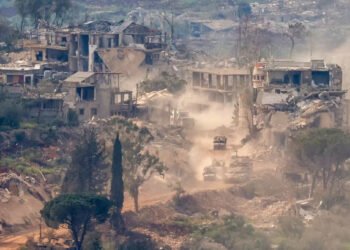
The delicate veneer of diplomacy shattered violently in southern Lebanon on Tuesday after a series of intensive Israeli airstrikes claimed the lives of at least nineteen people. This latest surge in violence underlines the severe fragility of a United States-brokered ceasefire agreement that has repeatedly failed to hold ground. Among the dead identified by Lebanese health officials were four women and three children, highlighting the severe toll inflicted upon civilian populations. These near-daily kinetic exchanges continue to escalate despite intense international pressure to halt the spreading cross-border hostilities. Neither side appears willing to retreat from the brink as military operations overtake delicate political negotiations.
The Israel Defense Forces did not provide immediate comments regarding the specific civilian casualties reported by Lebanese medical staff. However, military spokespersons confirmed extensive operational activity across multiple sectors of the southern border region. Between Monday afternoon and Tuesday afternoon, Israeli jets targeted more than twenty-five distinct Hezbollah infrastructure sites. The military command maintained that these installations posed immediate threats to security along their northern border territories. This massive aerial campaign represents one of the most significant breaches of the truce agreement since April. The rapid escalation has effectively neutralised recent diplomatic progress achieved by international mediators in the region.
This current chapter of the conflict ignited unexpectedly on the second of March this year. The Lebanese militant group initiated the hostilities by launching a massive volley of rockets into Israel. This initial assault occurred precisely two days after joint American and Israeli forces conducted strikes inside Iran. That pivotal regional event dramatically shifted the geopolitical balance and triggered immediate retaliatory actions across Lebanon. Since that fateful week, the cycle of violence has expanded to encompass broader territorial zones. What began as localized skirmishes has steadily transformed into a protracted campaign of attrition.
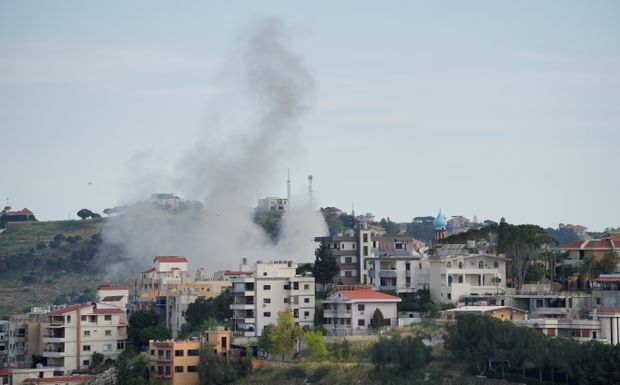
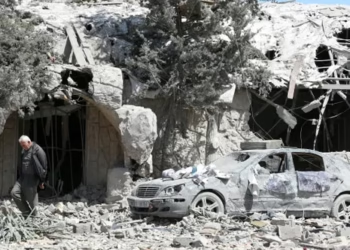
In the capital city of Beirut, government ministers expressed profound outrage over the mounting civilian casualties. Officials highlighted a single devastating strike that targeted the peaceful village of Deir Qanoun al Nahr. This small community is situated within the coastal Tyre province, an area heavily impacted by recent bombardments. The single attack killed ten people instantly, including three young children and three local women. Three additional villagers sustained severe injuries during the blast, including one child who remains hospitalised. The local infrastructure suffered extensive damage, leaving the immediate community entirely cut off from basic emergency services.
The Lebanese health ministry refrained from releasing further operational details regarding the specific nature of the targeted structure. However, the state-run National News Agency reported that the targeted residential building was completely obliterated. The powerful explosion left multiple families trapped deep beneath layers of heavy concrete and twisted metal. Emergency rescue teams laboured for hours under hazardous conditions to clear the smouldering wreckage. First responders successfully recovered the remaining bodies from the ruins later in the afternoon. Local authorities warned that the death toll could rise due to the severity of the injuries.
Simultaneously, another powerful airstrike descended upon the prominent southern urban centre of Nabatieh with devastating force. That specific bombardment claimed four additional lives and inflicted injuries upon ten other local residents. Medical sources confirmed that two women were among those receiving urgent treatment for shrapnel wounds. A third separate aerial assault targeted the nearby rural village of Kfar Sir with similar intensity. This strike resulted in five more fatalities, which tragically included at least one local woman. The coordinated nature of these attacks indicates a broad geographical offensive across the southern governorates.
These latest casualties occurred just twenty-four hours after a grim milestone was reached in the conflict. The total death toll since March officially surpassed three thousand individuals across the region. This tragic marker was crossed merely two days after the United States-brokered truce received an extension. Diplomatic teams had successfully negotiated a forty-five-day extension to the framework originally established on April seventeenth. The rapid resumption of heavy combat operations has cast deep doubt over the viability of that agreement. International observers fear the diplomatic framework may now be entirely beyond the point of rescue.
Following the initial rocket barrages, Israeli ground forces launched a full-scale invasion into southern Lebanese territory. This land offensive has been closely supported by heavy aerial bombardments of Beirut and outer suburbs. The Israeli government consistently maintains that its operations strictly target concealed Hezbollah command infrastructure. Hezbollah operates simultaneously as a heavily armed militant group and a highly influential political organisation. The group possesses deep roots within the social fabric and governance systems of modern Lebanon. Consequently, the organization has steadfastly resisted all formal domestic and international pressure to disarm completely.
The Lebanese central government has previously attempted to exert authority and demand the total disarmament of militias. However, these political efforts have yielded little success due to the fractured nature of domestic politics. The ongoing warfare has generated an unprecedented humanitarian catastrophe within the sovereign borders of Lebanon. More than one million citizens have been forced to flee their homes to escape the bombardment. Displaced families are currently enduring miserable conditions in temporary shelters across the Mediterranean coastline. Thousands of people are sleeping in makeshift tents pitched along the main roads of Beirut.
Meanwhile, the Israeli military has faced significant challenges in suppressing persistent counter-offensives from its adversaries. Hezbollah has deployed a continuous stream of explosive drones targeting troops operating inside Lebanon. These unmanned aerial vehicles have also consistently penetrated deep into the airspace of northern border towns. The frequent drone strikes have disrupted daily civilian life and complicated Israeli logistical movements. The sophisticated nature of these aerial attacks demonstrates the enduring military capabilities of the militant faction. Despite sustaining heavy losses, the group maintains a resilient command network capable of launching precise strikes.
The Israeli military command formally confirmed that another soldier was killed in action on Tuesday afternoon. The combat death occurred during an intense close-quarters battle somewhere within the southern Lebanese sector. This latest casualty raises the official death toll for Israeli ground forces to twenty-one soldiers. This figure accounts for all military fatalities recorded since the ground operations commenced in March. The steady loss of personnel has intensified domestic political debates regarding the long-term strategy of the invasion. Both nations remain locked in a destructive cycle that offers no clear path toward peace.
Related News:
 EU Weakens as Trump Targets Venezuela and Greenland
 Venezuela Oil Deal Opens Tensions with US Control
 US Citizens Warned to Venezuela Flee Amid Paramilitary Threats
 Gulf states warn Trump Iran strikes risk wider Middle East war
 Machado Trump medal gesture reshapes Venezuela power struggle
 Greenland defence seen as shared Nato duty amid troop arrivals
 Gulf states warn Trump Iran strikes risk wider Middle East war
 Trump Receives Machado’s Nobel Medal in White House Meeting
 Iran unrest slows under brutal crackdown and global tensions
 Syria President Declares Victory as Ceasefire Reached with SDF
 US Considers Asylum for British Jews Amid Rising Antisemitism
 Thousands Protest ICE Operations in Nationwide US Day of Action
 Epstein Files Reveal Trump Officials’ Emails with Financier
 Thousands Protest ICE in New York Against Trump Deportation Campaign
 Sydney Protest Pepper Spray Clash During Herzog Visit
 Cuba Kills Exiles in Speedboat Attack from US Waters
 Yvette Cooper: UK Must Follow Principles, Not US Pressure
 Saudi Arabia Urging US to Keep Up Iran Attacks
 Washington Enlists Musk to Battle Global Hostility Online
 Teen Girl Charged After Alleged Melbourne Hate Crime Spree
 Macron Urges Stability as Trump Jolts Nato and Iran
 Trump Address Sparks Global Backlash Over Iran War Tactics
 Macron Rebukes Trump Following Mockery of His Marriage
 Trump Sets Tuesday Deadline for Iran to Reopen Vital Strait
 Tragic End to Outback Search as Floods Claim a Life
 Ben Roberts-Smith Arrested Over Alleged War Crimes
 Trump and Tehran Find Common Ground in Landmark Ceasefire
 Netanyahu Vows Continued Lebanon Strikes Amid Peace Talks
 Trump Predicts Rapid Return to Peace Talks in Pakistan
 Reeves Slams Trump Over Iran War Lack Of Exit Plan
 US and Iran Pursue Extension of Ceasefire via Pakistan
 Pope Leo Calls for Global Unity Following Trump Criticism
 Mexico, Spain and Brazil call for Cuba dialogue amid crisis
 Ukraine Urges UK to Seize Russian Oil Tankers
 US Calls Australia Media Law “Foreign Extortion”
 Oil Prices Surge Above $120 Amid Iran Blockade Fears
 Tragic End to Search for Missing Girl in Alice Springs
 Questions Remain Over The Tragic Bondi Massacre
 Trump orders US troop pullout from Germany
 Activists allege abuse after Gaza flotilla seizure
 Ukraine strikes Tuapse as oil disaster worsens
 Japan Protests Erupt Over Plans to Revise Constitution
 Australia pushes Pacific security pact amid China tension
 Indiana Republicans Defy Trump in Key Vote Test
 Middle East Crisis Escalates as Oil Routes Shake Markets
 FIFA Confirms Global Ban for Benfica Star Prestianni
 New South Wales Wetland Rescue Legislation Passes
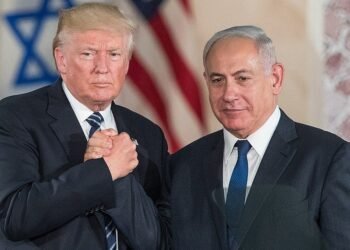 Tensions Emerge in Netanyahu-Trump Alliance
 US and Mexico Face Heatwave as Floods Batter South Africa
 The Long Way Home: Australia’s High-Stakes Virus Mission
 Trump Warns Iran Ceasefire Is Now on Life Support
 Putin Signals War End as Russian Momentum Stalls
 Fear and Betrayal: The Chilling Case of Kouri Richins
 Scepticism and tight security as Beijing braces for Trump
 UN Faces Crucial Vote on Landmark ICJ Climate Ruling
 US-Mexico Crisis: Cartel Allegations Push Ties to Brink
 Philippine Senator Flees After Days Under Senate Siege
 Solomon Islands Elects China Critic Matthew Wale as Leader
 Tragedy in the Maldives: Inside the Deep Sea Rescue
 US Ebola Case Sparks Urgent Global Screening Measures
 Xi Hosts Putin in Beijing Days After Landmark Trump Summit
 The Hunt for Bato: Inside the Hunt for the Fugitive Senator
 Israeli Strikes in Lebanon Kill 10 Amid Ceasefire Strain
 Zelenskyy warns over Oreshnik threat as Kyiv hit
 Hunger increasingly weaponised in global conflicts
 Discontent grows around Putin amid war strain
 Former ICC prosecutor condemns US sanctions
 Bondi Tragedy Survivors Face Online Abuse After Inquiries
 Japan Suffers Plastic Shortage Due to Middle East Crisis
 Venezuela Opposition Steers Uncharted Path Forward
 Aukus Deal Facing Fierce Backing and Historic Criticism
 Thai Princess Bajrakitiyabha Passes Away at 47
 Sentenced to 30 Years: Former Leader’s Secret Drone Plot
 Kyiv Heritage Blazes After Night of Brutal Russian Strikes
 Iran To Propose New Shipping Fees In Strait Of Hormuz
 Trump’s Iran Legacy Hangs on Tehran Deal
 High Drama in Tehran Over Secret Nuclear Letters
 Houthis Strike Saudi Arabia as Middle East Tensions Rise
 Taliban global ties grow as rights fears mount
 Seoul proposes historic peace talks to replace Korean War armistice