Published: 24 May 2026. The English Chronicle Desk. The English Chronicle Online.
Ukraine’s capital Kyiv was rocked by a major wave of missile and drone strikes early Sunday, as President Volodymyr Zelenskyy warned that Russia’s reported use or preparation of advanced hypersonic weapons risks setting a dangerous global precedent for future conflicts.
Explosions were heard across multiple districts of Kyiv shortly after 1am local time, following alerts from Ukraine’s air force about a possible incoming strike involving the Oreshnik ballistic missile system. Officials confirmed that at least one person was killed and around 20 others injured, with residential buildings and civilian infrastructure damaged in several areas of the city.
City authorities said the attack affected at least four districts, including Shevchenkivsky, Dniprovsky and Podilsky, where fires broke out in residential blocks. Debris from intercepted projectiles reportedly landed on school grounds in central Kyiv, causing additional damage. Emergency crews were deployed throughout the night to contain fires, rescue residents, and assess structural risks in affected buildings.

Kyiv’s mayor Vitali Klitschko described the assault as one of the most intense recent waves of aerial attacks on the capital, warning residents to remain in shelters during ongoing air raid alerts. Military officials said the scale and coordination of the strikes suggested a combined missile and drone operation aimed at multiple targets across the city.
The Ukrainian air force had earlier warned of a potential launch of the Oreshnik missile system, a hypersonic-capable ballistic weapon that Russian officials have previously claimed is extremely difficult to intercept. While there has been no independent confirmation that the system was used in the latest attack, Ukrainian officials said they were analysing debris and radar data to determine the full scope of the strike.
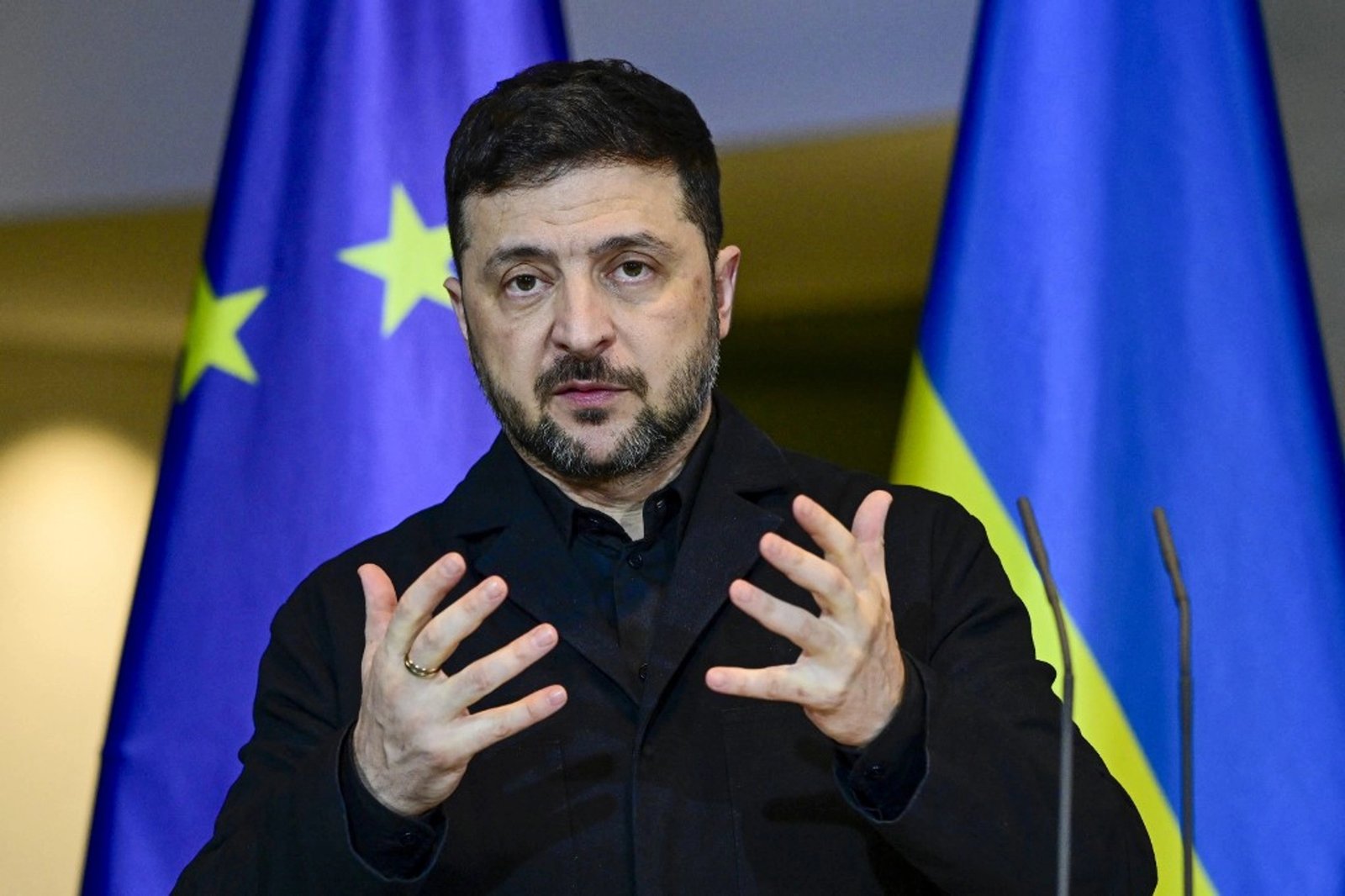
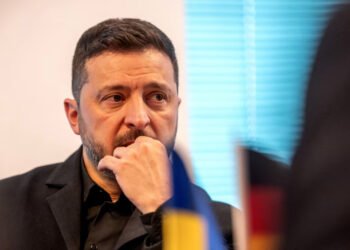
In a public statement, President Zelenskyy said that the use or threatened use of such weapons would “set a global precedent for other potential aggressors”, arguing that the international community must respond before escalation becomes normalised. He said that failure to deter such attacks would encourage other states to adopt similar tactics, increasing global instability.
Zelenskyy urged allied nations to move beyond reactive diplomacy, calling instead for stronger preventive measures against Russia’s continued missile and drone campaign. He stressed that sustained pressure on Moscow was necessary to prevent further expansion of the war and to protect civilian populations across Ukraine.
International reaction to the latest strikes was swift. Canadian Prime Minister Mark Carney strongly condemned the attack, describing it as part of Russia’s ongoing “illegal war of aggression” and calling for an immediate halt to strikes on civilian targets. He said Russia had underestimated Ukrainian resilience and warned that continued attacks would not alter the trajectory of the conflict.
The escalation in Kyiv came alongside renewed reporting of casualties in other regions affected by the war. Ukrainian officials also confirmed the death of a British national fighting in Ukraine, with reports indicating the individual had been serving in a specialist unit supporting Ukrainian forces. The UK Foreign, Commonwealth and Development Office said it was providing assistance to the family and maintaining contact with Ukrainian authorities.
The conflict has increasingly drawn international volunteers, though governments continue to warn citizens of the high risks involved in participating directly in combat operations. Officials have repeatedly emphasised the dangers of frontline involvement, particularly in active war zones where artillery, drone warfare, and missile strikes remain frequent.
Meanwhile, the broader geopolitical implications of the conflict were underscored by continued commentary from international organisations and cultural figures. The United Nations reiterated its condemnation of attacks on civilian infrastructure, stressing that such incidents violate international humanitarian principles regardless of which side is responsible. However, it also noted limitations in independently verifying some claims due to restricted access to occupied territories.
Tensions also rose following separate reports of casualties in Russian-occupied areas of eastern Ukraine, where Moscow accused Kyiv of targeting civilian infrastructure. Ukraine has denied deliberately attacking civilians, stating that its operations are aimed at military assets supporting Russian forces. Independent verification of battlefield claims remains difficult due to ongoing restrictions and active combat conditions.
The use of advanced missile systems such as the reported Oreshnik has become a focal point in the war’s evolving technological dimension. Military analysts say hypersonic and high-speed ballistic weapons complicate existing air defence systems, potentially reducing warning times and increasing the risk to urban populations. However, details about operational deployment and effectiveness remain contested and subject to ongoing intelligence assessment.

In parallel with the military escalation, cultural voices have continued to weigh in on the war’s human cost. Russian film director Andrey Zvyagintsev used an awards appearance at the Cannes Film Festival to call for an end to the conflict, urging political leadership to stop what he described as widespread destruction and civilian suffering. His remarks reflected growing concern among artists and intellectuals about the prolonged nature of the war.
The latest attack on Kyiv adds to a pattern of sustained strikes targeting Ukraine’s energy, transport, and residential infrastructure. Ukrainian authorities say Russia has intensified its aerial campaign in an effort to weaken civilian morale and pressure the government, while Russia maintains that its operations are aimed at military objectives.
As investigations continue into the scale and impact of the latest strikes, Ukraine’s leadership is expected to intensify diplomatic engagement with Western allies, seeking further air defence systems and expanded military assistance. At the same time, calls are growing for renewed international discussions on deterrence strategies to prevent further escalation involving advanced missile technologies.
For residents of Kyiv, however, the immediate reality remains one of repeated air raid alerts, disrupted nights, and ongoing uncertainty as the war enters another phase marked by intensified long-range strikes and increasingly sophisticated weapon systems.
Related News:
 Putin Declares Russia Victory at Scaled Victory Day Parade
 Trump orders US troop pullout from Germany
 Ukraine strikes Tuapse as oil disaster worsens
 Global order shifts amid Trump-era turmoil
 Discontent grows around Putin amid war strain
 Former ICC prosecutor condemns US sanctions
 Shock US Raid: Maduro Pleads Not Guilty in Manhattan Court
 Machado Trump medal gesture reshapes Venezuela power struggle
 Trump Receives Machado’s Nobel Medal in White House Meeting
 Iran unrest slows under brutal crackdown and global tensions
 EU weighs response amid Greenland tariff crisis with Trump
 US Considers Asylum for British Jews Amid Rising Antisemitism
 EU Says US Ties Have Suffered ‘Big Blow’ After Greenland Crisis
 Russia Strikes Kyiv and Kharkiv as Peace Talks Enter Day Two
 Thousands Protest ICE Operations in Nationwide US Day of Action
 Epstein Files Reveal Trump Officials’ Emails with Financier
 Thousands Protest ICE in New York Against Trump Deportation Campaign
 UK Prepares Aircraft Carrier for Middle East Crisis
 Yvette Cooper: UK Must Follow Principles, Not US Pressure
 Italian Town Buys Mussolini Villa to Keep Away Fascist Fans
 Hungary election: Orbán faces biggest test amid scandal
 RAF Typhoons scrambled amid Russian drone threat near Nato
 US Calls Australia Media Law “Foreign Extortion”
 USS Gerald R Ford Ends Record Naval Deployment
 Oil Prices Surge Above $120 Amid Iran Blockade Fears
 Activists allege abuse after Gaza flotilla seizure
 Trump likens US Navy actions to ‘pirates’
 Australia pushes Pacific security pact amid China tension
 Ceasefire Standoff Deepens in Ukraine War
 Indiana Republicans Defy Trump in Key Vote Test
 Middle East Crisis Escalates as Oil Routes Shake Markets
 Tensions Emerge in Netanyahu-Trump Alliance
 France Faces Record Presidential Crowded Race Amid Far-Right Surge
 Norway Doubles Down on Oil and Gas for Europe Energy Security
 Irish Gangland Figure Fails in Dublin Election Bid
 Deadly Russian Air Raids Strike Across Ukraine
 Trump’s Iran Legacy Hangs on Tehran Deal
 Le Pen to Run for President Despite Embezzlement Conviction
 Houthis Strike Saudi Arabia as Middle East Tensions Rise
 Taliban global ties grow as rights fears mount
 Seoul proposes historic peace talks to replace Korean War armistice
 Trump dismisses concerns over 250-day carrier deployment
 BBC to Apologise Over Edited Trump Speech Amid Backlash
 Britain deploys RAF specialists to assist Belgium with drone threats
 Greene Pushes Epstein Files Amid Trump Fallout
 December Run-Off in Chile as Election Produces No Winner
 Shadow Fleet at Sea: Europe’s Battle Against Illicit Oil Shipping
 Georgians Defy Government Crackdown After Year of Protests
 Mandelson apologises over Epstein ties after public scrutiny
 Starmer Challenges US Over Controversial Greenland Deal
 Spoof “Make America Go Away” Caps Rally Denmark Over Greenland
 Pentagon Signals Reduced Role in Deterring North Korea
 UK and US Drop in Global Corruption Index Rankings
 Canberra Poster Seizure Sparks Free Speech Row
 Evo Morales Returns After Mysterious Absence
 Jacinda Ardern Moves To Australia Following Her US Fellowships
 Jacinda Ardern Move Sparks Kiwi Reflection
 Nick Greiner Warns Over Election Review Fallout
 New Zealand Covid Response Praised Despite Lingering Scars
 Injured Mojtaba Khamenei Elevated as Iran Leader
 Gordon Brown urges court for crimes against children
 Oil Prices Jump After Trump Claims Iran Oil Hub Destroyed
 Pakistan Targets Militant Hideouts in Afghanistan
 Air Canada CEO Faces Outcry Over Recent Language Misstep
 Big Tech Faces Investigation Over Australia’s Social Media Ban
 Relationship with Trump may be beyond repair, Starmer warned
 Reform UK Pledges To Halt Visas Over Reparations Demands
 Trump Signals Hope for New Iran Talks as Ceasefire Fades
 Trump Brokers Landmark Lebanon Ceasefire Amid Regional Hopes
 UK Stands Firm on Falklands Amid US Rift
 Investigation Into Anti-Trump Motives After Gala Shooting
 Trump Announces 3-Day Russia–Ukraine Ceasefire Deal
 Fear and Betrayal: The Chilling Case of Kouri Richins
 Starmer Leadership Under Pressure After Setbacks
 Papal Visit Offers Political Lifeline to Spanish Premier
 Aukus Deal Facing Fierce Backing and Historic Criticism
 Thai Princess Bajrakitiyabha Passes Away at 47
 Trump’s Mount Rushmore Speech: A Divisive Anniversary
 Trump Swaps Planes Amid Iran Tensions
 Ukraine Creates Long-Range Strike Command