Published: 03 June 2026. The English Chronicle Desk. The English Chronicle Online.
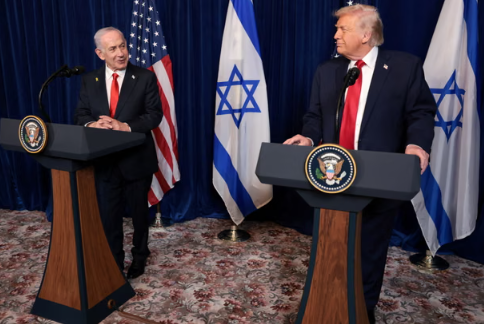
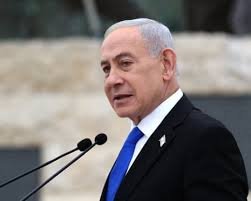
The complex pathway toward a lasting peace agreement between the United States and Iran must navigate a familiar geopolitical obstacle in the form of Benjamin Netanyahu. Recent Israeli military operations in Lebanon have transformed into a major sticking point within high-stakes diplomatic talks aimed at reopening the strategic Strait of Hormuz. This sudden friction has severely tested the volatile and historically unpredictable alliance between Donald Trump and the Israeli prime minister. The high-stakes diplomatic dynamic underscores how deeply domestic political survival can influence international security agreements across the volatile Middle East region.
This time, the long-serving Israeli leader finds himself under exceptional domestic pressure to demonstrate definitive outcomes from his extensive military campaigns against Hamas, Hezbollah, and Iran. This urgency intensifies as Netanyahu faces looming national elections with his very political survival hanging in the balance. The premier needs to present a compelling narrative of strength to an increasingly exhausted and skeptical Israeli electorate. His political future depends entirely on maintaining a reputation as the ultimate defender of Israeli security against persistent external threats.
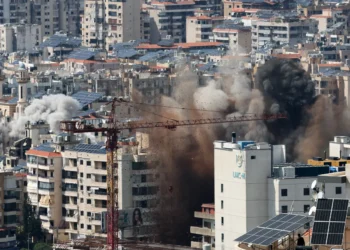
The escalating international crisis reached a dangerous tipping point on Monday following explicit threats from the Israeli leader to launch heavy bombing campaigns against the southern suburbs of Beirut. Netanyahu insisted these drastic measures were absolutely necessary to permanently dislodge entrenched Hezbollah militants from their urban strongholds. The aggressive rhetoric prompted an immediate and sharp diplomatic response from authorities in Tehran. Iranian officials swiftly announced they would completely suspend all ongoing peace negotiations with the United States until the active conflict in Lebanon was frozen.
This sudden Iranian announcement directly threatened the imminent collapse of delicate diplomatic talks that Donald Trump had previously boasted were nearing a successful conclusion. Facing the potential ruin of a signature foreign policy objective, the American president offered a characteristically blunt public assessment of the stalled diplomatic situation. Trump remarked openly that he believed the negotiating parties had simply been talking too much rather than finalizing agreements. This public display of irritation set the stage for an extraordinarily tense private confrontation between the two global figures.
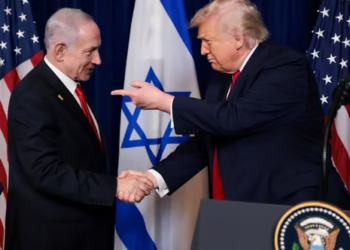
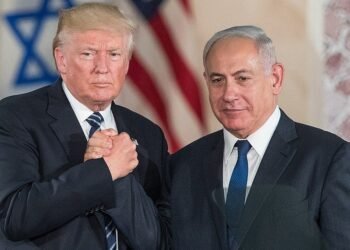
The brewing diplomatic crisis rapidly culminated in a highly contentious and reportedly stormy phone call between Donald Trump and Benjamin Netanyahu. According to an explosive account published by the American investigative outlet Axios, the conversation featured repeated instances of profanity from the American leader. The US president reportedly demanded to know exactly what the Israeli prime minister was trying to accomplish with his sudden military escalation. The publication has frequently maintained exceptional access to inside sources who track Trump’s growing frustration with his Israeli counterpart.
The leaked details of the exchange suggested a remarkable level of personal animosity and political leverage during the private discussion. One source familiar with the call characterized Trump’s remarks as a direct reminder of the political protection he had provided. Trump allegedly told Netanyahu that the prime minister would currently be facing imprisonment were it not for his sustained political support. This striking statement highlighted the deep intermingling of personal legal vulnerabilities and international diplomacy between the two traditional allies.
However, this dramatic account of the confrontational phone call remains heavily disputed by political analysts and officials within Jerusalem. Israel’s independent Channel 12 network offered a significantly different interpretation of the conversation, framing it as a profound policy misunderstanding. The network reported that the primary focus of the call was a miscommunication regarding the actual trajectory of the war. Trump apparently believed that Netanyahu intended to continue the current military campaign in Lebanon at full intensity indefinitely.
Conversely, Netanyahu felt that the American administration was unfairly demanding an immediate and unconditional total ceasefire from the Israeli military. Amit Segal, the chief political analyst for Channel 12, cited a close aide to the prime minister to support this interpretation. This alternative perspective sought to downplay rumors of a permanent rift between the United States and its closest regional ally. The focus was placed on aligning strategic expectations rather than personal animosity.
Trump himself later sought to publicly minimize the significance of the diplomatic friction during a subsequent interview with ABC News. The American president casually remarked that there had been a little glitch earlier in the day during their communications. He quickly added that he had turned the situation around very rapidly, suggesting the issue was entirely resolved. This public messaging aimed to project an image of absolute control over the complex geopolitical narrative unfolding in Washington.
Managing difficult relationships with American heads of state is a familiar challenge for the veteran Israeli political leader. Netanyahu has interacted with five different United States presidents since he first assumed the office of prime minister in 1996. Throughout his lengthy career, he has famously managed to get under the skin of every single American administration. Following their very first meeting three decades ago, an exasperated Bill Clinton famously vented his deep frustration regarding Netanyahu’s unyielding negotiating style.
Despite his extensive experience, the current political moment represents a uniquely fraught and dangerous challenge for Netanyahu’s career. The political pressure intensified dramatically on Monday when the Knesset voted unanimously to pass the first reading of a legislative bill. This crucial vote set the stage to officially dissolve Israel’s parliament, with early national elections widely anticipated this autumn. This legislative development forces the prime minister to defend his record ahead of schedule.
Netanyahu’s popularity ratings have experienced a significant slump as the multi-front conflicts continue to drag on indefinitely. This decline follows brief surges in public approval that occurred immediately after successful strikes against Iranian leadership figures earlier this year. The protracted nature of the fighting in Gaza, Lebanon, and Iran has eroded public patience within Israel. Citizens are increasingly concerned about the long-term economic and human costs of a seemingly endless war.
Faced with these challenges, Netanyahu appears driven by the absolute necessity of maintaining an active wartime narrative for the electorate. Ilan Goldenberg, a former special adviser on the Middle East, noted that the prime minister currently lacks a compelling campaign story. Goldenberg previously served as the dedicated Iran team chief at the United States Department of Defense during his career. He now operates as the chief policy officer at J Street, a prominent pro-peace advocacy group.
According to Goldenberg, Netanyahu desperately needs to achieve a decisive military victory in Lebanon before the upcoming autumn elections. If an absolute victory proves impossible, the premier must at least convince voters that he is actively fighting terrorism. This ongoing conflict allows Netanyahu to claim he is still actively working toward achieving total victory over regional enemies. This narrative is far more politically useful than admitting he failed to permanently dislodge these persistent security threats.
Furthermore, Netanyahu’s urgent political calculations are deeply intertwined with his ongoing personal legal battles within the Israeli court system. Judicial hearings officially resumed this week in a long-delayed corruption trial where the prime minister faces serious charges. These legal indictments include formal accusations of fraud, bribery, and breach of trust during his previous tenures in office. Netanyahu has consistently denied all wrongdoing, characterizing the prosecution as a politically motivated witch hunt.
The prime minister has regularly utilized his vital leadership role during national security crises to successfully delay these legal proceedings. This strategy effectively links his personal freedom to his ability to remain continuously in the prime minister’s office. If he loses power, he loses the significant legal protections and delaying mechanisms afforded to a sitting leader. Consequently, the stakes of the upcoming autumn election extend far beyond simple political preference.
While Netanyahu previously succeeded in lobbying Trump to launch joint military strikes against Iranian assets, American priorities have shifted significantly. Trump’s own domestic political considerations within the United States are now taking clear precedence over Israeli security preferences. The American president is acutely aware of how foreign conflicts can negatively impact domestic economic conditions and voter satisfaction. This domestic focus directly influences his current willingness to secure a rapid peace deal with Tehran.
Despite making public claims that he is not concerned about political midterms, Trump remains deeply fixated on domestic economic indicators. The president regularly reviews national economic data, with a specific focus on retail petrol prices across the United States. Over the recent Memorial Day holiday weekend, average fuel prices reached their highest levels since the pandemic era. These rising costs represent a significant political vulnerability that the administration is eager to address immediately.
The timely leak of the expletive-laden phone call may represent a deliberate strategic move by the Trump administration. By demonstrating a tough stance toward Israel, the White House can counter allegations that Netanyahu is dictating American policy. This public positioning helps shield the administration from domestic criticism while it pursues a broader regional peace agreement. The maneuver highlights the cold political calculations underlying Washington’s approach to its traditional regional allies.
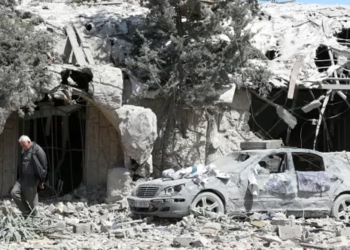
Following the tense phone call, Netanyahu publicly confirmed that Israel would refrain from launching further airstrikes against central Beirut. This concession remained strictly conditional on Hezbollah halting its own rocket and drone attacks against Israeli territory. Despite this agreement to dial back the fighting, localized violence has continued to claim civilian lives. At least eight individuals were killed on Tuesday during a series of targeted Israeli drone strikes.
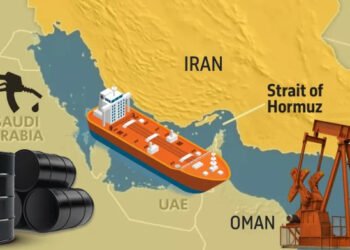
The final resolution of the peace process ultimately depends on the strategic calculations of the government in Tehran. The Iranian regime has maintained a firm stranglehold on approximately twenty percent of the global oil trade. They achieved this by effectively threatening to close the vital shipping lanes of the Strait of Hormuz. Tehran gambled that causing global economic pain would force the United States to offer significant sanctions relief.
However, a stringent United States naval blockade has simultaneously crippled Iran’s domestic economy and isolated its financial institutions. This economic pressure threatens the long-term viability of Iran’s vital oil industry and the regime’s primary revenue source. Whether Israel’s military operations in Lebanon remain an absolute red line for Iranian negotiators remains to be seen. Additional incentives, such as unfreezing billions in frozen assets, could potentially sweeten the final deal for Tehran.
Nevertheless, Trump remains highly hesitant to approve the release of frozen funds due to his historical political rhetoric. He previously launched harsh criticisms against Barack Obama for approving similar asset releases under the original Iran nuclear accord. Trump is loathe to invite accusations of hypocrisy by utilizing the exact same financial mechanisms to secure his deal. Meanwhile, the American president continues to confidently assert that an agreement is remarkably close to being finalized.
Related News:
 Ukraine war briefing: Zelenskyy offers help to Saudi Crown prince on combatting Iranian drones
 Ukraine Sends Drone Experts to Defend US Bases in Jordan
 Saudi Arabia Urging US to Keep Up Iran Attacks
 Diplomacy on the Brink: Pakistan’s Risky Peace Mission
 Trump Slams Europe as Transatlantic Tensions Boil Over
 High-Value Target: Iranian Strike Destroys US Radar Plane
 UN Warns Israeli Death Penalty Bill Could Be a War Crime
 Pakistan and China Propose Five-Part Peace Plan
 Trump Issues Stark Warning After Strike On Iran’s Largest Bridge
 Hope and Fear as Iranians Flee Across the Turkish Border
 The Price of Hubris: Trump, Netanyahu, and the ‘Easy’ War
 Israel Defies Ceasefire as Lebanon Operations Persist
 Middle East Peace Crisis: Ceasefire Strained by New Violence
 Pakistan Brokers Historic Peace Deal Amid Rising Tensions
 Netanyahu Vows Continued Lebanon Strikes Amid Peace Talks
 Islamabad Hosts Historic Peace Talks Between Iran and USA
 US and Iran Pursue Extension of Ceasefire via Pakistan
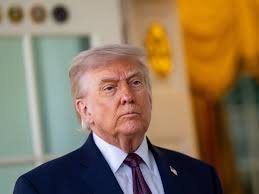 Trump’s Islamabad Gamble: The High Stakes of a New Iran Deal
 The General’s Gambit: Pakistan’s New Role in Global Peace
 Can Trump’s Ceasefire Hold in Lebanon?
 Global order shifts amid Trump-era turmoil
 Middle East Crisis Escalates as Oil Routes Shake Markets
 Saudi Arabia Blocks Trump’s Naval Plan for Hormuz Strait
 Tensions Emerge in Netanyahu-Trump Alliance
 UAE’s Secret Strike on Iran Risks Wider Gulf Conflict
 Netanyahu Claims Secret UAE Visit Amid Regional Conflict
 Netanyahu Calls Early Election Amid Coalition Turmoil
 Plea for Mercy: The Battle to Bring Ahmed al-Doush Home
 Trump Issues New Threat of Strikes Amid Iran Standback
 Global Outrage After Israeli Minister Mocks Bound Activists
 Israeli Strikes in Lebanon Kill 10 Amid Ceasefire Strain
 Hunger increasingly weaponised in global conflicts
 Former ICC prosecutor condemns US sanctions
 Washington Brokerage Sparking Hope Amid Regional Firestorms
 Israel Defies Trump in Direct Strikes on Targets Across Iran
 US and Iran Agree Historic Framework to End 15-Week War
 Global Powers Navigate Fragile Peace as Hormuz Reopens
 Trump Signs Landmark Iran Accord in Versailles
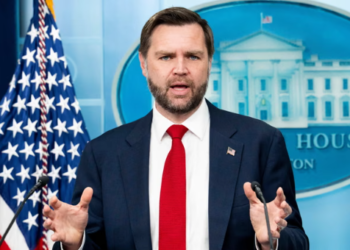 Uncertainty Prevails as Landmark Peace Talks Abruptly Conclude Before Commencement
 Iran To Propose New Shipping Fees In Strait Of Hormuz
 Grief and Devotion Amidst the Rubble of Nabatieh
 High Drama in Tehran Over Secret Nuclear Letters
 Iran Prepares for Massive Six-Day Funeral for Khamenei
 Iran Prepares for Massive Funeral for Supreme Leader
 Iran Bids Farewell to Fallen Leader in Massive Procession
 Iran Mourns: Millions at Khamenei’s Final Procession
 Hamas Proposes Handing Over Control of Gaza Strip
 Israeli Officer Investigated for Car Grenade Attack
 Yemen Accuses Iran of Violating National Sovereignty
 Trump Threatens Iran Power Strikes Over Hormuz Impasse
 Houthis Strike Saudi Arabia as Middle East Tensions Rise
 Friedman Uninvited From 2024 Adelaide Writers’ Week
 Spoof “Make America Go Away” Caps Rally Denmark Over Greenland
 New Zealand Covid Response Praised Despite Lingering Scars
 Injured Mojtaba Khamenei Elevated as Iran Leader
 Trump’s Six-Week Iranian War: The High Cost of Ignorance
 Reform UK Pledges To Halt Visas Over Reparations Demands
 US and Iran Agree to Two-Week Provisional Ceasefire
 Trump Signals Hope for New Iran Talks as Ceasefire Fades
 Security Alert Near Israeli Embassy as Police Investigate
 US-Iran Standoff: Will Trump Deploy Ground Troops?
 Investigation Into Anti-Trump Motives After Gala Shooting
 Trump Rejects Tehran Peace Plan as Regional Truce Crumbles
 High Stakes in Beijing as Trump and Xi Meet Amid Global Turmoil
 Fear and Betrayal: The Chilling Case of Kouri Richins
 Trump and Xi Convene in Beijing for Historic High-Stakes Summit
 Aussie Race Row: Coalition Accused of Scapegoating
 Trump Pledges 5,000 Troops for Poland in U-Turn
 Cannes filmmakers split over AI’s role in cinema
 Teaching Machines Right From Wrong in the Digital Age
 Oman Defies US Pressure Over Strategic Strait of Hormuz
 Ex-CIA Agent Accused of $40m Gold Theft and Fake Spy Unit
 Aukus Deal Facing Fierce Backing and Historic Criticism
 Tragic Loss of Australian Sprinter Jemma Stapleton
 Trump Urged to Condemn UFC Fighter Over Obama Slurs
 Russian Tanker Captain Remanded in UK Court After Channel Seizure
 US Military Pacific Boat Strike Kills Three People
 Trump’s Mount Rushmore Speech: A Divisive Anniversary
 Trump Swaps Planes Amid Iran Tensions
 Rotterdam Museum Honours Artist With Peanut Butter Floor