Published: 22 June 2026. The English Chronicle Desk. The English Chronicle Online.
A major political storm has erupted across the Iranian political landscape this week. This crisis follows an extraordinary national television broadcast that stunned viewers across the country. A prominent hardline politician openly challenged the official narrative regarding delicate international negotiations. The dramatic event has exposed deep fractures within the highest echelons of Iranian governance. It also revealed intense disagreements regarding current diplomatic talks with western global powers.
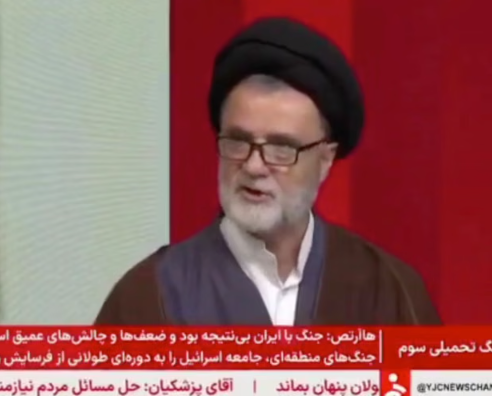
The controversy began when Mahmoud Nabavian appeared on the main state television channel. Nabavian previously served on the official team negotiating with the United States in Islamabad. He currently holds the position of deputy chair of the national security council. During his live interview, the politician made several highly explosive public statements. He claimed to have viewed highly confidential letters written by the supreme leader. These secret documents allegedly criticised the conduct of the nation’s diplomatic representatives.
According to Nabavian, the supreme leader believed negotiators had overstepped their specific mandate. This assertion directly challenged the competency and authority of the current diplomatic delegation. Network producers reacted with visible panic as the interview grew increasingly controversial. They abruptly cut off the live broadcast to prevent further unauthorized disclosures. However, the political damage had already been done across the wider region.
The state broadcaster moved quickly to contain the fallout from the incident. Within one hour, the entire digital archive of the interview was deleted. A senior television executive resigned from his position shortly after the broadcast ended. This rapid response underscores the immense sensitivity surrounding the supreme leader’s correspondence. The incident has triggered a fierce debate about freedom of political speech. It also highlights the intense secrecy that surrounds Iranian foreign policy decisions.
Official representatives for the nuclear negotiating team quickly dismissed the politician’s claims. They described his statements as old information that was deliberately distorted. The state broadcaster issued a formal statement condemning the unauthorized public disclosures. They argued that his remarks represented a serious violation of national law. Consequently, the prominent politician now faces the prospect of immediate criminal prosecution. He could also face a formal dismissal from his seat in parliament.
Supporters of Mohammad Bagher Ghalibaf have reacted with fury to the broadcast. Ghalibaf currently serves as the chief negotiator at talks in Switzerland. His political allies demanded a full investigation to identify any additional leakers. They believe the disclosure was designed to undermine the current round of talks. This reaction emphasizes the high stakes involved in the ongoing diplomatic process.
Centrist and reformist politicians have offered a different perspective on the crisis. They argue that the state broadcaster frequently serves specific hardline political factions. Nabavian is a well-known supporter of the hardline Stability Front political group. Critics suggest the broadcast was a coordinated attempt to sabotage modern diplomatic efforts. This internal friction reveals a complex struggle for control over the national narrative.
The dramatic episode provides a rare glimpse into real-time government operations. It suggests that Ayatollah Mojtaba Khamenei is taking an active role in diplomacy. The newly appointed supreme leader appears much more hands-on than previously assumed. He has reportedly issued strict instructions regarding the delicate nuclear file. Furthermore, he has demanded immediate toll payments from ships in the region.
The supreme leader has maintained a low public profile during these negotiations. He has not appeared in public or released any official audio recordings. Instead, he has chosen to operate entirely through detailed written statements. This detached style of leadership has created logistical challenges for the negotiators. Some reports indicate the team waited two weeks for crucial diplomatic guidance. The leader routinely sends highly detailed questions back to his representatives.
The supreme leader recently published a letter addressed to President Masoud Pezeshkian. In this document, he acknowledged having a different view on the talks. However, he ultimately deferred to the president’s judgment on certain conditions. This public admission confirms that disagreements exist at the very top level. It also shows a willingness to allow the president some diplomatic flexibility.
Nabavian insisted that the supreme leader established eleven specific conditions for talks. These requirements include receiving substantial financial compensation directly from the United States. Iran also demands the explicit right to continue its uranium enrichment program. The lifting of international sanctions remains another core demand for the government. Furthermore, the nation expects the immediate release of all frozen foreign assets.
The final conditions involve exercising full sovereignty over the strategic strait of Hormuz. This includes the controversial practice of charging immediate fees to passing vessels. According to Nabavian, the supreme leader emphasized Iran’s monopoly over this waterway. The revenue from these tolls would supposedly benefit families of national martyrs. This policy reflects a desire to link foreign policy with domestic welfare.
The supreme leader ordered that the waterway should remain closed to certain traffic. It would only fully reopen when America agreed to pay substantial compensation. The United States has agreed to establish a massive development fund instead. This fund would total approximately three hundred and fifty billion dollars globally. However, American officials stated they will not contribute to it directly.
Nabavian continued to defend his controversial actions through his personal social media channels. Writing on Telegram, he denied releasing any classified state documents to reporters. He maintained that he was simply revealing the absolute truth to citizens. The politician argued that the public has a right to know instructions. He questioned why foreign ministry officials apparently disobeyed the leader’s guidance.
The politician outlined four preconditions that required implementation before any talks began. These steps included a complete military withdrawal from contemporary territory in Lebanon. He also demanded the direct release of frozen assets by American banks. He explicitly argued against borrowing money from the government of Qatar instead. Finally, he insisted on the temporary lifting of all existing sanctions.
He questioned whether these four vital preconditions were met before Geneva talks. Foreign ministry officials have not provided a direct answer to his queries. The ongoing public dispute has created immense uncertainty for international diplomats involved. It remains unclear how this internal pressure will affect the Swiss negotiations. The world now watches Tehran closely as this political drama unfolds.
Related News:
 Saudi Arabia Urging US to Keep Up Iran Attacks
 Netanyahu Vows Continued Lebanon Strikes Amid Peace Talks
 US and Iran Pursue Extension of Ceasefire via Pakistan
 Global order shifts amid Trump-era turmoil
 Middle East Crisis Escalates as Oil Routes Shake Markets
 Tensions Emerge in Netanyahu-Trump Alliance
 Netanyahu Calls Early Election Amid Coalition Turmoil
 Israeli Strikes in Lebanon Kill 10 Amid Ceasefire Strain
 Hunger increasingly weaponised in global conflicts
 Former ICC prosecutor condemns US sanctions
 Iran To Propose New Shipping Fees In Strait Of Hormuz
 Grief and Devotion Amidst the Rubble of Nabatieh
 Houthis Strike Saudi Arabia as Middle East Tensions Rise
 US Citizens Warned to Venezuela Flee Amid Paramilitary Threats
 Gulf states warn Trump Iran strikes risk wider Middle East war
 Iran unrest slows under brutal crackdown and global tensions
 Thousands Protest ICE Operations in Nationwide US Day of Action
 Epstein Files Reveal Trump Officials’ Emails with Financier
 Thousands Protest ICE in New York Against Trump Deportation Campaign
 Sydney Protest Pepper Spray Clash During Herzog Visit
 Iran-Iraq Border Strikes Spark New Front Fears
 Ukraine war briefing: Zelenskyy offers help to Saudi Crown prince on combatting Iranian drones
 Mojtaba Khamenei Chosen as Iran’s New Supreme Leader
 Tehran Oil Depot Strikes Darken City With Toxic Smoke
 Seventh US Service Member Killed in Iran Conflict Identified
 Mojtaba Khamenei Supporters Rally as Iranians Fear Repression
 Tehran Strikes Mark War’s Most Devastating Night
 Iran Defiance Grows Amid US-Israel War Pressure
 Injured Mojtaba Khamenei Elevated as Iran Leader
 US Missile Strike on Iran School Sparks Global Shock
 Iran Gulf attacks escalate as ships and airports targeted
 Ancient Heritage Sites Damaged in Recent Airstrikes
 Gaza Detainee Abuse: Israel Drops Charges Against Soldiers
 Lebanon Ground Campaign Raises Occupation Fears
 Gulf Tensions Rise as Iran Alleges Covert Support
 Iranian President’s Son Shares Wartime Hopes and Fears
 Diplomacy on the Brink: Pakistan’s Risky Peace Mission
 Iran Drone Strike Hits Kuwaiti Oil Tanker in Dubai Port
 Trump Slams Europe as Transatlantic Tensions Boil Over
 Trump’s Six-Week Iranian War: The High Cost of Ignorance
 The Price of Hubris: Trump, Netanyahu, and the ‘Easy’ War
 Trump and Tehran Find Common Ground in Landmark Ceasefire
 Israel Defies Ceasefire as Lebanon Operations Persist
 Pakistan Brokers Historic Peace Deal Amid Rising Tensions
 Middle East Analysis: The Cost of a Fragile Peace
 Islamabad Hosts Historic Peace Talks Between Iran and USA
 Reeves Slams Trump Over Iran War Lack Of Exit Plan
 Ukraine Urges UK to Seize Russian Oil Tankers
 Oil Prices Surge Above $120 Amid Iran Blockade Fears
 Trump orders US troop pullout from Germany
 Activists allege abuse after Gaza flotilla seizure
 Japan Protests Erupt Over Plans to Revise Constitution
 FIFA Confirms Global Ban for Benfica Star Prestianni
 Saudi Arabia Blocks Trump’s Naval Plan for Hormuz Strait
 New South Wales Wetland Rescue Legislation Passes
 Trump Rejects Tehran Peace Plan as Regional Truce Crumbles
 US and Mexico Face Heatwave as Floods Batter South Africa
 The Long Way Home: Australia’s High-Stakes Virus Mission
 Trump Warns Iran Ceasefire Is Now on Life Support
 Putin Signals War End as Russian Momentum Stalls
 Fear and Betrayal: The Chilling Case of Kouri Richins
 Scepticism and tight security as Beijing braces for Trump
 Philippine Senator Flees After Days Under Senate Siege
 Tensions Flare as Israeli Nationalists March in Jerusalem
 Tragedy in the Maldives: Inside the Deep Sea Rescue
 Fragile Truce Shattered as Violence Escapes Diplomatic Control
 Discontent grows around Putin amid war strain
 US Strikes Iranian Sites Amid Shaky Ceasefire Talks
 Israel Intensifies Lebanon Strikes to Crush Hezbollah
 Trump’s Iran Deal Plan Sparks Intense Alarm Across Israel
 US and Iran Trade Fresh Strikes, Threatening Ceasefire
 Washington Brokerage Sparking Hope Amid Regional Firestorms
 Aukus Deal Facing Fierce Backing and Historic Criticism
 Thai Princess Bajrakitiyabha Passes Away at 47
 US and Iran Agree Historic Framework to End 15-Week War
 Trump Signs Landmark Iran Accord in Versailles
 Iran Prepares for Massive Six-Day Funeral for Khamenei
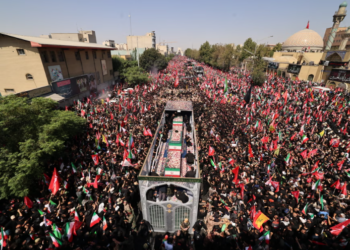 Iran Mourns: Millions at Khamenei’s Final Procession
 Israeli Officer Investigated for Car Grenade Attack
 Yemen Accuses Iran of Violating National Sovereignty