
Published: 08 July 2026. The English Chronicle Desk. The English Chronicle Online.
The incoming government faces a pressing need for significant public funds. Perhaps they should consider the vast sums currently pledged to carbon capture. The state could effectively cancel its precarious carbon capture and storage programme. This move would carry no cost to the broader welfare of citizens. In reality, such a decision would likely reduce the harm we suffer. The government has frequently touted a figure of £21.7bn for spending. This amount supposedly covers the programme’s costs between now and 2050. However, this figure accounts for only the initial phase of deployment. Climate experts have recently analysed the data from the government’s committees. Their findings suggest the true cost is closer to £264bn overall. Some recent independent reports even project costs exceeding £400bn by 2050.
This total cost is split between the public and private sectors. Given historical trends, the public will likely shoulder the heaviest burden. A major committee in parliament found that many costs remain hidden. Roughly one-quarter of public costs will be paid by the state. The remaining three-quarters will likely land on our energy bills. The government must be transparent about these potential future charges. It should explain that this policy could inflate consumer energy bills. The public deserves to know the real price of this strategy. Additionally, there are uncosted commitments to pay premiums for hydrogen. These subsidies could potentially add tens of billions more in costs.
But is carbon capture actually essential for cutting carbon emissions? The government certainly presents it as a vital climate solution today. On the contrary, this programme could significantly increase our total emissions. The advisory committees claim that such tech targets hard sectors. They suggest it is for industries with very few other alternatives. However, this narrative does not align with the provided data. A tiny fraction of these projects targets true industrial needs. Most of the planned capacity is linked to fossil fuel plants. These schemes are intended to keep gas-burning power stations running. Battery technology is evolving very rapidly to provide reliable power. We can already achieve a balanced supply without using fossil fuels.
The insistence on hydrogen from fossil gas is equally quite baseless. Data shows that renewable hydrogen will be cheaper to produce soon. New carbon capture plants require vast amounts of extra gas usage. This dependency necessitates higher imports of liquefied natural gas daily. Methane leakage during the production chain creates a high climate impact. Much of this harm happens long before the gas reaches us. These emissions are often excluded from our national reporting figures today. If we truly wanted to cut emissions, we would change tactics. We should scale up renewables and storage to replace gas usage. The current programme only serves to prolong these expensive fossil dependencies.
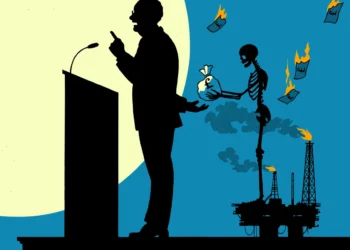
The entire structure of this industry appears driven by heavy lobbying. Fossil fuel companies have held frequent meetings with senior ministers. These corporations know this tech is their only viable future lifeline. They want to keep burning gas under the guise of green targets. Consequently, a massive, expensive white elephant has been created for us. Scientific credibility for this approach was built by major oil firms. Older, foundational research was heavily influenced by industry executives directly. They famously promoted carbon capture as a ready, industrial-scale technology. In reality, it was barely tested at the time of publication. Yet, it became a cornerstone of global climate policy for decades.
Since that time, there has been a record of repeated failures. Several attempts in the UK have been abandoned due to costs. The technology remains technically unproven and commercially very risky for investors. The government is taking a massive gamble with public funds again. It is backing unproven systems with billions in taxpayer-provided capital. Yet, the real goal seems to be keeping the industry alive. The biggest fossil fuel companies remain the lead project operators. They are the primary beneficiaries of this massive public subsidy scheme. From start to finish, this programme appeases a destructive sector.
The wasted money, the lost years, and the lost lives matter. For how much longer will this expensive farce be allowed continue? How many more expert warnings will the government choose to ignore? The transition to net zero requires bold and honest fiscal choices. We are currently funding a path that delays our climate progress. It is time for a new approach that benefits the public. True decarbonisation will require us to move past these outdated methods. We must prioritise proven, clean technologies that reduce our long-term bills. The path forward must be built on reality rather than hype.
Related News:
 Norway’s Petrol Car Sales Hit Record Low Amid EV Surge
 Santos Wins Landmark Greenwashing Case in Court
 Yorkshire Water Funding Sparks Debate Amid Fines and Pay Row
 The Truth Behind Rising Energy Costs and Fossil Fuel Myths
 New £10bn rescue plan offered for Thames Water
 Trump to Deploy “God Squad” Over Gulf Wildlife Protections
 UK Fossil Fuel Expansion Risks Global Climate Collapse
 Capitalism ‘Suicidal’, Warns Petro at Climate Summit
 UK Firm Faces Backlash Over US Oil Advertising Deals
 Thinktank Urges Speed Limit Cuts to Offset Iran War Costs
 Whitehall Steps In: The Battle Over Thames Water Deepens
 Reeves Faces Setback as Labour May Miss Homes Target
 Virgin Trains Moves Closer to Challenging Eurostar Monopoly
 Trump’s UK Ambassador Urges North Sea Drilling to Strengthen US Ties
 Ryanair Chief UK Economy ‘Doomed’ Under Labour
 M&S Profits More Than Halve After Cyber-Attack
 Millionaires group urge Reeves to introduce wealth tax to ‘lift kids out of poverty’
 From Lego to Pokémon: How Adults Are Driving UK Toy Market Growth
 Canada Passes Carney’s First Budget in Tight Parliamentary Vote
 Starmer Says Labour’s Economic Plan Needs Years to Deliver
 Virgin Media Fined £23.8m Over Telecare Safety Failures
 ‘Extinct’ Antelope Returns to Sahara, Bringing Hope
 FTSE 100 Hits 10,000: UK Market Celebrates Record Year
 Storm Goretti leaves Cornwall homes without power
 No Gas Boiler Ban as UK Warm Homes Plan Backs Heat Pumps
 Devon hosts first high-density hydro power system
 US Dollar Hits Four-Year Low Amid Market Turmoil
 UK New Car Discounts Near £6,000 as Prices Are Slashed
 BT Names New Openreach Chief Amid Major Fibre Expansion
 UK Job Vacancies Hit Five-Year Pandemic Low
 UK Youth Unemployment Surges Amid Tax Changes
 Strong Rebound for UK Housing Market Sees 6% More Homes
 Germany Faces Backlash Over Scrapped Renewable Heating Mandate
 Switching Energy Deal Can Save £200 as Price Cap Falls
 Oil Prices Surge Above $100 Amid Iran War
 Abramovich Chelsea Sale Cash Faces Jersey Probe
 Charity Watchdog Takes Control of Learning Disability Care Home
 Russia: The Unforeseen Winner of the Iran Conflict
 Can Congress Stop US Sports Teams From Moving Cities?
 Miles Jupp: How the Magic of the Ashes Sparked a Bold Blag
 Green Light for Britain’s Electric Future in Somerset
 Fuel Prices Drop Despite Geelong Refinery Blaze
 Carmakers Face £3bn Gap in UK Loan Payout Scandal
 Celestial Magic: The Lyrid Meteor Shower Returns
 Governments Fail Murray-Darling River Projects
 Lords Demand Larger Fiscal Buffers for UK
 Ukraine Urges UK to Seize Russian Oil Tankers
 Ukraine strikes Tuapse as oil disaster worsens
 US to Escort Trapped Ships Through the Strait of Hormuz
 Trump Threatens UN Budget Cuts as US Pushes ‘Trade Over Aid’ Agenda
 UK Electric Car Sales Surge Amid Rising Iran Conflict Fears
 The Campaign To Save Britain’s Original Bramley Apple Tree
 US Awaits Iran Reply on New Ceasefire Proposal
 Big Tobacco Under Fire Over Controversial New Ad Campaign
 High Street Crisis: Fears Grow Over Post Office Closures
 AI Shift: StanChart to Cut 7,000 Global Jobs
 Reeves to Fast-Track Clean Energy Amid Iran Crisis
 Oil Markets Face ‘Red Zone’ Threat Amid Iran Crisis
 Belfast Approves Pilot Extension of Sunday Trading Hours
 Albanese Defends Tax Reforms Amid Emotional Speech
 Tube Strike Brings Capital to a Standstill Over Shift Disputes
 Rural Communities Face Severe Threat of Diesel Shortages
 Goalhanger Leads Sunday Times Fast-Growth Business List
 SpaceX Prepares for Historic Valuation Launch
 UK Economy Suffers a Sharp Downturn as Iran Conflict Bites
 Flutter to Cancel London Stock Exchange Share Listing
 Mike Ashley Launches Double Bid with Australian Takeover
 Thames Water Nationalisation Pushes Closer After Rescue Objected
 UK Inflation Holds at 2.8% Against All Expectations
 UK Job Vacancies Hit Five-Year Low as Wage Pressures Persist
 Elizabeth Warren Warns Corporate Mergers Could Be Reversed
 UK Households Suffer Squeeze As Disposable Incomes Drop
 UK Watchdog Takes on Apple and Google Mobile Monopoly
 UK Property Prices Stagnate Amid Growing Fears of Summer Slump
 The End of an Era: Halifax Brand to Vanish from High Streets
 Burnham Promises Relief on Cost of Living Crisis
 Severn Trent CEO Reward Package Doubled Despite Public Anger
 Accessible Travel Could Unlock £176bn for UK Economy
 China Storms Claim Fifteen Lives in Tragic Surge
 Creditors Eye Thames Water Even Under Nationalisation