Published: 14 July 2026. The English Chronicle Desk. The English Chronicle Online.
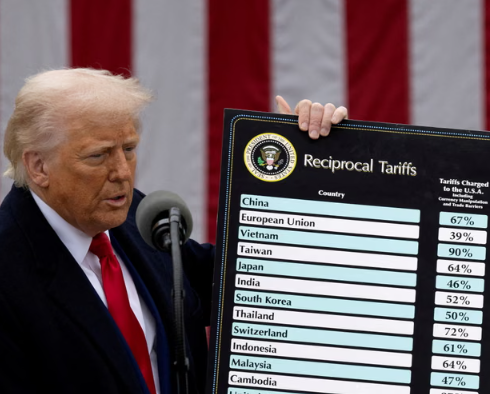
The United States government has returned tens of billions of dollars to companies this year. These massive payments follow a landmark Supreme Court ruling that declared previous tariffs illegal. Federal budget figures released on Monday confirm these significant payouts to various businesses nationwide. Tariffs are taxes on imported goods that have been central to Trump’s agenda. President Donald Trump resumed these economic strategies when he took office last year as president. However, the Supreme Court shut down these specific extra tariffs back in February of 2026. This judicial decision forced the government to return money to firms that had already paid.
Official budget data shows the government paid out 81 billion dollars in total refunds. This sum covers the current fiscal year, which actually began back in October of 2025. In comparison, the government only paid out five billion dollars during that same time period. A Treasury department official indicated that the dramatic spike was caused by the court ruling. Most of these financial transactions were processed during the months of May and June recently. Trump originally pitched these tariffs as a complete fix for the struggling American economy. He promised to bring factories back home and negotiate much better global trade deals. He also aimed to close the massive deficit currently plaguing the federal government budget.
The deficit had shrunk slightly last year thanks to the incoming revenue from tariffs. However, that federal deficit is now growing again despite the previous gains made earlier. The shortfall reached 1.367 trillion dollars in the first nine months of the current year. This represents an increase of roughly two percent compared to the previous fiscal year’s data. The United States spent more than one trillion dollars just on interest for debt. Military spending also climbed by five percent due to the ongoing war in the Middle East. These rising costs highlight the deepening fiscal challenges faced by the current American presidential administration.
The administration currently enforces a temporary ten percent tariff on many global imported goods. This specific policy is scheduled to expire later this month on the twenty-fourth day. However, the White House is already preparing new duties to replace these expiring tariff measures. Officials cite lax enforcement of anti-forced labour laws and excess industrial capacity as reasons. These new proposals could impact leading trade partners like the UK, Japan, and India. China and Taiwan are also included in the list of countries facing these new duties. The administration hopes these rates will allow it to skirt previous court-imposed limits successfully. New tariff rates are expected to land between ten and twelve point five percent range.
The United States government has also threatened fresh levies of twenty-five percent on Brazil. Furthermore, Trump warned last month of a potential one hundred percent tariff on European nations. This threat specifically targets countries that choose to pursue a tax on large tech companies. The United Kingdom currently maintains a two percent digital services tax on social media giants. This tax also applies to search engines and other large online marketplaces operating within Britain. According to Treasury data, this levy raised more than eight hundred million pounds in 2024. Companies such as Apple, Google, and Amazon remain the primary targets of this specific tax.
France, Spain, and Italy impose a three percent digital services tax on large companies today. Several other European Union nations have either implemented or proposed similar policies for their regions. The US president claims that his new tariff will overrule any existing trade deals. He stated this policy would apply whether deals were signed, implemented, or currently under negotiation. In a recent post on Truth Social, Trump addressed the looming digital services tax issue. He warned that numerous European countries were discussing the implementation of such taxes on companies. He stated that any country imposing such a tax would be met with swift retaliation.
The president threatened an immediate one hundred percent tariff on all goods sent to America. He emphasized that this massive tariff would supersede all trade agreements made with that country. The warning was clear and directed at any nation planning to proceed with these digital taxes. This ongoing trade tension creates significant uncertainty for businesses operating across the Atlantic in 2026. Global markets are watching these developments closely to see how international trade will eventually evolve. The situation remains fluid as both sides navigate these complex economic and political disagreements today. Many leaders hope that dialogue will eventually prevail over these aggressive and costly trade wars.
Related News:
 Reeves Faces Setback as Labour May Miss Homes Target
 Virgin Trains Moves Closer to Challenging Eurostar Monopoly
 Trump’s UK Ambassador Urges North Sea Drilling to Strengthen US Ties
 Ryanair Chief UK Economy ‘Doomed’ Under Labour
 M&S Profits More Than Halve After Cyber-Attack
 Millionaires group urge Reeves to introduce wealth tax to ‘lift kids out of poverty’
 From Lego to Pokémon: How Adults Are Driving UK Toy Market Growth
 Canada Passes Carney’s First Budget in Tight Parliamentary Vote
 Starmer Says Labour’s Economic Plan Needs Years to Deliver
 Virgin Media Fined £23.8m Over Telecare Safety Failures
 Starmer Faces Parliamentary Battles Over UK-EU ‘Reset’ Plan
 Reeves Pub Business Rates U-Turn Calms Labour Revolt
 ScottishPower Tops List of Worst UK Energy Suppliers
 Markets Slide As Gold Rally Signals Risk From Trump Greenland Tariff Plan
 UK Eyes Global Investment with Visa Fee Refunds
 City & Guilds pay surge sparks backlash amid £22m cuts
 UK Inflation Hits 3.4% in December, Ending Five-Month Decline
 Trump Fed bid heads to Supreme Court
 ‘Black Tax’: Burden, Pride and Survival for African Workers
 AI job losses UK: Britain faces sharper employment shock
 India-EU Free Trade Deal Marks Historic Economic Shift
 EU Signals Open Mind on UK Customs Union Talks
 Telstra AI jobs cuts as automation drive expands
 BT Names New Openreach Chief Amid Major Fibre Expansion
 UK Banks Plot Payment Backup Amid Trump Fears
 UK Unemployment Rate Climbs to 5.2% Peak
 UK shelves £110m border project amid trade strain
 Aston Martin Cuts 20% Jobs Amid £363m Loss
 Switching Energy Deal Can Save £200 as Price Cap Falls
 Rachel Reeves Faces Middle East Conflict Test
 Grocery Inflation Rises Amid War Fears
 BrewDog sold Highland estate for knockdown price after abandoning reforestation plans
 Rising Costs Force Families to Rethink Days Out
 Oil Slides, Stocks Jump on Trump Peace Signals
 UK inflation held at 3% before global energy price hit
 Ticketmaster Fees Rise Despite Recent US Junk Fee Crackdown
 M&S Demands Urgent Action on Rising Violent Retail Crime
 New Era for Sick Pay as Millions Gain Critical Rights
 US and Iran Agree to Two-Week Provisional Ceasefire
 Stefano Gabbana Resigns as Chair of Italian Luxury Giant
 Rolls-Royce SMR Secures £600m Boost for Nuclear Future
 Aegon Sells Historic UK Arm to Standard Life for £2bn
 Central Bank Chiefs Hold Crisis Simulation in Washington
 UK Staycations Rise as Travel Fears Grow
 Former Brexit Chief Calls for Rejoining the EU
 Albanese Rejects Gas Export Tax Push
 Oil Prices Surge Above $120 Amid Iran Blockade Fears
 Silent Tracks: Rail Line Without Passengers
 Tough Fiscal Realities Await Next Scottish Government
 DeepMind Staff Vote to Unionize Over US Military Contract
 Global Conflict Hits Home As Bullock Warns Of Economic Pain
 STV Election Coverage Disrupted Amid Bitter Pay Dispute
 Aramco Surges as East-West Pipeline Counters Gulf Tensions
 High Stakes in Beijing as Trump and Xi Meet Amid Global Turmoil
 Lotus Boss Pledges Future to Norfolk and Seeks State Support
 Trump and Xi Convene in Beijing for Historic High-Stakes Summit
 High Street Crisis: Fears Grow Over Post Office Closures
 UK Firms Freeze Spending as Iran Conflict Bites
 Rubles and Resilience: How Russia-China Border Towns Thrive
 UK Eases Russian Oil Sanctions as Fuel Costs Soar
 Reeves to Fast-Track Clean Energy Amid Iran Crisis
 Oil Markets Face ‘Red Zone’ Threat Amid Iran Crisis
 Belfast Approves Pilot Extension of Sunday Trading Hours
 Kevin Warsh sworn in as Fed chair amid economic backlash
 Mid-Year Surge to Push Average Annual Bills Beyond £1,900
 Tube Strike Brings Capital to a Standstill Over Shift Disputes
 Tube Strike Brings Capital to a Standstill Over Shift Disputes
 BP Stands Firm on Amanda Blanc Amid Boardroom Storm
 UK House Prices Drop For Third Month Due To War Fears
 No Brutal EV Price War For British Motorists
 Gas Prices Fall Below $4 Following US-Iran Peace Deal
 Is JD Vance the Ultimate Fall Guy for Trump’s Shaky Iran Deal?
 EU Slashes Steel Quotas But Grants UK Favourable Rates
 Sainsbury’s Boss Optimistic As Grocery Inflation Eases
 Trump Faces Backlash Over $2bn Earnings Since Return
 Starling Bank Trims Jobs for AI Future
 Accessible Travel Could Unlock £176bn for UK Economy
 Apollo Launches £5.7bn Bid for Aviation Giant easyJet
 BBC Faces Real Jeopardy as Licence Fee Income Declines
 Thames Water Future Remains Uncertain Amid Funding Crunch