Published: 24 July 2026 | The English Chronicle Desk | The English Chronicle Online
The United States has announced that it intends to use frozen Iranian assets under its control to compensate for damage caused to commercial ships and cargo operating in and around the Gulf, marking a significant escalation in its economic response to the widening conflict with Tehran.
President Donald Trump made the announcement as American military operations against Iranian targets entered their 13th consecutive night, while attacks linked to Iran-backed Houthi forces continued to threaten some of the world’s busiest maritime trade routes. The declaration introduces a new dimension to the confrontation by linking military and economic retaliation, raising fresh legal and diplomatic questions over the future of billions of dollars in Iranian assets frozen under US sanctions.
In a post on his Truth Social platform, Trump stated that any future damage inflicted on ships, cargo or related maritime assets would be compensated using Iranian funds held by the United States.

“Please let this statement serve to represent, until further notice, that from this point forth, any and all damages done to Ships, Cargo, or anything related thereto, will be paid for by Iranian Money that the United States has in its possession, and controls,” the president wrote.
The announcement came as the conflict between Washington and Tehran continued to intensify across several fronts. American forces carried out another wave of airstrikes targeting Iranian military infrastructure, including facilities near the strategic port city of Bandar Abbas and locations on Qeshm Island, an area hosting naval assets and drone capabilities close to the Strait of Hormuz. Iranian state media also reported explosions in other military-linked regions, although officials have released limited information regarding casualties or the extent of the damage.
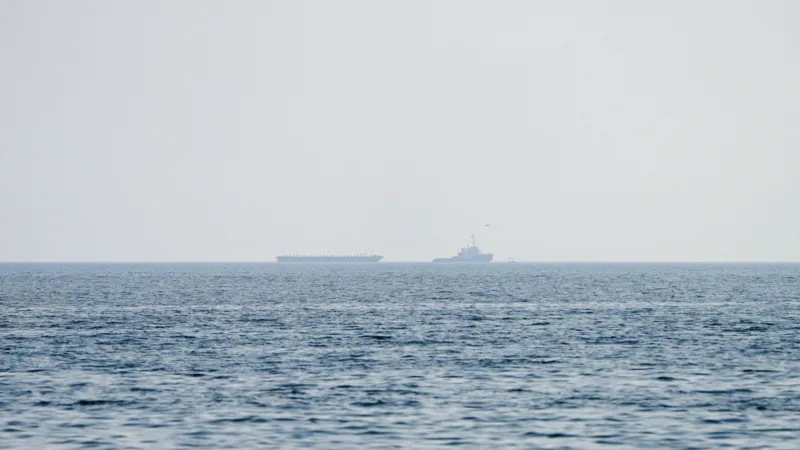
The latest military action follows growing concerns over the security of global shipping routes. The Strait of Hormuz remains one of the world’s most strategically important waterways, carrying a significant share of international oil exports each day. At the same time, the Bab el-Mandeb Strait at the southern entrance to the Red Sea has become another flashpoint after Yemen’s Iran-backed Houthi movement threatened to disrupt maritime traffic.
Earlier this week, the Houthis claimed responsibility for attacks on two Saudi oil tankers travelling through the Red Sea, warning they would continue targeting vessels linked to Saudi Arabia. The attacks heightened fears of further disruption to international trade and energy supplies, sending oil prices sharply higher and forcing some shipping operators to reconsider routes through the region.
President Trump has directly blamed Iran for the Houthi attacks, arguing that the Yemeni group acts as a proxy for Tehran. He warned that any future attacks on commercial shipping would trigger “major military punishment” against both the Houthis and Iran itself.
Washington has increasingly linked its military campaign to protecting international shipping lanes, arguing that freedom of navigation through the Gulf and the Red Sea is essential for global economic stability. The administration says repeated attacks on commercial vessels threaten energy markets, international commerce and the security of allied nations across the Middle East.
Iran has reacted sharply to Trump’s proposal.
Foreign Minister Abbas Araghchi condemned the suggestion that frozen Iranian assets could be confiscated to pay compensation claims, describing it as an unprecedented and dangerous move.
Writing on social media, Araghchi warned that using one country’s frozen assets to satisfy unrelated future claims would establish what he called an “incendiary precedent.”
He argued that if governments begin routinely confiscating sovereign assets to settle political or military disputes, confidence in international financial systems could be severely undermined. According to Tehran, such actions would erode legal protections surrounding sovereign property and create uncertainty for countries holding foreign reserves overseas.
The proposal also raises significant legal questions.
Frozen foreign assets are generally held under sanctions regimes rather than permanently seized. While governments may restrict access to those funds, converting them into compensation payments often requires specific legal authority and, in many cases, court proceedings or international agreements.
Legal experts note that attempts to permanently confiscate sovereign assets have historically faced complex legal challenges, particularly when assets belong to central banks or state institutions protected under international law.
Although the Trump administration has not yet outlined precisely which Iranian assets would be used, billions of dollars linked to the Iranian government remain frozen under various US sanctions programmes imposed over many years.
The Treasury Department has already indicated that it has been examining options for using Iranian assets to support regional recovery efforts following attacks attributed to Tehran and its allied groups. Officials have reportedly sought assessments from Gulf allies regarding infrastructure damage and reconstruction costs resulting from the ongoing conflict.
The military confrontation continues to expand geographically.
American officials say recent operations have focused on degrading Iran’s ability to threaten maritime traffic, particularly around the Strait of Hormuz, through which roughly one-fifth of the world’s oil and gas supplies normally pass.
Meanwhile, explosions were reported near a US military base in northern Iraq shortly after another night of American strikes inside Iran, highlighting concerns that the conflict could spill further across the region. Iraqi leaders have renewed calls for restraint while attempting to prevent their territory from becoming a launching point for attacks against neighbouring countries.
The conflict has also placed considerable pressure on global energy markets.
Brent crude prices have climbed above the psychologically significant $100 per barrel mark amid fears that sustained attacks on shipping or the closure of strategic waterways could disrupt international oil supplies. Several shipping companies have reportedly begun rerouting vessels around Africa to avoid high-risk areas, increasing transport costs and delivery times for global trade.
Economists warn that prolonged instability in the Gulf and Red Sea could contribute to higher fuel prices, increased inflation and renewed supply chain disruptions affecting businesses and consumers worldwide.
International reaction to Trump’s latest announcement has been cautious.
Several governments have expressed concern that any confiscation of sovereign assets could have broader consequences for international financial governance. Although Western allies continue to support efforts to protect commercial shipping from attacks, legal scholars argue that the seizure of state-owned assets for compensation purposes could encourage reciprocal actions by other governments in future disputes.
Financial markets are also closely watching developments, particularly because sovereign asset protections play a central role in maintaining confidence in global banking systems and cross-border investment.
At the same time, the administration maintains that Iran bears direct responsibility for the actions of its regional allies and should therefore bear the financial consequences of attacks disrupting international commerce.
The White House has repeatedly described its campaign as part of a broader strategy aimed at restoring security to critical maritime routes while increasing economic pressure on Tehran. Alongside military operations, Washington has expanded sanctions targeting Iranian military procurement networks, oil revenues and entities accused of supporting the Islamic Revolutionary Guard Corps.
Diplomatic prospects remain uncertain.
Despite intermittent discussions about indirect negotiations, relations between Washington and Tehran continue to deteriorate as military operations intensify. Iran insists that any meaningful diplomatic progress would require sanctions relief and the release of frozen assets, while the United States appears increasingly willing to use those same assets as leverage in the conflict.

Analysts believe Trump’s latest proposal is intended to reinforce deterrence by signalling that Iran could face not only military consequences but also substantial financial costs if attacks on international shipping continue.
Whether the plan can be implemented legally remains unclear, but politically it underscores the administration’s determination to combine military action, sanctions and financial pressure in its strategy toward Iran.
As airstrikes continue, shipping companies navigate heightened security risks and governments monitor developments with growing concern, the Gulf crisis shows few signs of easing. With global trade routes under pressure and diplomatic relations increasingly strained, the proposal to redirect frozen Iranian assets is likely to become another contentious issue in an already volatile regional confrontation.
Related News:
 US Unveils Fresh Tariffs on Global Trading Partners
 Oil Markets Surge as Investors Await Trump’s Final Iran Ultimatum
 Global Oil Markets Volatile After Trump’s Profane Threat to Iran
 The ‘Relief Rally’: Global Markets Surge as Oil Prices Tank on 14-Day Truce
 Spirit Airlines shuts down after 34 years amid crisis
 US Awaits Iran Reply on New Ceasefire Proposal
 Trump Approves $700m Coal Industry Investment
 Trump Refuses to Sign Housing Bill, But Law Takes Effect
 Top Senate Republican Says Federal Probe of Powell Could Challenge Fed Nominees
 Trump Administration Probe of Fed’s Powell Draws Pushback
 Government Unveils Northern Powerhouse Rail Plans
 Trump Fed bid heads to Supreme Court
 Reform Plans to Keep UK’s Budget Watchdog in Office
 Tories Call for Rethink of Parliament Revamp Plans
 Reeves Blocking Spending Boost for Defence
 Jenrick: I’ll Back OBR but There’ll Be No More Cosy Consensus
 Another U-turn Ahead as Labour Reconsiders Youth Minimum Wage
 Live Markets Bet on Spring Rate Cut as Inflation Falls
 City Bets on Rate Cuts as Unemployment Soars
 Sanders Condemns Billionaire ‘Greed’ in California Tax Debate
 Canada Eyes Trade Talks After US Supreme Court Tosses Trump Tariffs
 Trump’s tariff strategy collapse sows global chaos and confusion
 Reeves Faces Triple Threat as Markets Reel From Global Turmoil
 Gulf Oil Shock Sends Global Economic Ripples
 Iran Rejects Ceasefire, Warns Trump With Chilling Message
 US Launches Probe into Trading Partners Including EU, China, and India
 Close Brothers to Axe 600 Jobs in £85m Cuts
 Trump Faces New Warning Signs as Iran War Hits Home
 Trump’s Signature to Appear on US Dollars
 Badenoch Demands Energy Tax Cuts Over ‘Benefit Street’ Bailouts
 Tories Urge Three-Year VAT Scrap on Energy Bills to Combat Price Spike
 Can Congress Stop US Sports Teams From Moving Cities?
 India’s High-Growth Economy Braces for a Middle East Oil Shock
 Asian Powers Secure Energy Lifelines as Trump’s Hormuz Deadline Looms
 The Crown Jewel Sparkles: UK City Firms Report Historic Turnaround
 The Horns of Dilemma: Why the 2026 Iran War Ignited and Where It Goes Next
 Tectonic Tension: Trump Blasts NATO Costs as Rutte Admits to ‘Very Frank’ Exchange
 ‘Stressed and Struggling’: Farmers Lead Tractor Convoys in Desperate Plea for Fuel Tax Cuts
 Midnight Fire: Israel and Hezbollah Exchange Strikes as Trump Lashes Out at Tehran
 Iron Worker Challenges Trump Loyalist in Ohio
 US Labor Department in turmoil after secretary resigns
 BBC News Faces Deep Cuts in 2,000 Job Plan
 Trump approval plunges amid Iran war fears
 Trump Threatens UN Budget Cuts as US Pushes ‘Trade Over Aid’ Agenda
 Kevin Warsh sworn in as Fed chair amid economic backlash
 Hormuz Talks Near Critical Stage
 Reeves Fights to Keep Treasury Role Amid Labour Turmoil
 Victoria Labor Launches Apprenticeship Expansion Plan
 Nationwide Faces Governance Scrutiny Ahead of AGM
 Hungary Targets Oligarchs with Proposed Landmark Wealth Tax
 Trump Ballroom Project Faces Rising Costs
 Republicans Defy Trump on Ukraine Aid Bill
 Can Ordinary Investors Buy SpaceX Shares?
 Nick Clegg Says Silicon Valley Has Shifted Toward Maga Politics
 UK Employers Turning to Temporary Staff Over Permanent Hires, Recruiters Warn
 Headline: Trump Says He “Loves the Inflation” as US Prices Rise at Fastest Rate in Three Years
 Trump Remarks on Inflation Draw Attention as US Prices Record Sharpest Rise in Three Years
 Trump Reportedly Earned More Than $1 Billion from Cryptocurrency Ventures in First Year Back in Office
 Severn Trent CEO Reward Package Doubled Despite Public Anger
 New Investment ‘Trump Accounts’ Launch for US Children
 EasyJet Agrees in Principle to £5.2bn Takeover Deal
 Banks Accused of Steering Customers Away From Basic Accounts
 Why Some African Nations Are Rejecting Trump Aid
 Trump’s New Vision for 250 Years of US Expansion
 Europe Weighs Hormuz Navigation Fee Plan
 Weight-Loss Drugs Transform Fashion Shopping Habits
 EasyJet Takeover Sparks Fears Over Passengers’ Future
 US-Iran Exchange Fire as Hormuz Tensions Escalate
 China’s Economic Growth Slows, Missing Official Target
 Trump’s UK Ambassador Urges North Sea Drilling to Strengthen US Ties
 Millionaires group urge Reeves to introduce wealth tax to ‘lift kids out of poverty’
 Starmer Says Labour’s Economic Plan Needs Years to Deliver
 American Citizen Killed in Cuba Boat Shooting, U.S. Officials Say
 Thousands Protest Iran Strikes Outside US Embassy London
 Iran War Puts Trump at Political Risk Amid Rising Prices
 Sri Lanka Sets Weekly Shutdown to Save Fuel
 The 8 Million Dilemma: Why Britain’s Disability Safety Net is Facing a ‘2026 Reckoning’
 Oil and Diplomacy: Russian Refineries Burn as Zelenskyy Secures Middle East Shield
 Israel Strikes Iran After Missile Attack
 Burnham Promises Relief on Cost of Living Crisis