Published: 24 July 2026 | The English Chronicle Desk | The English Chronicle Online
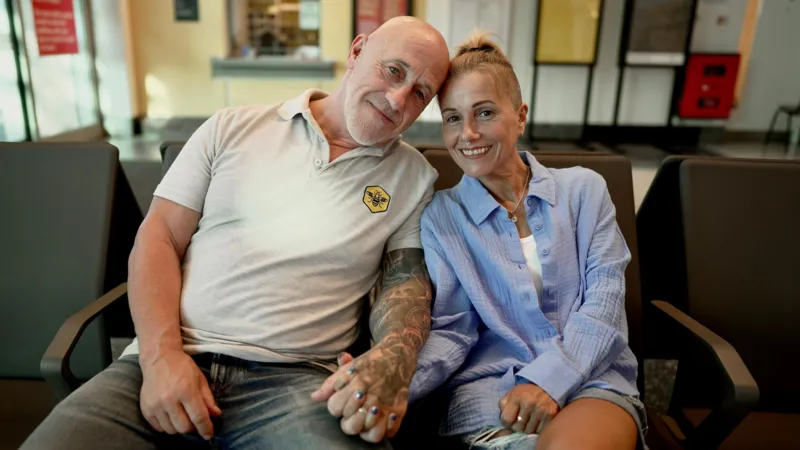
A friendship that grew over years of shared memories, laughter and support turned into an extraordinary family discovery when two people who had become inseparable friends learned they were actually brother and sister.
The revelation transformed their understanding of their own identities and brought unexpected answers to questions about their pasts. What began as a normal friendship between two people eventually became a remarkable story about family connections, adoption, separation and the surprising ways lives can cross before the truth is revealed.
The pair had built a close bond without knowing they shared the same biological parents. They supported each other through important moments, celebrated milestones together and developed the kind of connection many people spend years searching for. Neither imagined that their friendship was rooted in a family relationship they had never known existed.

Their discovery came after questions about their backgrounds led them to investigate their family histories. Like many people separated from biological relatives, they had incomplete information about their early lives and little understanding of the circumstances that shaped their childhoods.
The truth emerged through research into their ancestry and family records, eventually revealing that the two friends had a connection far deeper than either could have imagined.
Finding an unknown sibling can be an emotional experience filled with both joy and complicated feelings. While the discovery brought excitement and a sense of belonging, it also raised difficult questions about why they had grown up apart and how their families had kept them separated.
For many people who discover biological relatives later in life, the experience involves a mixture of happiness, confusion and grief. They may celebrate finding a missing part of their identity while also processing the years they spent without knowing each other.
In this case, the discovery was especially unusual because the siblings had already formed a strong relationship before learning the truth. They did not need to build a connection from the beginning because they had already developed trust and affection as friends.
Family experts say these situations demonstrate the complex nature of human relationships and the importance of understanding personal history. A person’s identity is shaped not only by biology but also by the relationships, experiences and communities that surround them.
The siblings’ story also highlights how advances in technology have changed the way people discover family connections. DNA testing services and online genealogy databases have made it easier for individuals to uncover information about their ancestry and locate relatives they never knew existed.
In previous generations, many family secrets remained hidden because people had limited ways to access historical records or connect with distant relatives. Today, a simple DNA test can reveal unexpected relationships and challenge long-held assumptions about family history.
However, such discoveries can also create emotional challenges. Experts warn that people who uncover unexpected family links may need time and support to process the information, particularly when it involves adoption, separation or complicated family circumstances.
For these siblings, the most remarkable part of the story was not only discovering their biological connection but realising that their friendship had existed before they knew they were family.
Their bond had developed naturally, based on shared interests, personalities and mutual support rather than family expectations. The discovery added a new dimension to a relationship that was already meaningful.
Many people who reunite with biological relatives describe a sense of familiarity that is difficult to explain. Some say they notice shared habits, similar personalities or common interests that seem connected to their family background.
Scientists have long studied the relationship between genetics and behaviour, but researchers also emphasise that upbringing and environment play major roles in shaping individuals. Discovering a biological connection does not erase the experiences that made each person unique.
The siblings’ experience also raises broader questions about how people define family.
For some, family is primarily based on biological relationships. For others, family is created through love, care and shared experiences. Their story demonstrates that both forms of connection can exist together.
They had already chosen each other as friends before discovering they were related by blood. The revelation did not create their relationship but rather expanded their understanding of it.
Stories like this often attract public attention because they challenge assumptions about coincidence and connection. The chances of two siblings growing up separately, meeting by chance and becoming close friends without knowing their relationship are extremely rare.
Yet such reunions are not impossible.
Around the world, people discover unexpected relatives through adoption searches, genealogy research and DNA testing. Each case carries its own emotional journey, revealing hidden parts of family histories that were once unknown.
The circumstances that separated the siblings remain a significant part of their story. Many families experience periods of separation because of adoption, migration, personal difficulties or decisions made during challenging times.
Understanding those circumstances can help people process the past and build stronger relationships in the present.
For the siblings, the future now involves redefining their relationship. They are no longer simply friends who share interests and memories; they are family members with a shared history that reaches beyond the years they spent together.
Their experience shows that meaningful connections can exist before people understand why they exist. The friendship they developed was genuine, and the discovery of their sibling relationship only added another layer to that bond.
Psychologists say unexpected family reunions can have a powerful emotional impact because they provide answers to questions about identity and belonging. Knowing where someone comes from can help people understand themselves more fully.
At the same time, experts encourage people experiencing similar discoveries to approach the process with patience. Building relationships with newly discovered relatives takes time, and emotional responses can vary widely.
Not every reunion follows the same path, but stories of successful connections show the importance of honesty, communication and compassion.

The siblings’ journey has become a reminder that family stories are often more complicated than they appear. Behind every person is a history of relationships, choices and events that shape who they become.
Their friendship began without expectations or knowledge of their shared past. It was built on trust, companionship and genuine connection.
Years later, they discovered that the person they had chosen as a best friend was also someone connected to them in the deepest possible way.
The discovery changed the way they viewed their past, but it did not change the friendship that brought them together. Instead, it transformed an already meaningful relationship into something even more extraordinary.
Their story is ultimately about coincidence, identity and the unexpected ways people can find their way back to family.
Related News:
 South Africa’s Garden Route Gem Faces Looming Water Crisis
 Labour Utterly Humiliated by Straight-Talking Mum Who Cut Through Keir Starmer’s Insanity
 Renters Furious as Decent Homes Standard Delayed Until 2035
 Motorists Could Face ‘Mandatory’ Driving Ban for Road Offences Under Tougher Laws
 US Civil Rights Leader Jesse Jackson Dies Aged 84
 Snow and Rain Warnings as Cold Snap Continues in the UK
 Epstein Eyed Record Label Investment to Access Women, Files Suggest
 ‘Don’t Make Us Security Guards,’ Says Teacher Stabbed by Pupil
 ‘A Disgrace’ — Patient Blasts Neurology Report
 Toddlers in Finland Lead the Fight to Save Sámi Language
 ‘We Pray for Peace’: Indian Filmmaker From Troubled State Who Won a BAFTA
 ‘I Almost Died After a Touch‑and‑Go C‑Section’
 ‘It’s Joy in a Pot’: Why Houseplants Could Make You Happier
 Calls Grow to Remove Billboard Following Lyra McKee Graffiti
 ‘Every Day Feels Like a Month’: Iranians Describe Life Under ‘Constant’ US‑Israeli Strikes
 Tears and Cheers as Controversial Long‑Running Australian Breakfast Radio Show Implodes
 Father Dies by Suicide Weeks After Wedding in Clitheroe
 Sarah Ferguson Loses Another £1.5m Amid Financial Struggles
 Teen Wins Payout After TRNSMT Crush Horror
 Scotland World Cup Party in Boston Gets Green Light After Security Breakthrough
 Biker Suffers Fractured Spine After Hitting Pothole in Edinburgh
 ‘Heating Oil Suppliers Are Holding Us to Ransom’ as Prices and Cancellations Surge
 Nepal to swear in ex-rapper as new prime minister
 Families Tortured by Authorities During Investigations Inquiry Told
 The High Cost of Survival: How the 2026 Fiscal Outlook is Redefining British Life
 US Lawmaker Demands Testimony Over Sarah Ferguson’s ‘Close Epstein Ties’
 The Last of the Lords: Two Hereditary Peers to Retain Ceremonial Roles Amid Historic Ousting
 ‘Eye in the Sky’ Blinded: Photos Reveal Destroyed US Radar Jet at Saudi Base
 Four Teens Charged After Assault on Rescue Volunteer and Dog
 Woman Deported from China Over Manx Passport Mix-Up
 Joanna Lumley: ‘I Wash My Face with Whatever Soap’s Lying on the Side of the Bath’
 ‘My Hatred of Dogs is Ruining My Love Life’
 John Bengtson: The ‘Silent Film Sleuth’ Who Found History in the Background
 ‘The Final Word’: Kathleen Stock’s Polemic Against Assisted Dying Reshapes the UK Debate
 ‘The Cost of Living’: Asia’s Migrant Workers Debate if Gulf Jobs are Worth the Risk of War
 National Treasure: Raja Ravi Varma Masterpiece Smashes Indian Art Record with $17.9m Sale
 ‘The Soul of Spain’: Politicians Clash Over Renewed Push to Move Picasso’s Guernica
 The Suffocating Silhouette: Why Metal’s Mask Trend is Turning Deadly
 The Fallen Icon: Ben Roberts-Smith Charged with Five War-Crime Murders
 Heartbreak in Bournemouth: The Tragic Death of James Blanch
 The Changing Face of Georgia: Trump-Backed Clay Fuller Wins Election
 The Gilgo Beach Case: Heuermann Expected to Plead Guilty to Eighth Victim
 Paws on the Wheel: Driver Facing Fine After Dog Photographed on Lap
 The Miracle of Phoenix: ‘Half Dead’ Rescue Dog Defies the Odds in Worcestershire
 The Pre-School Lottery: Families Left in ‘Holding Pattern’ as Local Places Vanish
 Moldova River Crisis Exposes War’s Hidden Cost
 Toxic Trail: Dog Owners Warned Over ‘Vile’ Poisoned Meat Found in Parks
 The Waiting Ward: ‘Month of Worry’ as Doctor Strikes Trigger Seismic Surgery Delays
 MoD Has Lost Track of Veteran Recall List, Says Adviser
 ‘The Last of the Greatest’: UK’s Oldest WWII Veteran Passes Away Aged 109
 ‘A Sacred Space Shattered’: Two Found Guilty in London Church Drive-By Murder Trial
 “Jobs Will Go”: Rishi Sunak Warns AI is Already Eroding Entry-Level Opportunities
 “Three-Wheeled Triumph”: Mayor of Erewash Completes 2,000-Mile European Charity Run
 The “Cancer Commute”: Patient Warns of Breaking Point Over 40-Mile Treatment Trek
 Ukraine Urges UK to Seize Russian Oil Tankers
 Older Than Dinosaurs: Secrets of Mayfly Dance Revealed
 Tragedy in the Red Centre: Outback Search Ends in Discovery of Missing Girl’s Body
 The “Invisible” Masterpiece: Banksy-Signed Statue Stuns London Commuters
 Reality Check on Reform: Minister Says Outright Abolition of Leasehold “Impossible”
 End of the “Beefeater” Era: Whitbread to Cut 3,800 Jobs in Radical Strategic Reset
 The “Dry” Life: Teens Trialing Social Media Bans Call Initial Disconnection “Boring” and “Dry”
 “Invisible Agony”: 98-Year-Old Woman Left in “Severe Pain” for Days Amidst Care Backlog
 “The Garden of Time”: Surrealist Sculptures and Living Flora Dominate the 2026 Met Gala
 Florida Surgeon ‘Devastated’ Over Fatal Surgery Error
 Immigration Judges Fear Pressure in Trump Era
 “The Price Persistence”: Navigating the UK’s Evolving Cost-of-Living Landscape
 Pope Meets Families in Italy Toxic Waste Zone
 Bear Escapes Factory Through Open Window
 Fans Bring Flags and Fire to World Cup Scenes
 Fans Invited to Share Scotland World Cup Stories
 Widow Distressed by Nine-Month Delay to Husband’s Pension Payment
 Sinkhole Outside Chip Shop “Has Cut Trade in Half”, Owner Says
 Spain Sees Tourism Boom as Travellers Shift Away From Middle East
 Prince George Set to Begin Studies at Eton This September
 Former Employee Alleges Sexual Assault by Business Founder as Investigation Draws Attention
 Girl Survives 32 Hours Under Rubble After Venezuela Quake
 Buckingham Palace Confirms Harry Will Not Stay There
 Trump’s Major Recruitment Drive Targets Border Patrol Growth
 Le Pen’s Popularity Holds Despite Conviction
 London Tube Heat Reaches Dangerous Levels