Published: 22 August 2026. The English Chronicle Desk. The English Chronicle Online
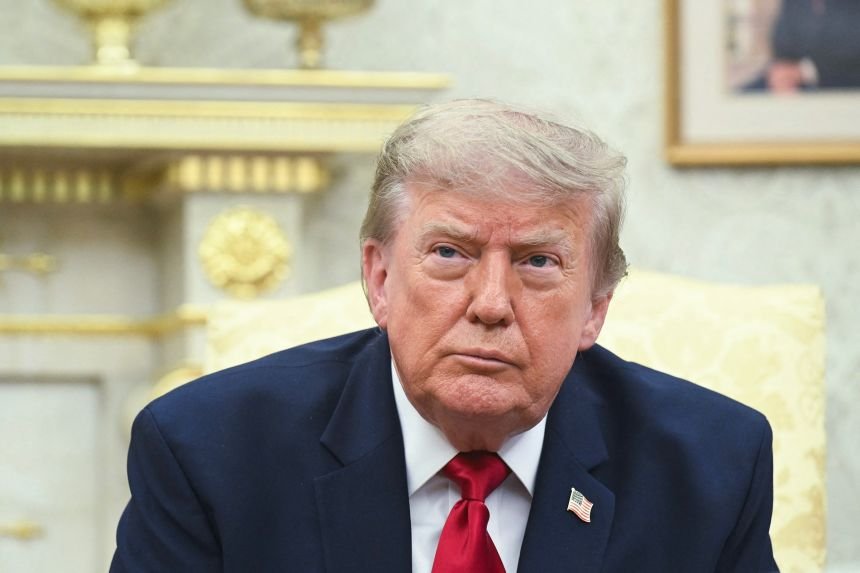
US President Donald Trump is facing an increasingly difficult political and strategic dilemma as he attempts to find a way out of the Iran war before November’s midterm elections, with Tehran showing little interest in allowing him to declare an easy victory and move the conflict out of the political spotlight.
The situation has drawn comparisons with the experience of former president Jimmy Carter, whose presidency was badly damaged by the Iran hostage crisis and the failure of a high-risk military rescue operation in 1980. Although the circumstances surrounding Trump’s conflict with Iran are substantially different, political analysts believe the historical parallel could become increasingly relevant if the war continues to weigh on the US economy and public opinion as voters prepare to elect a new Congress.
Trump and Israel launched military action against Iran on 28 February, beginning a conflict that has now lasted almost six months. A ceasefire agreement reached in June subsequently collapsed, leaving Iran with effective control over the Strait of Hormuz, one of the world’s most strategically important maritime passages.

Before the war, the strait served as a major route for global oil supplies, carrying approximately one-fifth of the world’s oil. Continued disruption has contributed to rising energy costs, increased inflationary pressure and growing concerns about the broader economic consequences for consumers and businesses.
The timing could hardly be worse for Trump’s Republican Party. The midterm elections are approaching, and public support for the war remains weak. Polling has also indicated that many Americans believe their economic circumstances have deteriorated since Trump returned to the White House in January 2025.
That combination of military uncertainty and economic pressure creates a political problem for Trump. Ending the conflict without securing a clear strategic achievement could be interpreted as an admission that the war failed to produce the decisive result he promised. Continuing the war, meanwhile, risks increasing casualties, energy prices and political dissatisfaction.
Political analyst Larry Sabato has compared Trump’s predicament with Carter’s experience during the Iran hostage crisis. Carter faced enormous pressure after Iranian revolutionaries seized the US embassy in Tehran in November 1979 and held 52 American diplomats and military personnel hostage.
The Carter administration attempted a military rescue in April 1980, but the operation collapsed after mechanical failures affected several helicopters. A collision between one of the remaining helicopters and a transport aircraft killed eight US servicemen. The failed mission became a major political liability for Carter, whose attempt to secure the hostages’ release before the presidential election ultimately failed.
The hostages were eventually released on 20 January 1981, shortly after Ronald Reagan took office. Carter later identified the failed rescue attempt as one of his greatest presidential regrets.
The comparison with Trump is not exact, but analysts believe the political lesson is significant. A president who enters an election season with an unresolved conflict can find it extremely difficult to control the political consequences.
Trump’s recent responses suggest that he is searching for a way to reduce the pressure without appearing to retreat. His approach has included persuasion, economic threats and aggressive rhetoric.
Speaking at a police academy event in New York on 14 August, Trump sought to downplay the impact of the conflict on fuel prices while arguing that higher costs were justified by the need to prevent Iran from obtaining a nuclear weapon.
He has also threatened severe military and economic consequences for countries that obstruct efforts to resolve the conflict. In one particularly striking statement, Trump described the Strait of Hormuz as new US territory, a claim that was met with ridicule from Iranian officials.
More recently, the president has threatened what he called economic warfare and unprecedented isolation against Iran. He also warned countries providing Tehran with any form of economic lifeline that they could face consequences.
The changing tone reflects the limited options available to the White House, according to analysts. Iran appears unwilling to allow Trump to decide when the conflict becomes politically convenient to end.
Iranian leaders are reportedly determined to ensure that the consequences of the war remain visible as the US approaches the midterm elections. Analysts believe Tehran sees an opportunity to exploit the political and economic costs of the conflict to weaken Trump and his party.
Vali Nasr, an expert on Iran and international relations, said Tehran was effectively refusing to allow Trump to control the pace of the conflict. Iranian officials have indicated that they could give Washington a limited period to return to the June ceasefire agreement and implement its terms. If that does not happen, further escalation could follow.
Such escalation could involve additional attacks on Gulf targets, US military installations and other American assets in the region. That would make it significantly harder for Trump to shift public attention away from the conflict.
Iran has also strengthened its hardline leadership in recent months. The appointment of Mohsen Rezaei, a former senior commander of the Islamic Revolutionary Guard Corps during the Iran-Iraq war, to a senior national security position has been viewed as a sign of a more confrontational approach.
Another significant appointment was that of Hossein Taeb, a hardline cleric and former intelligence chief, to lead the Basij volunteer militia. His role reportedly includes strengthening domestic surveillance and confronting perceived Israeli influence and opposition activity inside Iran.
Political scientist Mehrzad Boroujerdi said Iranian leaders appeared prepared to make Trump’s political situation more difficult. According to him, Iranian decision-makers are closely watching American public opinion and understand that the war could become a major factor in the midterm elections.
The economic dimension may prove even more damaging. Alan Eyre, a former US State Department specialist on Iran, has warned that both the American and Iranian economies are facing growing pressure, but that the consequences could become especially severe for the United States if energy prices continue to rise.
The US has attempted to reduce the impact by releasing oil from its strategic petroleum reserves, encouraging market stability and benefiting from reduced Chinese oil imports. However, analysts believe these measures may not be sufficient if disruption around the Strait of Hormuz continues.
Diesel prices are particularly concerning because diesel fuel is central to transportation and supply chains. A sustained increase in diesel prices could raise the cost of transporting food, manufactured goods and other essential products, creating another inflationary burden for American households.
For Trump, reopening the Strait of Hormuz may therefore represent the least damaging option. Yet even that would not immediately solve the economic problem. Shipping companies and maritime insurers would need time to determine whether the waterway was safe before commercial traffic could return to normal levels.
Iran also appears unwilling to surrender control of the strait in the short or medium term, leaving Trump with few easy choices.
The political consequences could extend beyond the midterm elections. If Democrats gain control of Congress, they could intensify investigations into the administration’s conduct of the war and demand greater access to government documents and military information.
Trump has already taken steps that suggest he is preparing for a potentially hostile congressional environment. His administration has strengthened its legal strategy and appointed conservative lawyer Will Scharf as White House counsel, a move viewed by some observers as preparation for increased congressional scrutiny.
The president has also continued to question the integrity of American elections, raising concerns that the political battle surrounding the November vote could become even more contentious.
For Iran, a strong Republican defeat could have significant strategic value. Democratic control of Congress would provide lawmakers with greater opportunities to investigate the war and challenge the administration’s policies. It could also make the remaining years of Trump’s presidency considerably more difficult.
The consequences could reach into the 2028 presidential election. If Trump cannot end the war or if the conflict produces a deeper economic crisis, Iran could become a major issue in the next presidential contest.
That possibility gives Tehran an incentive to continue resisting pressure from Washington. Iranian leaders may calculate that time is working in their favour, particularly if the conflict continues to damage American economic confidence and public approval.
The historical memory of the Carter presidency adds another layer to the situation. Iranian leaders who remember the political impact of the hostage crisis may understand how a prolonged confrontation can damage an American president at the ballot box.

Trump therefore faces a difficult choice. Escalation could deepen the economic and political consequences, while negotiation could be portrayed by opponents as a retreat. Maintaining the current situation risks allowing Iran to control the pace of events and keep the war in the headlines.
As the midterm elections draw closer, the president’s challenge is no longer simply how to achieve his military objectives. He must also determine how to end a conflict that has become increasingly difficult to control without giving voters the impression that the United States entered a war without a viable exit strategy.
For Tehran, that may be precisely the point. Iran does not need to defeat Trump outright to benefit politically. It only needs to ensure that the costs of the conflict remain high enough, long enough, to influence American voters.
If that strategy succeeds, the Iran war could become one of the defining political crises of Trump’s second presidency, with consequences reaching far beyond the November elections.
Related News:
 Houthis Strike Saudi Arabia as Middle East Tensions Rise
 Trump Calls Strait of Hormuz ‘American Territory’
 UK Prepares Aircraft Carrier for Middle East Crisis
 Middle East Crisis Escalates as Oil Routes Shake Markets
 Tensions Emerge in Netanyahu-Trump Alliance
 Former ICC prosecutor condemns US sanctions
 Trump Receives Machado’s Nobel Medal in White House Meeting
 Thousands Protest ICE Operations in Nationwide US Day of Action
 Epstein Files Reveal Trump Officials’ Emails with Financier
 Thousands Protest ICE in New York Against Trump Deportation Campaign
 Thousands Protest Iran Strikes Outside US Embassy London
 US Bombers Arrive at RAF Base Amid Rising Iran Tensions
 Ukraine war briefing: Zelenskyy offers help to Saudi Crown prince on combatting Iranian drones
 Trump orders US troop pullout from Germany
 Activists allege abuse after Gaza flotilla seizure
 Trump likens US Navy actions to ‘pirates’
 Global order shifts amid Trump-era turmoil
 Indiana Republicans Defy Trump in Key Vote Test
 Putin Declares Russia Victory at Scaled Victory Day Parade
 Hunger increasingly weaponised in global conflicts
 Trump Claims Iran Peace Deal Near Completion
 Taliban global ties grow as rights fears mount
 Trump dismisses concerns over 250-day carrier deployment
 Russian Missiles Intensify Pressure on Kyiv
 Trump to Recheck Green Cards from 19 Nations After DC Attack
 Trump Escalates Minnesota Immigration Surge Amid Rising Tensions
 Greenland Faces Pivotal Summit Over Arctic Power Struggle
 Iran unrest slows under brutal crackdown and global tensions
 EU Says US Ties Have Suffered ‘Big Blow’ After Greenland Crisis
 Trump Praises ‘Terrific’ Petro After White House Talks
 Clinton Testimony Erupts in Fiery Exchange
 Middle East Flights Halted After Iran Strikes
 Mojtaba Khamenei Chosen as Iran’s New Supreme Leader
 Tehran Oil Depot Strikes Darken City With Toxic Smoke
 Pete Hegseth Iran War Remarks Spark Alarm
 Mojtaba Khamenei Supporters Rally as Iranians Fear Repression
 Iran Defiance Grows Amid US-Israel War Pressure
 Hormuz Crisis Sparks Global Oil Market Fears
 Iranian Exile Factions Seek US Backing for Iran’s Future
 Injured Mojtaba Khamenei Elevated as Iran Leader
 Yvette Cooper: UK Must Follow Principles, Not US Pressure
 Trump Iran War Stance Hardens as Conflict Widens
 MAGA Anxiety and the Iran War: A Movement Divided at CPAC
 Iran Crisis Tests Trump’s Global Leadership
 Trump Signals Hope for New Iran Talks as Ceasefire Fades
 Trump Faces Crisis as Iran Reopens Hormuz Tensions
 GOP Senator Criticizes Trump’s Feud With Pope Leo XIV
 Charles Faces Trump Test in High-Stakes US Visit
 UK Stands Firm on Falklands Amid US Rift
 Investigation Into Anti-Trump Motives After Gala Shooting
 Ukraine Urges UK to Seize Russian Oil Tankers
 US Calls Australia Media Law “Foreign Extortion”
 USS Gerald R Ford Ends Record Naval Deployment
 Oil Prices Surge Above $120 Amid Iran Blockade Fears
 US Court Ruling Reshapes Voting Rights Landscape
 US states redraw maps after voting rights ruling
 Judge halts deportation of Yemeni refugees in US
 Trump approval plunges amid Iran war fears
 Ohio’s Battle for Trust: Democrats Vying to Flip the Buckeye State
 Trump Threatens UN Budget Cuts as US Pushes ‘Trade Over Aid’ Agenda
 Trump warns Iran as Middle East tensions surge again
 Australia pushes Pacific security pact amid China tension
 US ‘Narco Boat’ Strikes Draw Global Outcry
 Ohio Primaries Set Stage for Crucial Midterms
 Afghan Families Left in Limbo Face Risk of Deportation
 Trump Announces 3-Day Russia–Ukraine Ceasefire Deal
 US Awaits Iran Reply on New Ceasefire Proposal
 Fear and Betrayal: The Chilling Case of Kouri Richins
 Tulsi Gabbard exits after turbulent intelligence tenure
 Hormuz Talks Near Critical Stage
 Discontent grows around Putin amid war strain
 Gunman Killed After White House Security Shootout
 House Curbs Trump’s War Powers in Rare Rebellion
 Grief and Devotion Amidst the Rubble of Nabatieh
 Iran Prepares for Massive Six-Day Funeral for Khamenei
 Trump’s Mount Rushmore Speech: A Divisive Anniversary
 Millions Gather for Khamenei’s Six-Day State Funeral
 Iran Mourns: Millions at Khamenei’s Final Procession
 Israeli Strike in Southern Lebanon Kills Seven
 Is America Ready for an AOC Presidential Run?