Published: 26 September 2026. The English Chronicle Desk. The English Chronicle Online
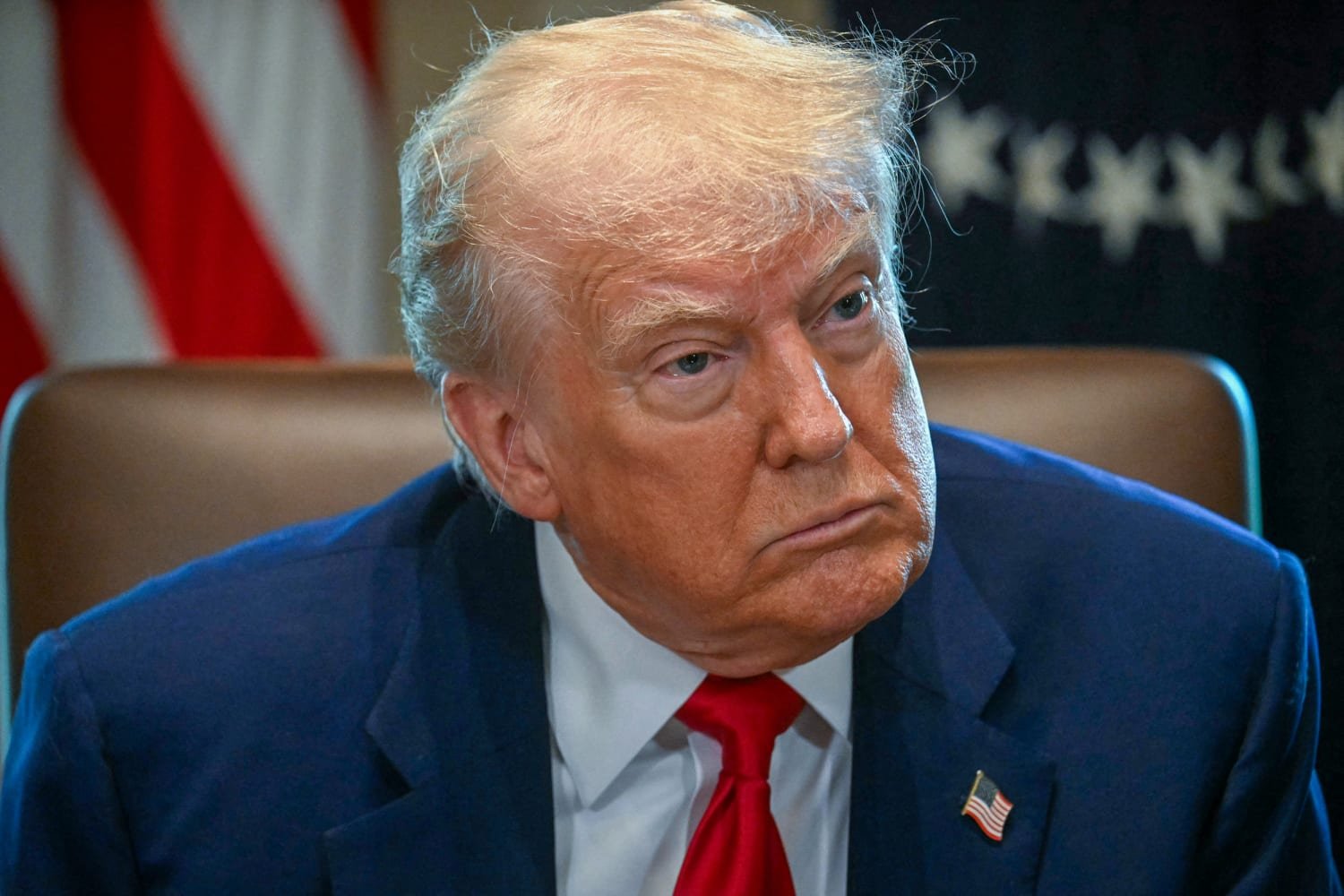
Donald Trump is facing a period of growing political pressure as disagreements with the courts, tensions within the Republican Party, economic concerns and declining public approval increasingly shape the political environment around his second presidency.
The US president sought to project strength during his appearance at the United Nations in New York this week, where he delivered a forceful address and issued threats against Iran. Yet his appearance also highlighted the increasingly complicated domestic political landscape confronting his administration as Republicans prepare for the November midterm elections.
Trump’s second term has been marked by an unusually assertive use of presidential authority. His administration has pursued major changes across immigration, government agencies, trade, energy and foreign policy. At the same time, several recent court decisions have limited or challenged specific actions taken by the administration.
The political consequences of those developments are becoming an increasingly important issue for Republicans who control Congress and are preparing to defend their positions in the midterms.
Trump’s confrontation with the media has also continued. During his visit to the United Nations, he reacted angrily when CNN anchor Kaitlan Collins questioned him. The confrontation came after the administration had attempted to restrict access for several news organisations at the White House, a move that subsequently faced legal challenges.

The administration has argued that its media policies are intended to ensure fairness and accountability in White House coverage. Critics, however, have described the restrictions as an attempt to punish news organisations for critical reporting.
The courts have recently provided several examples of the limits facing the administration. Federal judges have blocked or restricted some executive actions, while the Supreme Court has also intervened in disputes involving election rules.
One recent ruling prevented the administration from imposing new restrictions on mail-in voting for the November elections. Another judge blocked the administration’s attempt to restrict access for several news organisations, ordering the White House to restore their access.
A separate legal dispute concerned the Kennedy Center for the Performing Arts in Washington. After a judge ruled against Trump’s attempt to attach his name to the institution, the president threatened to demolish the complex, intensifying a broader dispute over the administration’s relationship with major cultural institutions.
The Federal Reserve has also resisted pressure from Trump over monetary policy. The president has repeatedly criticised the central bank and called for lower interest rates, while policymakers have maintained that decisions should be based on economic conditions rather than presidential demands.
Economic conditions have become increasingly important to the political debate. Inflation and fuel prices remain issues that directly affect American households, while the administration has sought to highlight tax cuts, energy production, employment and other economic measures as evidence of progress.
White House spokesperson Davis Ingle has defended the president’s record, arguing that Trump has delivered major tax reductions, reduced prescription drug costs, strengthened border enforcement, expanded energy production and helped create more than a million private-sector jobs.
The administration also points to financial market performance and other economic indicators as evidence that its policies are producing positive results.
Democrats and other critics have disputed the administration’s characterisation of the economy, focusing instead on household costs, inflation and the political consequences of higher energy and food prices.
Public opinion remains a central part of that dispute. Polling organisations have recorded varying levels of approval for Trump, with some surveys showing significant declines compared with earlier periods of his presidency. The precise level differs between pollsters and depends on the timing and methodology of each survey.
For Republicans, the issue is particularly important because members of Congress must balance their relationship with Trump against the political conditions in their own states and districts.
Some Republican candidates have recently adopted positions that differ from Trump’s messaging on individual issues. In Florida, gubernatorial candidate Byron Donalds has reportedly reduced references to Trump in his campaign material. Republican congresswoman María Elvira Salazar has also criticised aspects of federal immigration enforcement in campaign advertising, arguing that some Latino voters believe the administration has gone too far.
Such developments do not necessarily represent a broader break between Republicans and the president. Trump continues to have significant influence within the Republican Party, and many Republican candidates remain closely aligned with his agenda.
Nevertheless, the changes illustrate the political calculations taking place ahead of the midterms. Candidates must consider both Trump’s national political standing and the specific concerns of voters in their constituencies.
For much of Trump’s political career, Republican lawmakers have generally avoided direct confrontation with him, partly because of his influence over the party’s primary voters. That dynamic is being tested as lawmakers approach another election in which control of Congress will be contested.
The political environment could become even more complicated if Democrats gain greater congressional power. Democratic leaders have already discussed investigations into the Trump administration, including allegations involving executive authority, government operations, financial interests and construction projects.
Those investigations would depend on the balance of power following the elections and the authority available to congressional committees.
Another factor is the gradual shift in attention towards the 2028 presidential election. Although Trump remains the central figure in the Republican Party, the emergence of potential future candidates could eventually create competing political centres of influence.
Vice-president JD Vance and Secretary of State Marco Rubio are among the Republican figures frequently discussed in connection with the party’s future leadership. However, the 2028 field remains unsettled and any eventual contest will depend on developments over the next two years.
Political historian Allan Lichtman has described the difficulties facing presidents during second terms as a recurring historical pattern. Previous administrations, including those of Richard Nixon, Bill Clinton and George W Bush, experienced major political crises during their second terms.
The comparison does not establish that Trump’s presidency will follow the same path, but it highlights the structural challenges presidents can face after securing re-election.
Trump’s relationship with political power is also central to the debate. His political style has relied heavily on personal visibility, confrontation and direct communication with supporters. He has continued to use social media and public appearances to respond to critics and shape political discussion.
His supporters argue that this approach allows him to communicate directly with voters and resist pressure from established political institutions. Opponents argue that his confrontational approach contributes to political polarisation and increases tensions between the executive branch and other institutions.
The coming months will therefore be important for determining how Trump’s political influence develops during the remainder of his second term. The midterm elections will provide voters with an opportunity to determine the composition of Congress, while court cases and economic conditions will continue to shape the administration’s room for manoeuvre.
Trump’s appearance at the United Nations demonstrated that he continues to command international attention and remains willing to use strong language on foreign policy. But his domestic challenges show that presidential authority is influenced not only by executive decisions but also by courts, Congress, public opinion, economic conditions and political allies.

The Republican Party is likely to remain closely associated with Trump for the foreseeable future, while individual lawmakers and candidates will continue to make their own calculations about how closely to align themselves with the president.
At the same time, Democrats are preparing for the possibility of gaining greater congressional authority and using it to scrutinise the administration.
The resulting political environment is likely to remain highly contested. Trump retains substantial institutional authority as president, while opposition from courts, lawmakers, journalists and sections of the electorate creates limits and challenges to his agenda.
As the United States moves towards the November midterm elections, the central question is therefore not simply how Trump responds to criticism, but how the broader political system responds to the competing pressures surrounding his presidency.
Related News:
 Putin Intensifies Territorial Demands Before US Talks
 Trump to Recheck Green Cards from 19 Nations After DC Attack
 Trump Escalates Minnesota Immigration Surge Amid Rising Tensions
 Greenland Faces Pivotal Summit Over Arctic Power Struggle
 Trump Threatens Strong Action If Iran Executes Protesters
 Trump Receives Machado’s Nobel Medal in White House Meeting
 EU Says US Ties Have Suffered ‘Big Blow’ After Greenland Crisis
 Thousands Protest ICE Operations in Nationwide US Day of Action
 Epstein Files Reveal Trump Officials’ Emails with Financier
 Thousands Protest ICE in New York Against Trump Deportation Campaign
 Trump Praises ‘Terrific’ Petro After White House Talks
 Clinton Testimony Erupts in Fiery Exchange
 Trump Faces Questions Over Iran Conflict Plan
 UK Prepares Aircraft Carrier for Middle East Crisis
 Pete Hegseth Iran War Remarks Spark Alarm
 Trump’s Harsh Rhetoric on Iran Sparks Global Alarm
 Trump Faces Crisis as Iran Reopens Hormuz Tensions
 Charles Faces Trump Test in High-Stakes US Visit
 UK Stands Firm on Falklands Amid US Rift
 US Court Ruling Reshapes Voting Rights Landscape
 US states redraw maps after voting rights ruling
 Trump orders US troop pullout from Germany
 Judge halts deportation of Yemeni refugees in US
 Trump likens US Navy actions to ‘pirates’
 Trump approval plunges amid Iran war fears
 Giuliani hospitalised in critical condition
 Ohio’s Battle for Trust: Democrats Vying to Flip the Buckeye State
 Trump Threatens UN Budget Cuts as US Pushes ‘Trade Over Aid’ Agenda
 Trump warns Iran as Middle East tensions surge again
 US ‘Narco Boat’ Strikes Draw Global Outcry
 Indiana Republicans Defy Trump in Key Vote Test
 US Court Restores Abortion Pill Access Temporarily
 Ohio Primaries Set Stage for Crucial Midterms
 Afghan Families Left in Limbo Face Risk of Deportation
 Tensions Emerge in Netanyahu-Trump Alliance
 US Awaits Iran Reply on New Ceasefire Proposal
 Hormuz Talks Near Critical Stage
 Trump’s Revenge Drive Deepens GOP Divide
 Former ICC prosecutor condemns US sanctions
 Gunman Killed After White House Security Shootout
 Trump Claims Iran Peace Deal Near Completion
 US Midterm Primaries: Democrats Target Key Republican Seats
 House Curbs Trump’s War Powers in Rare Rebellion
 Mystery Grows Over Mitch McConnell’s Health
 Senate Halts Defense Bill Over Iran Clashes
 Trump Jokes, Jabs and Press Tensions at WHCA Dinner
 Houthis Strike Saudi Arabia as Middle East Tensions Rise
 Is America Ready for an AOC Presidential Run?
 Trump dismisses concerns over 250-day carrier deployment
 Trump Calls Strait of Hormuz ‘American Territory’
 Trump Faces Iran War Crisis Before Midterm Vote
 Trump announces major US oil deal with Venezuela
 Trump Hardens Canada Trade Stance as Talks Stall
 Trump Calls Iran War ‘Small Potatoes’ Despite US Deaths
 Trump Pledges $5,000 if Republicans Win Midterms
 Experts Warn of Growing US Terrorism Risks 25 Years After 9/11
 Trump Media Ban Triggers First Amendment Clash
 Middle powers seek new alliances amid Trump era
 Macron and Carney deepen France-Canada ties
 US Networks Suspend Trump White House Pool Coverage
 Trump Eyes Major Belarus Fertiliser Deal Amid Canada Trade Dispute
 Netanyahu faces protests and pressure at UN
 Xi urges Trump to avoid US-China military conflict
 Lula accuses Trump of seeking control over Brazil
 BBC to Apologise Over Edited Trump Speech Amid Backlash
 Greene Pushes Epstein Files Amid Trump Fallout
 December Run-Off in Chile as Election Produces No Winner
 Shadow Fleet at Sea: Europe’s Battle Against Illicit Oil Shipping
 Greenland Crisis Forces Europe to Draw a Line With Trump
 UK and US Drop in Global Corruption Index Rankings
 Canberra Poster Seizure Sparks Free Speech Row
 Jacinda Ardern Move Sparks Kiwi Reflection
 Injured Mojtaba Khamenei Elevated as Iran Leader
 Air Canada CEO Faces Outcry Over Recent Language Misstep
 Relationship with Trump may be beyond repair, Starmer warned
 Investigation Into Anti-Trump Motives After Gala Shooting
 Trump Sends 5,000 More US Troops to Poland
 Bayeux Tapestry Revives Franco-British Ties
 Trump gives $45,000 holiday gifts to White House aides
 Trump gives Xi red-carpet welcome as trade truce extends