Published: 23 October 2026. The English Chronicle Desk. The English Chronicle Online
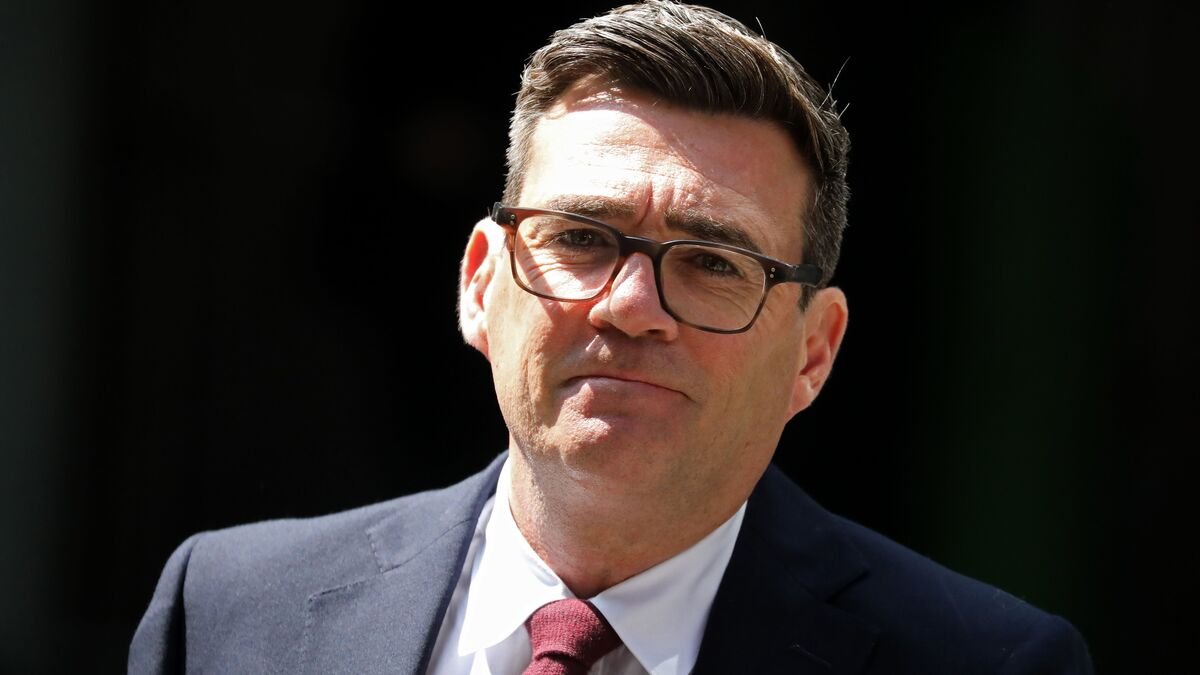
A national campaign targeting nuisance audio and antisocial behavior across British public transport networks has reignited widespread debate over commuting etiquette and the collapse of shared civic standards. Spearheaded by prominent political leaders, including Greater Manchester Mayor Andy Burnham, the initiative aims to crack down on “headphone dodgers”—passengers who blast loud music, stream videos, or conduct phone calls on speakerphone without consideration for fellow commuters.
The governmental push introduces targeted guidelines alongside new local enforcement powers under the Bus Services Act, allowing authorized transit officers and police to issue £100 fines to offenders on bus routes for persistent noise disruptions, vaping, or littering. On national rail lines, train operators are reinforcing long-standing railway bylaws that permit fines of up to £1,000 or removal from services for passengers who refuse requests to cease disruptive audio broadcasts. Dubbed under national slogans like “Share the carriage, not the noise,” the initiative seeks to establish clear boundaries for public behavior following years of post-pandemic erosion in transit norms.

Across major urban centers, regular commuters have shared widespread frustration regarding the daily reality of public transit, detailing an environment where basic politeness appears to have broken down. Passengers report that blaring phone audio, loudspeaker conversations, and open video streaming have become standard occurrences on subway systems, commuter trains, and suburban buses. Many express disappointment over a changing social contract where individuals feel empowered to disregard those sharing the same carriage, placing noise pollution alongside behaviors like seat-hogging, pole-leaning, and space-blocking.
A central theme uniting passenger sentiment is the profound hesitancy among ordinary citizens to directly confront offenders. Commuters describe instances where asking fellow passengers to use headphones or lower their volume resulted in hostile verbal abuse or threats of escalation. Consequently, most commuters choose silence out of concern for personal safety, leaving antisocial behavior largely unchecked.
While passengers generally welcome political recognition of the issue, skepticism remains high regarding whether new fines and poster campaigns will achieve meaningful enforcement. Critics point out that front-line transit staff, such as bus drivers and train conductors, are already overstretched and should not be expected to police passenger behavior, which could expose them to conflict and verbal aggression. With designated transport safety officers sparse across vast regional networks, daily commuters fear the regulations could become virtually unenforceable without a consistent physical security presence.
The governmental push introduces targeted guidelines alongside new local enforcement powers under the Bus Services Act, allowing authorized transit officers and police to issue £100 fines to offenders on bus routes for persistent noise disruptions, vaping, shouting, or littering. On national rail lines, train operators are reinforcing long-standing railway bylaws that permit fines of up to £1,000 or immediate removal from services for passengers who refuse official requests to cease disruptive audio broadcasts. Promoted under slogans like “Share the journey, not the noise,” the initiative seeks to establish clear boundaries for public behavior following years of post-pandemic erosion in transit norms.

Beyond noise disruptions, travelers highlight broader systemic behavioral issues, including aggressive crowds, rowdy sports fans, and a general lack of spatial awareness during peak commuting hours. Trade union leaders representing transport workers have echoed these concerns, noting that while public awareness campaigns are well-intentioned, comprehensive solutions require greater investment in transit staffing and dedicated safety personnel. As the government rolls out its enforcement framework, millions of UK commuters wait to see whether political intervention can restore basic courtesy to shared public spaces.
Related News:
 UK Passport Rules Leave Family Facing Separation
 UK Pledges Stronger Protections for Disabled Air Passengers
 Undercover officer deceived women with ‘grotesque and cruel’ lies, spycops inquiry told
 Storm Dave Disrupts Travel but Conditions Set to Ease
 Synagogue Arson Attempt Sparks Security Fears
 UK may ban protests amid rising antisemitism fears
 Greens Face Internal Row Over Antisemitism Claims
 Barrister Criticises Trial After Suicide Case Verdict
 Victim says non-custodial rape sentence ‘rock in my face’
 Cornwall Van Dwellers Face Eviction in Housing Crisis
 London Tube Heat Reaches Dangerous Levels
 Westminster Council Threatens Charing Cross Soup Kitchen
 BBC Warned About Missing Clothes of Murder Victim
 Cambridge Professor Jason Arday Found Dead at Home
 Queue row erupts on Wales’ highest mountain
 British Man Faces Deportation Threat in Sweden
 Internal Exclusions Surge in England’s Schools
 Ministers Condemn Far-Right Unrest in Portsmouth
 Councils spend £125m on illegal children’s care
 British widow says deportation from Sweden feels like a death sentence
 Patriot Platform Raises Concern Across Britain
 Reform UK Receives Record £36m Donation From Crypto Billionaire
 Election Candidate Abuse Raises Alarm in England
 UK Retailers Accused of Breaking Refund Laws
 Mahmood Warns Far Right Over Asylum Protests
 Disabled Travellers Seek Fairer UK Care Rules
 NHS Breast Care Review Finds Serious Patient Harm
 Briton Faces Cyprus Court Over Son’s Fatal Fall
 UK Reviews Hague Child Abduction Cases Involving Abuse
 King Refers Jamaica Slavery Petition to Privy Council
 Roman Finds Reveal Bath’s Suburban Past
 Court Says Judge Should Not Have Heard Case From Bed
 Far-Right Activist Arrested After Channel Dinghy Incident
 Portadown protest ends after tense Orange Order standoff
 Free Speech Emerges as Key UK Election Issue
 Fayed Survivors Demand Inquiry Into Medical Regulator
 London Facial Recognition Trial Ends With False Alert
 Israel-bound Plane Lands in Saudi Arabia After Cockpit Fight
 UK University Strikes Spread as Financial Pressure Grows
 Burnham Opens Door to Possible UK Return to EU
 Drumcree Talks Falter as Legal Challenge Deepens
 UK-France Returns Deal Faces Expiry as Talks Stall
 Crowborough Divided Over New Asylum Seeker Camp
 Early Prison Releases Raise Homelessness Concerns
 Hundreds of UK prisoners released early amid overcrowding
 Edinburgh Glasshouses Reopen After Major Restoration
 Drumcree Talks End Without Agreement Ahead of Appeal
 Almost Half of Fayed Accusers May Be Trafficking Victims
 Banned Health Coach Faces UK Events Criticism
 Badenoch Raises Prospect of 2027 UK Election
 Gosport Protesters Clash With Police Over Migrant Rescue
 BA flight returns to Heathrow after steep descent
 Police accused of failing abuse victims
 UAE Says Co-Pilot Planned Suicide Attack on Israel
 Recruitment Boss Accused of Leading Doxxing Campaign
 British Military School Abuse Victims Denied Justice
 England and Wales Begin Second Wave of Early Prison Releases
 Farage Rejects Claims Reform Would Let Troops Shoot Migrants
 UK Bill Faces Warning Over Fayed Trafficking Victims
 Mexican Court Sentences Three Men to 158 Years Each
 UK Visa Refusal Threatens Baby’s Family Christmas
 UK Family Linked to Offshore Gambling Licence Controversy
 Bradford Rail Hub Promises Faster Northern Connections
 Fifth Foreign Firm Withdraws From Jerusalem Cable Car Plan
 Jess Phillips Urges Supreme Court to Reverse Abuse Ruling
 MoD Seeks Out-of-Court Resolution in LGBT Veterans Compensation Fight
 Google Employee Claims Redundancy After Harassment Report
 Rolling Hills and Heritage: A Car-Free Break in Leicestershire
 Rising Costs Force Families to Rethink Days Out
 British Teens in EU Face Soaring UK University Fees
 England and Norway Fans Turn Miami Into World Cup Carnival
 Olympus Awaits Unesco Heritage Recognition
 Unions Warn Labour Over Zero-Hours Contract Reforms
 British Museum Faces Questions Over Peter Thiel’s Private Bayeux Viewing
 Entain Plans 400 Job Cuts After Profit Update
 UK Rent Gap Puts Low-Income Families Under Pressure
 Democrat Says ICE Restricted Detention Camp Oversight
 Healey urged to act as UK energy bills rise 4%
 South Africa Withdraws Directive on Asylum Applications
 Elizabeth Struhs Inquest Examines Child Safety Failures