Published: 03 July 2026. The English Chronicle Desk. The English Chronicle Online.
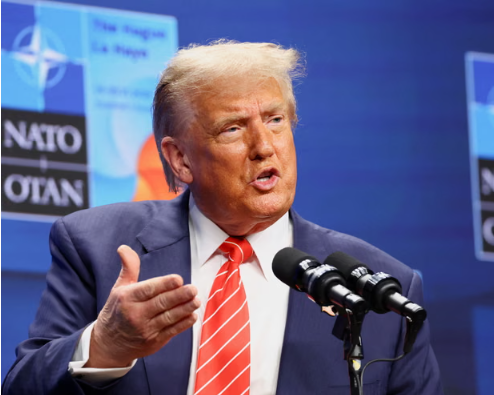
Donald Trump has issued a startling warning regarding the future of American participation within Nato. He labelled the current structure of the alliance as ridiculous during a recent social media post. The President expressed deep frustration over what he describes as a deeply one-sided relationship today. This provocative statement arrives just days before a critical summit scheduled to take place in Ankara. Washington has voiced consistent complaints about the perceived lack of reciprocity from its European partners. These tensions have simmered for months while the conflict involving Iran continues to strain relationships. Several European nations have restricted American military access to strategic bases during ongoing regional operations. Trump now demands that Europe assumes a significantly larger leadership role regarding its own security. The United States has already initiated steps to scale back several of its long-term commitments.
His latest online commentary featured a detailed chart illustrating the disparities in alliance financial contributions. The graphic highlighted how the United States invests significantly more resources than many other members. Key nations like the United Kingdom and France appeared on the chart to illustrate the gap. This public display of dissatisfaction serves as a direct challenge to the remaining thirty-one member states. Last year, leaders had committed to raising their defence spending to five percent by 2035. That agreement was reached under immense pressure from the White House to ensure better financial balance. However, the President remains clearly unimpressed with the pace of change seen across the continent. He continues to suggest that the alliance fails to provide adequate support for American global interests.
The Secretary of State has confirmed that the President feels genuine disappointment regarding current dynamics. He noted that Nato allies have largely refused to participate in operations against the Iranian regime. This specific refusal has caused significant friction between Washington and the various capitals in Europe. Marco Rubio discussed these delicate matters with foreign ministers during a summit held last May. He emphasised that this growing rift will dominate discussions at the upcoming meeting in Turkey. The Ankara summit is widely viewed as a pivotal moment for the historic military alliance. Many analysts suggest this event will be among the most important in seven decades. The seventy-seven year history of the alliance now faces its most severe test of unity.
Diplomats are now preparing for what promises to be a very tense meeting in Ankara. The gathering will bring together thirty-two member states to debate the future of mutual defence. Many European leaders are worried about the potential for a complete American withdrawal from leadership. Such an outcome would fundamentally alter the security architecture that has held for many years. Founded in 1949, the alliance has long acted as a vital force for European stability. It successfully contained the influence of the Soviet Union throughout the long and difficult Cold War. For decades, these security commitments solidified Washington as the primary power on the global stage. Now, the bedrock of this historic partnership seems to be shifting in a new direction.
The rhetoric from the White House suggests that a major shift in policy is imminent. Observers believe that Trump is signalling a move toward a much more isolationist national strategy. He remains firm in his belief that the United States has been exploited for too long. European officials are currently scrambling to formulate a collective response to these harsh new demands. They are under pressure to demonstrate that their military contributions are both serious and sustained. Failure to appease the American administration could lead to a permanent reduction in US support. This possibility creates an atmosphere of deep uncertainty for leaders across the entire European region. The upcoming days will be critical for the survival of the long-standing Atlantic pact.
Domestic politics in the United States certainly play a large role in this aggressive stance. The President wants to show his voting base that he is prioritising American national interests. Many supporters agree that the United States should not act as the world’s global police force. They argue that other wealthy nations must finally pay their fair share for regional protection. Conversely, critics argue that weakening the alliance will only empower aggressive rivals abroad today. They maintain that collective security provides the best defence against the rise of global instability. These opposing views are creating a complex domestic debate during an already very heated year. The international community is watching these developments with a mixture of confusion and genuine fear.
The Ankara summit provides the perfect stage for these long-standing disagreements to finally come out. Leaders will meet in person to address the growing distance between Washington and its allies. The agenda is expected to be incredibly packed with difficult conversations about the regional conflict. Turkey is uniquely positioned to host this gathering given its own complicated role within Nato. The eyes of the world will surely be focused on the Turkish capital next week. Decisions made during those two days of negotiations could define the future of global security. Everyone recognises that the status quo is likely no longer sustainable in this new climate. The world waits to see if the alliance can navigate this turbulent and uncertain period.
The legacy of the organisation is clearly on the line as these discussions begin soon. If the alliance fails to find common ground, the consequences could be felt for decades. Maintaining unity has always been the greatest strength of this historically significant defensive pact system. Now, that strength is being tested by the very nation that helped build it. Whether the alliance can adapt to these modern demands remains the most important question today. Diplomacy will need to be remarkably effective to bridge this widening gap between the partners. It is clear that the upcoming summit in Ankara will be far from a routine meeting. The future of global geopolitical stability depends heavily on the outcomes of these intense talks.
Related News:
 USS Gerald R Ford Ends Record Naval Deployment
 Trump orders US troop pullout from Germany
 Ukraine strikes Tuapse as oil disaster worsens
 Putin Declares Russia Victory at Scaled Victory Day Parade
 Zelenskyy warns over Oreshnik threat as Kyiv hit
 Discontent grows around Putin amid war strain
 Starmer Faces Nato Heat on Spending
 British skier killed in La Plagne avalanche tragedy
 Mandelson apologises over Epstein ties after public scrutiny
 Friedman Uninvited From 2024 Adelaide Writers’ Week
 Starmer Challenges US Over Controversial Greenland Deal
 Spoof “Make America Go Away” Caps Rally Denmark Over Greenland
 Silence and Unity Mark Bondi Terror Attack Memorial
 India-EU Free Trade Deal Marks Historic Economic Shift
 Concerns rise for Canberra boy amid Iran detention fears
 New Zealand Covid Response Praised Despite Lingering Scars
 African World Cup Fans Face $15,000 Entry Bond Fee
 Diplomacy on the Brink: Pakistan’s Risky Peace Mission
 Teenage Titan: Sooryavanshi Smashes IPL Records
 Big Tech Faces Investigation Over Australia’s Social Media Ban
 Farage Shuns Truss as US Right-Wing Roadshow Hits London
 Sam Konstas Dropped as Australia Unveils New Contract List
 Canadian Mother and Daughter Released From ICE Detention
 The Price of Hubris: Trump, Netanyahu, and the ‘Easy’ War
 Reform UK Pledges To Halt Visas Over Reparations Demands
 US and Iran Agree to Two-Week Provisional Ceasefire
 Trump and Tehran Find Common Ground in Landmark Ceasefire
 Israel Defies Ceasefire as Lebanon Operations Persist
 Own an Entire Australian Town for the Price of a UK Flat
 Pakistan Brokers Historic Peace Deal Amid Rising Tensions
 Islamabad Hosts Historic Peace Talks Between Iran and USA
 Melania Trump Denies Ties to Epstein and Ghislaine Maxwell
 Trump Signals Hope for New Iran Talks as Ceasefire Fades
 Kyiv and Odesa Mourn After Deadly Wave of Russian Strikes
 Security Alert Near Israeli Embassy as Police Investigate
 Machado Rallies in Madrid as Venezuela Stays Frozen Out
 US Forces Seize Iranian Ship Near Hormuz Blockade
 US-Iran Standoff: Will Trump Deploy Ground Troops?
 Investigation: Offshore Loans and Sanctions
 Investigation Into Anti-Trump Motives After Gala Shooting
 Cross-Border Crisis Shatters Fragile Afghan Peace
 Oil Prices Surge Above $120 Amid Iran Blockade Fears
 Japan Protests Erupt Over Plans to Revise Constitution
 The Burning Lens: An Iranian Artist’s Visual Resistance
 One Nation Candidate’s Surprising Ties to Independents
 High Stakes in Beijing as Trump and Xi Meet Amid Global Turmoil
 Fear and Betrayal: The Chilling Case of Kouri Richins
 Australia Joins UK-Led Mission to Reopen Vital Strait
 Trump and Xi Convene in Beijing for Historic High-Stakes Summit
 Scepticism and tight security as Beijing braces for Trump
 Australia Bans Neo-Nazi Group Under Tough New Hate Laws
 Rubles and Resilience: How Russia-China Border Towns Thrive
 Trump Turns to Middle East Allies as Iran Peace Eludes
 Aussie Race Row: Coalition Accused of Scapegoating
 Trump Pledges 5,000 Troops for Poland in U-Turn
 Tony Abbott Returns as New Liberal Party President
 Cannes filmmakers split over AI’s role in cinema
 Teaching Machines Right From Wrong in the Digital Age
 Washington Brokerage Sparking Hope Amid Regional Firestorms
 US Condemns ‘Two-Tier’ UK Policing After Student Murder
 EU Leadership Gathers in Tivat to Renew Balkan Ties
 Trump Appeals for Middle East Calm but Conflict Escalates
 Millions in British Charity Funds Linked to Illegal Settlements
 Captain in the Spotlight: The Future of England Cricket
 Strike on Iranian Water Infrastructure Sparks War Crime Concerns
 US Trafficking Arrest Exposes Shocking Exploitation
 Trump Urged to Condemn UFC Fighter Over Obama Slurs
 Trump Signs Landmark Iran Accord in Versailles
 Gas Prices Fall Below $4 Following US-Iran Peace Deal
 Grief and Devotion Amidst the Rubble of Nabatieh
 US Military Pacific Boat Strike Kills Three People
 Canada Secure Historic Last 16 Spot with Late Goal
 Keiko Fujimori Claims Dramatic Victory in Peru Runoff
 EU Slashes Steel Quotas But Grants UK Favourable Rates
 Trump’s Mount Rushmore Speech: A Divisive Anniversary
 Trump Swaps Planes Amid Iran Tensions
 Rotterdam Museum Honours Artist With Peanut Butter Floor
 Bangkok Nightclub Blaze Claims 30 Lives Amid Negligence Probe
 Yemen Accuses Iran of Violating National Sovereignty
 Houthis Strike Saudi Arabia as Middle East Tensions Rise