Published: 10 July 2026. The English Chronicle Desk. The English Chronicle Online.
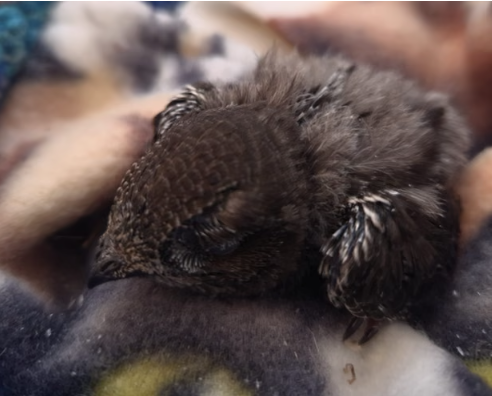
A deeply distressing incident has unfolded within the quiet residential streets of Jarrow in South Tyneside recently. Reports suggest that fragile swift chicks were heartlessly discarded into a skip during ongoing housing renovations. This alarming event occurred at properties currently being managed under the direct supervision of the local council authority. The Northern Swifts Group received urgent notifications regarding the destruction of at least one active bird nest. Volunteers rushed to the scene to assess the damage caused by the contractors during the building work. They were devastated to discover evidence suggesting that these vulnerable creatures had been treated with complete disregard. A single swiftlet was recovered from the wreckage of a badly damaged nest by a caring local rescuer. Laura Crompton, who operates the Pawz for Thought wildlife centre, immediately took the tiny bird into her care. Although the chick was found in a dehydrated state, it is now fortunately beginning to show signs of stabilisation. The discovery has prompted widespread anger among local residents and environmental conservationists who are watching the situation very closely.
Further investigations at the site revealed disturbing debris located directly inside a skip being used by the renovation contractors. Representatives from the Northern Swifts Group attempted to inspect the materials further but were blocked by the swift removal of the container. The damaged nest was located in an area where many local residents had previously reported seeing high levels of bird activity. It remains a matter of significant concern that such destruction could occur despite existing laws protecting our natural wildlife heritage. Under the established Wildlife and Countryside Act, it is strictly illegal to disturb or destroy any wild bird nests while in use. Authorities are now under intense pressure to explain how such a fundamental legal requirement was apparently ignored during these planned works.
Sue Hope, a dedicated advocate from the Northern Swifts Group, expressed grave concerns regarding the true scale of this environmental disaster. She stated that it is highly unlikely that only a single nest was affected by these recent building operations. Swifts are known to be colony birds, meaning they typically establish their homes in close proximity to one another. Furthermore, these nests usually contain two or three swiftlets that are entirely dependent on their parents for survival during this period. When Sue Hope visited the site on Wednesday afternoon, she observed at least ten adult swifts circling high above the roof. The sight of these birds searching for their lost homes was described by many onlookers as being truly heartbreaking to witness. She remarked that the event was a horrible thing to happen to such a joyously energetic species of migratory bird. Swifts are truly amazing creatures and their presence in our sky is something that should be protected at all costs. Their unique flight patterns and loud calls can lift the spirits of anyone who takes the time to watch them closely. Unfortunately, these incredible birds are currently facing a very steep decline across the entire United Kingdom that requires urgent government intervention.
This incident highlights a massive need for councils to properly inform all contractors about the correct protocols for managing wildlife. Building companies must be held accountable for ensuring that they do not destroy vital habitats while completing their necessary housing maintenance tasks. Across the United Kingdom, swift populations have plummeted by approximately seventy percent since the mid-nineties because their natural nesting sites are disappearing. These birds tend to favor nesting within older buildings, but very few modern constructions offer the specific eaves and cavities that they require. A recent scientific study demonstrated that these migratory birds return every single year to utilize the exact same nesting sites they previously occupied. Therefore, building work and home renovations often prove fatal for the birds when holes are filled in or when access points are blocked.
Public outrage is growing rapidly after similar incidents have been reported in other parts of the country throughout this current nesting season. Earlier this year, there was significant anger when nesting holes were filled in during the refurbishment of a large rail viaduct located in Derbyshire. Network Rail was eventually forced to reopen those sites and install new nesting boxes to compensate for the significant damage that was caused. Meanwhile, the national government has recently refused to adjust its planning rules to require the installation of specialized bricks designed specifically for swift nests in new developments. These clever architectural features allow for nesting without harming the structural integrity of a building and cost a relatively small sum of thirty-five pounds. Such features have already become mandatory in Scotland, sparking calls for the rest of the United Kingdom to follow this positive example.
A spokesperson for the South Tyneside council confirmed they are aware of the serious concerns regarding the roofing works that were undertaken in Lulworth Avenue. The council stated that as soon as the issue was brought to their attention, they suspended all further works to allow for urgent ecological assessments. They have officially requested a full and detailed report from the private contractor involved in this sensitive housing project. The spokesperson emphasized that South Tyneside council takes the protection of local wildlife very seriously and has launched an immediate investigation into the matter. According to the official statement, a full ecological survey is supposed to be carried out before any roofing works are permitted to start. Furthermore, contractors are reportedly given toolbox talks about the appropriate actions to take should they encounter an active bird nest during their daily duties. The council maintains that they will continue to work closely with the contractor and relevant ecological specialists to ensure that all necessary measures are in place to protect local wildlife populations. They aim to comply with all relevant legal and environmental obligations while the investigation is ongoing to determine exactly what went wrong. Given the nature of the current legal inquiry, the council stated that it would be inappropriate to provide any further comments at this very sensitive stage.
The roofing contractor, John Flowers Ltd, was contacted repeatedly by journalists to offer their perspective on the growing controversy. The company informed the media that it would not answer any specific questions regarding the issue at this time. This lack of transparency has done little to satisfy the public demand for answers about how this tragedy was allowed to occur. In a separate incident last year, the same contractor was involved in a situation in Consett that required intervention from local wildlife groups. With the assistance of local police, the company agreed to halt work on housing to prevent potential damage to protected birds’ nesting sites during that particular season. As the investigation into the Jarrow incident proceeds, the community remains hopeful that justice will be served for the swifts and that stronger safeguards will be implemented for the future. The survival of these magnificent migratory birds depends entirely on the willingness of humans to share our living spaces and respect their right to exist. Protecting our local biodiversity is a collective responsibility that we must take seriously to ensure the natural world continues to thrive for generations to come.
Related News:
 ‘Extinct’ Antelope Returns to Sahara, Bringing Hope
 Norfolk Coastal Graves at Risk as Erosion Deepens Family Anguish
 Eden Project Founder Celebrates 25 Years of Nature’s Hope
 Avocado Crisis: The Hidden Violence Behind Exports
 Smaller farms funding prioritised in England nature plans
 Storm Goretti leaves Cornwall homes without power
 BP’s Influence Sparks Controversy in UK STEM Education
 No Gas Boiler Ban as UK Warm Homes Plan Backs Heat Pumps
 Judi Dench Champions Fight to Save London’s Green Spaces
 Half the World’s Largest Cities Face Rising Water Stress
 Record-Breaking Heat Looms Over South-East Australia as Catastrophic Fire Risk Escalates
 UK joins North Sea wind grid pact with nine European nations
 Devon hosts first high-density hydro power system
 US-Style Pickup Trucks Surge on UK Roads
 Storm Chandra floods Somerset, triggers major incident declaration
 Reform UK Taps Boris Ally to Shape Party Nature Agenda
 James Valentine Retires from ABC After Cancer Battle
 UK Pfas Action Plan Faces Criticism From Environmentalists
 Wigan Dump Crisis Sparks Health and Safety Alarm
 Norway’s Petrol Car Sales Hit Record Low Amid EV Surge
 Santos Wins Landmark Greenwashing Case in Court
 Gentoo Penguins First Birds on Australian Territory Hit by Bird Flu
 Chikungunya Spread in Europe Climbs as Climate Warms
 Deer Shooting England: New Plan to Protect Woods
 Illegal Waste Dumping: New Drone Unit Launched
 Scotland’s Emissions Plans Face Criticism for Over-Reliance on Technology
 Germany Faces Backlash Over Scrapped Renewable Heating Mandate
 Group Expands Legal Claim Over South West Water Pollution
 Scotland’s Climate Plans Face Scrutiny Over ‘Science Fiction’ Targets
 Greenpeace $345m Ruling Sparks Appeal Battle
 Wood burner legal threats spark council row
 Net Zero Cheaper Than One Fossil Fuel Crisis, UK Told
 London Considers New SUV Charges to Improve Road Safety
 MPs Slam Agency Over Failing Fight Against Waste Dumping
 Middle East Deluge: Freak Storms Bangle Desert Nations
 Evacuations Ordered as California Wildfires Spread Fast
 UK Records Earliest Spring as Nature Awakens Fast
 Tragic End to Outback Search as Floods Claim a Life
 UK Fossil Fuel Expansion Risks Global Climate Collapse
 Miles Jupp: How the Magic of the Ashes Sparked a Bold Blag
 RSPB Urges Summer Bird Feeder Removal to Curb Disease
 The Toxic Scent Destroying Life in a Lancashire Town
 Britain Facing Sharp Decline in Rare Butterfly Species
 Fuel Prices Drop Despite Geelong Refinery Blaze
 Big Tech Lobbies EU to Hide Massive Datacentre Emissions
 Celestial Magic: The Lyrid Meteor Shower Returns
 Nature Watchdog Accused of Halting Vital Site Protections
 Fury in Cornwall over herbicide plan to tackle weeds
 Governments Fail Murray-Darling River Projects
 Renewable Energy as a Strategic Shield for UK Security
 Escobar’s Hippos May Be Moved to India Zoo
 Capitalism ‘Suicidal’, Warns Petro at Climate Summit
 UK Firm Faces Backlash Over US Oil Advertising Deals
 Record May Heat to Cold Front in Eastern Australia
 Ukraine strikes Tuapse as oil disaster worsens
 The Campaign To Save Britain’s Original Bramley Apple Tree
 EU Deal May Force UK Ban on Cancer-Linked Weedkiller
 Stolen Hives: The Great Australian Bee Heist
 Charities Demand Labour Deliver Urgent New Clean Air Act
 UN Faces Crucial Vote on Landmark ICJ Climate Ruling
 Man killed in shark attack on Great Barrier Reef
 Hope for mountain bongos returns to Kenya
 Saving Our Lost Rainforests: The Battle for Dartmoor
 Painted Lady Invasion: Millions of Orange Butterflies Head to UK
 Whitehall Steps In: The Battle Over Thames Water Deepens
 Cambridge Recreates Historic 336-Year-Old Garden
 Australia Investigates Suspected Mainland H5N1 Case
 Green Lawsuits Surge as AI Expansion Strains Planet
 UK Launches Massive Campaign To Save Precious Water Supply
 US Courts Back Trump on Park Signage Removals
 Deadly H5 Bird Flu Reaches Australia’s East Coast
 Southern Europe Reels as Wildfires Force Mass Evacuations
 UK Heatwaves Ignite Crisis of Sleep and Public Safety
 China Storms Claim Fifteen Lives in Tragic Surge
 Britain’s Mini Fan Craze Sparks Major Waste Crisis
 Global Climate Progress: Europe Leads as US Lags Behind
 Colombia’s Fight Over Fossil Fuels
 The Carbon Capture Con: Wasted Billions for Taxpayers
 Europe Scorched as Record Heatwaves Grip the Continent
 US Chemical Accidents Rise as Protections Are Rolled Back