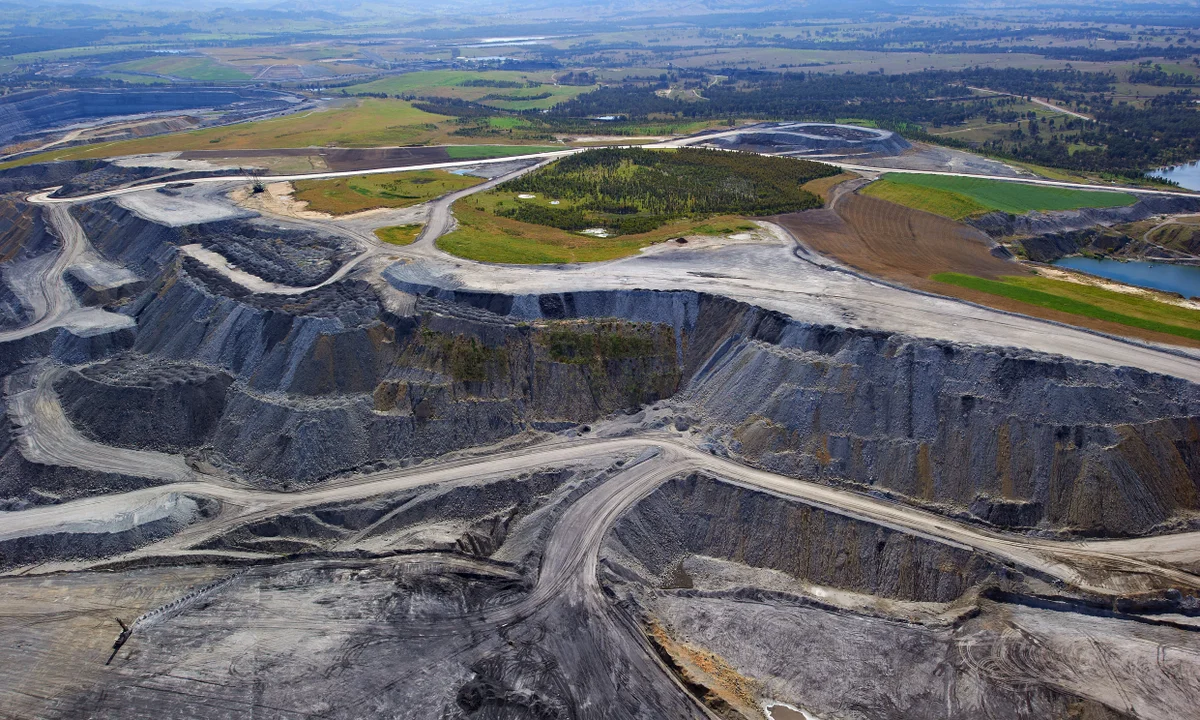
Climate campaigners are urging Australian Prime Minister Anthony Albanese’s government to reject a major coal mine expansion in New South Wales, arguing that approving the project would undermine the country’s climate commitments and contradict warnings raised by several nations at the recent United Nations climate summit, Cop31.
The proposed expansion of Hunter Valley Operations would allow an additional 430 million tonnes of coal to be extracted and burned, extending open-cut mining activities at the site for another 19 years, until 2045. Environmental organisations have described the development as a major threat to efforts to limit global warming, warning that its emissions could have consequences far beyond Australia.
The controversy has emerged shortly after negotiations at Cop31 in Turkey failed to produce an agreement acceptable to a group of countries seeking stronger language on the need to move away from fossil fuels. European Union members, Panama, the Marshall Islands, Vanuatu, Norway and Belize were among the nations that reportedly refused to support the proposed agreement without an explicit commitment recognising the need for a transition away from fossil fuels.

Campaigners believe the diplomatic disagreement reflects a growing international determination to confront the role of coal, oil and gas in driving climate change. They argue that Australia now faces an important opportunity to demonstrate whether its domestic decisions will reflect the urgency expressed by countries during international climate discussions.
The Hunter Valley Operations proposal has become a central test of that position. The companies behind the development, Glencore and Yancoal, have estimated that the expansion could generate approximately 800 million tonnes of greenhouse gas emissions over its lifetime. Most of those emissions would occur when the coal is burned overseas, particularly in countries importing Australian coal.
Although the emissions would largely be produced outside Australia’s borders, environmental campaigners argue that the country cannot avoid responsibility for the climate consequences of expanding fossil fuel extraction for international markets. They say approving the development would contribute to a longer dependence on coal at a time when governments are being urged to accelerate the transition towards cleaner energy sources.
The Australian Conservation Foundation has strongly opposed the proposal, warning that federal approval would be irresponsible given the country’s exposure to climate-related disasters. Gavan McFadzean, the organisation’s head of advocacy, said it would be reckless for federal Environment Minister Murray Watt to approve the expansion.
McFadzean argued that Australia is already among the world’s largest exporters of climate-heating fossil fuels and that the consequences of continued coal and gas production are increasingly visible through extreme weather events. He pointed to bushfires, floods, heatwaves and droughts as examples of the damage associated with a warming climate.
Environmental organisations have repeatedly warned that communities across Australia are experiencing increasingly serious climate pressures. Extreme temperatures, destructive fires, prolonged dry conditions and damaging floods have affected households, agricultural activities, infrastructure and natural ecosystems. Campaigners say decisions about new fossil fuel developments should therefore take account of the long-term environmental and economic risks rather than focusing primarily on immediate regional benefits.
The Hunter Valley Operations expansion has already passed an important stage in the state planning process. New South Wales’ planning commission approved the proposal in September after considering submissions from workers, trade unions, environmental organisations, scientists and residents from different parts of the state.
The commission acknowledged the climate-related damage associated with the project but concluded that the potential harm was outweighed by the economic and other benefits it would bring to the Hunter region and New South Wales.
That assessment has not ended the dispute. The project still requires a final decision under Australia’s federal environmental laws, placing responsibility on Environment Minister Murray Watt. The national environmental protection agency completed a report containing a recommendation on the development earlier this month, but the report has not been publicly released.
The contents of that assessment could become significant in determining how the federal government approaches the proposal. Campaigners are seeking a decision that takes into account the project’s full environmental consequences, including emissions generated when exported coal is eventually burned.
For communities in the Hunter region, the debate involves more than the question of climate policy. Coal mining has long played an important role in the area’s economy, supporting employment, businesses and local services. Any decision about the mine’s future is therefore likely to involve competing concerns over jobs, investment, regional development and environmental protection.
Supporters of the expansion may argue that continued mining activity is important for economic stability and employment in a region with a long history of coal production. However, environmental groups maintain that the economic benefits must be assessed alongside the long-term costs of climate change and the potential consequences of extending fossil fuel infrastructure for nearly two decades.
The international political context has added further pressure to the Australian government’s decision-making process. Several long-time observers of UN climate negotiations have interpreted the outcome of Cop31 as evidence that more governments are prepared to challenge fossil fuel interests rather than accept agreements that avoid directly addressing the causes of global warming.
The failure to secure consensus was particularly significant because the disagreement centred on whether the final language should explicitly recognise the need to transition away from fossil fuels. Countries supporting stronger wording argued that an international climate agreement would be incomplete without acknowledging the central role of coal, oil and gas in driving the crisis.
Climate Change Minister Chris Bowen, who led Australia’s negotiations at Cop31, said after the summit that he would have welcomed language supporting a transition away from fossil fuels. However, he acknowledged that such wording would not have secured sufficient support among participating countries. Saudi Arabia, Russia and other oil-producing states were among those opposed to the proposed language.
The disagreement highlighted the continuing divisions between countries seeking stronger climate commitments and those concerned about the economic and strategic implications of reducing fossil fuel production. It also demonstrated the difficulty of reaching unanimous international agreements on an issue that affects national economies differently.
Earlier this year, representatives from nearly 60 national governments attended a separate conference in Colombia focused on reducing dependence on fossil fuels. The gathering reflected growing interest in discussing practical approaches to moving away from coal, oil and gas, although the pace and scope of such a transition remain politically contested.
Georgina Woods, head of research and investigations at the Lock the Gate Alliance, said the Cop31 outcome reflected a political dynamic that was likely to become increasingly important within Australia. She described the Hunter Valley Operations project as a large-scale development with serious global warming consequences and argued that it should be rejected.
Woods also criticised what she described as the reluctance of political leaders to confront the central role of fossil fuel combustion in climate change. She warned that governments would find it increasingly difficult to avoid the issue as communities experienced more severe consequences of global warming.
Her comments reflected a wider concern among campaigners that political assurances about climate action would lose credibility if governments continued approving developments capable of generating substantial additional emissions.
Naomi Hodgson of Rising Tide, a grassroots climate organisation that holds an annual people’s blockade at the coal port of Newcastle, also called on the Albanese government to reject the expansion. She described the proposal as a climate bomb and said the government needed to demonstrate that its statements about climate action and solidarity with Pacific nations would be reflected in its decisions.
The Pacific region is particularly vulnerable to rising sea levels, extreme weather and other consequences of climate change. Several island nations have consistently called for stronger international action to limit global warming, making Australia’s fossil fuel policies an important issue in its regional relationships.
Campaigners argue that Australia’s position as a major coal and gas exporter gives its decisions international significance. They believe that refusing the Hunter Valley expansion would send a signal that climate commitments are being considered in domestic planning and environmental approvals, rather than being confined to diplomatic statements.
The federal government has not indicated how it will decide the application. A spokesperson said the decision-making process remained under way and that it would be inappropriate to comment further. Hunter Valley Operations also declined to provide a comment on the controversy.
The coming decision is expected to attract considerable attention from environmental organisations, mining interests, workers and communities concerned about the future of the Hunter region. It will also provide an indication of how the Albanese government intends to balance regional economic priorities with its environmental responsibilities.

For campaigners, the issue goes beyond a single mine. They see the proposal as a test of whether Australia is prepared to reconsider further fossil fuel expansion in response to mounting scientific warnings and growing international pressure. For the government, the challenge will be to make a decision that addresses the project’s economic implications while taking account of its projected emissions and the country’s wider climate responsibilities.
As the international debate over fossil fuels continues, the federal government’s assessment of Hunter Valley Operations could become one of the most closely watched environmental decisions in Australia. Its outcome may influence public confidence in the country’s climate policies and shape the debate over whether future economic development can remain dependent on large-scale coal extraction.
Related News:
 Capitalism ‘Suicidal’, Warns Petro at Climate Summit
 NSW Leader Downplays Impact of Landmark Coal Ruling
 Australia Rejects Russian Fuel as Trump Strikes Deal
 UN Warns World Must Cut Emissions by 18% by 2030
 Labor Minister Defends Chalmers Amid Budget Tensions
 Scotland’s Climate Plans Face Scrutiny Over ‘Science Fiction’ Targets
 Trump to Deploy “God Squad” Over Gulf Wildlife Protections
 Record May Heat to Cold Front in Eastern Australia
 Norway Doubles Down on Oil and Gas for Europe Energy Security
 Three-Quarters of England’s Riverbanks Still Off Limits
 Burnham unveils £65m drought aid for farmers
 Swedish Mining Push Puts Sami Land Rights Under Pressure
 Australia Renewables Reach Record 80% Grid Demand
 Norfolk Broads Housing Levy Faces Environmental Criticism
 Polanski Says Leadership Not Tied to By-election Result
 Greens Call for Immediate Water Nationalisation
 Argentina Protesters Resist Milei’s Land Sale Drive
 Drax Datacentre Faces Major Carbon Emissions Concerns
 Norway Fjord Faces Fresh Mine Waste Dumping
 Ministers Push ATO to Reconsider Credit Card Ban
 Australia Delays Tax Credit Card Payment Ban After Backlash
 Sydney Town Square Plans Face New Planning Hurdle
 Hanson Attacks Taylor as Australian Conservatives Clash
 Cormann Warns Australia Against Populist Migration Caps
 Jim Chalmers Navigates Hard Economic Choices as Inflation
 UK Land Registry Plan Faces Opposition From Landowners
 Albanese Faces Labor Pressure as Inflation Hits 4.3%
 Rate Rise Threatens Australian Jobs and Businesses
 Denmark Seeks EU-Wide Ban on Fast-Growing Turbo Chickens
 Australia Raises Interest Rates to 18-Year High
 Inquiry Calls for Australia to Scrap AUKUS Submarine Deal
 UK Warned Over Dangerous Dependence on China for Minerals
 Zelenskyy Seeks Urgent Help as Russia Hits Ukraine’s Power Grid
 Australia Faces Political Risks After US Midterm Shift
 Paris Climate Agreement Faces a Critical Test After 10 Years
 New Zealand’s Opportunity Party Challenges Populist Politics
 Democrats Bring New Hope to Global Climate Talks
 CFMEU Influence Under Scrutiny in Victoria Corruption Inquiry
 Victorian Labor Faces Election Crisis as Poll Slumps to 18%
 UK Water Regulator Moves to Tighten Boss Bonus Ban
 NSW Delays Tougher Rules on Property Underquoting
 Russia, Saudi Arabia Lead Historic CO2 Export Rankings
 Russian Strikes Leave Kyiv in Darkness, Pressure Mounts on Mayor
 Labor Faces Five Major Battles Before Year-End
 IPCC Report Delay Risks Global Climate Action, Scientist Warns
 Trump’s UK Ambassador Urges North Sea Drilling to Strengthen US Ties
 Millionaires group urge Reeves to introduce wealth tax to ‘lift kids out of poverty’
 Canada Passes Carney’s First Budget in Tight Parliamentary Vote
 Starmer Says Labour’s Economic Plan Needs Years to Deliver
 Liberal Turmoil Threatens Victorian Election Hopes
 Trump Fed bid heads to Supreme Court
 Ocean Warming Drives Massive Marine Life Loss, Study Warns
 Oil Prices Surge Above $120 Amid Iran Blockade Fears
 Silent Tracks: Rail Line Without Passengers
 UK Faces Mass Water Shortages by 2055, Lords Warn
 Kevin Warsh sworn in as Fed chair amid economic backlash
 Trump Faces Backlash Over $2bn Earnings Since Return
 Unions Warn Labour Over Zero-Hours Contract Reforms
 Trump Calls Iran War ‘Small Potatoes’ Despite US Deaths
 North Sea Firms Urge Early End to Windfall Tax
 Heathrow Expansion Faces New Climate Conditions Over CO₂
 Mayors Could Gain Greater Powers Over Water Firms
 Tom Watson Takes Senior Role at Palantir
 MPs Defend UK Economic Watchdog Against Critics
 The Tests Awaiting Andy Burnham After Labour Conference
 Badenoch Raises Prospect of 2027 UK Election
 Tories Plan Major Overhaul of UK Environmental Rules
 South Korea Probes Fuel Shipments to Russia
 UK Water Firms Earn Millions From Industrial Wastewater
 Trump’s Russian Diesel Deal Sparks Ukraine Fury
 UK Shoppers Urged to Avoid Hake and Coley
 Greens Face Leadership Test as Jordon Steele-John Misconduct Claims Leave Party in Limbo
 Labour MPs Urge Burnham to Lead UK Reindustrialisation
 UK Chancellor Moves to Scrap Gas Standing Charges
 Australia Faces Deeper Economic Slowdown
 James Talarico Makes History with Texas Senate Victory
Australian Mortgage Confidence Hits 32-Year Low
 US Treasury Chief Moves to Military Base Over Iran Threat
 Bank of England Faces £160m Renovation Challenge
 Queensland Football Fee Dispute Sparks Club Revolt