Published: 11 June 2026
The English Chronicle Desk
The English Chronicle Online
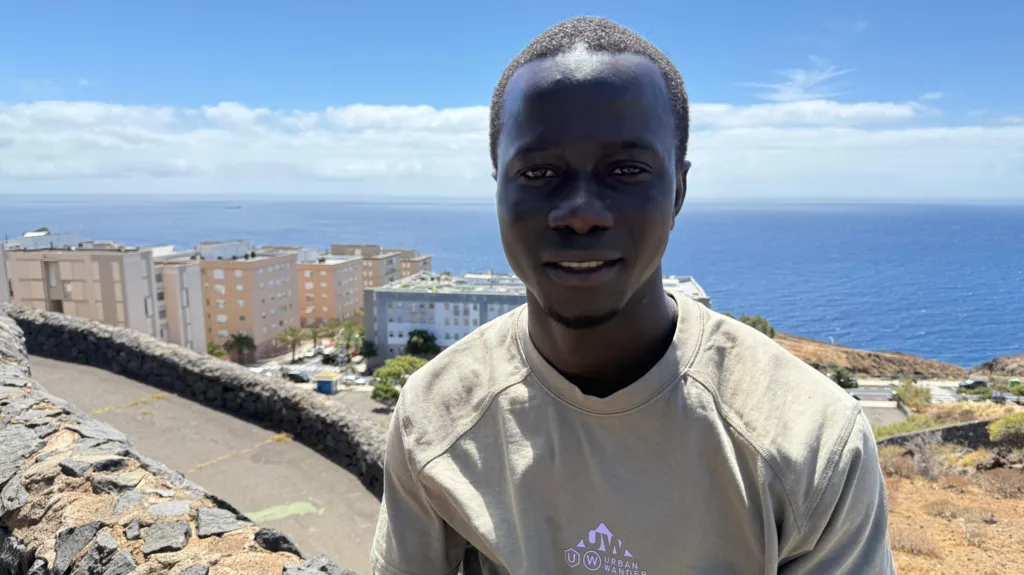
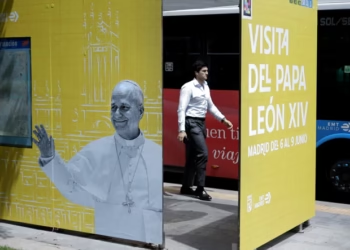
Pope Leo XIV has travelled to the Canary Islands in a visit aimed at highlighting the dangers faced by migrants attempting perilous journeys across the Atlantic in search of safety and opportunity.
The visit comes as the Spanish archipelago continues to serve as a key arrival point for migrants and asylum seekers undertaking hazardous sea crossings from parts of Africa.

During the trip, Pope Leo is expected to meet local church leaders, humanitarian organisations, migrants and community representatives involved in supporting those arriving on the islands.
The pontiff has repeatedly called for greater international cooperation on migration issues, emphasising the need to protect human dignity while addressing the root causes that force people to leave their homes.
Humanitarian groups say thousands of migrants attempt the journey to the Canary Islands each year, often travelling in overcrowded and poorly equipped vessels that face significant risks at sea.
Aid organisations have documented numerous cases of deaths and disappearances along migration routes, describing the crossings as among the most dangerous in the world.
Church officials said the visit is intended to draw global attention to the human stories behind migration statistics and encourage solidarity with vulnerable communities.
Spanish authorities continue to face challenges managing arrivals while balancing humanitarian obligations, border security concerns and pressure on local services.
Migration remains a politically sensitive issue across Europe, with governments debating asylum policies, border management and long-term integration strategies.

Analysts say the Pope’s visit reflects the Catholic Church’s continuing focus on migration as a humanitarian and moral issue rather than solely a political one.
Local residents and aid workers have welcomed the visit, expressing hope that it will increase awareness of the conditions faced by migrants and the communities supporting them.
The trip is expected to include prayers, meetings and public events centred on compassion, human rights and international responsibility.
Check Out Our Latest News At>>
Related News:
 High-speed Spain train crash leaves nation in mourning
 EU weighs response amid Greenland tariff crisis with Trump
 EU Says US Ties Have Suffered ‘Big Blow’ After Greenland Crisis
 Thousands Left Without Heating in Ukraine Amid Russia Strikes
 Russia sanctions hit economy hard, says EU envoy
 Canada Dispatches Senior Officials to Open Greenland Consulate
 Portugal Election Delivers Socialist Win as Far Right Surges
 Macron Rebuked in Franco-German Defence Row
 Facing a Demographic Catastrophe, Ukraine Is Paying for Troops to Freeze Their Sperm
 Five Young People Die in Spain Apartment Block Fire
 The Russian Village That Lost Its Men to War
 Zelensky Says Putin Has Started WW3, Must Be Stopped
 New Russia Sanctions on Hold as Hungary Blocks EU Package Ahead of Fourth Ukraine War Anniversary
 Rob Jetten becomes Netherlands’ youngest ever prime minister
 Ukraine remembers its dead as war enters a fifth year
 Louvre Museum Director Resigns Months After High‑Profile Heist
 Orbán Accuses Ukraine of Disrupting Oil Supplies to Hungary
 Spain Declassifies Files on 1981 Attempted Coup in Effort to Dispel Conspiracy Theories
 Hungary Faces Political Tension Over the Ukraine Crisis
 Why Meloni Quietly Flooded Italy With Migrants
 Russia Blames Ukrainian Naval Drones as Tanker Sinks
 Macron Finds ‘Freedom Fries’ Redemption in Iran Crisis
 Ukraine Accuses Hungary of Taking Seven Bank Workers Hostage in Budapest
 Finland Plans to Lift Decades‑Old Ban on Hosting Nuclear Weapons
 Putin Orders Evacuation at Iran Nuclear Plant Amid ‘Catastrophe’ Fears
 Cyprus Drone Strike Sparks Europe’s Strong Response
 Istanbul Mayor Faces Corruption Trial Amid Political Storm
 Ukraine War Becomes Flashpoint in Hungarian Election
 Italian Town Buys Mussolini Villa to Keep Away Fascist Fans
 Who Is Viktor Orbán, Hungary’s Long-Serving PM?
 The Spiky Standoff: German Mayors Call for Night-Time ‘Robot Ban’ to Save Hedgehogs
 ‘The Soul of Spain’: Politicians Clash Over Renewed Push to Move Picasso’s Guernica
 The ‘Svuota Londra’ Effect: Why the Super-Rich are Swapping Dubai for Milan
 ‘The Fortress of Values’: JD Vance Touches Down in Budapest to Back Viktor Orbán
 ‘Free at Last’: French Teachers Released as Iran Exchanges ‘State Hostages’ for Legal Concessions
 Hungary election: Orbán faces biggest test amid scandal
 Ukraine strikes Tuapse as oil disaster worsens
 Global order shifts amid Trump-era turmoil
 “Speechless and Determined”: Two Dead, 22 Injured in Leipzig “Vehicular Rampage”
 Ceasefire Standoff Deepens in Ukraine War
 The Quarantine Crossing”: Hantavirus-Hit MV Hondius Bound for Canary Islands After Deadly Outbreak
 “The Ghost Galleon”: Hantavirus-Hit Cruise Ship Bound for Tenerife After High-Stakes Evacuations
 France Faces Record Presidential Crowded Race Amid Far-Right Surge
 Norway Doubles Down on Oil and Gas for Europe Energy Security
 Bad Weather Threatens Hantavirus Cruise Ship Evacuation
 Putin Declares Russia Victory at Scaled Victory Day Parade
 Ex-Chief of Staff Named in Major Ukraine Corruption Probe
 Pope Meets Families in Italy Toxic Waste Zone
 Zelenskyy warns over Oreshnik threat as Kyiv hit
 Former ICC prosecutor condemns US sanctions
 Irish Gangland Figure Fails in Dublin Election Bid
 Europe Swept by Historic May Heatwave
 Deadly Russian Air Raids Strike Across Ukraine
 Zelensky Invites Putin to Direct Peace Talks
 Republicans Defy Trump on Ukraine Aid Bill
 Papal Visit Offers Political Lifeline to Spanish Premier
 EU Summit to Reaffirm Balkan Membership Goals
 European Allies Set Peace Terms for Ukraine
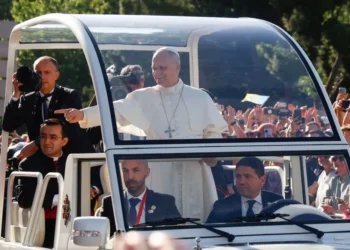 Huge Crowds Gather for Pope’s Open-Air Mass
 Spain Tourism Surges as Travellers Avoid Middle East
 Drone Attacks Overshadow Russia Economic Forum
 Armenia Votes Under Pressure From Russia
 Spain Sees Tourism Boom as Travellers Shift Away From Middle East

 Armenia’s Pro-Europe Victory Signals Deeper Break From Russian Influence
 Hundreds of Migrants Reportedly Kidnapped by Smuggling Gangs During Journey Toward UK
 Collapse of Franco-German Fighter Jet Project Raises Questions Over Europe’s Defence Future
 Yvette Cooper Signals Global Momentum Towards Gaza Peace Deal Amid Humanitarian Crisis
 How Do You Modernise Mango Farming? India’s Growers Urged to Innovate as Climate Change Hits
 Ukraine Negotiator Reveals What It Feels Like Facing Russia
 Drugs, Denial, Stigma: Fiji’s HIV Crisis Hits Children
 “An Endurance Test for the Mind”: British Couple Sentenced to 10 Years in Tehran
 US to Escort Trapped Ships Through the Strait of Hormuz
 Arteta urges Arsenal to step up in Atlético semi-final
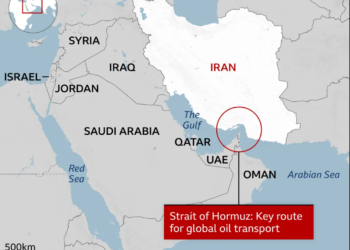 “The Pivot to Pakistan”: Trump Pauses ‘Project Freedom’ in Hormuz Amid Iran Deal Hopes
 “The Digital Frontier”: Scotland’s Papers Grapple with AI Harassment and ‘Mortgage Bottlenecks’
 “The Local Gavel”: Polls Open Across Hampshire and Isle of Wight in Delayed ‘Milestone’ Vote
 “The Blue Light Intersection”: Seventeen-Year-Old Critically Injured in ‘Nasty’ Police Pursuit Crash
 “The Fractured Frontier”: Sir John Curtice Declares the ‘Sacred’ Two-Party Era Over After ‘Milestone’ Results
 US Awaits Iran Reply on New Ceasefire Proposal