Published: 30 June 2026. The English Chronicle Desk. The English Chronicle Online.
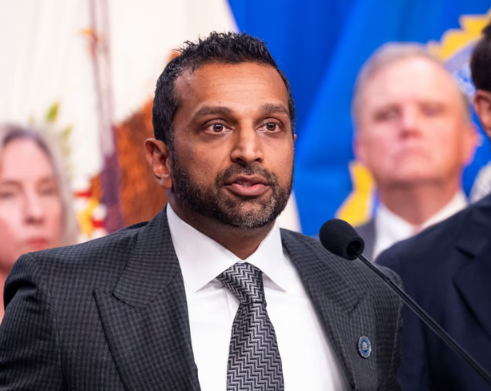
The Director of the Federal Bureau of Investigation is facing intense criticism from security veterans. Kash Patel allegedly breached legal boundaries by sharing details of a major counterterrorism operation on social media. The controversy surrounds an alleged plot to attack a high-profile martial arts event at the White House.
Internal critics claim Mr Patel put the ongoing investigation at serious risk to boost his image. The bureau chief announced five arrests via his personal social media account on 16 June. He praised the rapid action of federal agents in stopping a mass casualty plot cold.
However, senior law enforcement officials revealed the case was protected by a strict court sealing order. Federal law generally prohibits the public disclosure of information regarding actively sealed judicial investigations. Exceptions require formal court authorisation, which sources suggest the director did not obtain for his post.
The timing of the announcement reportedly disrupted live operations being conducted across multiple states. Field agents were actively tracking additional suspects when the director published the sensitive information. Security experts warn that premature publicity allows remaining suspects to destroy evidence or evade capture.
The incident has caused friction between the bureau and its close intelligence partners. The Secret Service, which co-led the counterterrorism operation, issued a subtle but clear public rebuke. Deputy Director Matt Quinn emphasized that his agency chose not to leak details of the case. He noted that maintaining investigative integrity must always come before personal publicity or media attention.
Bureau insiders report that this situation fits a growing pattern under the current leadership. Former senior counterterrorism officials state that Mr Patel regularly demands rapid updates for digital content. Senior agents have allegedly faced pressure during operational briefings to provide details for social media. Some officials claim these demands frequently distract from the core focus of complex investigations.
This is not the first time the director has faced scrutiny over publicity. Previous social media updates regarding high-profile murders and university shootings involved individuals later released without charge. In those instances, early announcements of arrests forced the bureau to issue embarrassing retractions.
Legal experts warn that these public statements provide significant advantages to criminal defence lawyers. Premature commentary from top officials can potentially bias juries and undermine future federal prosecutions. Sanctions for violating sealed court orders can include formal reprimands or serious contempt citations.
Defending his approach, Mr Patel has repeatedly cited a personal commitment to public transparency. He maintains that informing the public about active operations is a vital leadership duty. The director stated he does not regret the posts despite the ongoing internal backlash.
Former analysts argue this media-driven approach breaks with decades of traditional law enforcement discretion. Working on sensitive international counterterrorism cases historically requires absolute secrecy to protect human lives. Veteran investigators accept that their most significant achievements must remain entirely confidential for national security. Critics conclude that prioritizing personal visibility over established protocol fundamentally damages institutional trust.
Related News:
 Capitol Attack Anniversary Sparks Deep Political Divide
 Trump Labels Renee Good a ‘Paid Agitator’ After Minneapolis ICE Killing
 Trump targets Iran trade with 25% tariff warning
 Trump Receives Machado’s Nobel Medal in White House Meeting
 Thousands Protest ICE Operations in Nationwide US Day of Action
 Epstein Files Reveal Trump Officials’ Emails with Financier
 Thousands Protest ICE in New York Against Trump Deportation Campaign
 US-Cuba Negotiations Shift as Oil Blockade Looms
 Ukraine war briefing: Zelenskyy offers help to Saudi Crown prince on combatting Iranian drones
 New Policy Allows US Troops to Carry Personal Firearms
 Michigan Battleground: Middle East Crisis Stirs US Senate Race
 Congresswoman Condemns Trump Over Iran Conflict
 Trump Signals Hope for New Iran Talks as Ceasefire Fades
 Trump’s Presidency: A House of Cards Collapsing?
 GOP Senator Criticizes Trump’s Feud With Pope Leo XIV
 Trump Starts $166bn Tariff Refund Process
 Investigation Into Anti-Trump Motives After Gala Shooting
 UK Urged to Adopt ‘Trade Bazooka’ Against Tariff Threats
 USS Gerald R Ford Ends Record Naval Deployment
 Trump orders US troop pullout from Germany
 Indiana Republicans Defy Trump in Key Vote Test
 Tensions Emerge in Netanyahu-Trump Alliance
 Fear and Betrayal: The Chilling Case of Kouri Richins
 Trump in Beijing: The Strongman Fantasy Made Flesh
 Trump Tightens Grip on GOP with Primary Victory
 Democrats release 2024 election report amid fierce backlash
 US judge dismisses Kilmar Abrego Garcia indictment
 Tulsi Gabbard exits after turbulent intelligence tenure
 Former ICC prosecutor condemns US sanctions
 Trump Weighs Retreat from Controversial $1.8bn Slush Fund
 Trump Allies Funded Hidden Network to Discredit US Vote
 UFC at the White House: Glory Marred by Bitter Smears
 The Dreamers Losing Jobs Under Trump’s Red Tape
 Battle for Washington: Mayoral Race Braces for Trump
 Trump Urged to Condemn UFC Fighter Over Obama Slurs
 Trump Halts Senate Hearing for Intel Pick Jay Clayton
 The Obama Center: Hope and Anxiety on Chicago’s South Side
 US Military Pacific Boat Strike Kills Three People
 Trump’s Mount Rushmore Speech: A Divisive Anniversary
 House Democrats Divided Over Israel Military Funding Bid
 Houthis Strike Saudi Arabia as Middle East Tensions Rise
 Federal Immigration Shift: Officers Leave Louisiana for Minneapolis
 Friedman Uninvited From 2024 Adelaide Writers’ Week
 Trump press secretary attacks reporter over ICE question
 Spoof “Make America Go Away” Caps Rally Denmark Over Greenland
 Trump Fed bid heads to Supreme Court
 Partial US Government Shutdown Hits Homeland Security Funding
 New Poll Reveals Reform UK Stance on British Citizenship
 New Zealand Covid Response Praised Despite Lingering Scars
 Diplomacy on the Brink: Pakistan’s Risky Peace Mission
 Teenage Titan: Sooryavanshi Smashes IPL Records
 Reform UK Pledges To Halt Visas Over Reparations Demands
 US and Iran Agree to Two-Week Provisional Ceasefire
 Israel Defies Ceasefire as Lebanon Operations Persist
 Islamabad Hosts Historic Peace Talks Between Iran and USA
 Security Alert Near Israeli Embassy as Police Investigate
 US-Iran Standoff: Will Trump Deploy Ground Troops?
 High Stakes in Beijing as Trump and Xi Meet Amid Global Turmoil
 Trump and Xi Convene in Beijing for Historic High-Stakes Summit
 Aussie Race Row: Coalition Accused of Scapegoating
 Trump Pledges 5,000 Troops for Poland in U-Turn
 Cannes filmmakers split over AI’s role in cinema
 Trump’s Grip on the GOP Tested in Texas Senate Battle
 Washington Brokerage Sparking Hope Amid Regional Firestorms
 US Condemns ‘Two-Tier’ UK Policing After Student Murder
 Trump Appeals for Middle East Calm but Conflict Escalates
 Millions in British Charity Funds Linked to Illegal Settlements
 US Trafficking Arrest Exposes Shocking Exploitation
 Trump Signs Landmark Iran Accord in Versailles
 Gas Prices Fall Below $4 Following US-Iran Peace Deal
 Grief and Devotion Amidst the Rubble of Nabatieh
 Canada Secure Historic Last 16 Spot with Late Goal
 EU Slashes Steel Quotas But Grants UK Favourable Rates
 US Courts Back Trump on Park Signage Removals
 US Airman Avoids British Court in Indecent Exposure Case
 Trump Swaps Planes Amid Iran Tensions
 Rotterdam Museum Honours Artist With Peanut Butter Floor
 Bangkok Nightclub Blaze Claims 30 Lives Amid Negligence Probe
 Yemen Accuses Iran of Violating National Sovereignty
 Florida Executes One of Its Oldest Death Row Prisoners