Published: 05 September 2026. The English Chronicle Desk. The English Chronicle Online.
A federal judge has declined to temporarily block the Pentagon from dismissing journalists at the military newspaper Stars and Stripes, allowing the US Department of Defense to proceed with the firings while a broader legal dispute over press freedom and editorial independence continues.
The ruling represents a setback for three journalists who challenged the Pentagon’s actions in federal court, arguing that they were punished after raising concerns about the independence of the publication and the military’s increasing influence over its journalism.
US District Judge Trevor McFadden rejected the journalists’ request for an immediate order preventing their dismissals. His decision means the Pentagon can proceed with its actions for now, although the underlying lawsuit remains unresolved and further legal proceedings are possible.
The dispute has placed renewed attention on the unusual position of Stars and Stripes, a military newspaper with a long history of providing independent reporting to members of the US armed forces and their families.
The newspaper receives partial funding from the Department of Defense but has traditionally maintained editorial independence from military leadership. That relationship has become increasingly contentious as Pentagon officials seek greater control over the outlet’s operations and editorial structure.

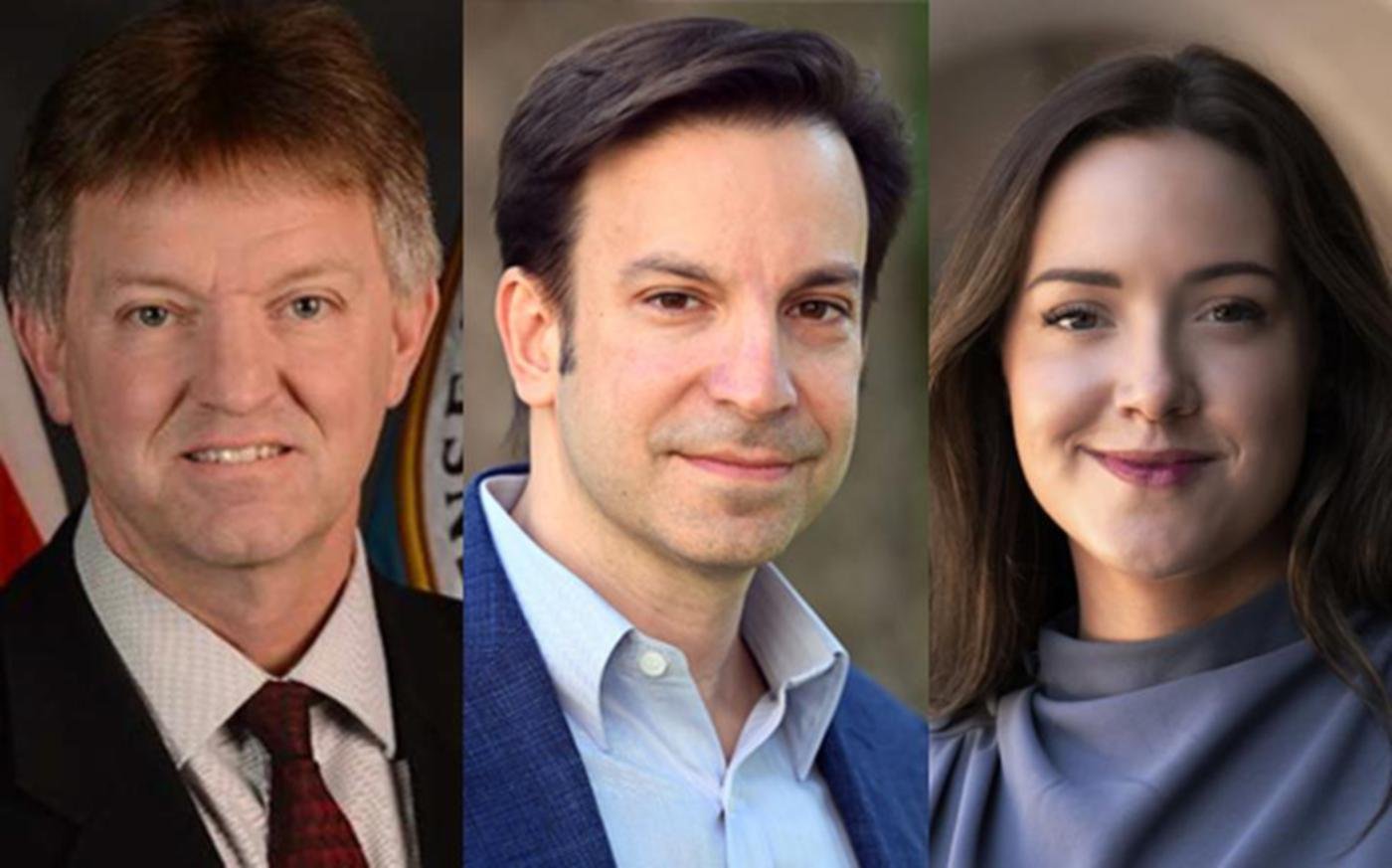
The latest lawsuit was filed in Washington by Stars and Stripes publisher Max Lederer, editor-in-chief Erik Slavin and Middle East reporter Lara Korte. They argued that the Pentagon had improperly targeted them after they resisted demands connected to the newspaper’s reporting.
The dispute reportedly followed an 11 August article examining deteriorating conditions and mental health problems aboard the USS Abraham Lincoln, a US Navy aircraft carrier.
According to the lawsuit, Pentagon officials instructed Lederer to dismiss Slavin and Korte following the publication of the report. Lederer declined to carry out the order and subsequently announced his retirement.
The publisher has also alleged that the Pentagon installed a new deputy publisher without his knowledge, adding to concerns about the military’s influence over the publication’s management.
The journalists argued that their treatment violated constitutional protections for free speech and that allowing the dismissals to proceed could discourage other journalists and employees from speaking publicly about editorial independence.
Judge McFadden, however, found that the plaintiffs had not demonstrated that their constitutional rights were clearly violated.
The judge’s ruling focused in part on interviews that Slavin and Korte gave to CBS News. McFadden concluded that the journalists were speaking in their official capacity as public employees rather than as private citizens.
The interviews had reportedly been approved in advance and were conducted on behalf of the publication. The judge therefore determined that the circumstances did not clearly establish a violation of the First Amendment.
The decision does not necessarily end the dispute. Instead, it allows the Pentagon’s actions to continue while the broader legal case develops.
For the journalists, the ruling is nevertheless a significant blow because they had sought reinstatement and immediate protection from dismissal.
Their attorney described the decision as disappointing, arguing that the case raises important questions about the ability of government-funded journalists to maintain editorial independence while serving audiences within the military.
The controversy has attracted attention because of the special role Stars and Stripes has played in American military life.
The publication dates back to the Civil War era and has served generations of American service members stationed overseas. Its reporting has frequently focused on issues directly affecting troops, veterans and military families, including deployments, policy changes, combat operations, benefits and conditions within the armed forces.
Its editorial independence has therefore been regarded as an important feature of its relationship with its readership.
The current dispute has raised concerns about whether increased Pentagon control could change that relationship.
Critics of the Defense Department’s approach argue that military personnel need access to journalism that can scrutinise military policy and leadership without fear of retaliation. They contend that a publication serving service members loses part of its value if its editorial decisions can be controlled by the institution it covers.
Pentagon officials, meanwhile, have maintained authority over the publication’s administrative and funding arrangements. The dispute highlights the complicated balance between government financing and journalistic independence.
The latest case is also not the only legal challenge involving Stars and Stripes.
At least two other lawsuits have accused the Pentagon of interfering with the publication’s editorial integrity.
Two advisory board members, Pulitzer Prize-winning journalists Susan Dardarian and William Church, filed a lawsuit earlier in the year alleging that the military had engaged in unlawful censorship and interfered with the newspaper’s independence.
A separate lawsuit was filed by former Stars and Stripes ombudsman Jacqueline Smith. She alleged that she was dismissed in retaliation for an opinion column and that the action violated her First Amendment rights.
Together, the cases point to a broader conflict over the future of the military newspaper and the limits of government authority over a publication that receives public funding.
The central question is not simply whether the Pentagon has administrative authority over employees. It is whether that authority can be used in ways that discourage journalism, criticism or public discussion about military affairs.
That question carries particular significance because of the constitutional protections surrounding freedom of speech and the press in the United States.
The First Amendment generally provides strong protections for expression and journalism, but courts have repeatedly distinguished between speech made by individuals as private citizens and speech made by public employees as part of their official duties.
That distinction played an important role in McFadden’s decision.
The judge concluded that the journalists’ interviews were conducted as part of their professional responsibilities and had been approved beforehand. As a result, he found that the plaintiffs had not established a sufficiently clear First Amendment violation to justify immediately blocking their dismissals.
The ruling has nevertheless left the larger question of editorial independence unresolved.
Stars and Stripes occupies a distinctive place within the American media landscape. Unlike a conventional private newspaper, it operates within a military environment and receives government support. Yet its readership depends on the publication to provide reporting about the institution in which those readers serve.
That creates an inherent tension.
Government funding can provide the resources necessary for a publication to operate, while editorial independence requires journalists to be able to report uncomfortable or critical information without political or institutional interference.
The current dispute has brought that tension into sharp focus.
The article about conditions aboard the USS Abraham Lincoln appears to have become a key point in the conflict. Reporting on mental health and deteriorating conditions inside a military organisation can have significant consequences because such stories can affect public understanding of military readiness, personnel welfare and the pressures faced by service members.
For journalists working within a government-supported publication, the ability to report such issues independently can be particularly important.
The lawsuit therefore extends beyond the individual careers of Slavin, Korte and Lederer. It could ultimately influence how editorial independence is understood within government-supported military media.
The judge’s refusal to block the firings means the immediate balance has shifted toward the Pentagon. However, the legal debate is far from over.
Further court proceedings could examine the circumstances surrounding the dismissals, the structure of Stars and Stripes, the authority of Defense Department officials and the constitutional rights of the journalists involved.
The outcome could have implications beyond one newspaper.
If government agencies can exercise significant control over journalists at publicly funded publications, questions could arise about the ability of those journalists to challenge official narratives. Conversely, government officials may argue that publicly funded employees must remain subject to certain administrative rules and limitations.
For now, the journalists remain engaged in a legal fight over their positions and the principles they say are essential to the newspaper’s mission.

The case has also prompted renewed discussion about the importance of an independent press within the military community.
Service members stationed far from home often rely on Stars and Stripes for information about military policy, deployments and issues affecting their lives. Whether that information can be delivered without undue institutional influence is at the heart of the dispute.
Judge McFadden’s decision does not finally determine that question. It simply allows the Pentagon’s actions to proceed while the legal battle continues.
As the lawsuits move forward, the future of Stars and Stripes could become an important test of how far government authority extends over journalists working for a publication that is publicly funded but historically recognised for its editorial independence.
For the journalists challenging the Pentagon, the fight is therefore about more than keeping their jobs. They argue that it is about preserving the ability of military journalists to report freely, question powerful institutions and serve readers without fear that critical reporting could threaten their careers.
The courts will ultimately determine how those competing principles should be balanced.
Related News:
 US states redraw maps after voting rights ruling
 Immigration Judges Fear Pressure in Trump Era
 US National Guard Member Killed in DC Shooting
 Trump to pause migration from ‘third-world countries’
 Franklin Turtle, Sabrina Carpenter Slam US Social Media Use
 Trump officials continue false claims after Alex Pretti shooting
 Partial US Government Shutdown Hits Homeland Security Funding
 Thousands Protest ICE Operations in Nationwide US Day of Action
 Swalwell Faces Pressure to Quit Governor Race
 Harmeet Dhillon Faces Scrutiny in DOJ Role Debate
 Trump at Press Dinner Sparks Tension
 Judge Blocks Trump Bid for Arizona Voter Data
 US Court Weighs Fate of TPS for Migrants
 Florida Redistricting Map Sparks Major US Political Battle
 US Voting Rights Ruling Sparks Celebration and Outcry
 FBI Links Brown University Shooting to Long-Term Grievances
 US Charges Sinaloa Governor in Major Cartel Case
 US Court Ruling Reshapes Voting Rights Landscape
 Cartel crackdown raises fears of fresh violence
 Judge halts deportation of Yemeni refugees in US
 White House Security Case Sparks Political Firestorm
 Trump warns Iran as Middle East tensions surge again
 US Supreme Court fast-tracks Voting Rights ruling
 US ‘Narco Boat’ Strikes Draw Global Outcry
 US Court Restores Abortion Pill Access Temporarily
 Florida Surgeon ‘Devastated’ Over Fatal Surgery Error
 FDA Chaos Deepens as Trump Eyes Makary Exit
 US judge dismisses Kilmar Abrego Garcia indictment
 US green card applicants must apply from abroad, DHS says
 Tulsi Gabbard exits after turbulent intelligence tenure
 Trump’s Revenge Drive Deepens GOP Divide
 Former ICC prosecutor condemns US sanctions
 Gunman Killed After White House Security Shootout
 Prosecutor Proposes Law to Combat Election Deceit
 Trump Weighs Retreat from Controversial $1.8bn Slush Fund
 Murder Probe Continues After Arrest Release
 Mystery Grows Over Mitch McConnell’s Health
 Trump Refuses to Sign Housing Bill, But Law Takes Effect
 Trump Orders Signs Criticising Smithsonian Museum
 Is America Ready for an AOC Presidential Run?
 French Taxi Driver Cleared in David Lammy Theft Case After Fare Dispute
 Major Rent Reform Ends No-Fault Evictions in England
 Peers Flood Assisted Dying Bill with 942 Amendments
 US Justice Department Files Lawsuit Against California Over Partisan Voting Maps
 Trump Deploys DHS to Charlotte in Major Arrest Operation
 ICC to Rule on Duterte’s Provisional Release
 Australia grants Asio powers to designate hate groups under new laws
 Trump press secretary attacks reporter over ICE question
 Kyrsten Sinema Faces High-Profile Lawsuit Over Marriage Interference
 Trump Fed bid heads to Supreme Court
 Sinema payment row deepens after $9,000 transfer claim
 Nurses’ families fear breakup under UK immigration crackdown
 California Democrats Vow Trump Reckoning
 Trump’s Surgeon General Pick Evades Vaccine Questions
 Adelaide University Faces Backlash Over Event Cancellation
 Proposed Law Leaves Gap for Children of Convicted Paedophiles
 Report Says Pezzullo Acted ‘Recklessly’ in Dealings
 Suspected Plot Targets Pipeline Before Hungary Vote
 Trump Signals Hope for New Iran Talks as Ceasefire Fades
 Ben Roberts-Smith Denies War Crime Allegations in First Statement
 UK Stands Firm on Falklands Amid US Rift
 Crackdown Backfires on UK Climate Protesters
 Investigation Into Anti-Trump Motives After Gala Shooting
 Trump Defiant After Washington Hotel Shooting
 Trump orders US troop pullout from Germany
 Trump approval plunges amid Iran war fears
 Ohio’s Battle for Trust: Democrats Vying to Flip the Buckeye State
 Barrister Criticises Trial After Suicide Case Verdict
 US Awaits Iran Reply on New Ceasefire Proposal
 Kevin Warsh sworn in as Fed chair amid economic backlash
 AOC Backs El-Sayed in Tight Michigan Senate Primary
 US Courts Back Trump on Park Signage Removals
 Trump’s Mount Rushmore Speech: A Divisive Anniversary
 New Footage Revives Peter Falconio Mystery
 Houthis Strike Saudi Arabia as Middle East Tensions Rise
 Westminster Council Threatens Charing Cross Soup Kitchen
 Unions Warn Labour Over Zero-Hours Contract Reforms
 RAF Barnham Protests Fuel Tensions in Norfolk Town
 Ukraine Villagers Demand Answers After Deadly Arms Depot Strike
 Trump Hardens Canada Trade Stance as Talks Stall