Published: 18 September 2026. The English Chronicle Desk. The English Chronicle Online.
A year after National Guard troops began patrolling the streets of Memphis as part of a federal effort to tackle violent crime, growing questions are emerging over the effectiveness, purpose and wider consequences of the deployment. The debate has intensified following several fatal shootings involving federal agents and amid evidence that crime had already been falling substantially before the operation began.
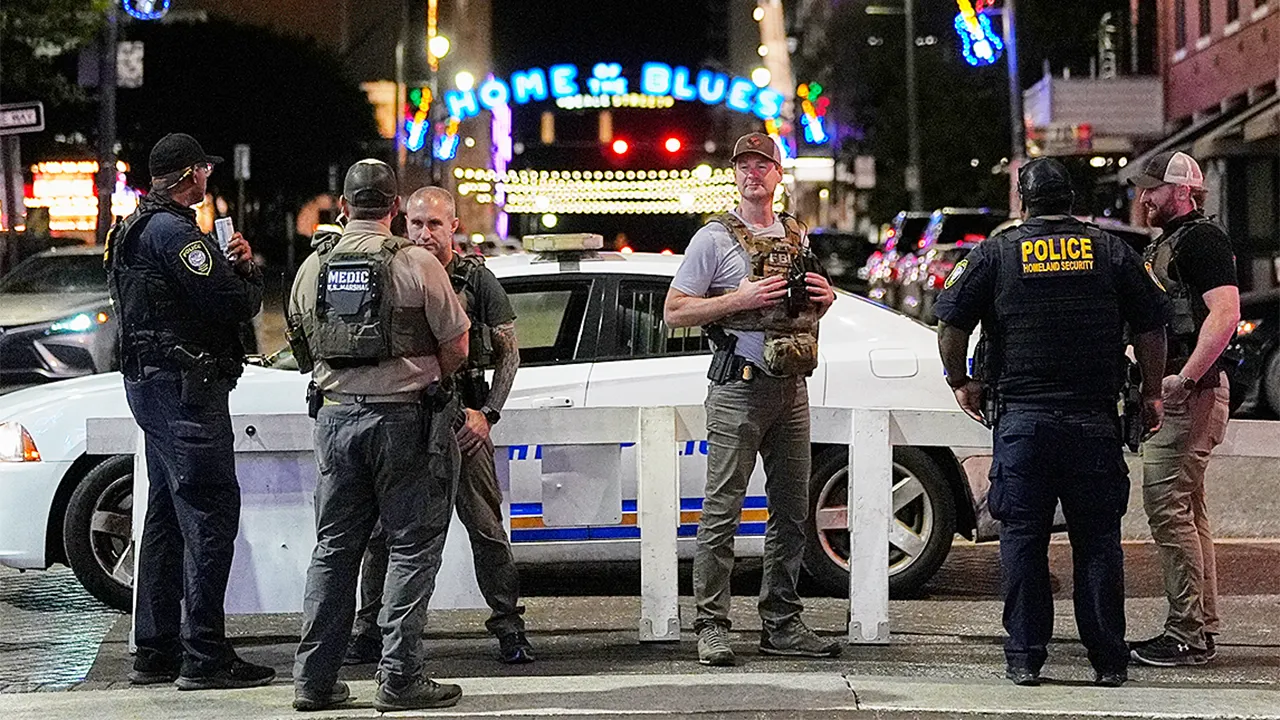
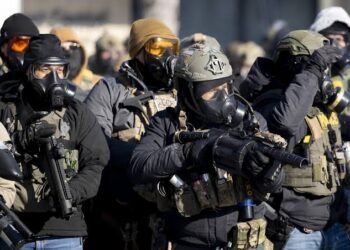
The Memphis Safe Task Force was launched after President Donald Trump ordered a federal law enforcement surge into the Tennessee city in September 2025. Federal agencies including the Bureau of Alcohol, Tobacco, Firearms and Explosives, the Federal Bureau of Investigation and the Department of Homeland Security were among those involved. Tennessee Governor Bill Lee subsequently supported the operation by adding state law enforcement personnel and activating 1,500 members of the Tennessee National Guard for street patrols.
The initiative was presented by officials as a response to Memphis’s long-running struggle with violent crime. A year later, authorities point to significant reductions in homicides and other offences as evidence that the strategy has produced results. Independent analysis, however, has challenged the claim that the National Guard deployment itself was responsible for the decline.
Memphis has recorded a substantial reduction in killings. The city reported 249 homicides in 2024 and 184 in 2025, representing a decline of about 26% before the taskforce was deployed. During the first year of the operation, the city recorded 96 homicides compared with 149 during the corresponding period a year earlier. Based on the figures cited in the reporting, Memphis is on course for roughly 135 homicides during 2026, equivalent to about 22.2 killings per 100,000 residents.

Officials associated with the taskforce have pointed to the broader decline as evidence of success. Brady McCarron, a spokesperson for the US Marshals Service, said overall crime had fallen significantly in Memphis and attributed the improvement in part to the work of the taskforce and Tennessee National Guard.
However, the Center for American Progress, a Washington-based policy organisation, reached a different conclusion in an analysis of National Guard and federal law enforcement deployments in Memphis, New Orleans and Washington DC. The report examined crime trends using statistical methods and compared the cities with historical patterns and developments in other major US cities.
According to the report, there was no statistically compelling evidence that the deployments had produced measurable reductions in homicides, violent crime or gun violence. Its analysis argued that crime was declining in many American cities, including places that did not receive comparable National Guard interventions.
That finding has become an important part of the debate in Memphis because the city’s reduction in violence began before the federal operation. Crime had already declined considerably between 2024 and 2025, making it difficult to determine how much of the subsequent improvement can specifically be attributed to the deployment.
The statistical debate has also become politically charged. President Trump responded to the Center for American Progress report by threatening legal action against its authors and demanding that the report be withdrawn and followed by an apology. The organisation has defended its analysis.
Meanwhile, public concerns in Memphis have increasingly focused on the conduct of members of the taskforce rather than simply on crime statistics.
Four men have been killed in shootings involving federal agents working with the operation, according to the reporting. One of the most controversial incidents involved Tyrin Johnson, who was shot during the Fourth of July weekend by two National Guard soldiers.
Authorities said the soldiers were pursuing a suspect connected to an armed robbery. An autopsy released by Johnson’s family, however, reportedly found that he had been shot in the back. The finding has intensified questions about the circumstances of the encounter and whether the use of force was justified.
The Tennessee National Guard and the governor’s office had not responded to requests for comment cited in the report.
For Memphis residents and community organisers, the Johnson shooting has become a turning point in public attitudes toward the deployment. Lucci Chambless, a community organiser who has remained in contact with Johnson’s family, questioned the timing of the reduction in National Guard patrols and the circumstances surrounding the shooting.
The number of troops visible on downtown streets has fallen, although the taskforce has attributed the change to routine unit rotation. The decline in the National Guard presence has nevertheless coincided with increasing public scrutiny.
Opposition to the deployment has also appeared in Memphis’s business community. Tamboli’s, a midtown pizza restaurant, attracted national attention after refusing service to National Guard personnel as a protest against their presence in the city. The decision triggered calls from conservative activists for a boycott of the restaurant, but the response also brought additional customers and supporters to the business.
More than 50 businesses subsequently joined a campaign supporting Tamboli’s position. Among them was Board to Beers, a board-game bar near the University of Memphis.
Owner Taylor Herndon said the controversy had brought new customers to her business and created a stronger connection with people in the surrounding community. She described the response as evidence that some residents were increasingly willing to publicly oppose the deployment.
Herndon also expressed frustration with Memphis’s elected leadership, arguing that formal political opposition to the federal operation had been comparatively limited.
That response contrasts with developments in some other Democratic-led American cities. Portland and Chicago, for example, have used public demonstrations, legal challenges and political opposition to contest National Guard deployments or federal law enforcement operations.
Memphis officials initially took a more restrained approach. The city council rejected a resolution condemning the federal surge when the operation began, and public opposition remained relatively subdued during much of the first year.
That atmosphere has changed as the taskforce’s activities have expanded beyond traditional violent-crime enforcement.
Earlier this month, federal agents working as part of the taskforce conducted an immigration raid at the El Corralón nightclub. The operation resulted in 120 arrests, reportedly making it the largest single immigration enforcement operation in Tennessee’s history. Some of those arrested have already been deported.
The raid has broadened the debate about what the Memphis Safe Task Force is intended to accomplish. Community organisers say residents had understood the National Guard deployment primarily as a response to violent crime, while immigration enforcement has introduced a different and more contentious dimension to the operation.
The issue has become particularly emotional for families affected by deportations. Children of people arrested and deported during immigration operations appeared at a Memphis city council hearing, bringing personal accounts of the consequences of federal enforcement into a political discussion that had previously centred largely on crime statistics.
Chambless said the response of local officials appeared to be changing as public concern increased. She suggested that newly elected county commissioners could consider renewed legal action against aspects of the federal operation.
The changing political atmosphere does not necessarily settle the question of whether the National Guard deployment reduced crime. The available figures show that Memphis experienced a substantial decline in homicides and other offences during the period surrounding the taskforce’s operation. At the same time, crime had already been falling before the deployment, and similar reductions occurred in other US cities without comparable interventions.
Determining the precise effect of the National Guard therefore remains a matter of analysis rather than a conclusion that can be drawn solely from year-to-year crime totals. Supporters of the operation point to the continued decline in violence and the contribution of additional law enforcement personnel. Critics argue that the broader national trend and Memphis’s pre-existing decline provide alternative explanations.

The controversy also highlights a broader question about the role of military personnel in domestic law enforcement. Supporters see the deployment as an additional resource for a city facing serious public-safety challenges, while opponents have raised concerns about civil liberties, accountability and the boundaries between military support and civilian policing.
For Memphis, the debate has become increasingly personal. The statistics show fewer killings than in previous years, but families affected by shootings, arrests and deportations are measuring the taskforce through experiences that cannot be captured by crime-rate calculations alone.
As the second year of the operation approaches, the central discussion is shifting from whether Memphis’s crime rate has fallen to what role the federal taskforce played in that decline and what costs, responsibilities and safeguards should accompany its continued presence.
The National Guard’s reduced visibility may ease some of the immediate tensions, but the questions surrounding the deployment remain. Memphis residents, community groups and elected officials are now confronting the longer-term implications of a federal intervention that began as an effort to reduce violent crime and has increasingly become part of a much broader debate over policing, immigration enforcement, civil rights and the role of government in the city.
Related News:
 Armed Suspect Attacks Ohio Governor Candidate
 Texas Transfers Raise Fears for Migrant Children
 Melania Trump Epstein remarks spark survivor backlash
 Swalwell Faces Pressure to Quit Governor Race
 Harmeet Dhillon Faces Scrutiny in DOJ Role Debate
 US Labor Department in turmoil after secretary resigns
 Trump DOJ Targets James Comey Again
 Judge Blocks Trump Bid for Arizona Voter Data
 US Court Weighs Fate of TPS for Migrants
 Immigration Judges Fear Pressure in Trump Era
 US judge dismisses Kilmar Abrego Garcia indictment
 Trump’s Revenge Drive Deepens GOP Divide
 Gunman Killed After White House Security Shootout
 Trump Orders Signs Criticising Smithsonian Museum
 Ministers Condemn Far-Right Unrest in Portsmouth
 Patriot Platform Raises Concern Across Britain
 UK Urged to Probe US Diplomat Case
 Texas Charges Seven Noncitizens in Voting Crackdown
 French Taxi Driver Cleared in David Lammy Theft Case After Fare Dispute
 Met Police Culture Makes Racial Harm ‘Inevitable’
 Remaining rebel Labour MPs have whip restored
 South African Detained After Neo-Nazi Rally in Australia
 Trump Signs Bill Releasing Justice Department Files on Epstein
 US National Guard Member Killed in DC Shooting
 Trump officials continue false claims after Alex Pretti shooting
 Files Link Andrew to Epstein Dinner After Prison Release
 Partial US Government Shutdown Hits Homeland Security Funding
 Thousands Protest ICE Operations in Nationwide US Day of Action
 NHS Safety Fears as Nurses Cover Doctor Gaps
 Trump at Press Dinner Sparks Tension
 Police Suspect Help in Missing Alice Springs Girl Case
 Florida Redistricting Map Sparks Major US Political Battle
 US Voting Rights Ruling Sparks Celebration and Outcry
 FBI Links Brown University Shooting to Long-Term Grievances
 US Charges Sinaloa Governor in Major Cartel Case
 US Court Ruling Reshapes Voting Rights Landscape
 Cartel crackdown raises fears of fresh violence
 US states redraw maps after voting rights ruling
 Judge halts deportation of Yemeni refugees in US
 UK may ban protests amid rising antisemitism fears
 White House Security Case Sparks Political Firestorm
 Trump warns Iran as Middle East tensions surge again
 US Supreme Court fast-tracks Voting Rights ruling
 US ‘Narco Boat’ Strikes Draw Global Outcry
 Florida Surgeon ‘Devastated’ Over Fatal Surgery Error
 Barrister Criticises Trial After Suicide Case Verdict
 FDA Chaos Deepens as Trump Eyes Makary Exit
 US green card applicants must apply from abroad, DHS says
 Tulsi Gabbard exits after turbulent intelligence tenure
 Victim says non-custodial rape sentence ‘rock in my face’
 Former ICC prosecutor condemns US sanctions
 Irish Gangland Figure Fails in Dublin Election Bid
 DeSantis’s ‘Alligator Alcatraz’ Faces Final Shutdown
 Prosecutor Proposes Law to Combat Election Deceit
 Trump’s Mount Rushmore Speech: A Divisive Anniversary
 Le Pen’s Popularity Holds Despite Conviction
 Dreyfus Statue Finally Gets Permanent Paris Home
 Mystery Grows Over Mitch McConnell’s Health
 Trump Refuses to Sign Housing Bill, But Law Takes Effect
 Pradhan Resigns Amid Protests
 Westminster Council Threatens Charing Cross Soup Kitchen
 BBC Warned About Missing Clothes of Murder Victim
 Is America Ready for an AOC Presidential Run?
 Cambridge Professor Jason Arday Found Dead at Home
 Masked Protesters Bring Dover Port Traffic to Standstill
 UN expert urges UK to rethink Israel policy
 Councils spend £125m on illegal children’s care
 Trump gives $45,000 holiday gifts to White House aides
 Turning Point USA Faces Crisis After Kirk Killing
 Miliband Rejects Chief Rabbi’s West Bank Warning
 New Mexico Takes Facebook to Trial Over Data Scandal
 Reform UK Receives Record £36m Donation From Crypto Billionaire
 Man Arrested in Mississippi Woman’s Death
 Israel Accused of Undermining Palestinian Life
 Election Candidate Abuse Raises Alarm in England
 Lisa Nandy Calls for Tougher Action on Social Media Doxxing
 Piddington Votes for Symbolic Independence Over Asylum Plan
 Iran School Strike Raises War Crimes Questions, UN Says
 Survivor Seeks Closure After Priest Dies in Prison
 Omar Proposes Bill to Redirect ICE Funding