Published: 07 October 2026. The English Chronicle Desk. The English Chronicle Online.
Democrats are gaining momentum in several closely watched US Senate races ahead of the November midterm elections, with a new set of political projections suggesting that the party could be within reach of regaining control of the chamber.
The latest assessment has placed several previously competitive contests in a more favourable position for Democrats, including races in Kansas, New Hampshire and North Carolina. The changes are significant because Republicans currently hold the Senate majority, meaning Democrats need a net gain of four seats to take control.
The most striking development came in Kansas, where the Senate contest was moved from “Lean Republican” to “Toss Up” in a new forecast. The shift represents a major change in expectations for a state that has traditionally been difficult territory for Democratic Senate candidates. No Democrat has won a Kansas Senate election since 1932, making the latest projection particularly notable.

The changing outlook suggests that the political environment surrounding the midterms may be broader than a series of traditional battleground states. If Democrats can seriously compete in a deeply Republican state such as Kansas, the party could have a larger path to Senate control than previously anticipated.
The new projections also moved the New Hampshire Senate race from “Toss Up” to “Lean Democrat”. North Carolina, another important contest, was shifted from “Lean Democrat” to “Likely Democrat”.
Taken together, the changes indicate that Democrats may now have a stronger position in several races that could determine the balance of power in Washington. The forecasts do not guarantee election outcomes, but they provide an indication of how political analysts currently assess the competitive landscape.
The Cook Political Report attributed much of the changing environment to dissatisfaction with President Donald Trump, particularly over rising fuel prices and the continuing pressure of the cost of living.
Although Republicans maintain a financial advantage in many of the competitive races, the political environment could be limiting the effectiveness of that advantage. Voters frequently make midterm elections a referendum on the party controlling the White House, and economic concerns can become particularly powerful when household expenses are rising.
Fuel prices have emerged as a significant political issue during the campaign. The Iran war has contributed to higher energy costs, while American consumers have continued to face pressure from elevated prices more broadly.
Trump has already acknowledged the political sensitivity of fuel costs. His administration has discussed possible measures to reduce the burden on motorists, including consideration of suspending the federal gasoline tax. However, such a move would require congressional action and could also reduce revenue used to support highways and public transportation.
The issue illustrates the difficulty facing Republicans as the midterms approach. While the administration can point to its policy agenda and efforts to address economic pressures, voters may judge the government primarily by their day-to-day financial experience.
The Senate races will therefore be shaped not only by candidates and campaign spending but also by broader public perceptions of the economy, energy prices, foreign policy and the performance of the Trump administration.
The Kansas contest is particularly important because of the state’s political history. Republicans have traditionally enjoyed a strong advantage there, and the absence of a Democratic Senate victory for almost a century illustrates the scale of the challenge.
A race being classified as a toss-up does not mean Democrats are guaranteed to win. Instead, it indicates that analysts see the contest as sufficiently competitive that either party could prevail. Nevertheless, the change is politically significant because it expands the number of Republican-held seats Democrats could potentially target.
For Republicans, the development creates another defensive problem. A party seeking to protect a Senate majority must devote financial resources, campaign staff and national attention to every seat that becomes competitive. As the number of vulnerable seats increases, resources can become stretched across multiple states.
Democrats, meanwhile, can interpret the Kansas projection as evidence that the electoral map may be moving in their direction. If dissatisfaction with the administration is strong enough to affect voting patterns in traditionally Republican territory, Democratic candidates could benefit beyond the states where they have historically performed well.
New Hampshire presents a different political environment. The state has frequently been competitive in national elections, and its independent-minded electorate can make political outcomes difficult to predict. The shift toward a Democratic advantage therefore strengthens the party’s position in another contest that could be important to the Senate balance.
North Carolina is also strategically significant. Although Republicans have maintained a strong presence in the state, Democrats have increasingly competed there in presidential and congressional elections. A forecast describing the Senate contest as “Likely Democrat” represents a considerable improvement in the party’s position compared with an earlier assessment that classified it as merely “Lean Democrat”.
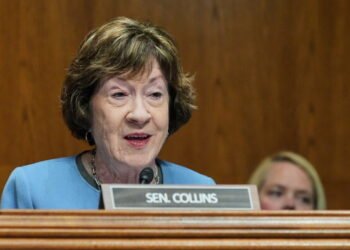
The changes are particularly meaningful when considered alongside the race in Maine, where Republican Senator Susan Collins is facing Democratic challenger Troy Jackson. Collins has sought to distance herself from Trump, emphasising her record of breaking with her party and highlighting disagreements over issues including the Iran war, tariffs on Canada and healthcare.
That race illustrates a wider challenge for Republicans in competitive states: candidates must decide how closely to align themselves with a president whose popularity can vary significantly across different regions and voter groups.
Trump remains central to the Republican political strategy, but his influence can be a double-edged sword in moderate or Democratic-leaning states. Candidates may benefit from his support among the Republican base while simultaneously facing pressure to demonstrate independence to voters who are less supportive of the president.
The changing Senate projections suggest that this tension could become one of the defining features of the midterm campaign.
Democrats are also likely to focus heavily on issues that affect voters outside Washington. Rising living costs, energy prices, healthcare access and economic uncertainty can provide the party with opportunities to challenge Republican incumbents and candidates.
Republicans, for their part, will likely argue that the administration’s policies require more time to produce results and that Democratic control of Congress could obstruct Trump’s agenda. The party is also expected to emphasise national security, immigration, economic growth and other issues that resonate with its core voters.
Campaign spending will be another major factor. The latest forecast noted that Republicans continue to hold a financial advantage in many competitive states. Money can help candidates build television advertising campaigns, organise voters and respond rapidly to developments during the final weeks of an election.
However, financial strength does not always overcome a broader political wave. If voters are already inclined to punish the governing party, heavy spending may be insufficient to completely reverse the trend.
The projected Democratic pickup range of two to six seats places the party directly within the territory needed to gain a Senate majority. Democrats therefore have reason to be optimistic, although the final outcome will depend on turnout, candidate performance, late campaign developments and the ability of each party to mobilise supporters.
The midterms are still weeks away, leaving considerable room for the political landscape to change. Economic data, developments in the Iran war, new administration policies, campaign controversies and shifts in voter sentiment could all influence the final races.

For Democrats, however, the latest projections represent a substantial improvement from the position they faced earlier in the campaign. Several races are now moving in their direction, while traditionally difficult Republican territory such as Kansas has entered the competitive conversation.
For Republicans, the projections are an early warning that defending the Senate majority may require a broader and more expensive campaign than previously expected.
The central question now is whether the Democratic momentum reflected in the forecasts can survive until voters cast their ballots. If it does, the November elections could produce a dramatic shift in Washington, potentially giving Democrats control of the Senate and significantly altering the political balance during the remainder of Trump’s presidency.
Related News:
 US National Guard Member Killed in DC Shooting
 Trump to pause migration from ‘third-world countries’
 Franklin Turtle, Sabrina Carpenter Slam US Social Media Use
 Trump officials continue false claims after Alex Pretti shooting
 Partial US Government Shutdown Hits Homeland Security Funding
 Thousands Protest ICE Operations in Nationwide US Day of Action
 Swalwell Faces Pressure to Quit Governor Race
 Harmeet Dhillon Faces Scrutiny in DOJ Role Debate
 Trump at Press Dinner Sparks Tension
 Judge Blocks Trump Bid for Arizona Voter Data
 US Court Weighs Fate of TPS for Migrants
 Florida Redistricting Map Sparks Major US Political Battle
 US Voting Rights Ruling Sparks Celebration and Outcry
 US Court Ruling Reshapes Voting Rights Landscape
 US states redraw maps after voting rights ruling
 Judge halts deportation of Yemeni refugees in US
 White House Security Case Sparks Political Firestorm
 Trump warns Iran as Middle East tensions surge again
 US Supreme Court fast-tracks Voting Rights ruling
 US Court Restores Abortion Pill Access Temporarily
 Immigration Judges Fear Pressure in Trump Era
 FDA Chaos Deepens as Trump Eyes Makary Exit
 US judge dismisses Kilmar Abrego Garcia indictment
 US green card applicants must apply from abroad, DHS says
 Tulsi Gabbard exits after turbulent intelligence tenure
 Trump’s Revenge Drive Deepens GOP Divide
 Former ICC prosecutor condemns US sanctions
 Gunman Killed After White House Security Shootout
 Prosecutor Proposes Law to Combat Election Deceit
 Trump Weighs Retreat from Controversial $1.8bn Slush Fund
 Mystery Grows Over Mitch McConnell’s Health
 Trump Refuses to Sign Housing Bill, But Law Takes Effect
 Trump Orders Signs Criticising Smithsonian Museum
 Judge Allows Pentagon Firings at Stars and Stripes
 Armed Suspect Attacks Ohio Governor Candidate
 Trump gives $45,000 holiday gifts to White House aides
 New Mexico Takes Facebook to Trial Over Data Scandal
 UK Urged to Probe US Diplomat Case
 Texas Transfers Raise Fears for Migrant Children
 Memphis Questions National Guard Crime Surge
 Trump Media Ban Triggers First Amendment Clash
 ICE Shooting in Austin Sparks Calls for Transparency
 US Deportation Deals Send Migrants to Unfamiliar Countries
 US Networks Suspend Trump White House Pool Coverage
 Trump and Mamdani Hold Cordial Gracie Mansion Meeting
 Democrat Says ICE Restricted Detention Camp Oversight
 CNN, MS NOW Barred From Xi State Dinner Coverage
 Republican Senator Questions Trump Ad Spending
 Trump Ads Trigger Fight Over Taxpayer Money
 Kristi Noem Files for Divorce After 34 Years
 Trump Immigration Policy Faces New Legal Tests
 Judge Blocks Border Wall Work in Big Bend
 DOJ Declines to Reopen Powell Renovation Probe
 Musk’s DOGE Sparks Turmoil Inside US Government
 Latin America women fear rollback of rights
 Lithuania Offers to Fund Permanent US Military Base
 McIver Faces Key Deadline in ICE Confrontation Case
 Susan Collins Distances Herself From Trump in Maine Race
 French Taxi Driver Cleared in David Lammy Theft Case After Fare Dispute
 Major Rent Reform Ends No-Fault Evictions in England
 ICC to Rule on Duterte’s Provisional Release
 Australia grants Asio powers to designate hate groups under new laws
 Trump press secretary attacks reporter over ICE question
 Trump Fed bid heads to Supreme Court
 Sinema payment row deepens after $9,000 transfer claim
 Nurses’ families fear breakup under UK immigration crackdown
 Adelaide University Faces Backlash Over Event Cancellation
 Proposed Law Leaves Gap for Children of Convicted Paedophiles
 Trump Signals Hope for New Iran Talks as Ceasefire Fades
 UK Stands Firm on Falklands Amid US Rift
 Investigation Into Anti-Trump Motives After Gala Shooting
 Trump orders US troop pullout from Germany
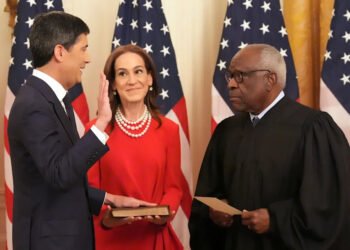 Kevin Warsh sworn in as Fed chair amid economic backlash
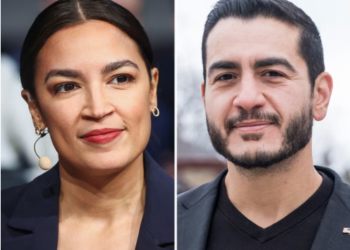 AOC Backs El-Sayed in Tight Michigan Senate Primary
 Unions Warn Labour Over Zero-Hours Contract Reforms
 US Sends Third Carrier to Middle East
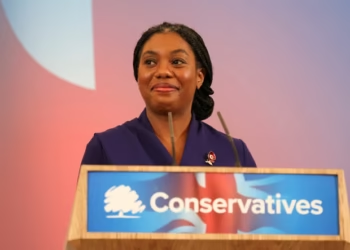 Badenoch Raises Prospect of 2027 UK Election
 Lula Warns of Bolsonaro Family Return as Brazil Votes
 Gosport Protesters Clash With Police Over Migrant Rescue
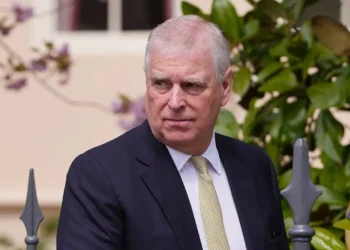 Palace Rejects Funding Andrew’s Police Legal Challenge