
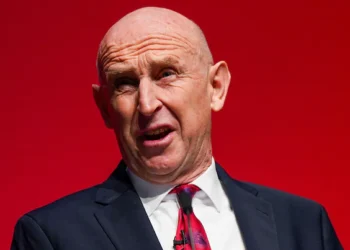
The UK government’s promise to deliver economic growth across every postcode is facing growing scrutiny after Chancellor John Healey outlined an ambitious programme to transfer more powers and financial resources to local leaders, while leaving questions about how large parts of the country will benefit from the proposed changes.
Healey’s first budget set out plans for what he described as the biggest wave of devolution in a generation, with elected mayors expected to gain greater control over public spending, business rates and other sources of revenue. The government hopes the reforms will allow local leaders to make decisions that reflect the economic needs of their communities, attract investment and support more balanced development across England.
However, the programme’s reach remains uncertain. While several established mayoral authorities are expected to receive enhanced powers and agreements are being developed for additional areas, many communities still lack comparable arrangements. Critics warn that the uneven rollout could deepen regional inequalities rather than ensure that the benefits of economic development reach the entire country.

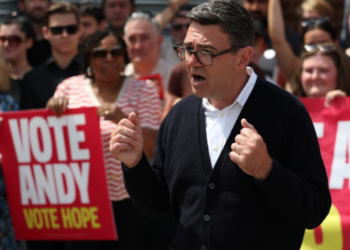
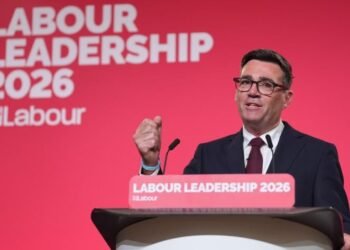
The plans are closely associated with Andy Burnham’s ambition to reshape how Britain is governed and strengthen the role of local authorities in economic decision-making. His political message has centred on delivering good growth in every postcode and restoring hope to communities that have felt overlooked by national economic policies.
Healey told MPs that the government wanted to place greater responsibility in the hands of people who understood their local economies best. He argued that transferring authority away from central government was not simply a symbolic gesture but an economic strategy intended to improve the conditions for investment, productivity and long-term growth.
Under the proposals, mayors of strategic authorities are expected to receive a share of income tax receipts from 2028. The government also plans to allocate 20% of business rates revenue to mayors from next year, with the longer-term ambition of allowing them to retain all their business rates income by the end of the decade.
The budget also outlined plans to give mayors the power to introduce a levy on overnight visitors staying in hotels and bed-and-breakfast accommodation in their areas. Such a measure could provide additional income for local investment, depending on how the system is designed and implemented.
These changes could give regional leaders more flexibility to support transport networks, improve local infrastructure, develop skills programmes and encourage businesses to establish or expand operations. Greater control over revenue could also allow mayors to pursue economic priorities that differ from those of central government.
Yet the practical value of these powers will depend on the amount of money available, the responsibilities transferred to local authorities and their ability to deliver projects effectively. Additional financial authority does not automatically guarantee stronger economic performance, particularly in areas where infrastructure shortages, weak private investment or skills gaps have persisted for years.
Fourteen areas already governed by mayors, including Greater Manchester, the West Midlands and the Liverpool City Region, are expected to receive enhanced devolution arrangements. The government is also working towards agreements covering ten additional areas, potentially expanding the network of strategic authorities across England.
The proposed areas include Devon, Plymouth and Torbay; Hertfordshire; Lancashire; Leicester, Leicestershire and Rutland; Stoke and Staffordshire; Surrey; the Thames Valley, covering Oxfordshire, Berkshire and Swindon; and Wessex. These arrangements are intended to bring more communities into a system where regional leaders can exercise greater influence over local economic policy.
Essex county council leaders agreed last month to adopt a strategic mayoral authority model to secure approximately £1.2 billion in funding over ten years. Cornwall, which obtained a special devolution agreement under the previous Conservative government, has also been discussing an expanded package of powers and additional funding with ministers.
The expansion represents progress towards the government’s objective, but it does not resolve concerns about areas that remain outside the proposed framework. Communities without a mayor or a special devolution arrangement may have fewer opportunities to influence regional investment decisions or secure the financial flexibility available to better-established authorities.
Jonathan Carr-West, chief executive of the Local Government Information Unit, has warned that a fundamental restructuring of the state requires every tier of government to play its part and remain financially resilient. Without a comprehensive approach, he cautioned, areas excluded from devolution could begin to fall behind those receiving new powers and resources.
The concern is particularly significant because regional inequality is already a persistent challenge in Britain. Differences in transport connections, employment opportunities, public services, business investment and access to skilled jobs can affect the ability of local economies to grow. If new funding and decision-making powers are concentrated in selected areas, the gap between participating and excluded communities could widen.
The government is expected to publish its Rewiring the State delivery plan next month. The document is anticipated to explain how ministers intend to implement the broader restructuring and clarify the direction of the devolution programme.
Carr-West has argued that the budget announcement has increased the importance of that plan, because the government still needs to explain how it will address the gaps in the current approach. Without a clearer timetable and a comprehensive framework, local leaders may struggle to understand when their areas could receive new powers or what financial support they can expect.
A major obstacle is the unresolved reorganisation of local government in England. The government had planned to replace the existing two-tier system of county and district councils with unitary authorities, which would take responsibility for services previously divided between the two levels. These responsibilities include social care, education, parking and local business licensing.
However, the programme was suspended in September by Angela Rayner, the secretary of state responsible for housing, local government and communities, after several county councils challenged aspects of the plans through judicial review proceedings. The legal challenges have forced ministers to reconsider elements of the reorganisation.
The relationship between local government restructuring and devolution is important because the boundaries and responsibilities of councils can determine how strategic authorities are established. If the structure of local government remains uncertain, negotiations over mayoral powers, funding and accountability may also be delayed.
Kent illustrates the difficulties. The Reform UK-run county council has objected to a government proposal to divide the area into four unitary authorities and has pursued legal action arguing that Kent should remain a single entity, similar to Cornwall’s arrangements. The disagreement has left the county some distance from securing a strategic mayoral agreement.
Vince Maple, leader of Medway Council in Kent and head of the Key Cities Group, acknowledged that the dispute was an obstacle to a devolution deal at present. Nevertheless, he said the government’s position suggested that local government reorganisation would proceed in some form and that devolution agreements would follow.
The Key Cities Group represents urban areas that sit outside some of the largest metropolitan centres, including Gloucester, Sunderland and Salford. Maple believes the planned expansion of strategic authorities gives these places a greater opportunity to participate in discussions about local economic development.
For such communities, the reforms could offer a stronger voice in decisions about investment and infrastructure. However, the timing and practical benefits will depend on the final agreements, the resources made available and the ability of local institutions to work effectively with central government and neighbouring authorities.
There is also uncertainty about how quickly the economic benefits of devolution could emerge. Changes to governance structures can take considerable time to implement, and improvements in productivity, employment and investment may not become apparent immediately.
Oxford Economics, a consultancy, said the limited detail in the announcements, unresolved challenges and long period before potential benefits materialise meant it would not revise its regional economic forecasts in response to the devolution plans. Its assessment highlights the difference between announcing new powers and demonstrating that those powers are producing measurable economic gains.
For the government, that distinction could become politically important before the next general election. Ministers will want to show that devolution is delivering tangible improvements rather than simply creating new administrative structures. Voters are likely to judge the programme by whether it leads to better transport, more secure employment, improved public services and stronger local business opportunities.

The challenge will be particularly acute in areas that have experienced years of limited investment. Giving mayors more control over revenue could help them respond to local priorities, but it will not necessarily overcome all the barriers facing disadvantaged communities. Successful implementation will require adequate funding, cooperation between councils, clear accountability and sustained private-sector investment.
Healey’s budget has established a direction for reform and outlined several milestones, but the promise of growth in every postcode remains an ambition rather than a demonstrated outcome. The government must still resolve the local government reorganisation dispute, clarify the position of excluded areas and show how additional powers will translate into lasting economic improvements.
Ultimately, the success of the devolution programme will depend on whether it distributes opportunity more fairly across Britain. If local leaders gain meaningful authority and the resources to use it effectively, the reforms could support stronger regional economies. If significant parts of the country remain outside the system, however, the government’s promise of inclusive growth may prove difficult to fulfil.
Related News:
 UK Doubles Steel Tariffs to 50% to Protect Domestic Plants
 BBC News Faces Deep Cuts in 2,000 Job Plan
 UK Pushes for New EU Goods Trade Deal
 Reeves Fights to Keep Treasury Role Amid Labour Turmoil
 Burnham Faces Mounting Budget Challenges
 Burnham Leaves Door Open to Future Brexit Reversal
 Thinktank Calls for Abolition of UK State Pension
 MPs Defend UK Economic Watchdog Against Critics
 Tony Blair Calls for Britain to Rejoin EU Within a Decade
 Burnham Opens Door to Possible UK Return to EU
 Badenoch Raises Prospect of 2027 UK Election
 London Council Warns of 150% Council Tax Rise
 Informa Agrees £2.24bn Deal to Buy Clarion
 France Urges UK to Consider Returning to EU
 Labour MP Urges Billions for Affordable Homes
 Labour Fears Budget Will Fail to Lift Living Standards
 IFS Warns UK Budget Faces £35bn Spending Gap
IMF Raises UK Growth Forecast Ahead of Healey’s Budget
 Business Chief Urges Burnham to Fix Brexit Damage
 UK Could Rejoin EU Through a Switzerland Plus Deal
 UK Plans Higher Training Costs for Older Apprentices
UK Borrowing Hits £24.5bn Ahead of Healey’s Budget
 Tax Online Sales to Save High Street, Burnham Urged
Brexit Deal Not Good Enough for Britain, Burnham Says
 Labour MPs Urge Burnham to Lead UK Reindustrialisation
 Trump’s UK Ambassador Urges North Sea Drilling to Strengthen US Ties
 Millionaires group urge Reeves to introduce wealth tax to ‘lift kids out of poverty’
 PM Highlights UK Business at G20 in South Africa
 Starmer Says Labour’s Economic Plan Needs Years to Deliver
 UK Government Borrowing Drops to £11.6bn in December
 UK shelves £110m border project amid trade strain
 Reeves Must Back Defence Plan or Face Dismissal, Says Unite Chief
 OBR Reform Row Deepens Before Spring Forecast
 Unions Raise Concerns Over Doctors’ Pay Dispute
 Silent Tracks: Rail Line Without Passengers
 Kevin Warsh sworn in as Fed chair amid economic backlash
 Albanese Defends Tax Reforms Amid Emotional Speech
 Andy Burnham Enlists Economic Heavyweights for Leadership Bid
 Burnham unveils £65m drought aid for farmers
 Unions Warn Labour Over Zero-Hours Contract Reforms
 Trump Hardens Canada Trade Stance as Talks Stall
 Reform Faces Fresh Financial Controversy
 Swedish Mining Push Puts Sami Land Rights Under Pressure
 UK plans tougher Israel stance with settlement trade ban
 John Lewis Losses Widen to £124m as Confidence Falls
 North Sea Firms Urge Early End to Windfall Tax
 UK Pay Growth Slows to 3.9% as Rate Decision Nears
 Bank Urged to Slow Bond Sales as UK Costs Rise
 Mayors Could Gain Greater Powers Over Water Firms
 Trump Threatens EU With Tariffs Over Canada Proposal
 Tom Watson Takes Senior Role at Palantir
 UK Retail Sales Rebound as Consumers Spend More
 UK Rent Gap Puts Low-Income Families Under Pressure
 Reform UK Faces Internal Debate Over £72m Spending
 Calls Grow to Expand UK National Wealth Fund
 Labour Apprenticeship Scheme Faces Slow Start
 AO Acquires Jessops in Camera Retail Expansion
 The Tests Awaiting Andy Burnham After Labour Conference
 Should Savers Lock Into 5.25% Fixed Rates?
 Poundland Rescue Bid Could Protect 11,000 Jobs
 Healey urged to act as UK energy bills rise 4%
 UK house price growth slows as mortgage rates rise
 UK borrowing costs surge as global bond sell-off deepens
 UK Assures Public Over Diesel Supply
 UK Diesel Reaches £2 as Inflation Surges Across Europe
 North Sea Strike Threatens UK Fuel Supplies
 UK Weighs Chinese Car Tariffs Amid EU Trade Push
 UK house prices stall as mortgage costs rise
 IMF Warns Governments Over Rising Debt Burdens
 Ministers Push ATO to Reconsider Credit Card Ban
 UK Must Build Its Own AI to Protect National Security
 IMF Warns Global Economy Is Nearing Its Limits
 Healey Plans £1bn Online Marketplace Tax Crackdown
 Brexit Debate Returns as UK Voters Reconsider EU Exit
 UK Unemployment Falls to 4.7% as Vacancies Decline
 Middleton Revitalisation Blueprint for UK Towns
 UK Land Registry Plan Faces Opposition From Landowners
 Healey Set to Scrap Planned Cut to Cash ISA Allowance
 Fed Expected to Hold Rates Steady Ahead of US Midterms
 Albanese Faces Labor Pressure as Inflation Hits 4.3%