Published: 20 May 2026. The English Chronicle Desk. The English Chronicle Online
As record-breaking temperatures continue to test the limits of infrastructure and human endurance, the ability to manage your immediate environment has become a critical skill for survival. When external conditions reach extreme levels, the goal shifts from simple comfort to a “clinical” necessity: maintaining a thermal equilibrium that protects both your home’s integrity and your own physiology. This “asymmetric” challenge—where the environment actively works against your body’s cooling systems—requires a proactive, six-point defense strategy. By treating your home as a “thermal fortress” and adopting disciplined habits, you can create a sanctuary that remains functional even when the mercury climbs to dangerous, “nasty” heights.

The first and most effective strategy is to implement a strict “daytime lockdown” for your home’s aperture points. Windows, skylights, and glass doors act as solar intensifiers, turning your living space into a greenhouse within hours of sunrise. By keeping curtains, blinds, or external shutters closed during the daylight hours, you block the direct short-wave radiation before it can heat the interior mass of your home. This simple, “bricks-and-mortar” barrier significantly reduces the thermal load that your cooling systems must manage later in the day. The “bottleneck” here is consistency; the protection must be in place before the sun hits its peak intensity to be truly effective. If your home has north-facing windows, ensure these are covered as well, as indirect light and ambient reflection can still contribute to significant heat gain.
Second, master the art of “nocturnal ventilation.” While the daylight hours are for sealing the home, the evening hours are for flushing it. Once the ambient temperature outside dips below your indoor temperature—typically late in the evening—open windows on opposite sides of your residence to create a cross-breeze. If you have a two-story home, this is particularly potent: open windows on the lower level and the top level to encourage a stack-effect, where cool air is drawn in low and hot, stale air is forced out through the roof vents or top-floor windows. This “speechless determination” to exchange the indoor air is essential for cooling the actual structure of the house, which otherwise acts as a heat battery that radiates warmth throughout the night.
Third, reconsider your internal heat sources, which are often overlooked as significant contributors to ambient temperature. Every appliance—from incandescent bulbs to desktop computers, ovens, and clothes dryers—adds to the “accountability rot” of your indoor climate. During a heat wave, the “clinical” rule is to keep the home’s metabolic rate as low as possible. Switch to LED lighting, avoid using the oven entirely in favor of microwave or no-cook meals, and ensure that any electronic equipment that generates significant waste heat is powered down. This reduces the internal “heat budget” of your home, allowing your natural or mechanical cooling systems to focus entirely on neutralizing the heat coming from the outside environment.
Fourth, adopt a personalized, “asymmetric” cooling regimen for your body. Your skin is the primary radiator for your core, and optimizing its function is vital. When temperatures are extreme, prioritize lightweight, loose-fitting, light-colored natural fabrics—such as linen or cotton—that promote airflow and moisture evaporation. Avoid the temptation to use heavy blankets or synthetic pajamas, which trap body heat. Additionally, utilize targeted, low-tech cooling: apply cool, damp cloths to your pulse points—the wrists, neck, and behind the knees—where blood vessels are close to the surface. This mimics the body’s natural cooling process by accelerating the transfer of heat from your core to the exterior environment, providing a quick, efficient “reset” during the hottest part of the day.
Fifth, prioritize active, high-efficiency hydration that replaces more than just fluid. Sweating under extreme heat conditions strips the body of electrolytes—sodium, potassium, and magnesium—which are essential for the cardiovascular and muscular function required to manage thermal stress. The “resilience deficit” often occurs when people rely solely on plain water, which can lead to a state of electrolyte imbalance. Instead, integrate small, frequent servings of electrolyte-rich beverages or salt-containing snacks into your routine. This is a critical, “clinical” requirement for maintaining the blood volume necessary for your body to continue sweating and, by extension, cooling itself. Avoid alcohol and excessive caffeine, as both act as diuretics and can accelerate the rate of dehydration.

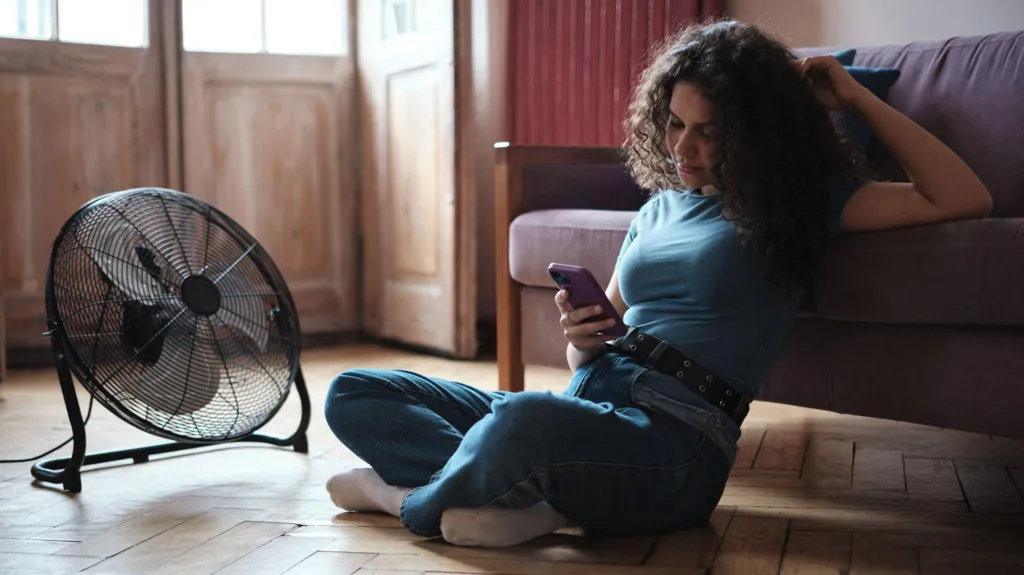
Finally, the sixth strategy is to optimize your home’s “micro-climates.” In a large residence, certain areas—usually basement levels or rooms on the shaded side of the building—will naturally stay cooler. Rather than trying to maintain an even temperature across the entire home, which is an inefficient, “asymmetric” task, shift your primary activities to these naturally cooler zones. If you are using a portable fan, ensure it is positioned to push hot air out of a room through an open window, rather than just swirling it around. By consolidating your activity in a “thermal sanctuary,” you focus your efforts on protecting the space where you spend the most time, significantly lowering the “bottleneck” of demand on your cooling resources and ensuring that you have a reliable, safe place to retreat when the external environment becomes untenable.
Related News:
 Hindu Man’s Stand Sparks Hope in India
 Royal Mail Blames Poor Weather and Sickness for Delayed Deliveries
 Undercover officer deceived women with ‘grotesque and cruel’ lies, spycops inquiry told
 UK Banks Maintain £100 Contactless Limit Despite FCA Rule Change
 Rising Costs Force Families to Rethink Days Out
 How and When to See April’s Full Pink Moon
 M&S Demands Urgent Action on Rising Violent Retail Crime
 Peretz Targets FA Cup Upset Amid War Concerns
 Archbishop Prays for Middle East Peace in First Easter Sermon
 Storm Dave Disrupts Travel but Conditions Set to Ease
 Victory or Compromise? Tehran’s Streets Erupt in Mixed Emotion Following Ceasefire
 Melania Trump Epstein remarks spark survivor backlash
 TikTok effect draws younger crowds to Grand National
 Exhibition Revisits Life of 18th-Century Black Court Figure
 Harry and Meghan’s Australia Visit Sparks Debate
 10 Scenic Stays in Scotland’s Highlands & Islands
 Kezia Dugdale Warns of Possible Reversal of Equal Rights Gains
 Fraudsters Target Runners Ahead of London Marathon
 Synagogue Arson Attempt Sparks Security Fears
 Canadian astronaut French words ease language row
 ‘The Triple-Shift Generation’: The 20-Somethings Juggling Three Jobs to Stay Afloat
 NHS Safety Fears as Nurses Cover Doctor Gaps
 Walsall Rapist Jailed After Hate-Filled Online Trail
 Chornobyl Still at Risk 40 Years After Disaster
 Athens Mayor Moves to Tackle Overtourism Crisis
 Two Children Die in Wolverhampton House Fire Tragedy
 Reform UK funding: mystery billionaire revealed
 Exploring Italy’s Forgotten Dolomites Beyond Crowds
 Farke’s Leeds revival: from pressure to FA Cup glory chase
 US Labor Department in turmoil after secretary resigns
 RAF Typhoons scrambled amid Russian drone threat near Nato
 Disneyland Adds Facial Recognition at Entrances
 Trump DOJ Targets James Comey Again
 Judge Blocks Trump Bid for Arizona Voter Data
 Ukraine Urges UK to Seize Russian Oil Tankers
 Escobar’s Hippos May Be Moved to India Zoo
 Man Opens Up on Cleft Lip at 60 in Emotional Journey
 Older Than Dinosaurs: Secrets of Mayfly Dance Revealed
 US Court Weighs Fate of TPS for Migrants
 Two Dead in Adelaide Airport Plane Crash Fire
 Police Suspect Help in Missing Alice Springs Girl Case
 John Terry Faces Backlash Over Political Posts
 UK may ban protests amid rising antisemitism fears
 Greens Face Internal Row Over Antisemitism Claims
 China Fireworks Factory Blast Kills 21 in Hunan
 Florida Surgeon ‘Devastated’ Over Fatal Surgery Error
 France Faces Record Presidential Crowded Race Amid Far-Right Surge
 Barrister Criticises Trial After Suicide Case Verdict
 Immigration Judges Fear Pressure in Trump Era
 Tractor Breakdown Tests Lincolnshire Farmers
 Labour Members Turn Against Starmer Leadership
 Britons Build Emergency Supplies Amid Rising Fears
 UK Banks Granted Reprieve as BoE Delays Basel III Capital Rules Until 2028
 Singapore Corruption Scandal: Details Emerge on Iswaran’s Luxury Flight and Ties to Tycoon Ong Beng Seng
 Corfu Beyond the Crowds: Discovering Serenity in Southern Villages and Hidden Taverns
 Peter Andre Praises Son Junior’s ‘Quiet Season’ Amid Ongoing Family Dispute
 US Dollar Hits Four-Year Low Amid Market Turmoil
 AI breast screening cuts later cancer diagnoses by 12%, study finds
 Police Doubt Fugitive Dezi Freeman Survived Bushland
 South Africa’s Garden Route Gem Faces Looming Water Crisis
 Most Statin Side-Effects Are Not Caused by Drugs, Study Confirms
 Australia’s Opposition Coalition Reunites After Rift
 Portugal Election Delivers Socialist Win as Far Right Surges
 Send spending gap leaves deprived areas behind
 Australian Families Leave Syrian Camp for Home
 Motorists Could Face ‘Mandatory’ Driving Ban for Road Offences Under Tougher Laws
 School Plate Revolution: England Bans Fried Menu Classics
 The Waiting Ward: ‘Month of Worry’ as Doctor Strikes Trigger Seismic Surgery Delays
 Is Britain Ready? Experts Warn of ‘Bizarre’ Military Delay
 Benjamin Field Murder Conviction Overturned by Appeal Court
 Tragedy Strikes Outside Melbourne Comic Con
 Rat Poison Found in Baby Food Sparks Major Recall Row
 ‘The Last of the Greatest’: UK’s Oldest WWII Veteran Passes Away Aged 109
 Premier League Clubs Tense Over Regulator Costs
 Governments Fail Murray-Darling River Projects
 Prominent Voices Challenge Palestine Action Ban
 The Hidden Danger Facing Children’s Growing Feet
 “Three-Wheeled Triumph”: Mayor of Erewash Completes 2,000-Mile European Charity Run
 Lords Demand Larger Fiscal Buffers for UK
 King Charles III Addresses Congress in Historic US Visit