Published: 16 June 2026. The English Chronicle Desk. The English Chronicle Online.
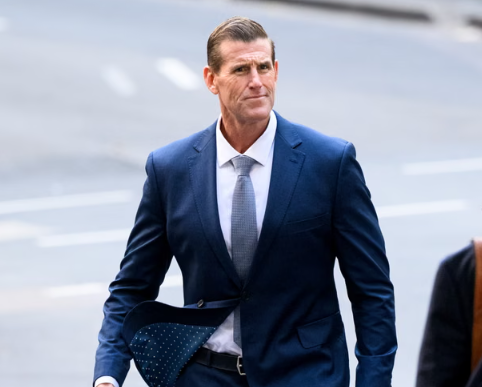
The legal landscape surrounding one of Australia’s most prominent military figures has shifted once again this afternoon. Former Special Air Service soldier Ben Roberts-Smith has achieved a partial victory in his ongoing bail battle. A Sydney court has granted him permission to attend a highly significant national military event next week. This decision marks a notable chapter in a saga that continues to captivate the public interest. The decorated veteran faces serious allegations that have deeply divided opinions across the entire commonwealth nation. His legal team argued successfully that his presence at the upcoming national commemoration was deeply appropriate.
The Downing Centre Local Court in Sydney became the focal point for this high-profile legal discussion. Judge Susan Horan presided over the complex proceedings which drew substantial media attention from global outlets. The prosecution and defence teams clashed over the exact boundaries of the veteran’s current freedom. Ultimately the judge decided to permit his attendance at the prestigious Australian War Memorial opening. This venue in Canberra is set to unveil its new Anzac Hall and Atrium very soon. The court heard that all living Victoria Cross recipients received invitations to this significant event. Roberts-Smith maintains that his attendance is entirely fitting given his historical receipt of the award.
However the judicial decision did not grant all the requests put forward by his lawyers. The court firmly denied his application to attend a military graduation parade and afterparty later. This event was scheduled to take place at the Singleton army base north of Sydney. The prosecution raised serious concerns about potential interactions with another accused individual at the event. Oliver Schulz is another former soldier facing grave allegations related to his deployment in Afghanistan. The Crown argued that an uncontrolled environment involving alcohol posed too great a legal risk. Judge Horan agreed that the potential for communication between the two men was unacceptable.
The restrictions placed upon the veteran highlight the immense severity of the charges he faces. Roberts-Smith stands accused of murdering or ordering the murders of five unarmed Afghan individuals. These alleged incidents took place during various military deployments between the years 2009 and 2012. The specific details contained within the prosecution documents paint a very grim picture of combat. He is accused of executing prisoners and ordering subordinates to carry out similar unlawful acts. Another allegation involves kicking a handcuffed civilian off a steep cliff in an Afghan village. The veteran has consistently and categorically denied every single allegation levelled against his character.
Outside the courtroom the former soldier spoke briefly to reporters about his current primary focus. He explained that his immediate priority is simply spending time with his supportive family members. The veteran also applied to change his primary residential address back to south-east Queensland. His legal team explained that his parents had recently sold their own residential property. This sale forced the veteran to seek new accommodation arrangements closer to his relatives. His barrister argued that reporting to a local Queensland police station would be sufficient. The prosecution countered that only New South Wales officers could properly enforce his bail.
This particular jurisdictional dispute will require further detailed arguments in court early next week. The legal complexities show how difficult managing high-profile interstate bail conditions can be for authorities. The veteran remains free on a very substantial bail package since his April arrest. His father who is a former supreme court judge provided the necessary financial surety. The sum of two hundred and fifty thousand dollars ensures his return to court. Roberts-Smith has not yet entered any formal pleas to the modern war crimes charges. He has publicly stated his firm intention to use the trial to clear his name.
The allegations against him represent a unprecedented moment in modern Australian military history. For years he was celebrated as the nation’s most decorated living military hero. His actions in Afghanistan previously earned him the highest honours the country could possibly bestow. The contrast between his past public image and these current charges is incredibly stark. International observers are watching the progression of this landmark case with intense global interest. The upcoming trial promises to examine the very nature of special forces combat operations. It will also scrutinise the strict rules of engagement that govern modern international warfare.
The decision to allow him to attend the War Memorial has sparked considerable debate. Supporters believe his military honours entitle him to participate in such historic national events. Critics argue that his presence could potentially overshadow the solemnity of the memorial opening. The judge has strictly forbidden him from discussing any aspects of his criminal case. He is also barred from talking about the legal proceedings involving fellow veteran Schulz. These strict conditions aim to protect the absolute integrity of the upcoming criminal trial. The court must balance the rights of the accused with the broader public interest.
As the date for the Canberra opening approaches security and media interest will intensify. The event will bring together many prominent figures from the military and political spheres. Roberts-Smith will stand alongside his peers under the gaze of the international press corps. This public appearance will be his most significant since his highly publicised April arrest. The legal battles occurring behind the scenes reflect the incredibly high stakes for everyone. A definitive resolution to the various bail variations remains a work in progress for now. The world watches as the wheels of military justice turn slowly but surely.
The broader implications for the special forces community remain deeply profound and highly sensitive. These legal proceedings have shone an unwanted spotlight on secretive elite military unit cultures. Many veterans are watching the case unfold with a mixture of anxiety and sadness. The allegations have challenged long-held perceptions about conduct on the dangerous modern battlefield. Legal experts predict that the eventual trial will be exceptionally lengthy and legally complex. It will require testimony from numerous witnesses who were present during the deployment years. The truth of what occurred in those remote valleys remains to be determined.
For now the former soldier must navigate a highly restricted and heavily scrutinised existence. His movements are carefully monitored by law enforcement agencies across multiple Australian state borders. Every public appearance he makes is analysed by legal commentators and ordinary citizens alike. The upcoming week will bring more legal arguments regarding his final reporting conditions. His legal team remains confident that they can secure a fair trial eventually. The English Chronicle will continue to provide accurate updates on this developing international story. The pursuit of justice remains paramount as this unprecedented legal chapter unfolds in Australia.
Related News:
 Saudi Officials Report Zubaidi Flee Before Yemen Peace Talks
 UK Targets in New York Bomb Threat Hoax: Man Jailed
 Gambia Supreme Court Hears Case to Overturn FGM Ban
 Trump targets Iran trade with 25% tariff warning
 US Senate rejects resolution limiting Trump military powers
 Gulf states warn Trump Iran strikes risk wider Middle East war
 Machado Trump medal gesture reshapes Venezuela power struggle
 Geopolitical football: Iran, Trump and the World Cup clash
 Shinzo Abe’s killer receives life sentence in Japan
 China General Under Investigation Amid Leadership Purge
 Philippines ferry disaster leaves 15 dead, dozens missing
 Cambridge Faces Scrutiny Over Arms Investment Transparency
 Concerns rise for Canberra boy amid Iran detention fears
 Ukraine Sends Drone Experts to Defend US Bases in Jordan
 Abramovich Chelsea Sale Cash Faces Jersey Probe
 Yvette Cooper: UK Must Follow Principles, Not US Pressure
 Jury Rules Meta and YouTube Liable for Addictive Design
 The Woman Guarding Earth From the Threat of Asteroids
 Exiled Tycoon Warns of New Russian Attacks on UK Soil
 LA 2028: Millions of Affordable Olympic Tickets Announced
 Trump Slams Europe as Transatlantic Tensions Boil Over
 Inside the Deceptive Machine: A Former Producer Speaks Out
 Spain Faces Backlash Over Xenophobic Chants in Egypt Draw
 A Global Voice For Justice: Stephen Lewis Dies At Age 88
 Hope and Fear as Iranians Flee Across the Turkish Border
 Reform UK Pledges To Halt Visas Over Reparations Demands
 US and Iran Agree to Two-Week Provisional Ceasefire
 Starmer visits Gulf as US and Iran agree ceasefire
 Pakistan Brokers Historic Peace Deal Amid Rising Tensions
 Trump Signals Hope for New Iran Talks as Ceasefire Fades
 US and Iran Pursue Extension of Ceasefire via Pakistan
 Trump’s Islamabad Gamble: The High Stakes of a New Iran Deal
 The General’s Gambit: Pakistan’s New Role in Global Peace
 Mexico, Spain and Brazil call for Cuba dialogue amid crisis
 Pakistan’s Ambitious Bid for Middle East Peace
 Israeli Soldiers Jailed Over Vandalism of Lebanese Statue
 Trump Weighs Sending Afghan Allies to the Congo
 Trump Threatens UK With Big Tariff Over Tech Tax
 Prominent Voices Challenge Palestine Action Ban
 Security Scrutiny After Washington Shooting Incident
 Merz Criticises US Approach in Iran Conflict
 UK Envoy Sparks Controversy Over Special Relationship Claims
 Ukraine Urges UK to Seize Russian Oil Tankers
 US Calls Australia Media Law “Foreign Extortion”
 The Billionaire’s Secretary and the £1m Fraud
 Ukraine strikes Tuapse as oil disaster worsens
 Brewing Tension: Taiwan Baristas Rebrand for World Stage
 Tensions Emerge in Netanyahu-Trump Alliance
 Mission to the World’s Edge: A Heroic Rescue in Tristan
 US and Mexico Face Heatwave as Floods Batter South Africa
 Mexico’s Missing: State Complicity in a Growing Crisis
 French Patient Told Hantavirus Was Just Anxiety
 The Long Way Home: Australia’s High-Stakes Virus Mission
 Putin Signals War End as Russian Momentum Stalls
 Romania’s Judicial Crisis: A System Under Siege
 Lee Lai Makes History with Landmark Stella Prize Victory
 Philippine Senator Flees After Days Under Senate Siege
 Alberta Separatist Bid Blocked by Canadian Court
 Big Tobacco Under Fire Over Controversial New Ad Campaign
 Bolsonaro Son Tape Scandal Sparks Massive Brazil Backlash
 Court Upholds Landmark Win for Transgender Rights
 Liberal Senator Criticises Immigration Rhetoric
 Senate Moves to Restrict Trump’s War Powers on Iran
 ICC Arrest Warrant Threat Sparks West Bank Retaliation
 Taliban Codifies Strict New Marriage and Divorce Legislation
 Tony Abbott Returns as New Liberal Party President
 Tulsi Gabbard exits after turbulent intelligence tenure
 Discontent grows around Putin amid war strain
 Trump Diplomacy Faces Hurdles from Tehran to Tbilisi
 Trump Faces Legal Blow Over Global Tariffs
 Washington Brokerage Sparking Hope Amid Regional Firestorms
 New York Consumer Watchdog Tackles Corporate Lawbreaking
 Global Tech Giants Face Off Against Australia Over Media Levies
 ANU Reputation Crumbles Under Leadership Woes and Huge Losses
 Ukraine Turning the Tide: Zelenskyy Reclaims the Initiative Against Isolated Russia
 Millions in British Charity Funds Linked to Illegal Settlements
 Firearm Fine for Missing Boy’s Grandmother
 Historic Peace Deal Reached Between United States and Iran
 A New Era of Diplomacy Sparks Confusion on the World Stage
 AI to Help Botanists Win the Critical Race Against Extinction