
Published: 19 June 2026. The English Chronicle Desk. The English Chronicle Online.
The British economy faces severe strain as national borrowing exceeded expectations during the month of May. This sharp increase highlights massive financial pressure on the government due to global geopolitical conflicts. The escalating war involving Iran has created significant waves across international financial markets this season. Consequently, public spending has risen dramatically while the domestic economy struggles under persistent inflationary pressures. These newly released figures arrive at a highly sensitive time for the current political leadership.
The Office for National Statistics revealed that public sector net borrowing reached twenty-three billion pounds. This total represents the second highest borrowing figure for any May since records began. Government spending has significantly outpaced revenues as global instability continues to impact domestic fiscal management. City economists had previously predicted a much lower borrowing requirement for the late spring period. Most experts anticipated the borrowing figure to settle closer to eighteen billion pounds overall.
Instead, the actual data exceeded those baseline economic projections by over five billion pounds. This substantial gap underscores the immense challenge of stabilizing public finances during global turmoil. The Treasury must now navigate these treacherous waters while addressing growing domestic demands for funding. Every department faces rising operational costs driven by international supply chains and energy markets. These compounding factors leave minimal room for error in current legislative and budgetary planning.
The current financial trajectory creates an immediate hurdle for prominent political figures in London. Andy Burnham has just secured a notable victory in the recent Makerfield byelection. This electoral success positions him as a primary challenger for the Labour party leadership. However, the deteriorating fiscal landscape complicates any immediate plans for shifting national policy directions. The next leader will inherit a delicate economy constrained by prior spending commitments.
If Burnham assumes control, he will likely restructure the entire Treasury management team. Speculation points toward energy secretary Ed Miliband as a potential chancellor of the exchequer. Alternatively, home secretary Shabana Mahmood remains a strong contender for that critical economic role. Whoever takes the position must immediately confront the reality of these high borrowing figures. They will need to balance fiscal rules against the urgent necessity for public investment.
The ongoing conflict in the Middle East serves as the primary driver for this fiscal imbalance. War has disrupted international energy corridors and driven fuel prices significantly higher across western nations. This sudden surge in commodity costs directly feeds into the broader domestic inflation matrix. The Bank of England recently decided to hold interest rates steady at nearly four percent. Central bankers had hoped that inflation would decline swiftly toward their stable two percent target.
Instead, expensive fuel has kept the national inflation rate lingering near three percent recently. Higher inflation automatically increases the yield requirements on index-linked government bonds and securities. Therefore, the state must allocate vast sums simply to service its existing national debt. Debt interest payments alone consumed over eleven billion pounds during the month of May. This represents a massive increase compared to the interest costs recorded last year.
The soaring cost of debt service cancels out positive news regarding domestic tax revenues. Total tax receipts actually rose by over three billion pounds during the past month. Increased collections from value-added tax and personal income tax helped boost the state coffers. Total government income reached eighty-five billion pounds as economic activity showed some structural resilience. However, this revenue growth was entirely overwhelmed by the rising tide of national expenditure.
Public services, infrastructure investments, and welfare benefits all required significantly larger state allocations. The imbalance ensures that the national debt continues to expand faster than domestic economic growth. Total government debt now stands at ninety-five percent of national gross domestic product. This ratio places the United Kingdom well ahead of previous independent budgetary forecasts. Such elevated debt levels reduce the capacity of the state to absorb future economic shocks.
Political tension in Westminster has already reached a boiling point over these financial constraints. John Healey resigned as defence secretary last week following disputes over military investment funding. The government faces immense pressure to fully fund its comprehensive defense expansion strategy today. Financial markets remain highly sensitive to any signs of political instability or policy shifting. Investors could demand higher returns on British debt if uncertainty continues to cloud leadership.
Higher yields on government bonds would quickly translate into tangible pain for ordinary citizens. When gilt yields rise, commercial banks inevitably increase interest rates on residential home mortgages. This mechanism connects international warfare directly to the monthly expenses of ordinary British households. Millions of families face the prospect of higher housing costs due to global market anxiety. This reality limits the political options available to both current and future government ministers.
Independent analysts warn that political hesitation could carry a very steep financial price tag. Financial consultancies observe that international markets reward consistency and penalize sudden institutional changes. If investors begin pricing in larger structural deficits, the current economic recovery could stall. Sticky inflation combined with rising borrowing costs presents a dual threat to national stability. The incoming political guard must demonstrate absolute commitment to sustainable financial management systems.
Chancellor Rachel Reeves has expressed profound frustration regarding the international situation impacting her budget. She openly characterized the ongoing Middle East conflict as a deeply damaging economic folly. Her spring statement had outlined a clear path toward reduction of the national deficit. Those assumptions have been effectively overturned by the realities of modern geopolitical warfare. The Treasury must now rewrite its projections to account for prolonged global market disruptions.
Responding to the critical data, Chief Secretary to the Treasury Lucy Rigby offered reassurance. She noted that unemployment has fallen while overall inflation remains relatively stable this week. Rigby insisted the administration possesses the correct long-term plan to navigate these global challenges. However, the scale of the borrowing overshoot suggests that adjustments may become unavoidable soon. The government must convince voters and markets alike that it retains fiscal control.
As the Labour leadership contest intensifies, economic policy will take center stage nationally. Candidates must explain how they will fund public services without triggering market panic. The balance between defense spending and fiscal responsibility remains an incredibly divisive political issue. Britain remains tied to global markets that react instantly to distant military actions. The coming weeks will determine how the nation adapts to this challenging fiscal reality.
Related News:
 Reeves Faces Setback as Labour May Miss Homes Target
 Virgin Trains Moves Closer to Challenging Eurostar Monopoly
 Trump’s UK Ambassador Urges North Sea Drilling to Strengthen US Ties
 Ryanair Chief UK Economy ‘Doomed’ Under Labour
 M&S Profits More Than Halve After Cyber-Attack
 Millionaires group urge Reeves to introduce wealth tax to ‘lift kids out of poverty’
 From Lego to Pokémon: How Adults Are Driving UK Toy Market Growth
 Canada Passes Carney’s First Budget in Tight Parliamentary Vote
 Starmer Says Labour’s Economic Plan Needs Years to Deliver
 Virgin Media Fined £23.8m Over Telecare Safety Failures
 Starmer Faces Parliamentary Battles Over UK-EU ‘Reset’ Plan
 Reeves Pub Business Rates U-Turn Calms Labour Revolt
 ScottishPower Tops List of Worst UK Energy Suppliers
 Markets Slide As Gold Rally Signals Risk From Trump Greenland Tariff Plan
 UK Eyes Global Investment with Visa Fee Refunds
 City & Guilds pay surge sparks backlash amid £22m cuts
 UK Inflation Hits 3.4% in December, Ending Five-Month Decline
 Trump Fed bid heads to Supreme Court
 ‘Black Tax’: Burden, Pride and Survival for African Workers
 AI job losses UK: Britain faces sharper employment shock
 India-EU Free Trade Deal Marks Historic Economic Shift
 EU Signals Open Mind on UK Customs Union Talks
 Telstra AI jobs cuts as automation drive expands
 BT Names New Openreach Chief Amid Major Fibre Expansion
 UK Banks Plot Payment Backup Amid Trump Fears
 UK Unemployment Rate Climbs to 5.2% Peak
 UK shelves £110m border project amid trade strain
 Aston Martin Cuts 20% Jobs Amid £363m Loss
 Switching Energy Deal Can Save £200 as Price Cap Falls
 Rachel Reeves Faces Middle East Conflict Test
 Grocery Inflation Rises Amid War Fears
 BrewDog sold Highland estate for knockdown price after abandoning reforestation plans
 Rising Costs Force Families to Rethink Days Out
 Oil Slides, Stocks Jump on Trump Peace Signals
 UK inflation held at 3% before global energy price hit
 Ticketmaster Fees Rise Despite Recent US Junk Fee Crackdown
 M&S Demands Urgent Action on Rising Violent Retail Crime
 New Era for Sick Pay as Millions Gain Critical Rights
 US and Iran Agree to Two-Week Provisional Ceasefire
 Stefano Gabbana Resigns as Chair of Italian Luxury Giant
 Rolls-Royce SMR Secures £600m Boost for Nuclear Future
 Aegon Sells Historic UK Arm to Standard Life for £2bn
 Central Bank Chiefs Hold Crisis Simulation in Washington
 UK Staycations Rise as Travel Fears Grow
 Former Brexit Chief Calls for Rejoining the EU
 Albanese Rejects Gas Export Tax Push
 Oil Prices Surge Above $120 Amid Iran Blockade Fears
 Silent Tracks: Rail Line Without Passengers
 Tough Fiscal Realities Await Next Scottish Government
 DeepMind Staff Vote to Unionize Over US Military Contract
 Global Conflict Hits Home As Bullock Warns Of Economic Pain
 STV Election Coverage Disrupted Amid Bitter Pay Dispute
 Aramco Surges as East-West Pipeline Counters Gulf Tensions
 High Stakes in Beijing as Trump and Xi Meet Amid Global Turmoil
 Lotus Boss Pledges Future to Norfolk and Seeks State Support
 Trump and Xi Convene in Beijing for Historic High-Stakes Summit
 High Street Crisis: Fears Grow Over Post Office Closures
 UK Firms Freeze Spending as Iran Conflict Bites
 Rubles and Resilience: How Russia-China Border Towns Thrive
 UK Eases Russian Oil Sanctions as Fuel Costs Soar
 Reeves to Fast-Track Clean Energy Amid Iran Crisis
 Oil Markets Face ‘Red Zone’ Threat Amid Iran Crisis
 Belfast Approves Pilot Extension of Sunday Trading Hours
 Kevin Warsh sworn in as Fed chair amid economic backlash
 Mid-Year Surge to Push Average Annual Bills Beyond £1,900
 Tube Strike Brings Capital to a Standstill Over Shift Disputes
 Tube Strike Brings Capital to a Standstill Over Shift Disputes
 BP Stands Firm on Amanda Blanc Amid Boardroom Storm
 UK House Prices Drop For Third Month Due To War Fears
 No Brutal EV Price War For British Motorists
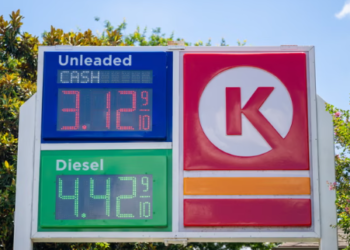 Gas Prices Fall Below $4 Following US-Iran Peace Deal
 Rethinking the Blueprint for Youth Employment in Britain
 Sainsbury’s Boss Optimistic As Grocery Inflation Eases
 UK Households Suffer Squeeze As Disposable Incomes Drop
 Creditors Eye Thames Water Even Under Nationalisation
 Record £28m Fine for Virgin Media Over Cancellation Woes
 Jet2 Sees Summer Surge Despite Global Tensions
 Ukraine Creates Long-Range Strike Command
 BBC Faces Real Jeopardy as Licence Fee Income Declines
 Thames Water Future Remains Uncertain Amid Funding Crunch