Published: 09 July 2026. The English Chronicle Desk. The English Chronicle Online.
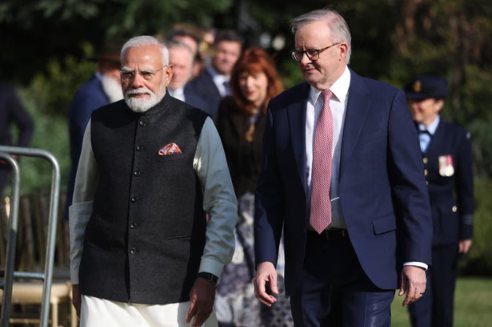
Australian Prime Minister Anthony Albanese and Indian leader Narendra Modi have officially announced a significant uranium agreement today. This major development arrived just ahead of a massive public rally scheduled for the Indian leader during his current three-day Australian diplomatic visit. The landmark agreement aims to finally resolve decades of persistent delays regarding regular shipments of essential nuclear fuel to India. Speaking during the announcement, the Australian prime minister stated that the new agreement would allow uranium exports to flow to India for explicitly peaceful purposes. Australia previously established a similar deal with India back in 2014, but regular shipments never commenced due to lingering international concerns about potential weaponization.
Prime Minister Modi stood alongside Anthony Albanese on Thursday to praise this new pact as a vital component for his nation’s rapidly expanding nuclear energy sector. He emphasized that the strengthening of their bilateral relationship is essential to help foster peace, stability, freedom of navigation, and a rules-based order across the vast Indo-Pacific region. The Indian prime minister is expected to address an estimated thirty thousand members of the Indian-Australian community later today in what promises to be an incredibly loud and energetic rally at the iconic Marvel Stadium in Melbourne. Very few national leaders throughout the world can effectively claim to draw a crowd of tens of thousands during an official international diplomatic visit, but Narendra Modi consistently remains a notable exception. Members of Australia’s vibrant Indian diaspora have already gathered in record-breaking numbers across Melbourne hoping for a brief glimpse of the leader from the world’s most populous nation.
Deepak-Raj Gupta, the chair of the Canberra India Council, noted that Modi belongs to a very specific group of people who are considered incredibly popular within his homeland. He explained that this elite category primarily consists of influential politicians, world-famous Bollywood stars, and legendary cricket players. According to Gupta, it essentially does not matter who you are as an individual if you happen to fall into one of those categories in the eyes of the public. He has traveled all the way to Melbourne with his wife and a large group of friends to attend as many high-profile events related to the Indian leader as his busy schedule allows. However, it is also important to acknowledge that Modi remains one of the world’s most polarizing political figures among diverse international audiences.
Various prominent human rights groups, including Amnesty International, have strongly condemned him for the reported decline in India’s living standards throughout his tenure. These organizations have raised serious allegations that journalists and academics are being unfairly targeted through the implementation of controversial anti-terror legislation. Furthermore, it is widely alleged that various marginal religious groups, including Muslims and Christians, have been systematically targeted by these same restrictive laws. Nevertheless, Modi has displayed an uncanny ability to unite the Indian diaspora in a way that no other contemporary leader could hope to achieve, according to the president of the Australian Multicultural Action Network, Ravi Krishnamurthy. He stated that they are constantly looking for a deeper connection between the two nations and feel immense pride in contributing so meaningfully to Australia’s broader multicultural community.
The visit has not been without its own unique set of security challenges for the Australian authorities. Just ahead of the arrival of the prime minister in Melbourne, the Australian federal police were forced to formally issue a stern warning to a young person who had allegedly made a specific death threat towards the foreign leader. In a separate incident, a far-right influencer reportedly attempted to gatecrash the luxury Melbourne hotel where the Indian leader is currently staying before being swiftly removed by police officers. Prime Minister Albanese used the occasion to highlight the fact that Australia’s multifaceted relationship with India has truly never been stronger than it is at this current moment.
He reiterated that both countries share a focused commitment to deepening and diversifying their relationship so that they can continue to grow from strength to strength in the coming years. Albanese also noted that the new uranium arrangement will provide a significant and additional market for Australia’s lucrative resource sector while helping India meet its climate goals. He further pointed to a new joint declaration on critical defence and security cooperation as a primary sign of their deepening strategic ties. The two leaders have also pledged to maintain regular consultations on any defence-related developments in the Indo-Pacific that might affect their shared regional interests.
Albanese remarked that for all the broad and genuine affection existing between their two peoples, the formal relationship between the countries had been historically under-explored and under-examined. He noted that in the last decade or so, this situation has certainly changed for the better, fostering a much more resilient partnership between the two democracies. During a high-profile business event held in Melbourne, the Australian leader directly thanked Prime Minister Modi for his personal engagement, which he claimed was absolutely central to this profound shift in bilateral dynamics. This visit serves as a powerful reminder of how much the ties between Canberra and New Delhi have evolved into a cornerstone of regional security and future economic prosperity.
Related News:
 Saudi Officials Report Zubaidi Flee Before Yemen Peace Talks
 UK Targets in New York Bomb Threat Hoax: Man Jailed
 Gambia Supreme Court Hears Case to Overturn FGM Ban
 Trump targets Iran trade with 25% tariff warning
 US Senate rejects resolution limiting Trump military powers
 Gulf states warn Trump Iran strikes risk wider Middle East war
 Machado Trump medal gesture reshapes Venezuela power struggle
 Geopolitical football: Iran, Trump and the World Cup clash
 Shinzo Abe’s killer receives life sentence in Japan
 China General Under Investigation Amid Leadership Purge
 Philippines ferry disaster leaves 15 dead, dozens missing
 Cambridge Faces Scrutiny Over Arms Investment Transparency
 Concerns rise for Canberra boy amid Iran detention fears
 Ukraine Sends Drone Experts to Defend US Bases in Jordan
 Abramovich Chelsea Sale Cash Faces Jersey Probe
 Yvette Cooper: UK Must Follow Principles, Not US Pressure
 Jury Rules Meta and YouTube Liable for Addictive Design
 The Woman Guarding Earth From the Threat of Asteroids
 Exiled Tycoon Warns of New Russian Attacks on UK Soil
 LA 2028: Millions of Affordable Olympic Tickets Announced
 Trump Slams Europe as Transatlantic Tensions Boil Over
 Inside the Deceptive Machine: A Former Producer Speaks Out
 Spain Faces Backlash Over Xenophobic Chants in Egypt Draw
 A Global Voice For Justice: Stephen Lewis Dies At Age 88
 Hope and Fear as Iranians Flee Across the Turkish Border
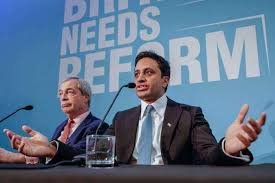 Reform UK Pledges To Halt Visas Over Reparations Demands
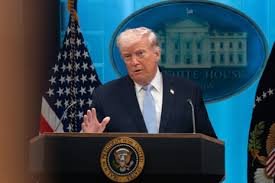 US and Iran Agree to Two-Week Provisional Ceasefire
 Starmer visits Gulf as US and Iran agree ceasefire
 Pakistan Brokers Historic Peace Deal Amid Rising Tensions
 Trump Signals Hope for New Iran Talks as Ceasefire Fades
 US and Iran Pursue Extension of Ceasefire via Pakistan
 Pakistan’s Ambitious Bid for Middle East Peace
 Israeli Soldiers Jailed Over Vandalism of Lebanese Statue
 Prominent Voices Challenge Palestine Action Ban
 Merz Criticises US Approach in Iran Conflict
 UK Envoy Sparks Controversy Over Special Relationship Claims
 Ukraine Urges UK to Seize Russian Oil Tankers
 The Billionaire’s Secretary and the £1m Fraud
 Ukraine strikes Tuapse as oil disaster worsens
 Mission to the World’s Edge: A Heroic Rescue in Tristan
 US and Mexico Face Heatwave as Floods Batter South Africa
 Mexico’s Missing: State Complicity in a Growing Crisis
 French Patient Told Hantavirus Was Just Anxiety
 Putin Signals War End as Russian Momentum Stalls
 Romania’s Judicial Crisis: A System Under Siege
 Lee Lai Makes History with Landmark Stella Prize Victory
 Philippine Senator Flees After Days Under Senate Siege
 Alberta Separatist Bid Blocked by Canadian Court
 Big Tobacco Under Fire Over Controversial New Ad Campaign
 Court Upholds Landmark Win for Transgender Rights
 Liberal Senator Criticises Immigration Rhetoric
 Senate Moves to Restrict Trump’s War Powers on Iran
 ICC Arrest Warrant Threat Sparks West Bank Retaliation
 Taliban Codifies Strict New Marriage and Divorce Legislation
 Tony Abbott Returns as New Liberal Party President
 Discontent grows around Putin amid war strain
 Trump Diplomacy Faces Hurdles from Tehran to Tbilisi
 Trump Faces Legal Blow Over Global Tariffs
 Washington Brokerage Sparking Hope Amid Regional Firestorms
 New York Consumer Watchdog Tackles Corporate Lawbreaking
 Global Tech Giants Face Off Against Australia Over Media Levies
 Ukraine Turning the Tide: Zelenskyy Reclaims the Initiative Against Isolated Russia
 Millions in British Charity Funds Linked to Illegal Settlements
 Firearm Fine for Missing Boy’s Grandmother
 Historic Peace Deal Reached Between United States and Iran
 A New Era of Diplomacy Sparks Confusion on the World Stage
 AI to Help Botanists Win the Critical Race Against Extinction
 Battle for Washington: Mayoral Race Braces for Trump
 Tuchel’s England Mission Goes Beyond Football Success
 Historic Victory for Canada as They Defeat Nine-Man Qatar
 Trump’s Iran Legacy Hangs on Tehran Deal
 What Burnham in Number 10 Means for the Future of Britain
 Canada Secure Historic Last 16 Spot with Late Goal
 White House Moves to Limit Public Voice on Fossil Fuels
 Paraguay Shock Germany in Historic Penalty Shootout
 Haaland Heroics Send Norway Into Historic Last 16 Knockout
 Iran Prepares for Massive Funeral for Supreme Leader
 China’s Pacific Missile Test Sparks Regional Alarm
 Belgium Thrashes USA After Red Card Controversy
 UK Charity Funds Illegal Hebron Settlement Expansion