Published: 08 June 2026. The English Chronicle Desk. The English Chronicle Online.
Israel has launched major airstrikes targeting central and western regions of Iran on Monday morning. This significant military action directly defied explicit calls for restraint from United States President Donald Trump. Tehran had previously launched a reprisal attack which escalated tensions across the entire region. The sudden outbreak of violence threatens to drag the Middle East back into war. This confrontation represents the first direct exchange of strikes since the April ceasefire agreement. That previous truce had temporarily paused the conflict involving America, Israel, and Iran.
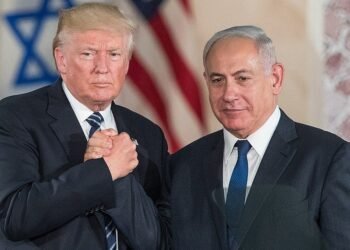
The immediate catalyst for Iran’s recent attack was an Israeli bombing raid in Beirut. Israeli jets had targeted suspected militant operations located within the Lebanese capital city. Israel launched its Monday morning strikes just hours after a critical White House phone call. Donald Trump had personally phoned Benjamin Netanyahu to urge against immediate military retaliation. The American president publicly emphasized his supreme authority regarding allied military strategy. Trump stated that he calls all the shots rather than the Israeli prime minister.
Iranian state media quickly confirmed multiple large explosions within several major domestic cities. Blasts shook the capital of Tehran along with Isfahan, Karaj, and Tabriz. The Islamic Revolutionary Guard Corps stated that Israel utilized advanced air-launched ballistic missiles. Following the morning bombardment, Iranian authorities immediately closed the airspace around their capital. All commercial flights were suspended at the vital Imam Khomeini International Airport. The White House has not yet responded to queries regarding these latest developments. Officials declined to clarify if Israel coordinated the strikes with American forces.
Signs of further regional destabilization rapidly emerged following the intense exchange of morning strikes. Saudi Arabia actively sounded missile alert sirens near the strategic Prince Sultan Airbase. This specific Saudi military installation currently hosts a substantial number of American forces. Meanwhile, the Israeli military reported efforts to intercept a missile coming from Yemen. Yemen’s Houthi rebels officially entered the broader Middle East conflict back in March. The rebel group has consistently launched targeted attacks against Israel in support of Iran.
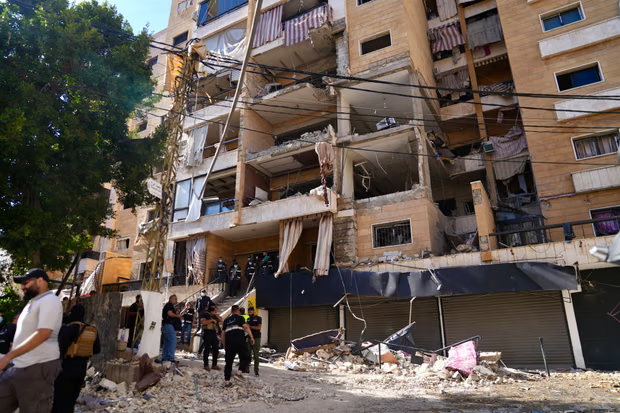
Hours earlier, Tehran had fired approximately ten ballistic missiles toward northern Israeli territory. This missile barrage directly answered the Israeli bombing of a target in southern Beirut. The Israeli military reported that all Iranian missiles were intercepted or struck open areas. Netanyahu’s official office confirmed their jets struck a command centre in Dahiyeh district. This specific urban area in Beirut is known as a prominent Hezbollah stronghold. The Lebanese health ministry stated that two people died and twenty suffered injuries.
Israel had previously issued warnings that it would strike if Hezbollah targeted northern territories. The militant group subsequently confirmed launching missiles and drones at Israeli army barracks early Sunday. Mohammad Bagher Ghalibaf strongly accused the United States of facilitating the Beirut attack. The Iranian parliament speaker claims Washington gave Israel a green light for the bombing. Ghalibaf warned that American and Israeli assets are now considered entirely legitimate targets. This rhetoric highlights the immense difficulty facing international diplomats trying to de-escalate the crisis.
Following the initial Beirut bombing, Trump expressed his views to a Fox News reporter. The president stated he wanted Iran to stop firing missiles immediately. He urged the Iranian government to return to the diplomatic negotiating table instead. Trump explicitly noted that the Israeli strikes in Lebanon lacked coordination with America. The American leader openly stated his deep unhappiness regarding the independent Israeli actions. A senior United States official confirmed Trump’s subsequent private phone call to Netanyahu.
The anonymous official claimed that Trump believed he successfully convinced Netanyahu to wait. Trump supposedly managed to get the Israeli leader to hold off temporarily. Netanyahu’s office has declined to offer any immediate comment regarding the private conversation. Speaking to the Financial Times before the strikes, Trump remained highly confident. He insisted that he dictated precise terms to Netanyahu regarding the ongoing war. Trump told reporters that the Israeli prime minister would not have any choice.
The ongoing military skirmishes in Lebanon remain a severe obstacle for international peace talks. Tehran consistently insists that Lebanon must be included in any comprehensive ceasefire deal. However, Donald Trump told NBC News that he was not demanding Lebanese inclusion. He claimed that a historic peace agreement with Iran was still very near. The president stated that while they would like it, he is not demanding. He warned that America would blow the hell out of Iran without a deal.
Global financial markets reacted instantly to the dramatic escalation of violence on Monday morning. Brent crude oil prices jumped significantly by three dollars and fifty cents a barrel. Oil reached ninety-six dollars and fifty-nine cents amid fears of energy supply disruptions. Concurrently, major stock markets across Asia fell sharply during early morning trading sessions. Asian economies remain heavily dependent on oil imports sourced directly from the Middle East. Financial analysts warn that prolonged instability could trigger a broader global economic slowdown.
Before launching the Sunday strikes, Israel issued a forced evacuation order for Tyre. This location is one of the largest and most populated cities in southern Lebanon. The historic city currently hosts thousands of citizens displaced from smaller surrounding villages. Massive plumes of thick black smoke were later observed rising above the city skyline. The intense fighting within Lebanon originally commenced on the second of March this year. Hezbollah initiated the conflict by launching rockets following the killing of Ali Khamenei.
The death of Iran’s supreme leader previously triggered a swift Israeli ground invasion. Subsequent Israeli military strikes have killed more than three thousand six hundred people in Lebanon. Meanwhile, Hezbollah forces have killed at least thirty Israeli soldiers during the ongoing incursions. Three Israeli civilians have also lost their lives since the conflict began in March. The rapid cycle of strike and counter-strike complicates international efforts to restore regional peace. Global leaders continue to call for immediate restraint as the situation deteriorates further.
Related News:
 Ukraine war briefing: Zelenskyy offers help to Saudi Crown prince on combatting Iranian drones
 Ukraine Sends Drone Experts to Defend US Bases in Jordan
 Saudi Arabia Urging US to Keep Up Iran Attacks
 Diplomacy on the Brink: Pakistan’s Risky Peace Mission
 Trump Slams Europe as Transatlantic Tensions Boil Over
 High-Value Target: Iranian Strike Destroys US Radar Plane
 UN Warns Israeli Death Penalty Bill Could Be a War Crime
 Pakistan and China Propose Five-Part Peace Plan
 Trump Issues Stark Warning After Strike On Iran’s Largest Bridge
 Hope and Fear as Iranians Flee Across the Turkish Border
 The Price of Hubris: Trump, Netanyahu, and the ‘Easy’ War
 Israel Defies Ceasefire as Lebanon Operations Persist
 Middle East Peace Crisis: Ceasefire Strained by New Violence
 Pakistan Brokers Historic Peace Deal Amid Rising Tensions
 Netanyahu Vows Continued Lebanon Strikes Amid Peace Talks
 Islamabad Hosts Historic Peace Talks Between Iran and USA
 US and Iran Pursue Extension of Ceasefire via Pakistan
 Trump’s Islamabad Gamble: The High Stakes of a New Iran Deal
 The General’s Gambit: Pakistan’s New Role in Global Peace
 Can Trump’s Ceasefire Hold in Lebanon?
 Global order shifts amid Trump-era turmoil
 Middle East Crisis Escalates as Oil Routes Shake Markets
 Saudi Arabia Blocks Trump’s Naval Plan for Hormuz Strait
 Tensions Emerge in Netanyahu-Trump Alliance
 UAE’s Secret Strike on Iran Risks Wider Gulf Conflict
 Netanyahu Claims Secret UAE Visit Amid Regional Conflict
 Netanyahu Calls Early Election Amid Coalition Turmoil
 Plea for Mercy: The Battle to Bring Ahmed al-Doush Home
 Trump Issues New Threat of Strikes Amid Iran Standback
 Global Outrage After Israeli Minister Mocks Bound Activists
 Israeli Strikes in Lebanon Kill 10 Amid Ceasefire Strain
 Hunger increasingly weaponised in global conflicts
 Former ICC prosecutor condemns US sanctions
 Trump and Netanyahu Clash Over Crucial US and Iran Peace Deal
 Washington Brokerage Sparking Hope Amid Regional Firestorms
 US and Iran Agree Historic Framework to End 15-Week War
 Global Powers Navigate Fragile Peace as Hormuz Reopens
 Trump Signs Landmark Iran Accord in Versailles
 Uncertainty Prevails as Landmark Peace Talks Abruptly Conclude Before Commencement
 Iran To Propose New Shipping Fees In Strait Of Hormuz
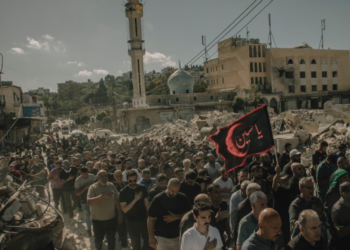 Grief and Devotion Amidst the Rubble of Nabatieh
 High Drama in Tehran Over Secret Nuclear Letters
 Iran Prepares for Massive Six-Day Funeral for Khamenei
 Iran Prepares for Massive Funeral for Supreme Leader
 Iran Bids Farewell to Fallen Leader in Massive Procession
 Iran Mourns: Millions at Khamenei’s Final Procession
 Hamas Proposes Handing Over Control of Gaza Strip
 Israeli Officer Investigated for Car Grenade Attack
 Yemen Accuses Iran of Violating National Sovereignty
 Trump Threatens Iran Power Strikes Over Hormuz Impasse
 Houthis Strike Saudi Arabia as Middle East Tensions Rise
 Friedman Uninvited From 2024 Adelaide Writers’ Week
 Spoof “Make America Go Away” Caps Rally Denmark Over Greenland
 New Zealand Covid Response Praised Despite Lingering Scars
 Tehran Strikes Mark War’s Most Devastating Night
 Injured Mojtaba Khamenei Elevated as Iran Leader
 Teenage Titan: Sooryavanshi Smashes IPL Records
 Trump’s Six-Week Iranian War: The High Cost of Ignorance
 US and Iran Agree to Two-Week Provisional Ceasefire
 Security Alert Near Israeli Embassy as Police Investigate
 US-Iran Standoff: Will Trump Deploy Ground Troops?
 Investigation Into Anti-Trump Motives After Gala Shooting
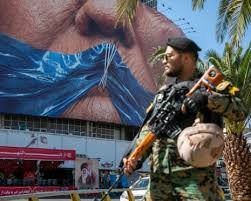 Trump Rejects Tehran Peace Plan as Regional Truce Crumbles
 High Stakes in Beijing as Trump and Xi Meet Amid Global Turmoil
 Fear and Betrayal: The Chilling Case of Kouri Richins
 Trump and Xi Convene in Beijing for Historic High-Stakes Summit
 Aussie Race Row: Coalition Accused of Scapegoating
 Trump Pledges 5,000 Troops for Poland in U-Turn
 Cannes filmmakers split over AI’s role in cinema
 US Condemns ‘Two-Tier’ UK Policing After Student Murder
 Ex-CIA Agent Accused of $40m Gold Theft and Fake Spy Unit
 Aukus Deal Facing Fierce Backing and Historic Criticism
 Tragic Loss of Australian Sprinter Jemma Stapleton
 Trump Urged to Condemn UFC Fighter Over Obama Slurs
 Russian Tanker Captain Remanded in UK Court After Channel Seizure
 US Military Pacific Boat Strike Kills Three People
 Trump’s Mount Rushmore Speech: A Divisive Anniversary
 Trump Swaps Planes Amid Iran Tensions
 Rotterdam Museum Honours Artist With Peanut Butter Floor
 Bangkok Nightclub Blaze Claims 30 Lives Amid Negligence Probe