Published: 27 July 2026 | The English Chronicle Desk | The English Chronicle Online
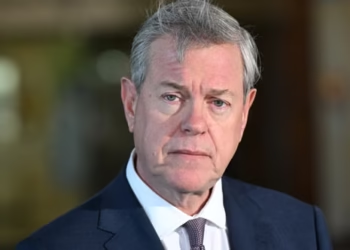
The United States and Iran have paused military strikes for a third consecutive night in an effort to create space for diplomatic discussions, according to the US ambassador, who said the temporary halt could provide an opportunity for both sides to explore a possible path away from further escalation.
The pause comes after days of intense confrontation between Washington and Tehran, raising international concerns that the conflict could expand into a wider regional crisis. While no formal ceasefire agreement has been announced, officials have described the break in hostilities as a chance to open channels for negotiations and reduce the risk of additional military action.
The US ambassador said the suspension of attacks was intended to allow room for talks, although significant disagreements remain between the two countries. Both governments have maintained strong positions on security, regional influence and military capabilities, making any long-term agreement difficult.

The development has been closely watched by international leaders, who have repeatedly urged restraint and called for diplomatic solutions to prevent further instability in the Middle East.
The confrontation between the US and Iran has escalated sharply in recent weeks, with both sides exchanging strikes and issuing warnings about potential future actions. The violence has raised fears among neighbouring countries that the situation could affect regional security, energy supplies and global markets.
The latest pause represents the first sign of a possible diplomatic opening after a period of heightened tensions.
According to officials familiar with the discussions, communication channels have remained active despite public statements from both governments criticising the other side. Diplomatic contacts through intermediaries have reportedly played a role in encouraging both countries to avoid further immediate military escalation.
The United States has historically maintained limited direct communication with Iran, particularly during periods of political tension. As a result, third-party countries have often acted as intermediaries in attempts to reduce misunderstandings and prevent conflict.
However, analysts caution that a temporary pause does not necessarily mean a permanent agreement is close.
The central disputes between Washington and Tehran remain unresolved. These include disagreements over Iran’s military activities, regional partnerships, nuclear ambitions and US sanctions policies.
Iran has consistently argued that its defence policies are necessary for national security and has criticised American military pressure as a violation of its sovereignty.
The United States, meanwhile, has said its actions are aimed at protecting its interests and preventing threats to allies and regional stability.
The ambassador’s comments suggest Washington is willing to explore diplomatic options but remains prepared to respond if it believes its security interests are threatened.
Officials stressed that the pause should not be interpreted as a sign of weakness but rather as an opportunity to assess whether negotiations can produce meaningful results.
Iranian authorities have also indicated that they are evaluating diplomatic possibilities while maintaining that they will defend themselves against any further attacks.
The situation has placed significant pressure on governments across the Middle East.
Countries in the region have expressed concern that continued fighting could spread beyond the immediate confrontation and draw additional actors into the conflict.
Several governments have called for immediate de-escalation, warning that prolonged instability could have serious humanitarian, economic and security consequences.
Energy markets have also been closely monitoring developments.
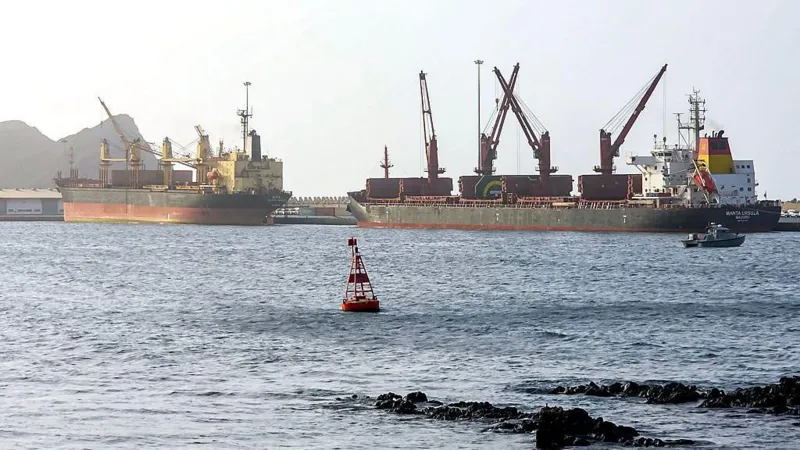
The Middle East plays a crucial role in global oil production and transportation, and any disruption involving major regional powers can affect fuel prices, shipping routes and international trade.
Market analysts say uncertainty surrounding US-Iran relations has contributed to increased volatility, with investors watching closely for signs of either diplomatic progress or renewed military action.
The pause in strikes has provided limited relief but has not removed broader concerns about regional security.
International organisations have urged both sides to prioritise dialogue and avoid actions that could trigger a larger conflict.
Humanitarian groups have also warned that further escalation could increase civilian suffering, particularly in areas affected by military operations.
Civilian casualties and damage to infrastructure remain major concerns during periods of conflict.
Diplomatic experts say any successful negotiation between the US and Iran would likely require addressing multiple complex issues rather than focusing only on immediate military actions.
A sustainable agreement would require commitments from both sides, verification mechanisms and guarantees that reduce fears of future confrontation.
Previous diplomatic efforts between Washington and Tehran have produced temporary agreements but have also collapsed due to disagreements over implementation and political changes.
The history of US-Iran relations has been marked by decades of mistrust.
Relations deteriorated significantly following the 1979 Iranian Revolution and have remained tense through disputes over regional influence, sanctions and military strategy.
Although periods of dialogue have occurred, efforts to establish long-term cooperation have repeatedly faced major obstacles.
The current pause therefore represents a cautious diplomatic moment rather than a confirmed breakthrough.
Analysts say both governments may be using the opportunity to reassess their positions while attempting to avoid the economic and political costs of a prolonged conflict.
For Washington, maintaining pressure on Iran while preventing wider instability remains a difficult balancing act.
For Tehran, managing security concerns while avoiding deeper international isolation is also a major challenge.
The coming days are expected to be critical in determining whether the pause develops into broader negotiations or simply delays further confrontation.
Diplomatic officials from several countries are likely to continue encouraging communication between the two sides, hoping that the current opening can lead to a reduction in tensions.
The US ambassador’s statement has offered a cautious sign of progress, but significant uncertainty remains.
Both the United States and Iran continue to hold opposing views on key security issues, and previous attempts at diplomacy have often struggled to overcome deep political differences.

Nevertheless, the temporary halt in strikes has created an opportunity that international observers hope will be used to pursue dialogue rather than renewed military escalation.
As the world watches developments closely, the focus now shifts to whether Washington and Tehran can turn a short pause in fighting into a meaningful diplomatic process.
For a region already facing multiple conflicts and humanitarian challenges, preventing further escalation remains a priority for governments, international organisations and millions of civilians affected by instability.
Related News:
 Israeli Strikes Kill 11 in Gaza City
 Why Violence Has Surged Before Kashmir Election
 Houthis Strike Saudi Arabia as Middle East Tensions Rise
 UK University Faces Counter-Terror Probe Over China Pressure
 Second world war veterans honoured as King leads Remembrance Sunday
 Ukraine-Russia war latest: Putin’s troops exploit bad weather to force Kyiv withdrawal from multiple towns
 New Epstein Files Spark Political Clash in Washington
 Ukraine Energy Corruption Scandal Hits Zelensky’s Inner Circle
 Greene Pushes Epstein Files Amid Trump Fallout
 UN Security Council Approves Trump’s Gaza Peace Plan
 WhatsApp Messages Expose Nathan Gill’s Bribery
 Venezuela Threatens Nobel Winner Machado with Fugitive Status
 Trump Envoy to Discuss Ukraine Peace at Kremlin
 Video shows Israeli troops kill Palestinians after surrender
 Guinea-Bissau President Flees After Military Coup
 Saif al-Islam Gaddafi Reportedly Killed in Libya Shooting
 South Korea’s Ex-President Faces Death Penalty in Insurrection Trial
 Middle East Flights Halted After Iran Strikes
 Nine Killed in Karachi Consulate Protest
 UK Prepares Aircraft Carrier for Middle East Crisis
 Mojtaba Khamenei Chosen as Iran’s New Supreme Leader
 Tehran Oil Depot Strikes Darken City With Toxic Smoke
 Belgium Narco-State Warning Raises Alarm Over Crime Surge
 Mojtaba Khamenei Supporters Rally as Iranians Fear Repression
 Iran Defiance Grows Amid US-Israel War Pressure
 Hormuz Crisis Sparks Global Oil Market Fears
 Iranian Exile Factions Seek US Backing for Iran’s Future
 Injured Mojtaba Khamenei Elevated as Iran Leader
 Point-Blank Gunshot Misses Indian Politician
 Trump Iran War Stance Hardens as Conflict Widens
 Ghalibaf Iran: Survivor Emerges in Shifting Power Game
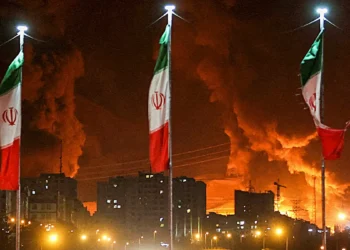 Victory or Compromise? Tehran’s Streets Erupt in Mixed Emotion Following Ceasefire
 Iran Crisis Tests Trump’s Global Leadership
 Southeast Asia Turns to Russia Amid Energy Crisis
 Cartel crackdown raises fears of fresh violence
 Trump likens US Navy actions to ‘pirates’
 Global order shifts amid Trump-era turmoil
 China Fireworks Factory Blast Kills 21 in Hunan
 Australia pushes Pacific security pact amid China tension
 BJP Sweeps West Bengal in Historic Breakthrough
 US ‘Narco Boat’ Strikes Draw Global Outcry
 Middle East Crisis Escalates as Oil Routes Shake Markets
 Tensions Emerge in Netanyahu-Trump Alliance
 US Awaits Iran Reply on New Ceasefire Proposal
 One Nation Stuns Australia With Historic Farrer Win
 Hormuz Talks Near Critical Stage
 China mine blast death toll rises to 90
 Discontent grows around Putin amid war strain
 Former ICC prosecutor condemns US sanctions
 Gunman Killed After White House Security Shootout
 Trump Claims Iran Peace Deal Near Completion
 Irish Gangland Figure Fails in Dublin Election Bid
 Trump-Netanyahu Call Fuels Iran Talk Crisis
 Ex-Wife of Dubai Royal Relative Held in Custody
 Millions Gather for Khamenei’s Six-Day State Funeral
 Ukraine Creates Long-Range Strike Command
 Dreyfus Statue Finally Gets Permanent Paris Home
 Venezuela Quake Death Toll Surpasses 4,000
 India’s ‘Cockroach’ Protesters Begin Talks With Government
 Bangladesh President to Step Down After Political Shift
 Pradhan Resigns Amid Protests
 India’s Gen Z Protest Movement Enters a New Phase
 BBC to Apologise Over Edited Trump Speech Amid Backlash
 Britain deploys RAF specialists to assist Belgium with drone threats
 Shadow Fleet at Sea: Europe’s Battle Against Illicit Oil Shipping
 Police response times face strict new national limits
 Australian Families Leave Syrian Camp for Home
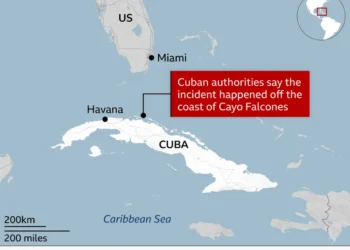 American Citizen Killed in Cuba Boat Shooting, U.S. Officials Say
 Iran’s Regime Still Intact — Coming Days Will Test Its Survival
 Herzog Asio meeting sparks security storm
 Thousands Protest Iran Strikes Outside US Embassy London
 Trump Pressures Congress Over Save America Act
 Queensland Protest Laws Spark Free Speech Backlash
 Trump Nato threats expose Iran strategy vacuum
 Trump Facing Backlash from Epstein Survivors Over Files
 Report Says Pezzullo Acted ‘Recklessly’ in Dealings
 Israel, Lebanon Agree on Fragile Ceasefire Deal
 Israel Strikes Iran After Missile Attack
 Safeguards Lag as Prisoners Face Early Release
 Berlin Pride Attack Suspect Killed in Police Raid